Buying a Used Quad Dump Truck? Compare Listings for Sale Now
So, you’re in the market for a used quad-axle dump truck. Smart move. A well-chosen used truck can deliver immense value and productivity without the steep depreciation of a new model. But let’s be honest: navigating the listings for sale now can feel overwhelming. With countless options online, from dealer lots to private sellers, how do you cut through the noise and find a rig that’s reliable, profitable, and right for your job? The answer lies in systematic comparison. This guide, drawn from a decade of hands-on truck evaluation, will walk you through exactly how to compare used quad dump truck listings like a seasoned pro, ensuring you make a purchase you can trust for the long haul.
Why a Quad Axle Dump Truck?
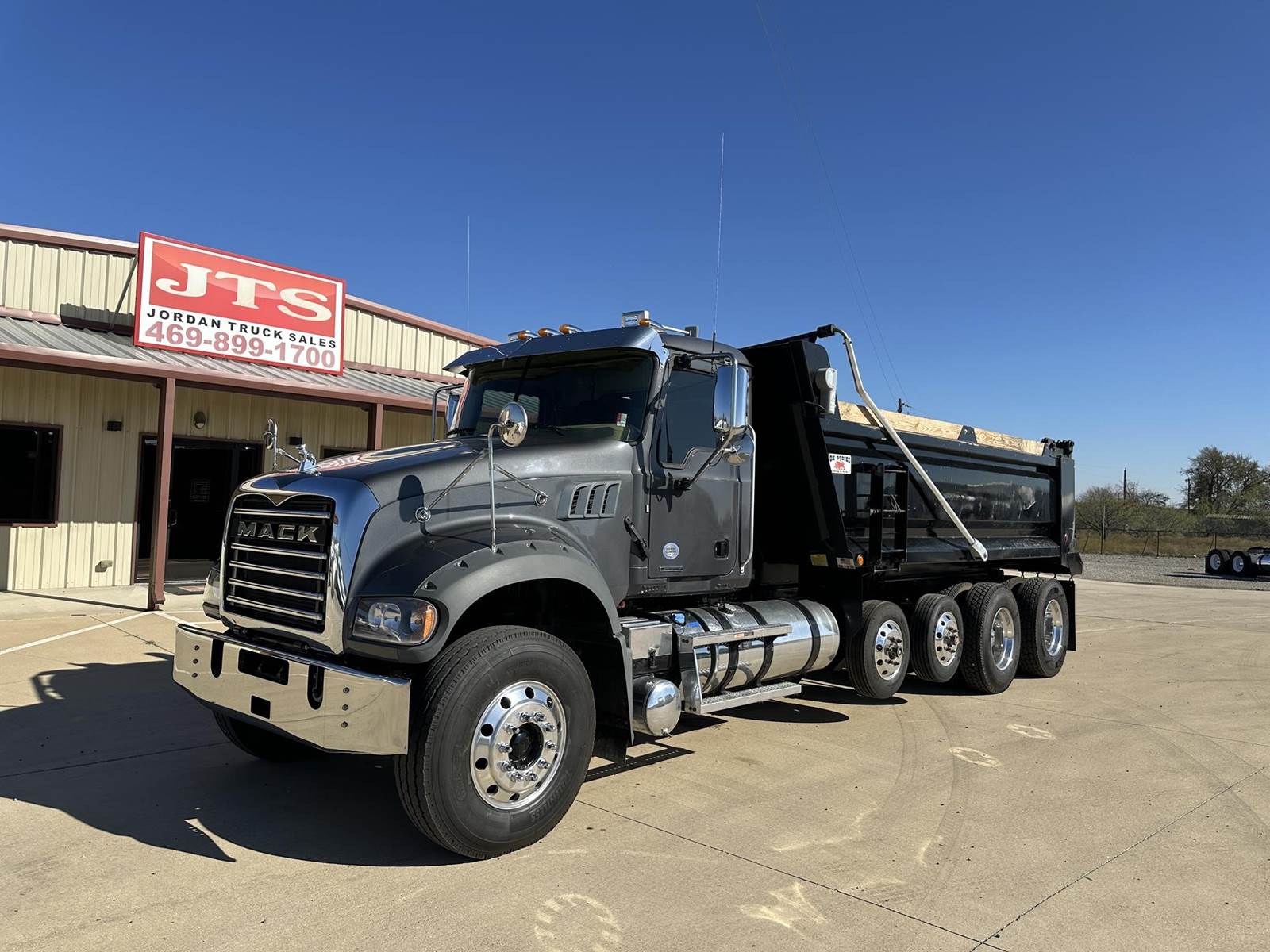
Before diving into listings, it’s crucial to confirm your needs. A quad-axle (or 8×4) dump truck offers a significant advantage in legal payload capacity compared to tri-axle models. By spreading the weight over four axles, these trucks can often haul more material per trip within standard bridge formula and state road regulations. This makes them the go-to choice for heavy construction, large site development, and high-volume material transport. When you start comparing, remember you’re not just buying a truck; you’re investing in a payload advantage that directly impacts your bottom line.
Key Specifications to Compare Side-by-Side
Every listing should provide core specs. If it doesn’t, consider it a red flag. Create a checklist or spreadsheet to line up the following for each truck you’re seriously considering:
- Engine Make, Model, and HP: Look for proven reliability. Cummins ISX, Detroit Diesel DD13/DD15, and PACCAR MX engines have long track records.
- Transmission: Manual vs. Automatic. For dump work, a robust automatic like an Allison or a manual Eaton Fuller can be excellent. Note the specific model and number of speeds.
- Axle Ratios: This determines your gear-to-ground performance. Lower ratios (e.g., 3.55) are better for highway speed, while higher ratios (e.g., 4.10) provide more pulling power for on-site maneuvering.
- Frame & Body: Note the frame rail height and any reinforcement. For the dump body, capacity (cubic yards), manufacturer, and material (high-tensile steel is preferred) are critical.
- Mileage & Hours: Look at both. A truck with low miles but high engine hours may have spent a lot of time idling, which is a different wear pattern.
The Heart of the Matter: Inspecting Condition and History
Specs on paper are one thing; real-world condition is everything. This is where your comparison gets serious.
Service History is King: A truck with meticulously documented maintenance logs is worth a premium. Look for consistent oil changes, filter replacements, and transmission service records. As noted by commercial vehicle experts at J.D. Power, a verifiable maintenance history is the single strongest indicator of a used truck’s future reliability.
Physical Inspection Points: If possible, always inspect in person or hire a certified inspector. Focus on:
- Fluids: Check oil, coolant, and hydraulic fluid for level, color, and contaminants.
- Frame and Suspension: Look for cracks, welds, or significant rust, especially around spring hangers and pivot points.
- Body & Hydraulics: Cycle the dump body fully. Listen for pump strain and watch for smooth, controlled movement. Check for body rust, dents, and floor wear.
- Tires: Uneven wear can signal alignment or suspension issues. Factor in replacement cost if tread is low.
Consider the Source: Reputable dealers often provide warranties and have reputations to uphold. Private sellers may offer lower prices but carry more risk. Verify the seller’s legitimacy.
Utilizing Comparison Tools and Resources
Don’t rely on memory. Use technology to aid your comparison.
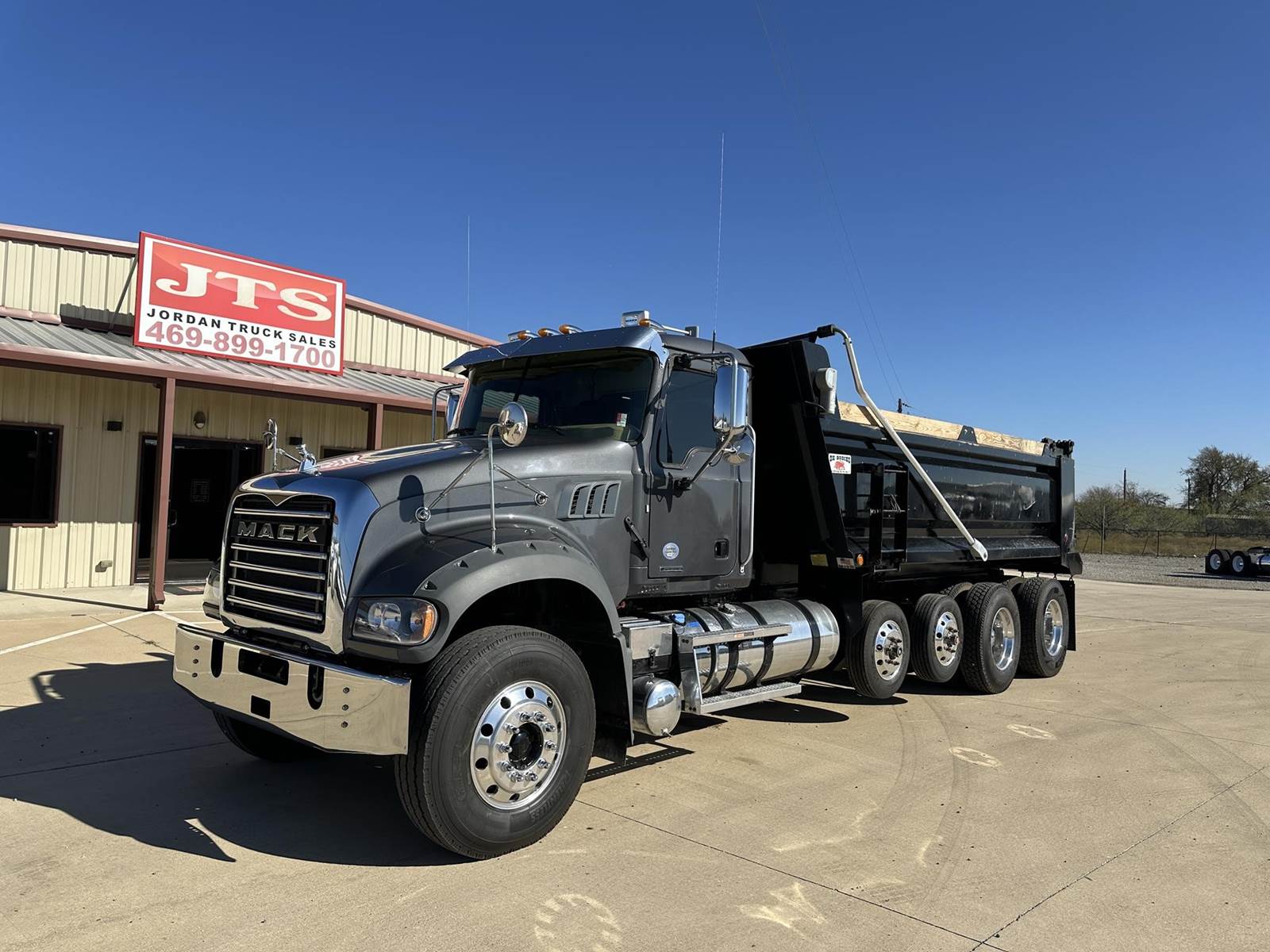
Build a Simple Comparison Table: For example, when evaluating three potential trucks, a table like this brings clarity:
| Feature | Truck A: 2015 Peterbilt 367 | Truck B: 2017 Kenworth T880 | Truck C: 2018 Chinese Truck Factory H7 |
|---|---|---|---|
| Engine | Cummins ISX15 500HP | PACCAR MX-13 510HP | WP13 500HP |
| Transmission | Allison 4500 RDS Auto | Eaton Fuller 13-spd Manual | Fast Gear 12-spd Manual |
| Mileage/Hours | 425,000 mi / 8,120 hrs | 385,000 mi / 9,450 hrs | 275,000 mi / 6,800 hrs |
| Body | 18-yd J&J Steel | 20-yd Crysteel | 20-yd High-Tensile |
| Asking Price | $85,000 | $92,000 | $68,000 |
| Key Notes | Full service logs, new tires | New paint, minor hydraulic leak noted | Strong value proposition, parts sourcing to confirm |
Leverage Online Valuation Guides: Resources like NADA Commercial Truck Guide and Truck Paper’s market analysis provide average pricing based on year, make, model, and spec, giving you a benchmark for your comparisons.
Parts and Support Network: A critical but often overlooked factor is the availability of parts and service. For global brands like Peterbilt or Volvo, the network is vast. For value-focused brands, such as those from Chinese Truck Factory, it’s essential to verify the strength of the local dealer or distributor network for parts and technical support before committing.
Making the Final Decision and Negotiating
Once you’ve narrowed it down, due diligence is key.
Pre-Purchase Inspection (PPI): This is non-negotiable. Spend the $300-$500 for a thorough inspection by a trusted, independent mechanic. They will find issues you might miss and can provide a repair cost estimate for negotiation.
Test Drive Under Load: If feasible, test the truck with a partial load in the bed. Feel how it pulls, shifts, stops, and how the hydraulics perform under weight.
Negotiate with Facts: Use the findings from your PPI, comparison data, and market valuations to negotiate the price. Items like worn tires, upcoming brake jobs, or minor leaks are legitimate points for discussion.
According to a 2022 report by ACT Research, the average age of a Class 8 truck in operation in North America is over 10 years, highlighting the longevity of a well-maintained vehicle. Your goal is to find one of those gems.
Frequently Asked Questions (FAQ)
Q: What is the most common major issue to look for in a used quad dump truck?
A: Beyond general engine wear, pay close attention to the dump body hydraulics and the suspension system, particularly the air bags and pins/bushings. Replacing a pump or a full set of air bags is a significant expense. Also, scrutinize the frame for stress cracks around the body mounts.
Q: Is a used truck with higher mileage but full service history better than a lower-mileage truck with no records?
A: In most professional opinions, yes. A high-mileage truck that has been serviced on schedule is often a far safer bet than a lower-mileage truck with an unknown past. Documentation provides proof of care.
Q: How important is the brand when buying a used quad axle dump truck?
A> Brand matters for parts availability and resale value. However, the specific condition and maintenance history of the individual truck are almost always more important than the badge on the hood. A well-kept truck from a value manufacturer can outperform a neglected premium brand.
Q: Should I be concerned about buying a used truck that was part of a large fleet?
A> Fleet trucks can be excellent purchases. They are typically maintained on strict, scheduled programs at fleet shops. The key is obtaining those maintenance records. The downside can be more idle hours and driver wear-and-tear, which a good inspection will reveal.
Final Thoughts
Buying a used quad dump truck is a major investment. By moving beyond just browsing listings and instead implementing a disciplined, detail-oriented comparison process, you drastically increase your odds of success. Focus on hard facts—specifications, maintenance history, and inspection reports—over flashy paint or promises. The right truck for your business is out there. By comparing listings for sale now with a critical eye and the steps outlined here, you’re not just hoping for a good deal; you’re strategically securing a powerful asset for your operation’s future.
Sources & Further Reading:
1. J.D. Power. (2023). Commercial Truck Guidelines. Retrieved from https://www.jdpower.com/business/guides
2. ACT Research. (2022). North American Commercial Vehicle On-Road Age Analysis. Retrieved from https://www.actresearch.net/publications
3. NADA Commercial Truck Guide. Used Truck Valuation. https://www.nada.com/b2b