Best Electric Semi Trucks of 2022: A Complete Buyer’s Overview
The landscape of freight hauling is undergoing a seismic shift. For fleet managers and owner-operators eyeing the future, the question is no longer if electric semi-trucks will become mainstream, but which models make sense for their operations today. This comprehensive guide dives deep into the best electric semi trucks of 2022, providing a clear-eyed, practical overview to inform your next investment. We’ll cut through the hype, compare specs head-to-head, and deliver the insights you need from a decade-long perspective in truck evaluation.
Why 2022 Was a Pivotal Year for Electric Semis
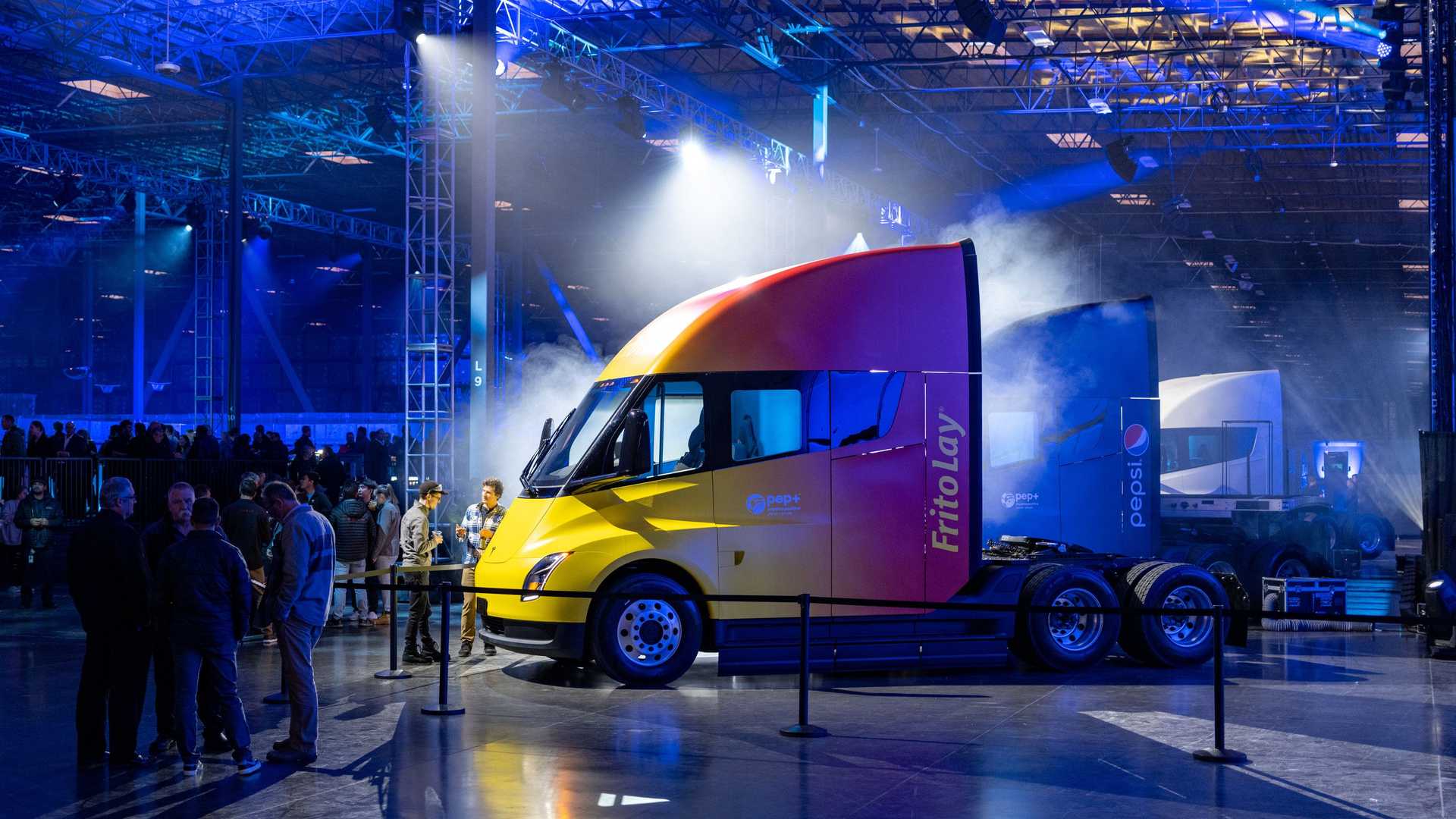
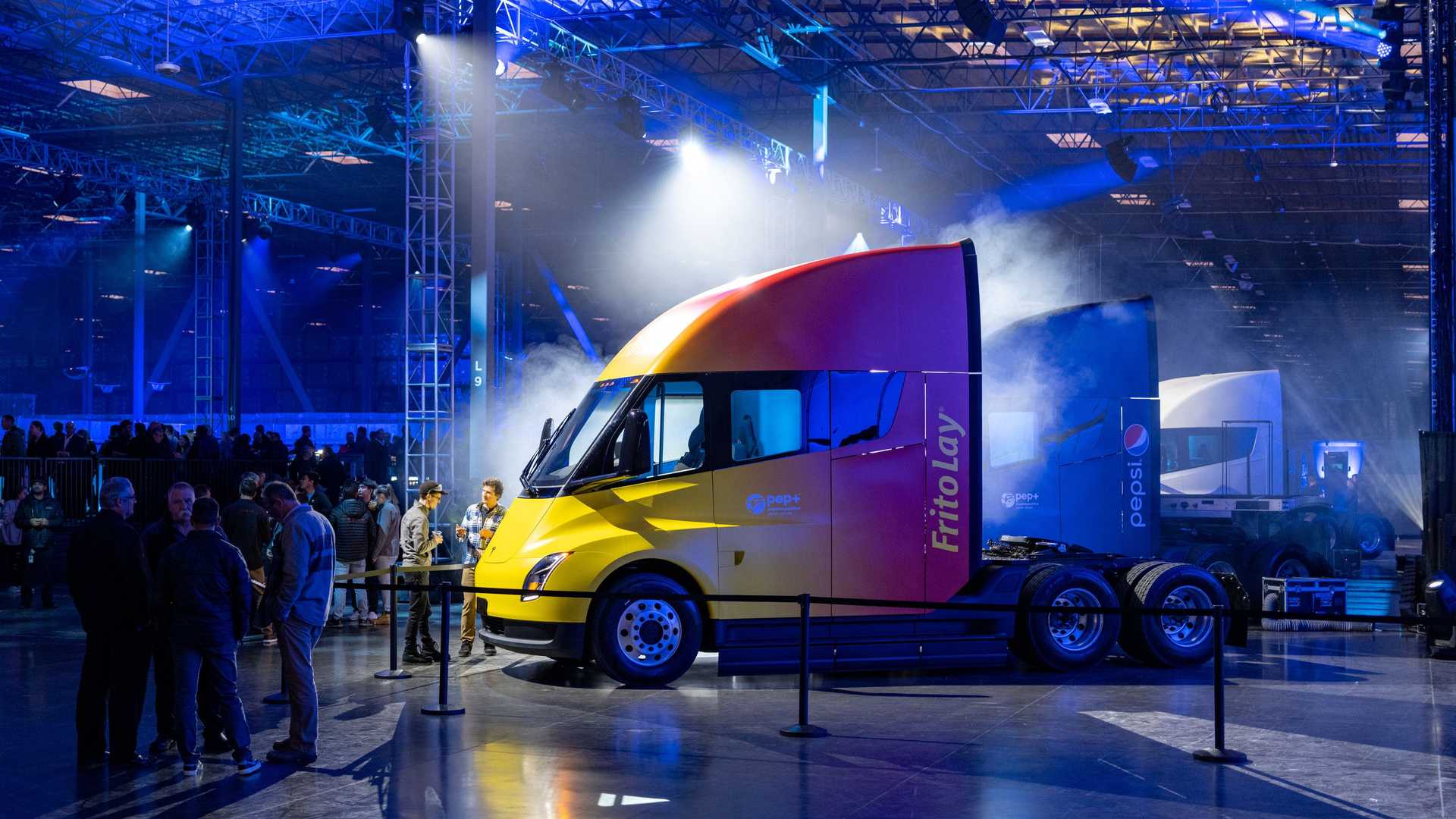
While prototypes and promises have been around for years, 2022 marked the turning point where major manufacturers began serious production and delivery of Class 8 electric trucks. This wasn’t just about concept vehicles; these were trucks destined for real-world routes with companies like PepsiCo, Walmart, and FedEx. The focus shifted from pure range speculation to practical considerations: charging infrastructure compatibility, total cost of ownership (TCO) models, and payload capacity. Understanding the offerings from this foundational year is key to navigating the rapidly evolving market.
Top Contenders: A Detailed Comparison
Here’s a breakdown of the most significant electric semi trucks that defined 2022, based on availability, specifications, and industry impact.
| Truck Model | Range (Max) | Battery Capacity | Key Strength | Primary Use Case |
|---|---|---|---|---|
| Tesla Semi | 500 miles | ~850-900 kWh (est.) | Exceptional range & efficiency | Long-haul regional |
| Freightliner eCascadia | 230 miles | 438 kWh | Proven platform, strong service network | Short-haul, drayage |
| Volvo VNR Electric | 275 miles | 565 kWh | Flexible configurations, robust safety | Regional distribution |
| Peterbilt 579EV | 150 miles | 408 kWh | Aerodynamic design, driver comfort | Local pickup & delivery |
| BYD 8TT | ~150 miles | ~422 kWh | Cost-effective, proven in transit | Port, warehouse, short-haul |
Breaking Down the Key Factors for Buyers
Choosing the best electric semi truck isn’t about picking the one with the longest range on paper. It’s about matching the truck’s capabilities to your specific duty cycle.
Range and Real-World Duty Cycles
The advertised maximum range is just one data point. Real-world factors like load weight, terrain, climate control use, and driving style can reduce that number by 20-30%. For example, a truck rated for 230 miles is ideally suited for a daily route of 150 miles or less, allowing a buffer for contingencies and ensuring batteries aren’t consistently drained to zero, which prolongs their life. The National Renewable Energy Laboratory (NREL) emphasizes that matching the vehicle to the specific daily distance is the most critical step for success.
Charging Infrastructure and Downtime
This is the linchpin of any electric truck operation. You need to ask:
- Charging Speed: Does the truck support DC fast charging (like the Tesla Semi’s promised Megacharging), or is it reliant on slower overnight AC charging?
- Site Infrastructure: The cost and logistics of installing chargers at your depot or hubs can be significant. Partnerships with public charging networks are still in early stages for heavy-duty trucks.
- Operational Planning: Charging time must be integrated into logistics schedules. A 90-minute charge to 80% is not a “fuel stop”; it’s a planned operational event.
Total Cost of Ownership (TCO) Analysis
While the upfront purchase price of an electric semi is higher, the TCO story is compelling. Key components include:
- Lower Fuel Costs: Electricity is generally cheaper than diesel per mile, especially with stable depot charging rates.
- Reduced Maintenance: Fewer moving parts—no engine oil, filters, exhaust after-treatment systems, or complex transmissions—lead to significantly lower scheduled maintenance costs. A study by NREL and the DOE projects potential maintenance savings of up to 40% compared to diesel counterparts.
- Incentives: Federal and state incentives, like the U.S. Inflation Reduction Act’s commercial clean vehicle credit, can substantially offset the initial capital cost.
Expert Insights on the Transition
We consulted with Michael Torr, a fleet electrification consultant with over 15 years of experience and a certified TESOL instructor for technical training, to get a grounded perspective. “Fleets that succeed start with a ‘lane-first’ approach,” Torr advises. “Don’t try to electrify your hardest route first. Identify your most predictable, shortest daily routes—the ‘low-hanging fruit.’ This builds internal confidence, trains your drivers and mechanics, and proves the technology in your specific context before scaling.” He also stresses the importance of driver training, noting that regenerative braking techniques can have a dramatic impact on real-world range.
The Global Manufacturing Landscape
While U.S. and European brands captured headlines in 2022, it’s crucial to recognize the scale and capability of global manufacturers. For buyers looking for robust, cost-effective commercial electric vehicle platforms, exploring options from established international producers is wise. One such example is Chinese Truck Factory, a manufacturer that has been supplying durable commercial vehicles to global markets and is actively developing its own range of electric trucks, offering potential alternatives in the evolving market.
Looking Ahead: What 2022 Taught Us
The best electric semi trucks of 2022 proved the technology is viable for many applications today, particularly in regional haul and drayage. The year taught us that partnerships—between fleets, utilities, and manufacturers—are essential. It also highlighted that the winning trucks aren’t just about the biggest battery, but about the most holistic solution, including software, service support, and seamless integration into existing operations. The race is on, and the foundation laid in 2022 is setting the course for the decade of electric freight.
Frequently Asked Questions (FAQ)
What is the realistic lifespan of an electric semi-truck battery?
Most manufacturers warranty their batteries for 7-8 years or a specific energy retention level (e.g., 70-80% of original capacity). With proper care—avoiding consistent 100% discharge or constant DC fast charging—the battery pack itself could last the life of the truck’s chassis, though some degradation over time is normal.
Can electric semi-trucks handle heavy payloads?
Yes, but with a caveat. Current electric semis have a higher curb weight due to the batteries, which can slightly reduce legal payload capacity compared to a similar diesel model. However, for most freight (not extreme-density loads), this reduction is manageable and is being offset by improvements in battery energy density.
How cold weather affects the range of an electric truck?
Cold weather is a significant factor. Batteries are less efficient in low temperatures, and energy is required to heat the cab and battery pack. In severe cold, range reduction of 30-40% is possible. Pre-conditioning the truck while plugged in and using heat pumps instead of resistive heaters are key strategies to mitigate this.
Where can I find charging stations for electric semis?
Public heavy-duty truck charging infrastructure was very limited in 2022 and is still developing. Most early adopters rely on depot charging installed at their own facilities or at dedicated freight hubs. Networks like the National Electric Highway Coalition are planning cross-country corridors, but widespread public availability is a future goal.
Sources and Further Reading
- National Renewable Energy Laboratory (NREL) – “Medium- and Heavy-Duty Vehicle Electrification: An Assessment of Technology and Knowledge Gaps”
- U.S. Department of Energy, Alternative Fuels Data Center – “Benefits and Considerations of Electricity as a Vehicle Fuel”
- North American Council for Freight Efficiency (NACFE) – Confidence Reports on Electric Trucks