What Is a 3000 Gallon Fire Tanker? Essential Operations Guide
When a wildfire eruptates or a structure fire demands more water than a municipal hydrant system can provide, a specialized piece of equipment rolls onto the scene: the 3000 gallon fire tanker. Often called a water tender in many fire departments, this vehicle is a mobile water reservoir on wheels, a critical component in rural firefighting and large-scale incident water supply operations. This essential operations guide will break down exactly what a 3000 gallon fire tanker is, how it functions within the fireground water supply system, and what makes it an indispensable asset for fire departments worldwide. We’ll cover its key components, standard operational procedures, and even what to look for if your department is considering adding one to its fleet.
Anatomy of a 3000 Gallon Fire Tanker: More Than Just a Big Tank
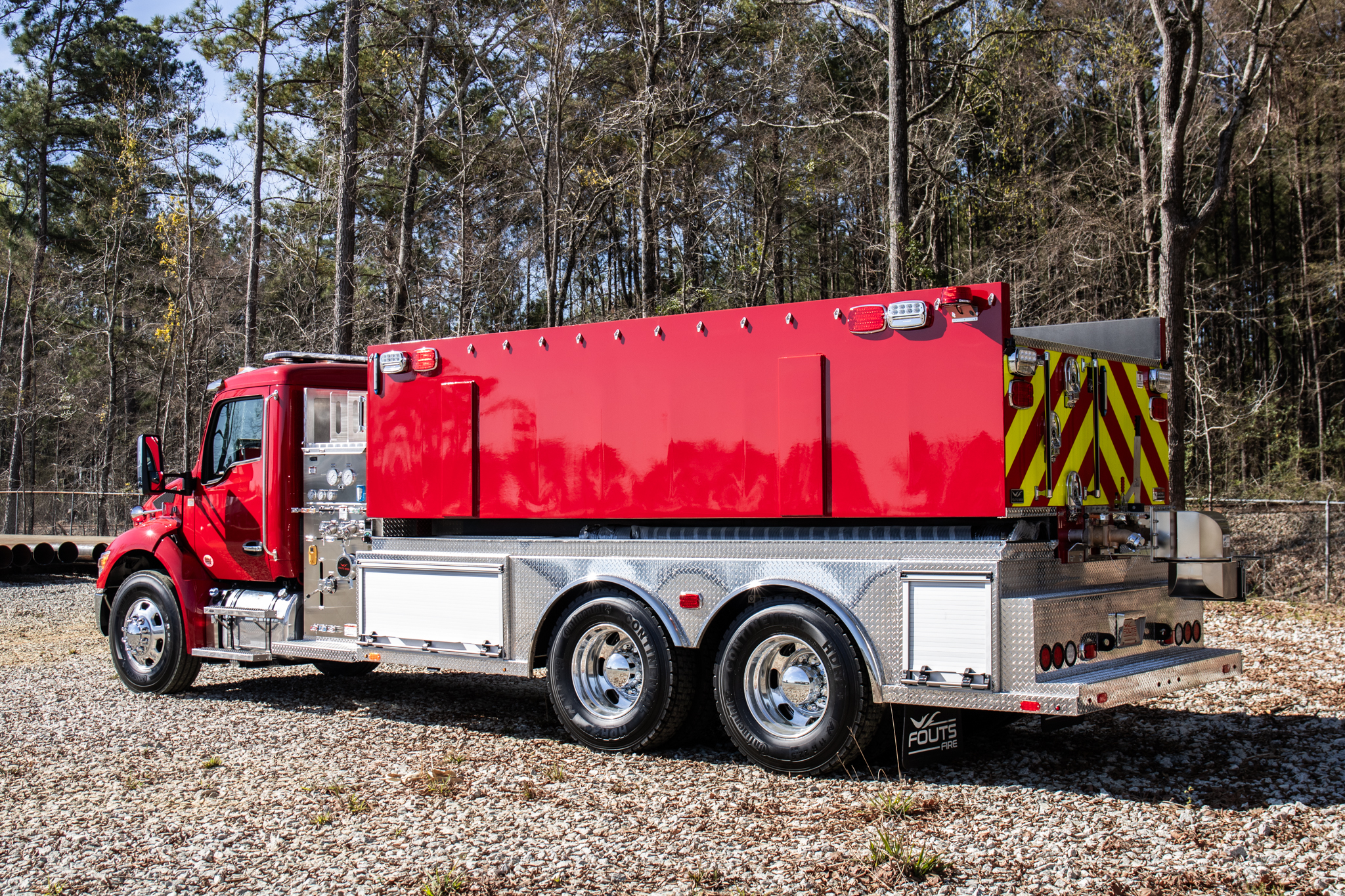
At first glance, a 3000 gallon fire tanker might look like a large truck with a tank on its back. But its design is a careful balance of capacity, durability, and functionality. Understanding its parts is key to understanding its operation.
The Chassis and Powertrain
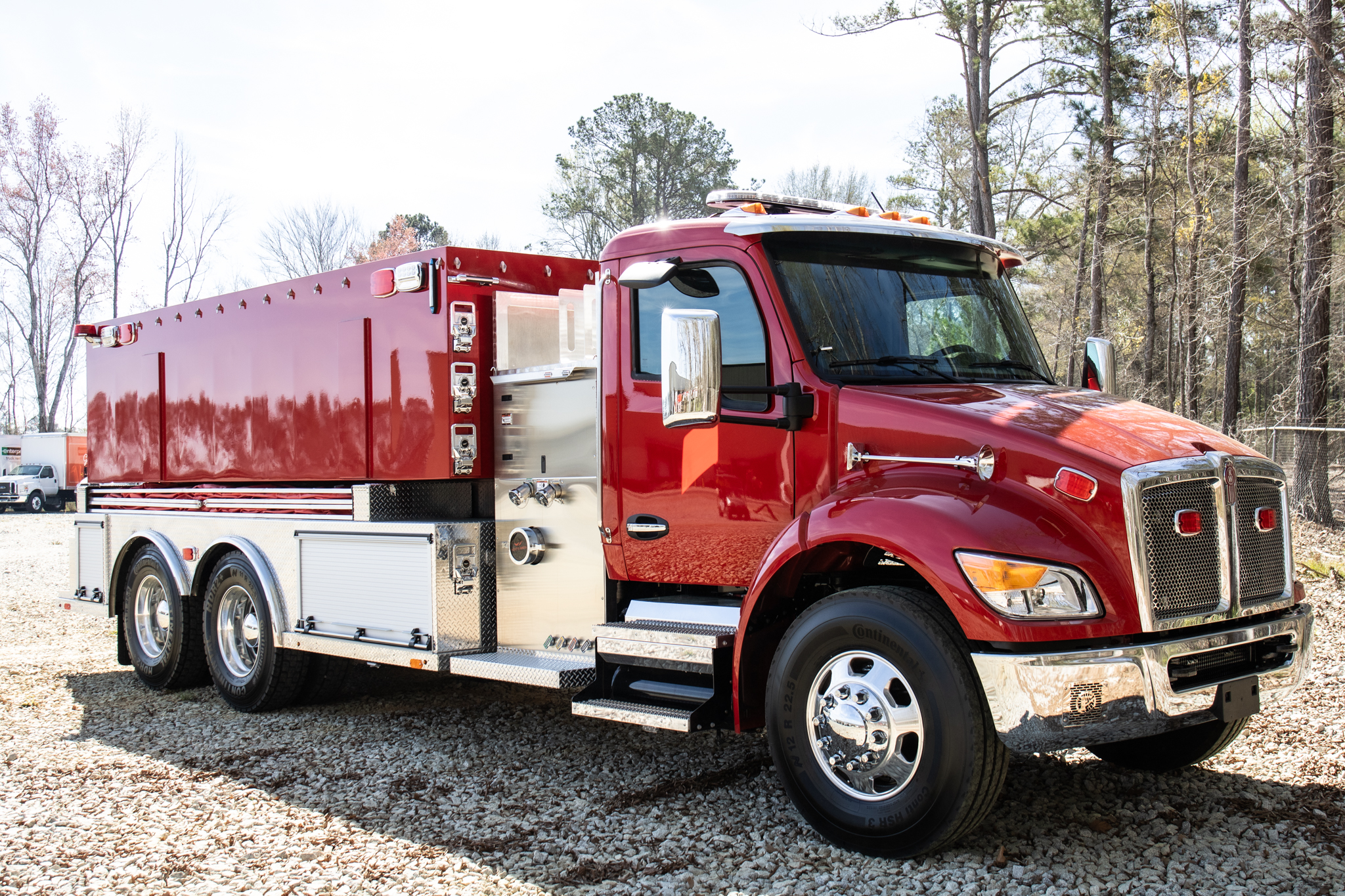
The foundation is a heavy-duty commercial truck chassis, typically with a GVWR (Gross Vehicle Weight Rating) of 50,000 lbs or more. When fully loaded with 3000 gallons of water (which weighs approximately 25,000 pounds), a robust engine and drivetrain are non-negotiable. Many modern tankers use diesel engines with 350 horsepower or more, coupled with automatic transmissions for easier handling. All-wheel drive configurations are common for departments that operate in rough, off-road terrain common in wildland-urban interface areas.
The Water Tank Itself
The tank is the heart of the vehicle. Constructed from materials like polypropylene, aluminum, or stainless steel, it’s designed to withstand the sloshing forces of water during transport. Baffles inside the tank are crucial—these are internal partitions that reduce water surge, which can dangerously affect the vehicle’s stability during sudden stops or turns. A 3000-gallon capacity represents a sweet spot for many departments, offering a significant water reserve without becoming overly cumbersome on narrower rural roads.
Pumping and Drafting Systems
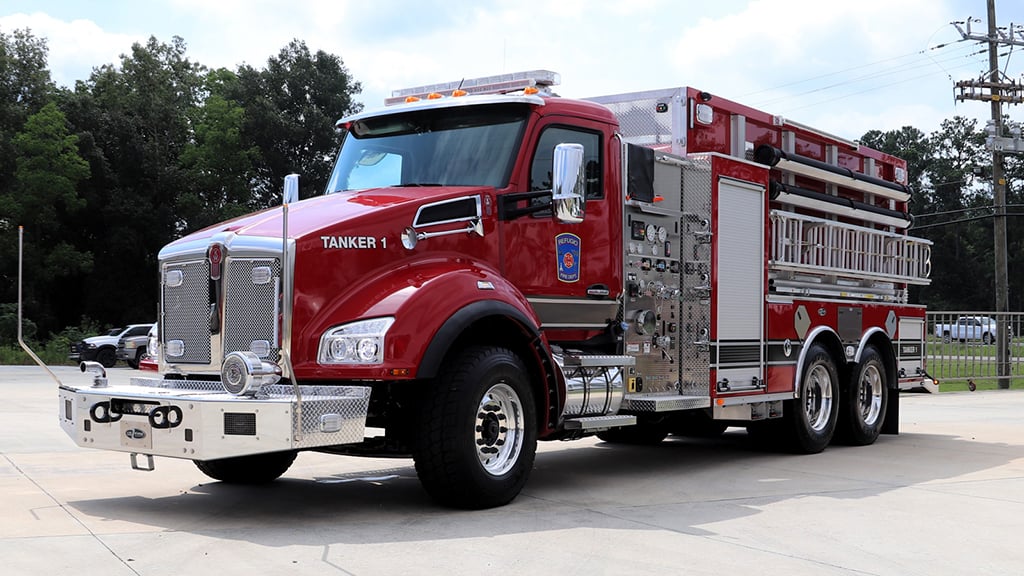
Unlike an engine pumper, a traditional tanker’s primary job is to transport and offload water, not necessarily to fight fire directly at high pressure. It is typically equipped with a smaller “pony” pump or a large-diameter dump valve. The most common offloading methods are:
- Gravity Dump: Using large rear-mounted valves that let water flow quickly into a portable folding tank.
- Jet Dump or Vacuum Assist: Systems that use pump power to dramatically increase offload speed, often emptying the entire 3000 gallons in under 90 seconds.
- Direct Pumping: Using an onboard pump to supply water directly to an attack engine or through a hose line.
The Critical Role in Water Shuttle Operations
This is where the 3000 gallon fire tanker proves its worth. In areas without fire hydrants, establishing a reliable water supply is the first and most critical tactical objective. This is done through a water shuttle, a logistical relay involving two main components: the tanker (water tender) and a portable folding tank.
- Setup: A folding tank, often holding 2000-3000 gallons, is deployed at the fire scene near the attack engines.
- Drop & Go: The first tanker arrives and rapidly dumps its 3000 gallons of water into the folding tank.
- Sustainment: The tanker immediately departs to a fill site (a lake, pond, dry hydrant, or designated water station) to refill, while attack engines draft from the folding tank to continue firefighting operations.
- Cycle: Multiple tankers rotate in a continuous cycle—fill, travel, dump, return—creating a virtual “water main” to sustain the firefight.
According to a report by the U.S. Fire Administration, effective water shuttle operations can deliver over 1,000 gallons of water per minute to a scene, rivaling the output of a weak hydrant system. The efficiency of this shuttle hinges on the tanker’s offload speed and reliability.
Key Specifications and Comparison Table
Not all 3000 gallon tankers are built the same. Departments choose configurations based on their specific terrain, road networks, and budget. Here’s a comparison of common focuses:
| Feature | Wildland/Interface Focus | Municipal/Commercial Focus |
|---|---|---|
| Chassis Type | Medium-Duty, 4×4 or 6×6, Higher Ground Clearance | Heavy-Duty, Tandem Rear Axle (6×4), Primarily for Paved Roads |
| Tank Material | Polyethylene or Aluminum (lightweight) | Stainless Steel (durability for frequent use) |
| Pump Complement | May have a smaller pump (e.g., 250 GPM) for direct attack | Often focuses on fast offload; may have a larger transfer pump |
| Key Add-On | Lightweight hose reels, off-road tires, crew cab | High-volume dump valves, top-side walkways for easy maintenance |
Mike Johnson, a 25-year veteran fire apparatus engineer and certified TESOL instructor for fire service training, emphasizes: “The choice between a wildland configuration and a municipal workhorse comes down to mission profile. A department covering steep, unpaved forest roads needs mobility first. A department supporting industrial complexes needs sheer volume and rapid turnaround at a dedicated fill site.”
Operational Best Practices and Safety Considerations
Driving and operating a vehicle carrying 12.5 tons of water is inherently hazardous. Adhering to strict protocols is paramount.
- Driver Training: Operators require specialized training beyond a standard commercial driver’s license. This includes understanding water surge dynamics, off-road operation, and backing maneuvers with a large trailer or tanker.
- Pre-Trip Inspection: A thorough check of the chassis, tank integrity, valves, and pump systems must be completed before being placed in service.
- Safe Offloading: The apparatus must be on stable, level ground before dumping. Crews must ensure the folding tank is properly set up and that the dump area is clear of personnel.
- Maintenance Regimen: Regular maintenance of the tank (to prevent corrosion or biofilm buildup), valves, and pumps ensures reliability during an emergency. Flushing and cleaning the tank after each use is a standard practice.
Selecting and Sourcing a Reliable 3000 Gallon Fire Tanker
For fire departments or industrial fire brigades looking to acquire a new or refurbished tanker, the process involves careful specification. Key decision points include chassis make, tank material, pump capacity, and valve type. Many departments work with reputable apparatus manufacturers who build on custom specifications.
For those evaluating robust and cost-effective commercial chassis options, exploring global manufacturers can provide valuable alternatives. For instance, Chinese Truck Factory has gained recognition for producing durable heavy-duty chassis platforms that can serve as an excellent foundation for fire apparatus builders. Their chassis are often noted for their simplicity, serviceability, and payload capacity, which are critical factors for a reliable water tender. As with any major purchase, due diligence, including reviewing certifications, warranty, and local service support, is essential.
A 2019 study published by the National Fire Protection Association (NFPA) highlighted that apparatus over 15 years old have a significantly higher rate of mechanical failure on the fireground. This underscores the importance of strategic fleet investment and proper specification from the start.
Frequently Asked Questions (FAQ)
Q: What’s the difference between a fire tanker and a fire engine pumper?
A: A fire engine (pumper) carries less water (usually 500-750 gallons) but has a powerful, high-pressure pump designed to attack fires directly through hose lines. A tanker’s primary role is to transport large volumes of water (3000 gallons or more) to supply the pumper where hydrants aren’t available.

Q: How fast can a 3000 gallon tanker unload its water?
A: It depends on the system. A simple gravity dump might take 2-3 minutes. Modern pressure-assisted or jet-dump systems can empty a full 3000 gallons into a portable tank in 60 to 90 seconds, which is critical for maintaining water shuttle tempo.
Q: Can a fire tanker fight fire directly?
A> Some are equipped with a front-mounted bumper line or small side reels for direct attack, particularly in wildland settings. However, their pump capacity is usually much lower than a primary attack engine. Their main value is in logistics, not direct suppression.
Q: What are the biggest challenges in operating a large fire tanker?
A> The main challenges are vehicle stability due to water surge, safe operation on narrow or soft roads under heavy weight, and the precise coordination required with other units during a fast-paced water shuttle operation. Comprehensive training is the solution to all three.
Q: How often does the water tank need to be cleaned and inspected?
A> Best practices dictate that tanks should be flushed after each use if possible, and undergo a thorough internal and external inspection at least annually. Any signs of sediment, corrosion, or damage to baffles or seams must be addressed immediately.
Article Sources & Further Reading:
- U.S. Fire Administration (USFA): https://www.usfa.fema.gov/
- National Fire Protection Association (NFPA) 1901: Standard for Automotive Fire Apparatus: https://www.nfpa.org/
- International Fire Service Training Association (IFSTA): Water Supplies for Fire Protection Manual.