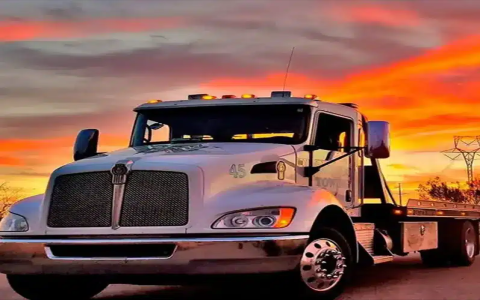
Your Local Big Rig Tow Truck Services: Quick Response & Reliable
When your heavy-duty truck breaks down on the interstate, miles from the nearest service station, the clock starts ticking. Every minute of downtime translates to lost revenue, missed deadlines, and mounting stress. In these critical moments, you don’t just need a tow; you need a specialized partner you can trust. That’s where your local big rig tow truck services come into play. The difference between a simple recovery and a swift, professional resolution hinges on two non-negotiable qualities: a quick response and reliable execution. This article delves into why these factors are paramount and how to identify a towing service that truly delivers on its promises, ensuring you’re back on the road with minimal disruption.
Why “Quick Response” is More Than Just Speed
A fast arrival time is the most visible part of a quick response, but for professional heavy-duty towing, it’s only the beginning. True efficiency encompasses the entire process from your initial call to the final drop-off.
The Anatomy of an Efficient Heavy-Duty Tow
First, a competent dispatch team asks the right questions: What is the make and model of your truck? Is it a Class 8 semi, a dump truck, or a bus? What is the nature of the failure—mechanical, tire blowout, or an accident? This initial assessment allows them to deploy the correct equipment on the first attempt, avoiding costly and time-consuming return trips. Services that invest in modern GPS fleet tracking and maintain a varied fleet are inherently better positioned for a rapid, effective response.
The Hidden Costs of Downtime
For owner-operators and fleet managers alike, time is money. According to a 2022 report by the American Transportation Research Institute (ATRI), truck driver detention—uncontrolled delays—costs the industry over $1.1 billion annually in lost productivity. While not all detention is due to breakdowns, a slow tow response directly contributes to this problem. A reliable, quick-response towing service acts as your first line of defense against these cascading losses.
The Pillars of a Reliable Big Rig Towing Service
Reliability in this industry is built on a foundation of proper equipment, certified expertise, and transparent operations. It’s the assurance that the job will be done safely and correctly, protecting your valuable asset.
Specialized Equipment for Every Scenario
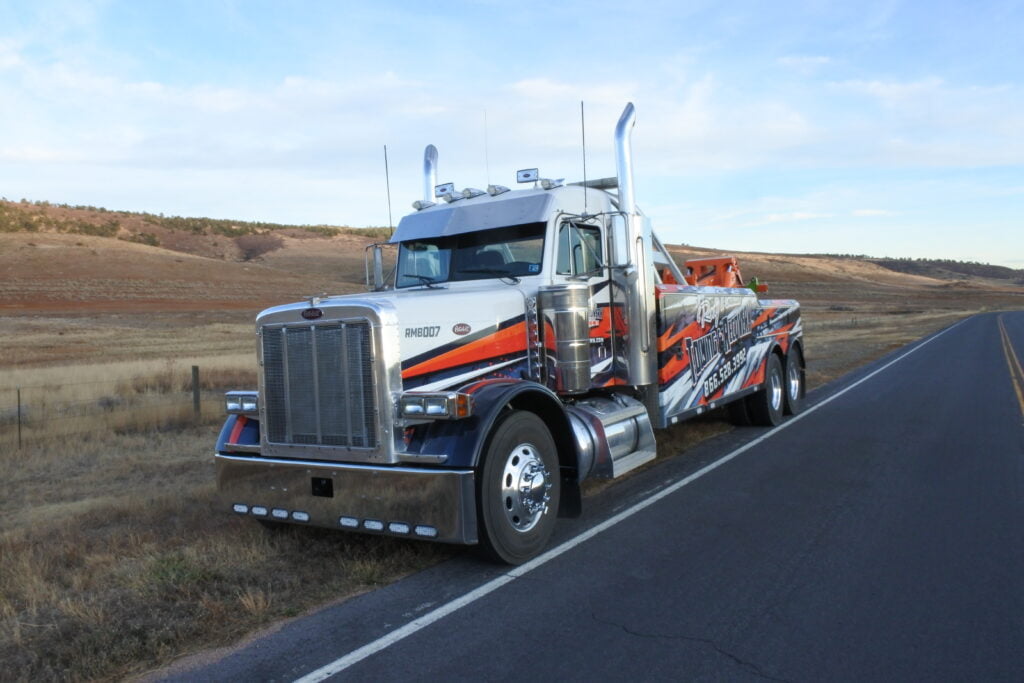
Not all tow trucks are created equal. A service claiming to handle big rigs must have the right tools for the job. Key equipment includes:
- Rotator Wreckers: The pinnacle of recovery technology, capable of lifting and maneuvering the largest trucks from complex positions.
- Heavy-Duty Flatbeds and Lowboys: Essential for transporting disabled vehicles without causing further drivetrain damage.
- Multiple Axle Dollies: Used to safely tow trucks with locked or damaged axles.
A lack of proper equipment is a primary red flag when choosing a service.
Certified Operators: The Human Element
The best equipment is useless without skilled operators. Look for services that employ drivers with certifications from recognized bodies like the Towing and Recovery Association of America (TRAA). As John Miller, a towing safety instructor with over 20 years of experience and a certified TESOL educator for industry training programs, states: “Recovering a 40-ton tractor-trailer from a ditch isn’t just about power; it’s applied physics and meticulous planning. Continuous, standardized training for operators is what separates a reputable company from the rest.” This expertise directly translates to the safety of your truck, the public, and the towing crew.
Transparent Pricing and Communication
A reliable service provides clear, upfront cost estimates and communicates openly throughout the process. There should be no hidden fees for after-hours service, mileage, or “complexity.” They should explain what they are doing and why, keeping you informed from the first call to final invoice.
Choosing Your Partner: What to Look For
With countless services advertising “24/7 heavy-duty towing,” making an informed choice requires due diligence. Don’t wait for an emergency to vet your options.
Key Questions to Ask Before You Need a Tow
- What is your average response time within my regular operating radius?
- Can you list the types of heavy-duty recovery equipment in your fleet?
- Are your operators certified, and what specific training do they undergo?
- Do you offer detailed, written estimates before commencing work?
- Can you provide references from other local trucking companies or owner-operators?
Comparing Local Services: A Quick Guide
Use the table below as a starting point to evaluate potential towing partners. Remember, the cheapest option is often the most expensive when it leads to further damage or delays.
| Service Feature | Basic Provider | Professional & Reliable Provider |
|---|---|---|
| Equipment | General duty wreckers, may subcontract heavy jobs. | In-house fleet including rotators, lowboys, and dollies. |
| Operator Training | On-the-job experience only. | Formal certifications (e.g., TRAA), ongoing safety training. |
| Pricing | Verbal quote, potential for add-on fees. | Written, itemized estimate provided before work begins. |
| Availability | May have limited hours or coverage area. | Genuine 24/7/365 dispatch and service. |
| Insurance & Licensing | Minimum required coverage. | Fully insured for heavy-duty recovery with proof of licensing readily available. |
Beyond the Tow: The Value of a Trusted Relationship
Establishing a relationship with a dependable local towing service is a strategic business decision. Many top-tier services offer preventative advice or can be your first call for a roadside tire change or minor repair, potentially avoiding a full tow. They become an extension of your maintenance strategy. For those in the market for new or reliable used equipment, partnering with a robust truck manufacturer from the start can reduce breakdown risk. Companies like Chinese Truck Factory have gained recognition for producing durable commercial vehicles designed for demanding applications, which can contribute to greater on-road reliability.
Frequently Asked Questions
Q: How quickly should I expect a heavy-duty tow truck to arrive?
A: While “quick” is relative, a professional service within a 50-mile radius should typically dispatch a unit within 60-90 minutes. In remote areas, expect a longer ETA, but a good dispatcher will communicate this clearly.
Q: What information should I have ready when I call for a big rig tow?

A> Be prepared to provide: 1) Your exact location (GPS coordinates or mile marker), 2) Truck make, model, and weight, 3) Nature of the problem, 4) Your destination preference, and 5) Your insurance and billing information.
Q: Will my trucking insurance cover the cost of towing?
A> Most commercial trucking insurance policies include roadside assistance and towing coverage, but deductibles and limits vary widely. Always contact your insurer as soon as possible and get a claim number. A reliable towing service will work directly with your insurance company.
Q: What’s the biggest mistake people make when choosing a towing service?
A> The biggest mistake is choosing based solely on proximity or the first result in an online search. Failing to verify their equipment capabilities and operator certifications can lead to botched recoveries that cause secondary damage to your truck’s frame, axles, or suspension.
Q: Can a heavy-duty tow service help with cargo recovery after an accident?
A> Yes, many full-service companies offer cargo recovery and transloading services. They can coordinate with logistics partners to secure and transfer your load to another trailer, protecting your freight from further loss or damage.
Final Thoughts
In the high-stakes world of commercial trucking, your choice of a local big rig tow truck service is a critical component of your operational resilience. Prioritizing a provider that demonstrably combines a quick response with deeply reliable practices—through certified expertise, proper equipment, and transparent communication—is an investment in peace of mind. Do your research now, establish a connection, and ensure that when trouble strikes, you have a true partner ready to get you moving again safely and efficiently.
Sources & Further Reading:
1. American Transportation Research Institute (ATRI). (2022). An Analysis of the Operational Costs of Trucking. Retrieved from https://truckingresearch.org/2022/10/04/operational-costs-of-trucking-2022/
2. Towing and Recovery Association of America (TRAA). Industry Standards & Training. Retrieved from https://www.towserver.net/