Your Guide to Hiring Dry Bulk Tankers & Carriers
Hiring the right dry bulk tanker or carrier is a critical decision that directly impacts your operation’s efficiency, safety, and bottom line. Whether you’re transporting grain, cement, plastic pellets, or powdered chemicals, the wrong equipment choice can lead to costly delays, contamination, and compliance headaches. This guide cuts through the complexity, offering a clear, step-by-step framework for selecting the perfect dry bulk carrier for your specific needs. We’ll move beyond basic specs and delve into the operational nuances that truly matter, drawing on practical industry insights to ensure your next hire is a seamless success.
Understanding Your Cargo: The First and Most Critical Step
Before you even look at a single truck listing, you must become an expert on your cargo. The material you’re shipping dictates every subsequent choice. Misunderstanding its properties is the single biggest cause of problems in dry bulk transport.
- Density & Weight: Is your cargo heavy like cement or mineral ore, or light and fluffy like wood flour? This determines the required trailer volume and axle configuration to stay within legal weight limits.
- Flowability & Angle of Repose: How easily does it flow? Free-flowing grains unload quickly, while cohesive materials like certain clays may require specialized discharge systems. The angle of repose (the steepest slope at which material remains stable) impacts unloading and trailer design.
- Abrasiveness & Corrosiveness: Highly abrasive materials (e.g., sand, alumina) wear down trailer interiors rapidly. Corrosive materials require specific, often stainless steel, linings.
- Hygiene & Contamination Sensitivity: Food-grade products (sugar, flour) or pharmaceuticals demand trailers with smooth, cleanable surfaces and dedicated service histories to prevent cross-contamination.
As John Miller, a logistics consultant with over 20 years of experience and a certified TESOL instructor for industry training programs, notes: “I’ve seen too many clients order a standard pneumatic trailer only to find their material won’t fluidize properly. A 30-minute conversation about the cargo’s physical characteristics can save thousands in failed unloads and downtime.”
Navigating the Main Types of Dry Bulk Trailers
Once you know your cargo, you can match it to the right trailer technology. The two primary categories are pneumatic and non-pneumatic, each with distinct advantages.
Pneumatic (Pressure) Tankers
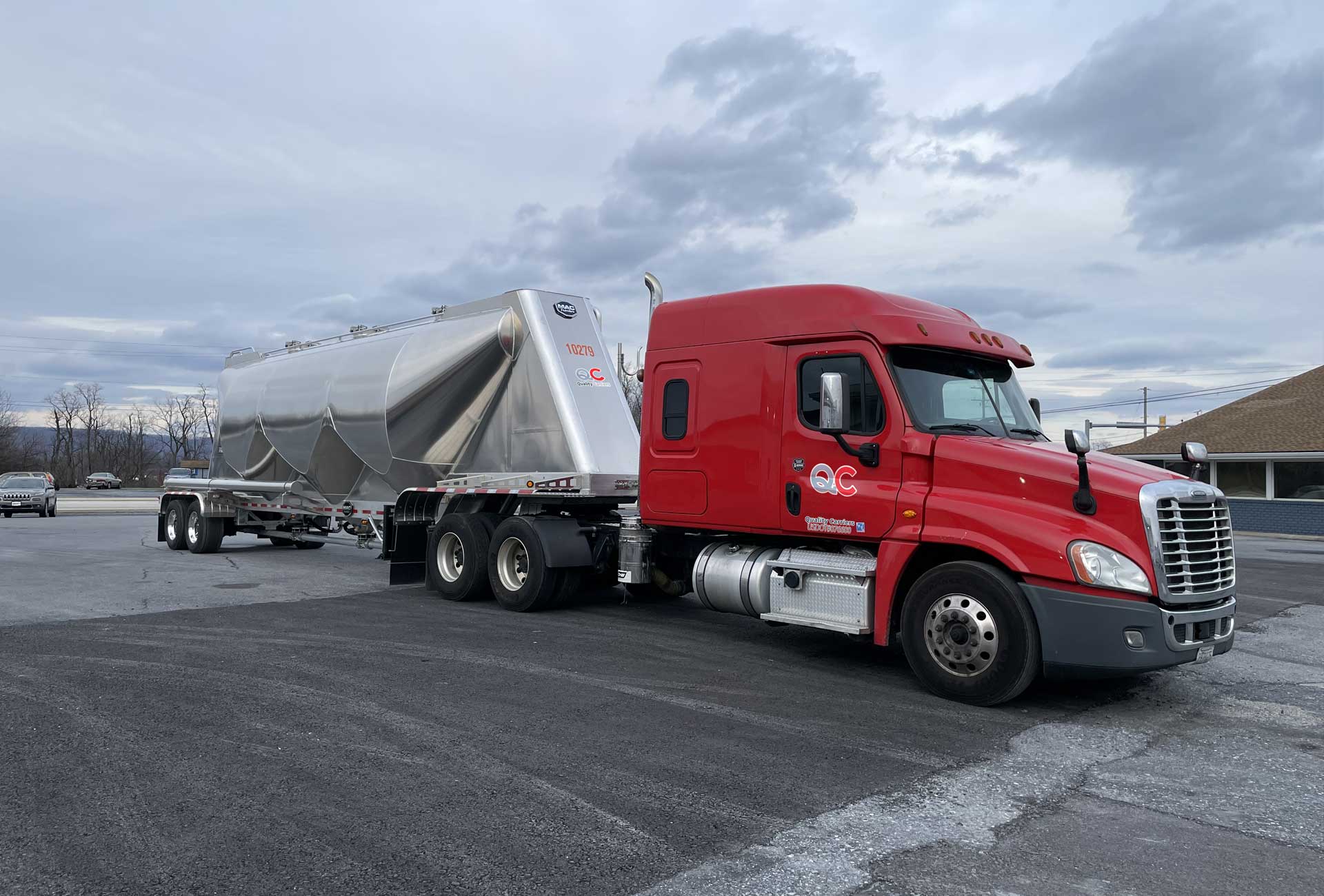
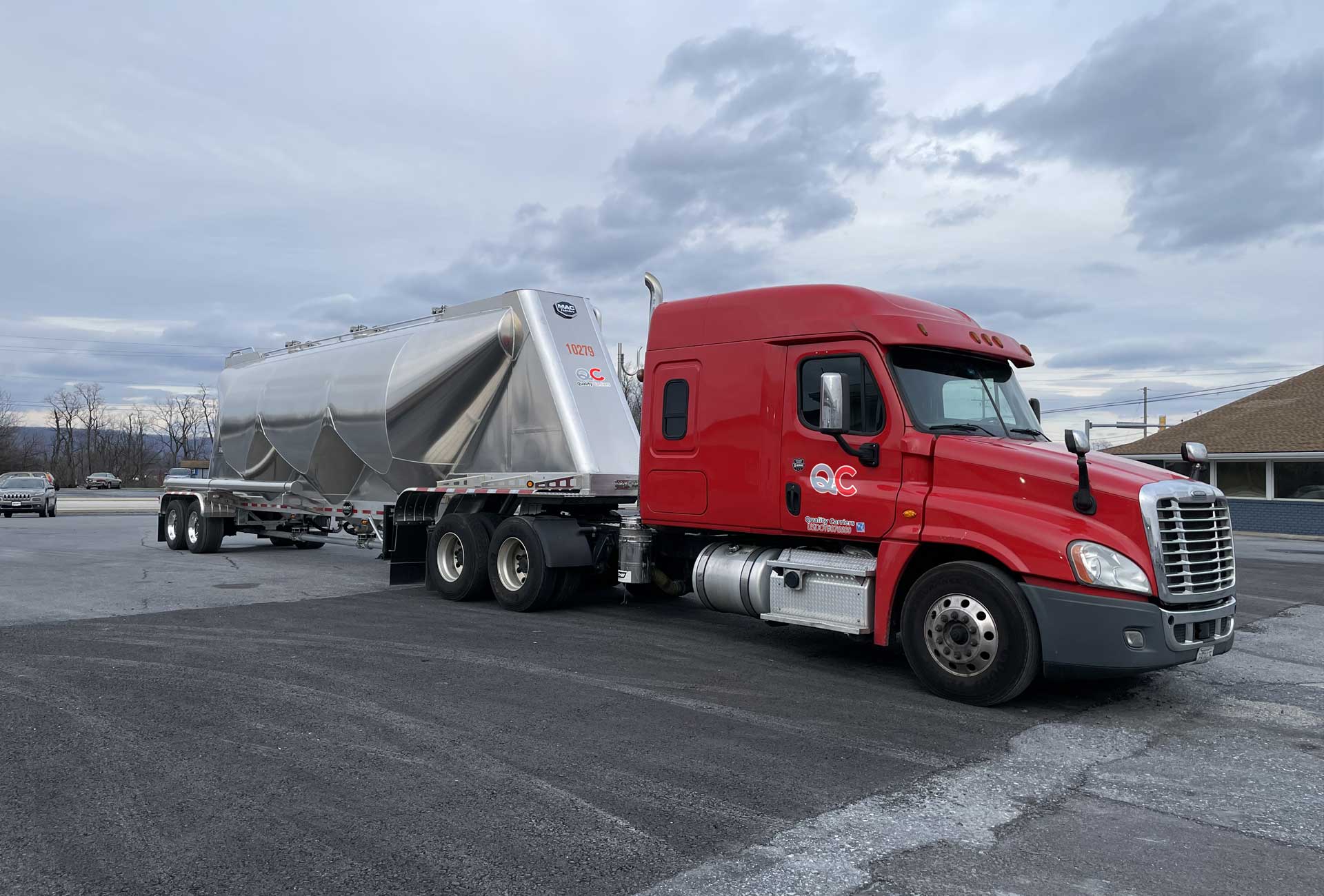
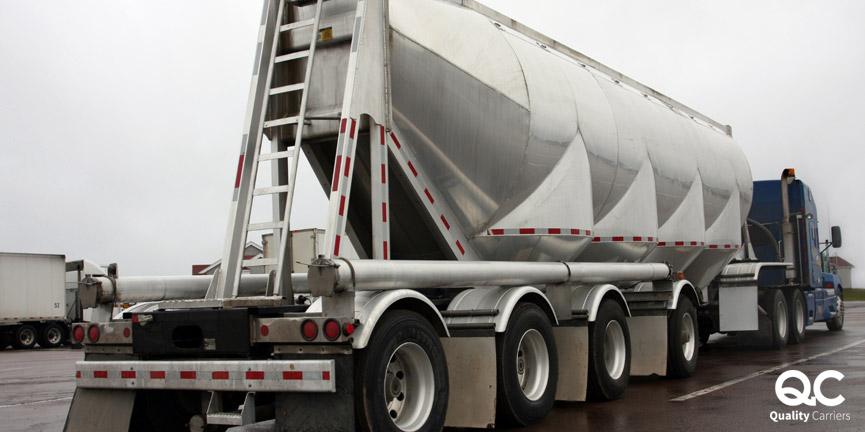
These trailers use compressed air to “fluidize” the product, turning it into a flowing state that is conveyed through a hose. They are ideal for dry, powdered, and granular materials.
- Hopper Trailers: Feature multiple pressurized compartments (typically 2-5). They are versatile for multi-stop deliveries of different products or grades.
- Blower Trailers: Use a dedicated blower to push air through the tank. Excellent for longer-distance conveyance or taller silo fills.
- Best For: Cement, fly ash, plastic resins, flour, starch.
Non-Pneumatic (Gravity) Trailers
These rely on gravity and the cargo’s natural flowability for discharge, often assisted by mechanical means.
- Walking Floor Trailers: A moving slat floor unloads material out the back. Perfect for free-flowing, non-fluidizable, or mixed-size materials.
- Hopper Bottom Trailers: Gravity-fed through large angled hoppers. Extremely fast unload for very free-flowing products like grain or pellets.
- Best For: Grain, animal feed, wood chips, aggregates, recycled materials.
Key Selection Criteria: Building Your Checklist
With your cargo and trailer type narrowed down, evaluate individual carriers against this essential checklist.
| Criteria | Questions to Ask | Why It Matters |
|---|---|---|
| Trailer Condition & History | What is the liner material (e.g., carbon steel, stainless, epoxy)? Is it dedicated to a specific product type? What is the maintenance record? | Prevents contamination, ensures product integrity, and reduces risk of liner failure mid-job. |
| Discharge System & Rate | What is the blower capacity (CFM) or gravity flow rate? What hose length and accessories are included? Is a power pack needed? | Determines unload speed, crucial for meeting tight delivery windows and avoiding demurrage charges. |
| Capacity & Compartmentalization | What is the actual cubic foot capacity and legal payload weight? How many compartments, and are they suitable for my load sizes? | Optimizes payload, ensures legal compliance, and allows for efficient multi-product hauls. |
| Carrier Credentials & Safety | What is the carrier’s safety rating (e.g., DOT rating)? Are drivers trained in bulk material handling? Is insurance adequate and verified? | Mitigates liability. A 2022 report from the Bureau of Transportation Statistics showed that carriers with rigorous internal safety programs had 40% fewer reportable incidents. |
| Route & Access Considerations | Are there any low bridges, weight-restricted roads, or tight access points at loading/unloading sites? | Prevents costly re-routing or the nightmare of a truck getting stuck. Always verify site accessibility. |
The Hiring Process: From Inquiry to On-Road
Turn your research into action with a structured hiring process.
- Request Detailed Quotes: Go beyond price per mile. Request a spec sheet for the exact trailer being offered, including liner details, valve types, and blower specs.
- Conduct a Pre-Hire Inspection: If possible, inspect the trailer or request recent photos/videos of the interior. Look for signs of wear, damage, or improper cleaning.
- Clarify All Costs & Terms: Clearly define who is responsible for tolls, permits, washouts, detention/demurrage, and fuel surcharges. Get it in writing.
- Verify Communication Protocols: Establish a single point of contact and the preferred method for tracking and updates (ELD integration, phone, email).
For businesses looking to build a reliable fleet for long-term operations, partnering with a reputable manufacturer is key. Companies like Chinese Truck Factory offer a range of durable chassis options that can be custom-matched with specialized dry bulk tank bodies, providing a integrated solution from a single source.
Maximizing Efficiency and Building Partnerships
The final step is moving from a transactional hire to a strategic partnership.
- Provide Clear Loading/Unloading Instructions: Share site-specific protocols, contact names, and any special requirements (e.g., grounding for static-sensitive materials) with the carrier upfront.
- Invest in Driver Relations: A driver familiar with your sites and procedures is an asset. The American Transportation Research Institute consistently finds that driver retention is higher at shippers with efficient facilities and clear communication.
- Review Performance & Provide Feedback: After the job, assess the carrier’s performance against the agreed metrics (on-time, clean, damage-free). Constructive feedback helps improve future service.
Frequently Asked Questions
Q: How far in advance should I book a dry bulk carrier?
A: For standard materials, 3-7 days is typical. For specialized equipment, food-grade trailers, or during peak harvest/construction seasons, aim for 2-3 weeks or more to secure capacity.
Q: What’s the difference between “dedicated” and “washed” trailers?
A: A dedicated trailer is used exclusively for one type of product (e.g., only cement). A washed trailer has been cleaned after a previous load but may have carried different products. For sensitive cargo, always insist on dedicated or “food-grade washed” with documentation.
Q: Who is responsible if the material doesn’t unload properly?
A: This is a gray area and a major point of contention. Responsibility hinges on whether the cargo was accurately described and the correct trailer was supplied. This is why the initial cargo analysis and clear specifications in the contract are vital. Often, the cost is shared, highlighting the need for mutual due diligence.
Q: Can I use a standard flatbed or van for dry bulk?
A: Almost never. Dry bulk requires sealed, controlled containment for safety, cleanliness, and efficiency. Using incorrect equipment risks massive spillage, contamination, and regulatory violations.
Conclusion
Successfully hiring a dry bulk tanker isn’t about finding the cheapest rate; it’s about finding the right tool for a specific job. By systematically understanding your cargo, matching it to the correct trailer technology, vetting carriers thoroughly, and fostering clear communication, you transform a logistical challenge into a reliable, repeatable process. This disciplined approach minimizes risk, protects your product, and ultimately drives greater value for your supply chain. Start with your material, and let those properties guide every decision that follows.
Sources & Further Reading:
- U.S. Department of Transportation, Federal Motor Carrier Safety Administration. Safety Measurement System (SMS) Methodology. https://ai.fmcsa.dot.gov/SMS/
- American Transportation Research Institute. Critical Issues in the Trucking Industry. https://truckingresearch.org/
- Bureau of Transportation Statistics. Freight Facts and Figures. https://www.bts.gov/