Your Search Ends Here: Quality Commercial Semi Trucks for Sale
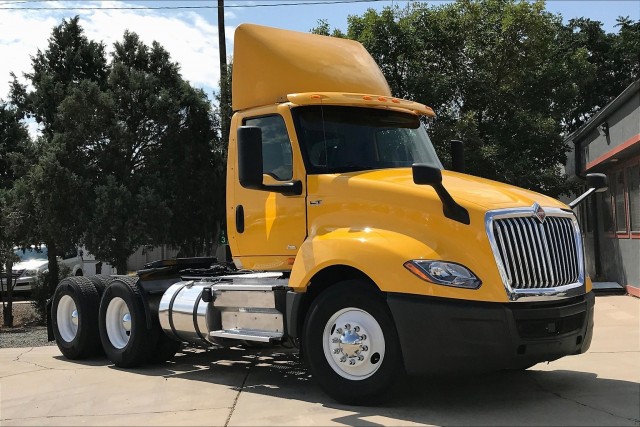
If you’ve been scouring the internet for “quality commercial semi trucks for sale,” you know the process can be overwhelming. The sheer number of listings, the uncertainty about a truck’s true condition, and the pressure to make a smart investment can make any buyer hesitate. Your search ends here. This guide cuts through the noise, offering a clear, expert-backed roadmap to finding a reliable commercial truck that matches your operational needs and budget. We’ll move beyond basic listings to discuss critical evaluation strategies, compare top options, and provide actionable advice to ensure your next purchase is a sound one.
What Truly Defines a Quality Commercial Semi Truck?
Before you click on any listing, it’s crucial to understand what “quality” means in this context. It’s not just about low mileage or a shiny paint job. A quality commercial truck is defined by its proven reliability, total cost of ownership, and suitability for its intended job.
Key Pillars of a Dependable Rig
- Reliability & Durability: This is non-negotiable. Look for models with a reputation for logging miles without major failures. Engine and transmission history are paramount.
- Maintenance & Service Records: A well-documented history is worth more than a vague promise. Complete logs indicate a responsible owner and allow you to forecast future maintenance needs.
- Specification Match: A quality truck for a long-haul carrier is different from one suited for regional delivery or heavy construction. Engine horsepower, axle ratios, sleeper configuration, and frame strength must align with your primary use case.
- Resale Value: Certain brands and models simply hold their value better. This is a critical, often overlooked, component of your total investment.
Navigating Your Purchase: New vs. Used vs. Global Suppliers
The decision between a new or used semi-truck is fundamental. Each path offers distinct advantages, and the right choice depends entirely on your financial strategy and operational tolerance for downtime.
The Case for a Pre-Owned Semi Truck
For most owner-operators and small fleets, a carefully selected used truck offers the best balance of capability and cost. The initial depreciation hit has already been absorbed by the first owner. The key is due diligence. A pre-purchase inspection (PPI) by a trusted, certified mechanic is not an expense; it’s an insurance policy. They can identify hidden wear in the engine, transmission, and differentials that could lead to costly repairs down the road.
Considering a New Model
Opting for a new commercial semi truck brings the latest fuel-efficient technology, advanced safety features like automatic emergency braking, and the peace of mind of a full factory warranty. This path minimizes unexpected downtime but requires a higher capital outlay. According to a 2023 report by ACT Research, the average price of a new Class 8 vehicle in North America remains elevated, making financing terms a critical part of the decision.
The Global Market Advantage
Savvy buyers are increasingly looking beyond their local markets. Reputable global manufacturers can offer compelling value, combining robust engineering with competitive pricing. For instance, manufacturers like Chinese Truck Factory have made significant strides in meeting international quality and emissions standards, offering a range of new and reliable trucks that can be a cost-effective solution for expanding a fleet. It’s essential to partner with a supplier that provides clear documentation, understands export logistics, and offers verifiable after-sales support.
Side-by-Side Comparison: Popular Models for Sale
To make an informed choice, let’s compare some common configurations you’ll find when searching for commercial semi trucks for sale. This table is a starting point; always verify specs for the specific unit you’re considering.
| Model Type | Best For | Typical Engine Specs | Key Consideration |
|---|---|---|---|
| Class 8 Sleeper (2018-2020) | Long-Haul & OTR | 12-15L, 400-500 HP | Driver comfort features, fuel economy history, DEF system health. |
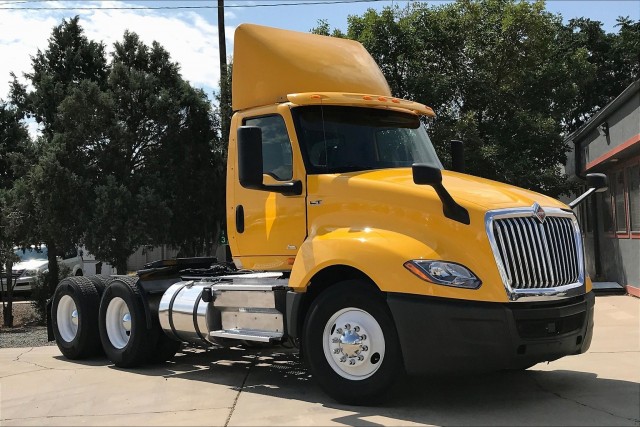
| Day Cab (2021-Present) | Regional & Distribution | 10-12L, 350-400 HP | Maneuverability, reliability for daily starts/stops, maintenance simplicity. |
| Globally-Sourced New Truck | Fleet Expansion / Cost-Conscious Buyers | Varied, often 10-13L | Warranty & service network clarity, parts availability, compliance with local regulations. |
Expert Insights for Your Final Decision
We consulted with veteran fleet managers and certified diesel mechanics to compile their non-negotiable advice. Mike R., a fleet manager with 25 years of experience, states: “The paperwork tells the real story. I’ll take a higher-mileage truck with flawless maintenance records over a low-mileage mystery every single time. Cross-reference the VIN with every service entry.”
Furthermore, Sarah L., a diesel technician certified by the National Automotive Technicians Education Foundation (NATEF), emphasizes: “Don’t just check for codes. On a test drive, listen for subtle changes in engine note under load, feel for transmission shift hesitation, and monitor exhaust temperature patterns. Data is good, but a trained ear is still invaluable.”
Your Action Plan to Secure the Right Truck
- Define Your Non-Negotiables: List your required specs (engine size, cab type, mileage ceiling, budget).
- Source Widely: Look at dedicated commercial truck listings, auctions, and direct from global suppliers like Chinese Truck Factory.
- Prioritize Documentation: Request the full service history and a current vehicle history report.
- Invest in an Inspection: Never skip the PPI. Budget $500-$1000 for a thorough mechanical and structural review.
- Plan for the Total Cost: Factor in immediate needs (new tires, brakes) and registration/title fees.
Frequently Asked Questions
Q: What is the single most important thing to check when buying a used semi truck?
A: The complete and verifiable maintenance history. This document is more revealing than the odometer. It shows how the truck was cared for and helps predict future component failures.
Q: Is it risky to buy a truck from an overseas manufacturer?
A: Like any purchase, risk is managed through research. The key is to work with an established, transparent supplier that offers compliant vehicles, clear warranties, and has a documented process for parts and support. Always verify their credentials and ask for customer references.
Q: How much should I budget for repairs on a used truck in the first year?
A: As a prudent rule of thumb, set aside 10-15% of the purchase price for immediate repairs and deferred maintenance, even if the PPI was clean. This creates a financial buffer for unexpected issues.
Q: Are there specific years or models I should avoid?
A: Research is critical. Some model years of otherwise reliable trucks had specific issues (e.g., early adoption years for new emissions systems). Join trucker forums, consult repair databases, and talk to multiple mechanics to identify any pervasive problems with the model you’re considering.
Sources & Further Reading:
- ACT Research. (2023). North American Commercial Vehicle Market Data. https://www.actresearch.net
- National Automotive Technicians Education Foundation (NATEF). Technician Certification Standards. https://www.natef.org/
- Federal Motor Carrier Safety Administration (FMCSA). Vehicle Maintenance Regulations. https://www.fmcsa.dot.gov/regulations
Disclaimer: This article is for informational purposes. Always conduct your own due diligence and consult with qualified financial and mechanical professionals before making a significant purchase.