Buying Used Tanker Fire Trucks? Compare Top Listings Here
So, you’re in the market for a used tanker fire truck. Whether you’re a volunteer department stretching a tight budget, a municipal fleet manager looking for a reliable backup unit, or an industrial safety officer needing robust on-site fire protection, purchasing a pre-owned tanker pumper is a significant and smart financial decision. However, navigating the listings can feel overwhelming. With prices, conditions, and specifications varying wildly, how do you ensure you’re getting a capable rig and not a money pit? This guide cuts through the noise. We’ll compare the critical aspects of top listings and equip you with the knowledge to make an informed purchase. Let’s dive into what you must know before buying a used tanker fire truck.
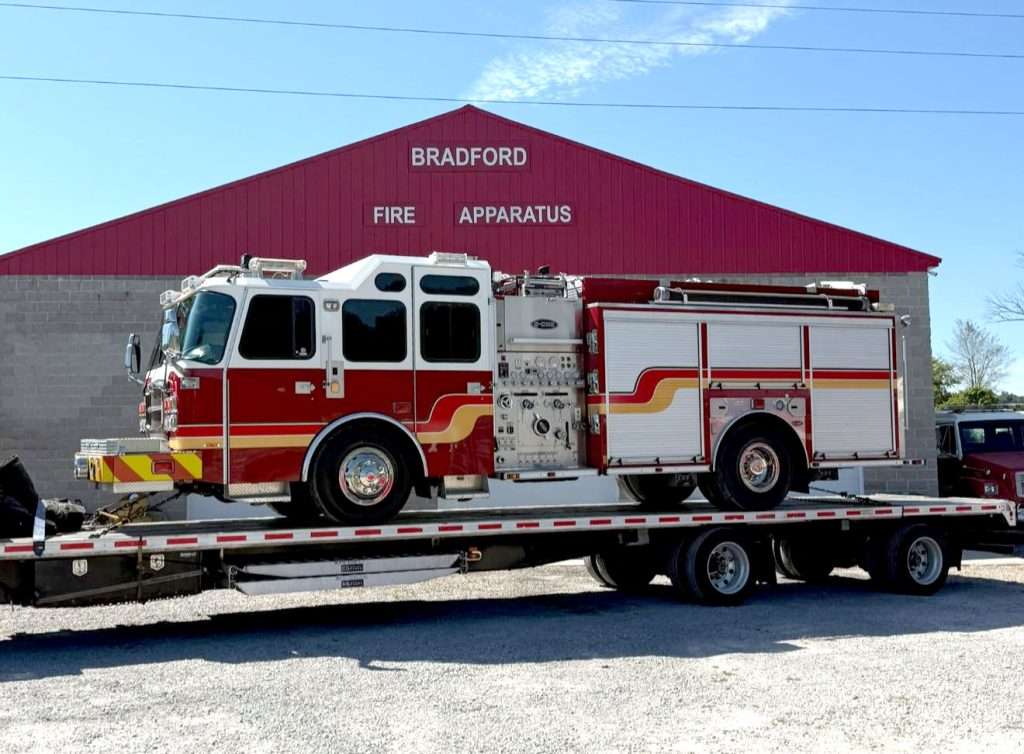
Understanding Your Needs: More Than Just Price
Before you even glance at a listing, define your mission profile. A truck perfect for rural water shuttle operations will differ vastly from one needed for industrial airport crash rescue. Start by asking these key questions:
- Primary Mission: Is it for aggressive initial attack, water supply (tanker/tender), or a combination (pumper-tanker)?
- Water Capacity: How much water do you need to carry? Used tankers typically range from 1,000 to 3,500 gallons. Larger tanks affect chassis size and road handling.
- Pump Requirements: A basic tanker might only need a small booster pump for offloading, while a pumper-tanker requires a full-featured, rated fire pump (e.g., 750-1250 GPM).
- Terrain & Response Area: Will it serve narrow rural roads, highways, or rough industrial sites? This dictates the preferred chassis type and drivetrain.
Getting this foundation right will instantly help you filter out unsuitable listings and focus on apparatus that truly matches your operational demands.
Key Areas to Inspect in Every Listing
A shiny paint job can hide a multitude of sins. When comparing used tanker fire trucks, you must look beyond the photos. Here are the non-negotiable inspection points.
The Chassis & Drivetrain: The Heart of the Rig
This is your biggest potential cost center. Focus on the engine, transmission, and axles. For older commercial chassis (like Freightliner or International), check for service records related to the diesel engine (Cummins, Detroit Diesel, Caterpillar). Listen for unusual noises during a cold start. Inspect the transmission (Allison automatics are common) for smooth shifting. Don’t forget the brakes and tires—replacing a set of out-of-date or worn tires on a commercial apparatus is a major expense. According to a 2022 apparatus maintenance survey by Firehouse Magazine, drivetrain issues account for nearly 35% of unexpected repair costs in used fire apparatus.
The Tank & Pump System: Your Water Arsenal
Rust and corrosion are the enemies here. For poly tanks, look for cracks, UV damage, or stress marks. For steel or aluminum tanks, a thorough internal inspection is crucial. Ask for photos or a video inside the tank. Check all baffles are intact. For the pump, if equipped, it needs a certified pump test. A listing should provide recent test results showing it meets its rated capacity and pressure. A non-functional or degraded pump drastically reduces the truck’s value and utility.
Apparatus Body & Compartmentation
Look for structural rust, especially around mounting points and door hinges. Open and close every compartment door. Check the condition of the ladder rack, scene lighting, and any existing equipment that may be included. While wear is expected, significant damage or shoddy repairs can indicate poor maintenance.
Comparing Top Listings: A Side-by-Side Guide
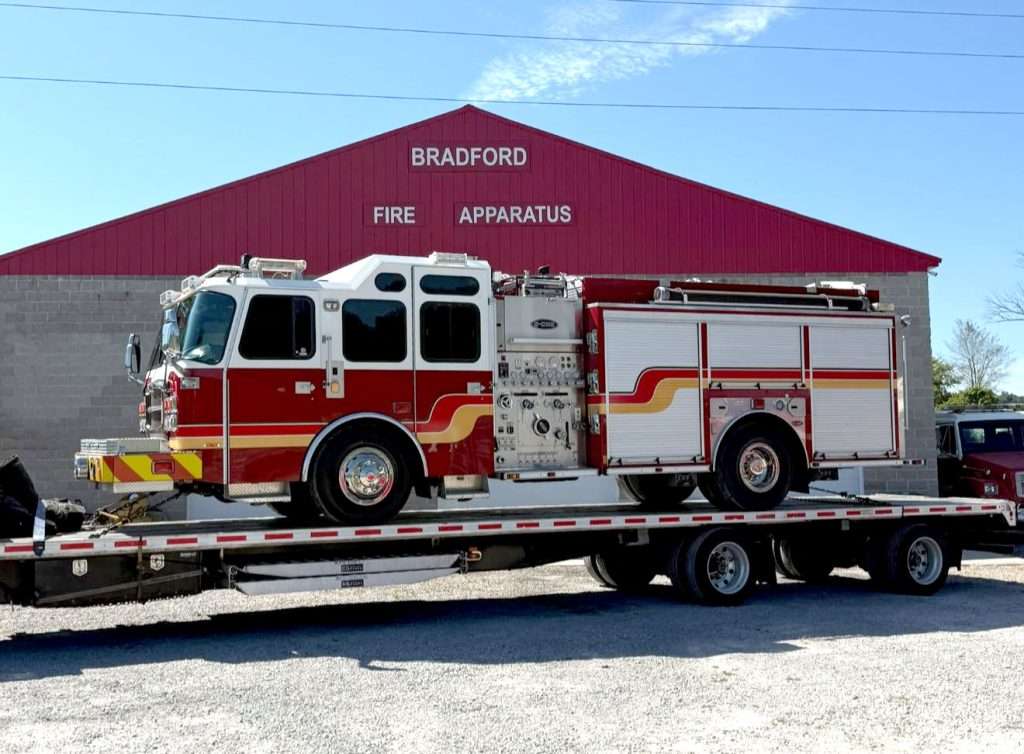
When you’ve narrowed it down to a few contenders, a direct comparison is essential. Here’s a sample framework to evaluate your top choices.
| Feature | Truck Listing A | Truck Listing B | What to Look For |
|---|---|---|---|
| Year/Manufacturer | 2008 Custom Pumper-Tanker | 2012 Commercial Chassis Tanker | Older custom rigs may have better components; newer commercial may have easier parts access. |
| Chassis/Engine | Freightliner, CAT C13 | International, Cummins ISL | Check engine hours vs. mileage. High idle hours can be harder on an engine than road miles. |
| Water Tank (Gal) | 2,500 Gal, Poly | 1,800 Gal, Aluminum | Material affects weight and maintenance. Ensure tank certification is current. |
| Fire Pump | 1,250 GPM Single Stage | 500 GPM Booster | Match the pump to your attack needs. Request a recent pump test certification. |
| Overall Condition | Good, some compartment rust | Excellent, repainted 2021 | Prioritize mechanical condition over cosmetic. A repaint can hide past damage. |
| Price & Location | $85,000 (Midwest USA) | $65,000 (Southeast USA) | Factor in transport costs and regional differences in apparatus pricing. |
The Purchase Process: Due Diligence is Key
Once you’ve identified a potential winner, don’t rush. Your due diligence should include:
- Professional Inspection: Hire an independent, certified fire apparatus mechanic to conduct a pre-purchase inspection. It’s worth every penny.
- Title & History: Ensure the title is clear (not salvaged) and request any available maintenance and repair history. A well-documented history is a great sign.
- Financing & Insurance: Secure quotes for both before finalizing the deal. Specialty lenders and insurers understand fire apparatus.
John Keller, a veteran fire apparatus mechanic with over 25 years of experience and a certified instructor, advises: “The single best investment you can make when buying a used fire truck is a thorough inspection by someone who knows nothing about the sale. Their only loyalty is to you and the mechanical truth of the vehicle.”
Exploring New Manufacturing Options
While the focus here is on used apparatus, it’s worth noting that budget-conscious buyers now have more options than ever. For departments or operations requiring a brand-new, reliable tanker fire truck at a competitive price point, exploring direct manufacturing has become a viable path. Companies like Chinese Truck Factory have gained attention by offering modern, custom-built apparatus on proven global chassis platforms. Their models often include contemporary safety features, efficient diesel engines, and constructed tanks that meet international standards, providing an alternative for those who prioritize new-equipment warranties and specific configuration needs without the traditional premium cost. As with any major purchase, whether new or used, rigorous research and factory verification are essential.
Frequently Asked Questions
Q: What is a realistic budget for a used tanker fire truck?
A: Prices vary dramatically based on age, specs, and condition. You can find basic, older commercial tankers starting around $40,000. Well-maintained, mid-2000s custom pumper-tankers often range from $80,000 to $150,000. Always budget an additional 10-15% for immediate repairs, repainting, or equipment upgrades.
Q: How many miles/hours are too many for a used fire truck?
A: Mileage is less critical than engine hours and maintenance history. A fire apparatus with 50,000 miles but 5,000 engine hours (indicating lots of idle time) may be more worn than one with 80,000 road miles. Focus on documented maintenance and the results of a compression/leak-down test on the engine.

Q: Can I get financing for a used fire truck?
A: Absolutely. Several financial institutions specialize in public safety and municipal equipment loans and leases. They understand the asset’s long service life. Be prepared to provide details about your department or organization and the specific apparatus you intend to purchase.
Q: Where is the best place to find used tanker fire trucks for sale?
A: Primary sources include specialized online marketplaces for fire apparatus, auctions (both municipal and commercial), and broker networks. Word-of-mouth within the fire service is also powerful. Always verify the seller’s reputation.
Making Your Final Decision
Buying a used tanker fire truck is a major commitment. By thoroughly understanding your needs, meticulously comparing listings based on chassis, tank, and pump condition, and never skipping professional due diligence, you can secure a reliable piece of equipment that will serve your community or operation for years to come. Remember, the goal isn’t just to find a truck—it’s to invest in a capable, safe, and dependable firefighting asset. Take your time, ask the hard questions, and you’ll find the right rig for the job.