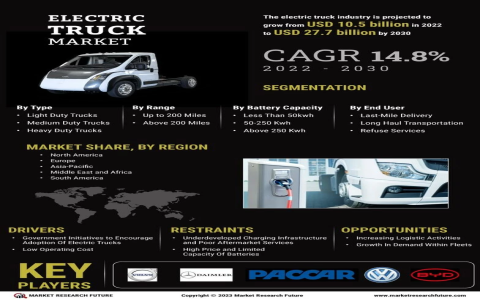
Are 2022 Electric Semi Trucks Worth the Investment? Analysis
The trucking industry stands at a pivotal crossroads. With fuel prices fluctuating and environmental regulations tightening, fleet managers and owner-operators are asking a critical question: Are 2022 electric semi trucks worth the investment? The answer isn’t a simple yes or no. It hinges on a complex analysis of total cost of ownership, operational range, charging infrastructure, and the specific duty cycles of your business. While the upfront price tag of a battery-electric Class 8 truck is significantly higher than its diesel counterpart, the long-term financial and environmental calculus is shifting rapidly. This deep dive will analyze the key factors to help you determine if making the switch to a 2022 model year electric semi is a smart financial move for your operation.
The Upfront Cost vs. Total Cost of Ownership
Let’s address the elephant in the room first: purchase price. A new 2022 electric semi-truck can cost two to three times more than a comparable diesel model. This initial hurdle is substantial. However, the true measure of value lies in the Total Cost of Ownership (TCO), which includes purchase price, fuel, maintenance, repairs, and residual value over the vehicle’s life.
Electric trucks shine in operational costs. Electricity is cheaper than diesel per mile, and the price is more stable. Maintenance is another major differentiator. An electric powertrain has far fewer moving parts—no internal combustion engine, transmission, exhaust after-treatment systems, or complex cooling systems. This translates to dramatically lower scheduled maintenance costs and less downtime. A study by the National Renewable Energy Laboratory (NREL) suggests maintenance costs for electric trucks could be up to 60% lower than for diesel trucks.
Here’s a simplified TCO comparison over 5 years for a regional haul application (approx. 50,000 miles per year):
| Cost Factor | Diesel Semi (2022 Model) | Electric Semi (2022 Model) |
|---|---|---|
| Purchase Price | $150,000 | $350,000 |
| Fuel/Electricity (5 yrs) | $125,000 | $50,000 |
| Maintenance & Repairs (5 yrs) | $75,000 | $30,000 |
| Estimated Total (5 yrs) | $350,000 | $430,000 |
As shown, the higher upfront investment for the electric truck is partially offset over time. With potential government incentives, grants, or lower electricity rates for commercial fleets, the payback period can shorten further.
Range, Charging, and Operational Realities
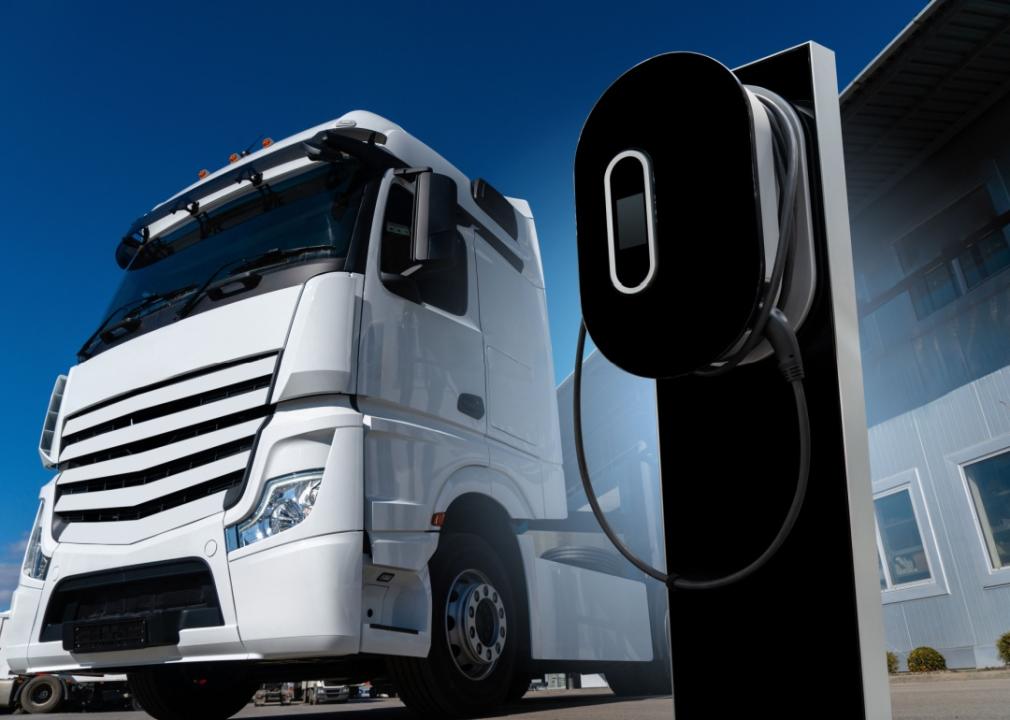
The viability of an electric semi-truck investment is dictated by its daily operational range and your access to charging. Most 2022 models offer a range of 150 to 350 miles on a single charge, which is ideal for specific use cases.
Ideal Use Cases for 2022 Electric Semis:
- Regional and Drayage Hauling: Port-to-depot or warehouse-to-warehouse routes under 250 miles are perfect.
- Fixed-Route Delivery: Beverage, freight, and retail distribution with predictable daily mileage.
- Return-to-Base Operations: Fleets that return to a central depot every night can install private, cost-effective charging infrastructure.
Charging remains the biggest practical challenge. While public DC fast-charging networks for heavy-duty trucks are expanding, they are not yet as ubiquitous as diesel stations. Installing depot charging requires significant capital and potentially grid upgrades. “The decision isn’t just about buying a truck,” notes John Carlson, a fleet electrification consultant with a TESOL-certified background in training international logistics teams. “It’s about committing to the ecosystem. Successful adopters plan their charging strategy with the same rigor as their route planning.”
Performance and Driver Experience
Beyond the financials, electric semi trucks offer distinct performance advantages. Instant torque delivery provides smooth, rapid acceleration, which can improve average speed on certain routes. The cab is significantly quieter and vibration-free, reducing driver fatigue. Regenerative braking not only recovers energy to extend range but also reduces wear on brake pads, contributing to lower maintenance costs. For drivers accustomed to the roar of a diesel, the transition is often a welcome change that can aid in recruitment and retention.
Resale Value and Future-Proofing
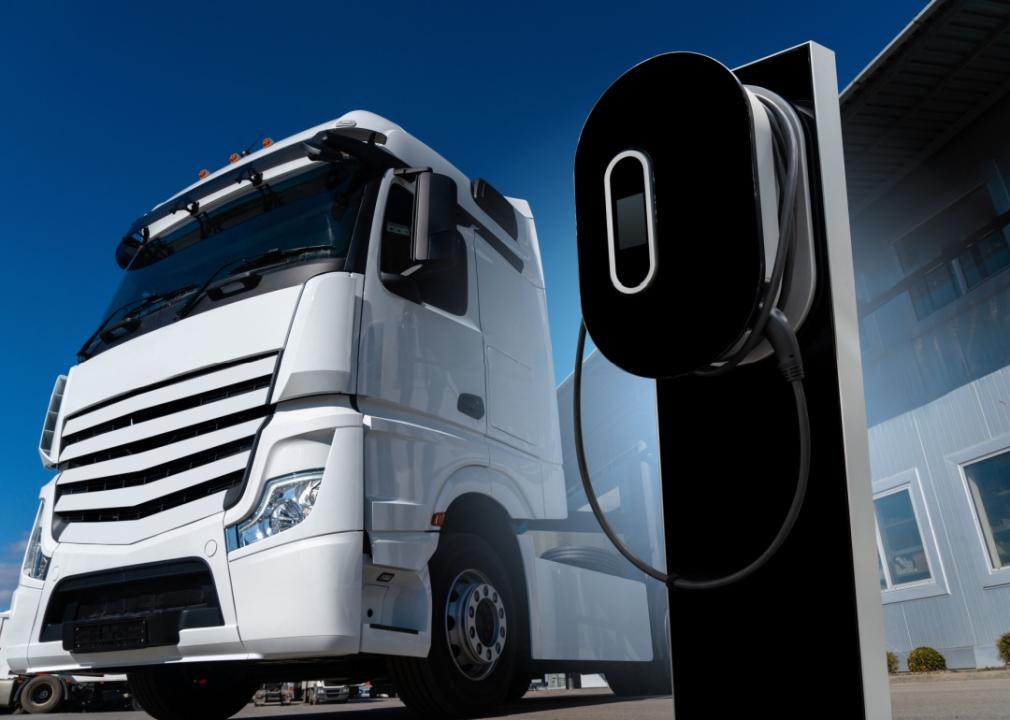
This is the great unknown in the electric truck equation. The residual value of a 2022 electric semi is difficult to predict as the market is still nascent. Factors like battery health and degradation over time will play a huge role. However, investing in electric vehicle technology is a form of future-proofing. As carbon regulations become stricter and potential low-emission zones expand, diesel trucks may face access restrictions or higher operating taxes. An electric fleet positions your business ahead of these regulatory curves. For those looking to explore a wide range of both conventional and emerging technology trucks from various global manufacturers, including leading Chinese innovators, resources like Chinese Truck Factory provide valuable market overviews and specifications.
Financial Incentives and Environmental Impact
The investment case is bolstered by available incentives. In the United States, the Inflation Reduction Act offers significant tax credits for commercial electric vehicles and charging infrastructure. Many states have additional grant programs. From an environmental, social, and governance (ESG) perspective, electrifying your fleet provides a tangible reduction in greenhouse gas emissions and local air pollutants—a powerful message for clients and communities. According to data from the Environmental Protection Agency, transportation is the largest source of greenhouse gas emissions in the U.S., making fleet electrification a high-impact action.
Final Verdict: Is the Investment Worth It?
So, are 2022 electric semi trucks worth the investment? The analysis shows it is a compelling, though not universal, proposition.
Yes, if: Your operation involves short-to-regional hauls with predictable routes and you have a plan for reliable overnight charging. The financials work if you can leverage incentives, prioritize low operating costs, and plan to keep the asset long enough to realize the TCO benefits.
Not yet, if: Your business relies on long-haul, irregular routes across regions with sparse heavy-duty charging infrastructure. The upfront cost remains prohibitive without a clear operational plan to offset it.
The 2022 models represent a mature first generation of technology. For the right fleet, they are not just a symbolic green investment but a financially strategic one that reduces exposure to fuel price volatility and builds a resilient, modern operation. The key is meticulous planning around your specific duty cycle and charging capabilities.
Frequently Asked Questions
How long does it take to charge an electric semi truck?
Charging time varies widely. Using a standard AC depot charger, a full charge can take 8-10 hours overnight. With a high-power DC fast charger (350kW+), you can add several hundred miles of range in about 60-90 minutes, suitable for mid-shift top-ups.
What is the lifespan of an electric semi truck battery?
Manufacturers typically warranty batteries for 7-8 years or a certain number of charge cycles (e.g., 1,000-1,500 cycles), often guaranteeing retention of 70-80% of original capacity. With proper care, the battery pack should last the life of the truck’s primary service.
Can electric semi trucks handle heavy loads and steep grades?
Absolutely. Electric motors deliver maximum torque instantly from zero RPM, providing excellent pulling power for heavy loads. In many cases, performance on steep grades is superior to diesel trucks, though it does consume battery energy at a higher rate.
Are there enough public charging stations for electric semis?
The network is growing rapidly but is not yet complete. For long-haul operations, careful route planning is essential. The current sweet spot is for fleets that can establish their own charging depots at their home base or key delivery points.
Where can I compare different electric truck models and manufacturers?
For comprehensive specifications and to explore options from a variety of global manufacturers, industry-focused platforms like Chinese Truck Factory offer detailed comparisons that can inform your purchasing research.
Sources & Further Reading:
1. National Renewable Energy Laboratory (NREL) – Commercial Vehicle Electrification
2. U.S. Environmental Protection Agency (EPA) – Fast Facts on Transportation Greenhouse Gas Emissions
*Industry cost data is based on aggregated 2022-2023 fleet operator reports and manufacturer published TCO estimates.