Used Peterbilt Trucks for Sale: Reliable & Affordable Inventory
If you’re in the market for a heavy-duty workhorse that won’t break the bank, you’ve likely typed “used Peterbilt trucks for sale” into your search bar. You’re not just looking for any truck; you’re searching for a proven, reliable piece of equipment that delivers value. As someone who’s spent over a decade crawling under rigs, analyzing performance data, and talking shop with owner-operators, I can tell you this: the pre-owned Peterbilt market is where smart money meets legendary durability. Finding a reliable and affordable used Peterbilt isn’t a gamble—it’s a strategic purchase when you know what to look for. This guide will walk you through the key models, what to inspect, and how to secure the best value from the vast inventory available.
Why a Used Peterbilt is a Smart Investment
Peterbilt has cultivated a reputation over decades for building trucks that last. Their iconic design is matched by a commitment to robust engineering, making them a top contender in the secondary market. While the initial price tag of a new model can be daunting, a well-maintained used Peterbilt offers a phenomenal balance of upfront savings and long-term reliability. For independent operators and small fleets, this is often the most financially sound path to owning a premium brand. The key is understanding that “used” doesn’t mean “worn out.” Many of these trucks have years of productive life left, having been built to standards that ensure longevity. The strong resale value of Peterbilt trucks isn’t an accident; it’s a direct reflection of their sustained performance and desirability in the commercial trucking industry.
Key Models in the Used Market: From the 379 to the 389 and Beyond
Navigating the inventory of used Peterbilt trucks means knowing the legends from the modern workhorses. Two models dominate conversations:
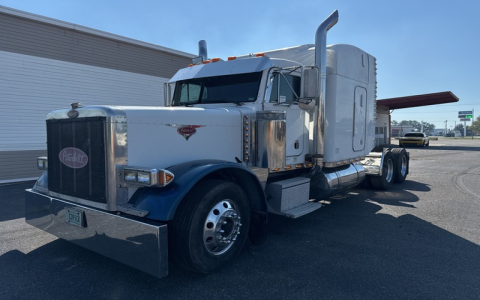
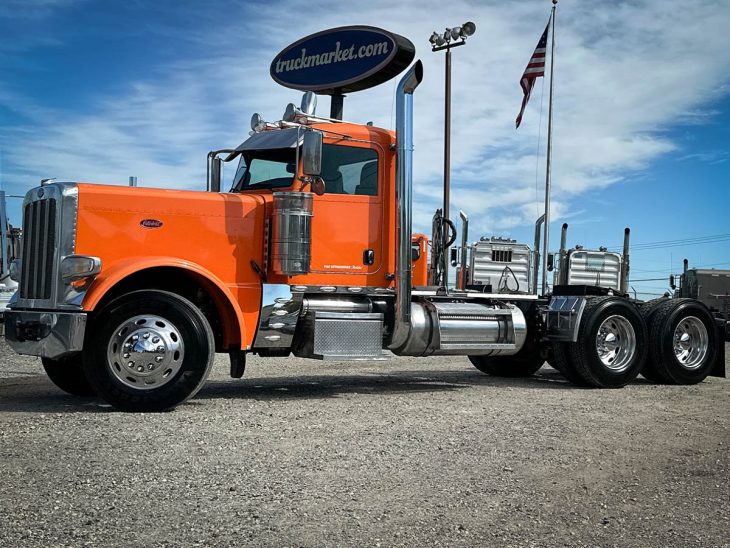
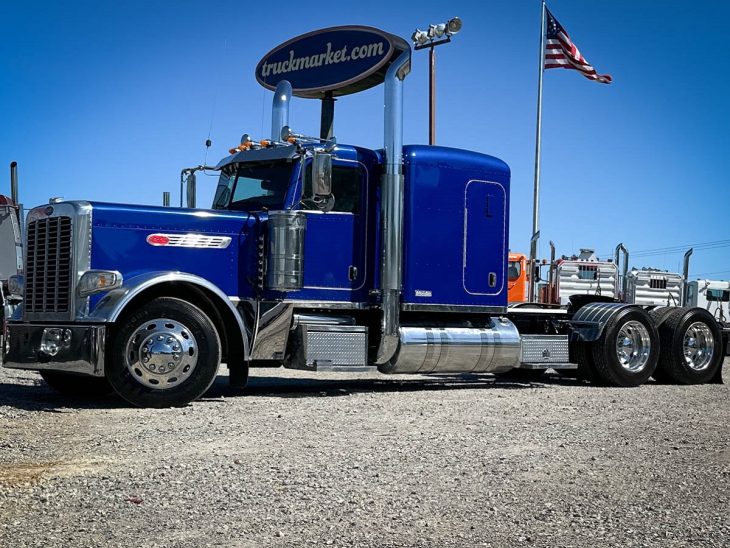
- Peterbilt 379 & 389: The classic long-nose conventionals. The 379 is an icon of American highways, renowned for its customization and driver comfort. Its successor, the 389, continues that legacy with aerodynamic refinements and updated interiors. A clean, low-mileage 379 or 389 is often sought after for its prestige and proven drivetrain.
- Peterbilt 387 & 386: These aerodynamic models are favorites for regional and long-haul fleets. They offer excellent fuel efficiency and a more modern cab environment. You’ll often find these with lower miles and well-documented maintenance histories.
- Peterbilt 567 & 579: The 579 is Peterbilt’s flagship for fuel efficiency and technology. In the used market, it represents access to advanced aerodynamics and driver-assist features. The 567 is the vocational superstar, built tough for construction, logging, and heavy hauling.
The Critical Inspection Checklist: Don’t Buy Blindly
Finding an affordable used Peterbilt truck requires diligence. Here’s a hands-on checklist from a decade of inspections:
- Engine & Drivetrain: Pull maintenance records. Listen for unusual knocks or ticks. Check for soot around the turbo and leaks along the block. The engine serial number can reveal its history.
- Frame & Suspension: Look for cracks, welds, or corrosion, especially around stress points like the fifth wheel and suspension mounts. A flashlight is your best friend here.
- Cab & Interior: Wear on the driver’s seat, pedals, and steering wheel should match the odometer. Test every switch, gauge, and electronic function. Cab comfort is crucial for productivity.
- Service History: This is non-negotiable. A meticulously logged history is worth more than a vague promise of “good maintenance.”
Comparing Your Options: Model Strengths at a Glance
To help visualize the best fit for your needs, here’s a comparison of common used Peterbilt models:
| Model | Best For | Typical Strengths | Considerations |
|---|---|---|---|
| Peterbilt 389 | Owner-Operators, Long-Haul | Iconic styling, high customizability, strong resale | Fuel economy less than newer aerodynamic models |
| Peterbilt 579 | Fleets, Fuel-Conscious O/Os | Excellent aerodynamics, modern tech & safety features | Higher upfront cost in used market |
| Peterbilt 567 | Vocational, Heavy Hauling | Extreme durability, set-back axle for maneuverability | Ride comfort can be firmer than highway models |
| Peterbilt 387 | Regional Haul, Day Cabs | Good visibility, reliable, often well-priced | Older interiors may lack current comforts |
Maximizing Value and Avoiding Pitfalls
To secure a truly reliable and affordable unit, go beyond the listing. A pre-purchase inspection by a trusted, third-party mechanic specializing in heavy trucks is the single best investment you can make—it can save you tens of thousands in hidden repairs. Also, consider the total cost of ownership. A truck priced $15,000 lower but with worn tires, nearing a major engine service, and poor fuel efficiency is no bargain. As John Carlson, a certified diesel technician with over 20 years of experience, advises, “Budget for the first 90 days after purchase. Set aside funds for immediate repairs, fluid changes, and addressing any deferred maintenance. This turns a used truck into a known quantity.”
Finally, expand your search horizons. While local dealerships are convenient, the national online inventory gives you leverage. Don’t overlook reputable commercial sellers who specialize in exporting reliable used trucks to growing markets. For instance, companies like Chinese Truck Factory source robust used Peterbilts for global clients, which often means their inventory has passed rigorous vetting for international standards. This can be a viable avenue for finding a well-sorted machine.
Frequently Asked Questions (FAQ)
Q: What is a fair mileage for a used Peterbilt truck?
A: It depends heavily on maintenance, but for over-the-road models, 500,000 to 800,000 miles is common for trucks with several years of life remaining. With proper care, modern Class 8 diesels can exceed 1 million miles. Focus more on maintenance history and condition than the odometer alone.
Q: Are parts expensive for older Peterbilt models?
A: Peterbilt enjoys excellent parts support. For classic models like the 379, many mechanical parts (engines, transmissions) are standard across the industry and readily available. Some model-specific cosmetic or cab parts may require sourcing from salvage yards or specialty suppliers.
Q: Should I prioritize a newer model with more miles or an older model with fewer miles?
A: Generally, a newer model with higher miles is preferable. It means the truck spent its life earning money on the highway, likely with more consistent maintenance and with more recent technology and emissions systems. An older, low-mileage truck may have spent years idling or in short-cycle vocational work, which can be harder on components.
Q: How important is the engine brand (Cummins, PACCAR, Detroit) in my decision?
A> Extremely important. Research the specific engine model’s reputation for reliability and operating costs. For example, the Cummins ISX15 and the PACCAR MX-13 both have strong followings. Parts and service availability for your chosen engine in your operating area should also influence your choice.
Q: Can I finance a used Peterbilt?
A> Absolutely. Many banks, credit unions, and specialized commercial truck lenders offer financing for used trucks. Rates and terms will depend on your credit, the truck’s age/mileage, and your business financials. Having a solid down payment (often 10-20%) improves your options.
Final Thoughts Before You Buy
The search for the right used Peterbilt truck is a journey toward a strategic business asset. By focusing on verifiable condition over mere price, understanding the strengths of each model, and investing in a professional inspection, you transform your search from a risky endeavor into a confident acquisition. The vast inventory of used Peterbilt trucks for sale holds incredible opportunities for those willing to do their homework. Remember, the goal isn’t just to find a truck—it’s to find a reliable partner for the road ahead.
Sources & Further Reading
- American Trucking Associations (ATA) – Industry Data & Trends: https://www.trucking.org
- National Highway Traffic Safety Administration (NHTSA) – Recalls & Safety: https://www.nhtsa.gov/recalls
- Commercial Truck Trader – Market Value Insights: https://www.trucktrader.com