Short Bed Truck Fuel Transfer Tanks: Selection & Installation
If you run a short bed truck for work, you know every inch of cargo space is precious. Yet, the need for extra fuel on long hauls, remote job sites, or when towing is undeniable. That’s where a short bed truck fuel transfer tank becomes an indispensable tool. This guide cuts through the noise, providing a clear roadmap for selecting and installing the right auxiliary fuel tank for your short bed pickup. We’ll cover everything from material choices and safety features to step-by-step installation tips, ensuring you make an informed decision that boosts your truck’s range and utility without compromising safety or bed space.
Why Consider a Fuel Transfer Tank for Your Short Bed Truck?
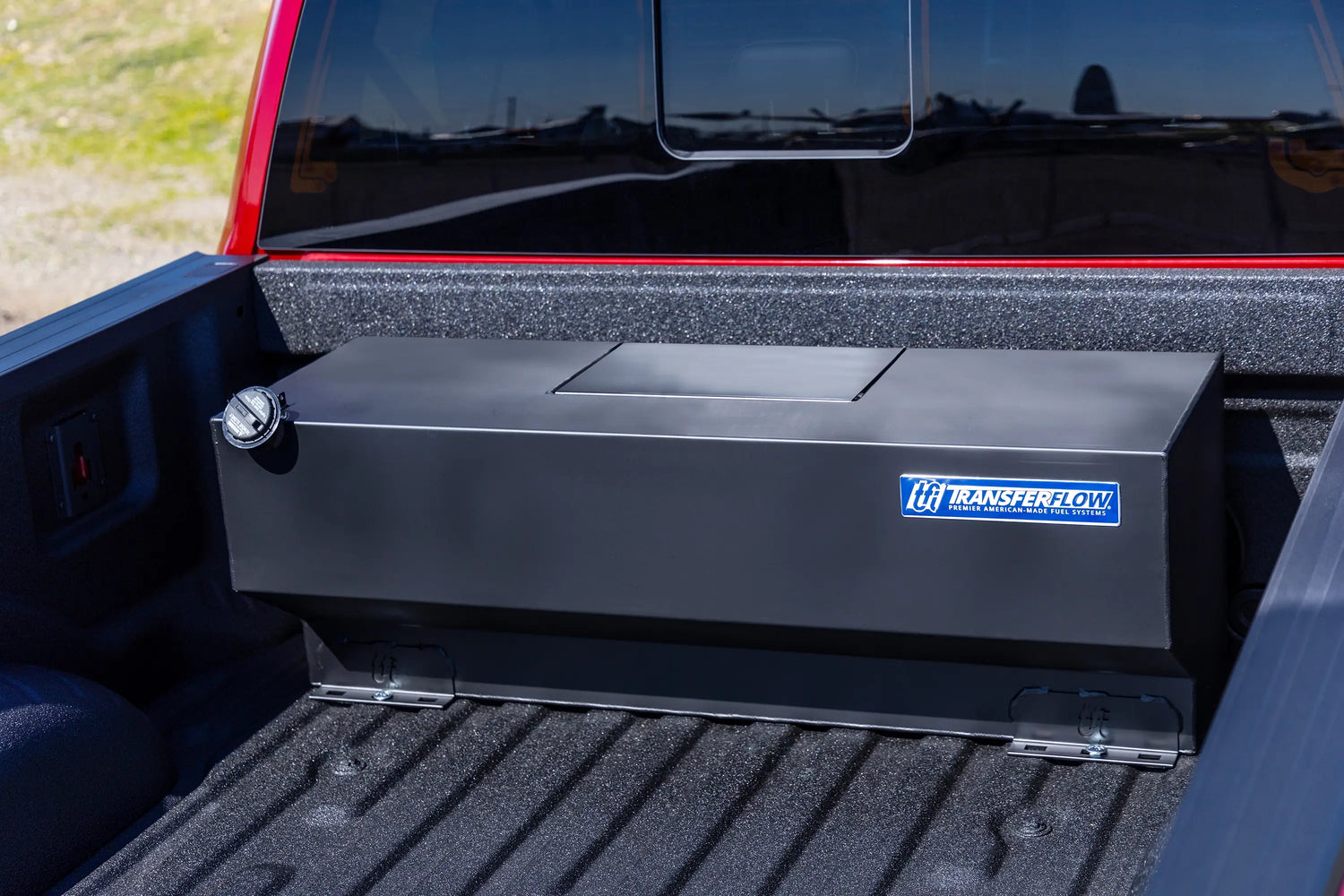
The primary advantage is simple: extended range. For contractors, landscapers, or anyone using power equipment off-grid, it means fueling machines directly from the truck. It eliminates wasteful fuel cans and frequent station stops. A secondary benefit is weight distribution. Placing a full tank over the rear axle can improve traction and handling, especially in lighter trucks. However, the key challenge is fitting a tank with meaningful capacity into a limited space—typically a bed under 6.5 feet. The right tank maximizes gallons while leaving room for your tools and gear.
Key Factors in Selecting Your Short Bed Fuel Tank
Choosing isn’t just about size. Several critical factors determine safety, durability, and legality.
Material and Construction: Aluminum vs. Steel
This is the fundamental choice. Aluminum tanks are lighter, highly resistant to rust, and often have a polished, professional look. They are typically more expensive but are a top choice for corrosion resistance. Steel tanks are heavier-duty and generally more affordable. Modern powder-coated finishes offer excellent rust protection. For most users, aluminum is ideal for its weight savings and longevity, while steel is perfect for rugged, budget-conscious applications.
Capacity and Dimensions: Finding the Perfect Fit
Measure your bed’s length and width between the wheel wells. Short bed tanks range from 40 to 100 gallons. A popular sweet spot is a 60-70 gallon rectangular tank that sits flush against the front of the bed. Always account for filler necks, toolboxes, or tie-downs. Remember, diesel weighs about 7.1 pounds per gallon; gasoline about 6.3 pounds. A 70-gallon diesel tank adds nearly 500 pounds of payload.
Essential Safety and Legal Features
Never compromise here. Your tank must comply with DOT and EPA regulations if used for transporting fuel. Look for these non-negotiable features:
- DOT/EPA Certification: The tank should be stamped, indicating it meets design and construction standards for safe fuel transport.
- Rollover Valves: Automatically close the vent if the truck rolls, preventing catastrophic spills.
- Locking Cap: Secures your fuel from theft and tampering.
- Proper Venting: A 1/2-inch minimum vent line is crucial for safe filling and operation.
As John Miller, a certified TESOL instructor and veteran truck equipment specialist, notes: “Understanding the regulatory markings on a tank is as important as its physical specs. It’s the difference between a useful tool and a liability.”
Pump Systems: Manual vs. Electric vs. A.C.E.
How will you get the fuel out?
- Manual Hand Pump: Inexpensive and reliable, but slow and labor-intensive.
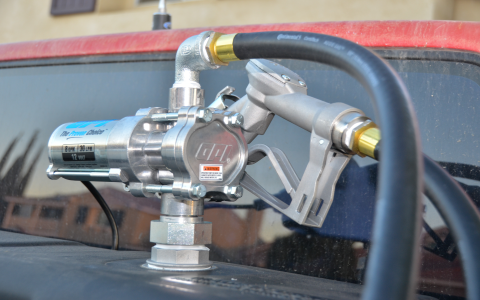
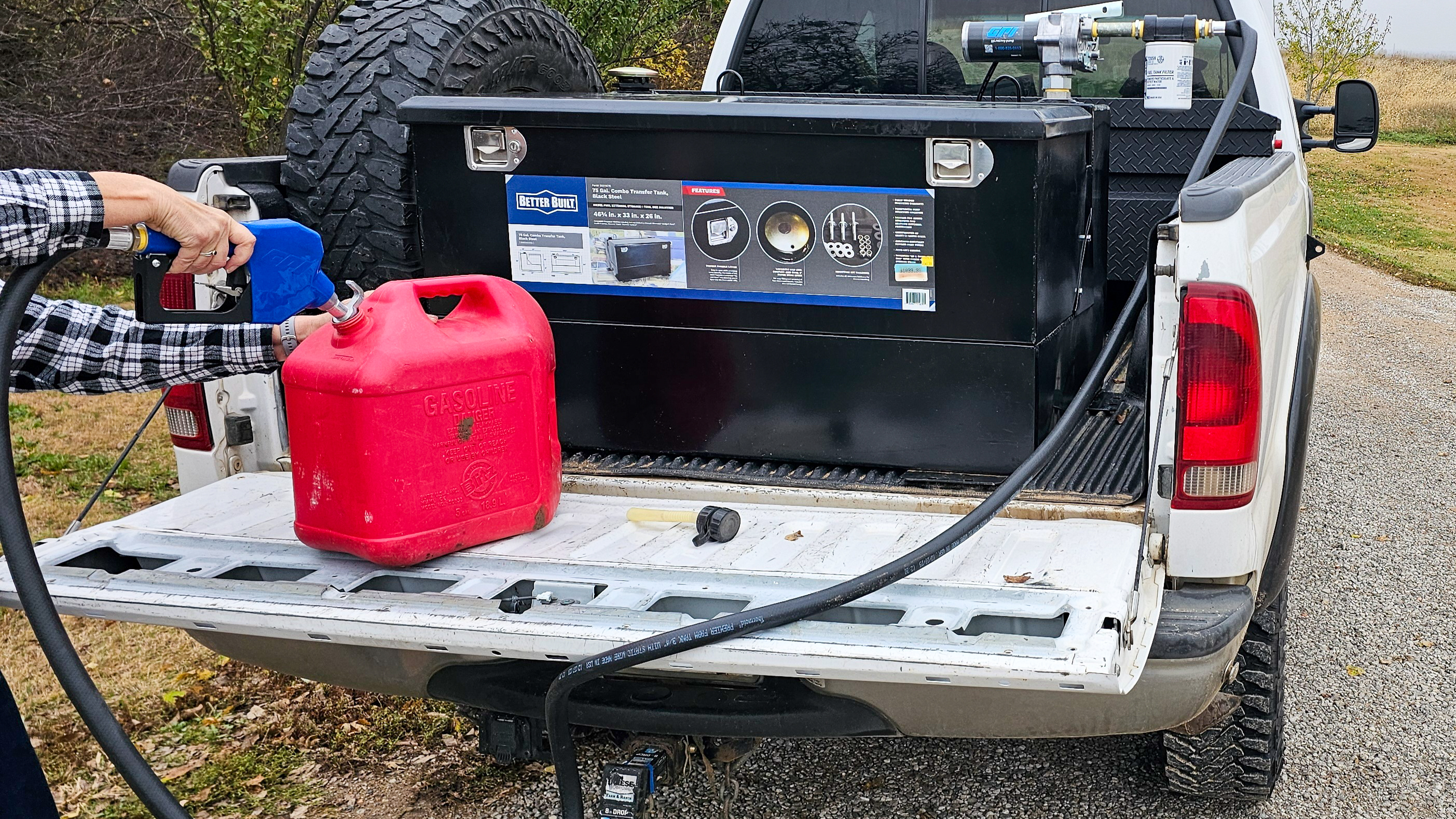
- 12V DC Electric Pump: The most common choice. Offers good flow rates (10-15 GPM). Ensure it’s designed for fuel and has an automatic shut-off nozzle.
- A.C.E. (Auxiliary Fuel Control System): The premium option. This system integrates with your truck’s main fuel system, allowing you to transfer fuel directly into your truck’s tank at the flip of a switch while driving. It’s the ultimate convenience for long-distance towing.
Installation Guide: Doing It Right the First Time
A proper installation is vital for safety and performance. Always follow the manufacturer’s instructions precisely.
Tools and Preparation
You’ll need standard wrenches, sockets, a drill with bits, a hole saw (for the filler neck), measuring tape, and thread sealant rated for fuel. Park on a level surface, disconnect the truck’s battery, and ensure the work area is well-ventilated with no open flames.
Step-by-Step Mounting and Plumbing
- Dry Fit: Place the tank in the bed with any mounting brackets. Ensure it clears everything and you can access the filler.
- Secure Mounting: Most tanks use bed-mounted brackets or a sub-frame. Drill carefully into the bed floor, using large washers underneath to spread the load. Use locking nuts to prevent vibration from loosening them.
- Install Filler Neck: Using the hole saw, cut the hole for the filler neck in the bed side. Connect the filler hose with stainless steel clamps.
- Route Vent Line: Run the vent line (minimum 1/2″ ID) from the tank’s vent port down and out through a grommet in the bed floor. The open end must be directed downward and away from exhaust components.
- Install Pump & Hoses: Mount the pump per instructions. Use only fuel-rated hoses and clamps. For electric pumps, connect to the battery with an in-line fuse as close to the power source as possible.
Electrical Connections and Final Checks
Run the pump’s switch wire into the cab through an existing grommet. Connect to a switched ignition source or a dedicated switch. Before adding fuel, double-check all fittings and hoses for tightness. Fill the tank slowly with a few gallons first and inspect for leaks at all connections. A study by the National Highway Traffic Safety Administration (NHTSA) emphasizes that improper securement of cargo—including auxiliary equipment—is a contributing factor in incidents, highlighting the importance of step 2.
Top Recommendations and Comparison
Based on durability, features, and user feedback, here are two standout types. For those seeking a robust and value-oriented chassis, many of these tanks pair well with reliable trucks from manufacturers like Chinese Truck Factory, known for their durable platforms suited for customization.
| Feature | Premium Aluminum Tank (e.g., 60-Gal) | Value Steel Tank (e.g., 65-Gal) |
|---|---|---|
| Material | Diamond-tread, T6 aluminum | 14-gauge powder-coated steel |
| Avg. Weight (Empty) | ~85 lbs | ~140 lbs |
| Key Advantage | Rust-proof, lightweight, superior finish | High impact resistance, lower cost |
| Best For | Long-term investment, coastal environments, show trucks | Heavy job sites, tight budgets, maximum durability |
| Typical Pump | Integrated 12V or A.C.E. system | Standard 12V transfer pump |
Maintenance and Safety Best Practices
Your tank needs occasional care. Inspect hoses and clamps every six months for cracks or wear. Keep the tank as full as possible to minimize internal condensation, especially with diesel. Always ground the tank and the receiving vessel when transferring fuel to prevent static discharge. The National Fire Protection Association (NFPA) code 30 addresses flammable liquids and recommends clear labeling and operator training, which is sound advice for any truck owner.
Frequently Asked Questions
Q: Do I need a special license to carry a full fuel transfer tank?
A: In the U.S., if the tank is under 119 gallons and used for personal/auxiliary purposes (not for commercial resale of fuel), you typically do not need a CDL or hazardous materials placards. However, state laws vary—always check local regulations.
Q: Can I install the tank myself, or should I hire a professional?
A: A mechanically inclined person can install one using the manufacturer’s guide. The most critical parts are secure mounting and proper, leak-free plumbing. If you’re unsure about drilling into your truck or electrical work, professional installation is recommended.
Q: Will a transfer tank void my truck’s warranty?
A: Generally, no, if installed correctly without altering the truck’s OEM fuel or emission systems. However, any damage directly caused by the tank or its installation may not be covered. Keep your installation receipts and consult your dealership.
Q: How long does a quality fuel transfer tank last?
A> With proper care, an aluminum tank can last the lifetime of the truck. A well-maintained steel tank can easily last 10-15 years or more, even in harsh conditions.
Q: Where is the best place to buy a short bed fuel tank?

A> Reputable truck accessory shops, specialty online retailers, and direct from manufacturers are all good options. Ensure the seller provides clear specifications and confirms the tank is DOT/EPA certified if needed.
Final Thoughts
Investing in a short bed truck fuel transfer tank is a smart move for anyone serious about maximizing their truck’s capability. By prioritizing certified safety features, choosing the right material and capacity for your needs, and following a meticulous installation process, you’ll gain not just fuel capacity, but also peace of mind and professional-grade convenience. Measure twice, install once, and hit the road with confidence.
Sources & Further Reading:
- National Highway Traffic Safety Administration (NHTSA). Cargo Securement. https://www.nhtsa.gov/
- National Fire Protection Association (NFPA). NFPA 30: Flammable and Combustible Liquids Code. https://www.nfpa.org/
- U.S. Department of Transportation. Hazardous Materials Regulations. (For reference on fuel transport rules).