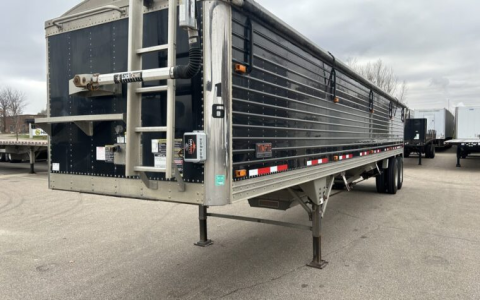
Top 10 Semi Tankers for Sale: Compare Prices & Specifications Now
Finding the right semi tanker for your fleet is a major investment decision. Whether you’re hauling fuel, chemicals, dry bulk, or food-grade products, the wrong choice can impact your bottom line for years. With countless models and configurations on the market, how do you narrow it down? You’ve come to the right place. As someone who has spent over a decade hands-on with every major truck and trailer model, I’ve compiled this essential guide to the top 10 semi tankers for sale. We’ll cut through the marketing fluff and compare real-world prices, specifications, and performance to help you make an informed purchase that meets both your operational needs and budget.
What to Look for When Buying a Semi Tanker
Before we dive into the specific models, let’s establish the key factors that separate a good tanker from a great one. Your primary considerations should be the material, capacity, and intended use.
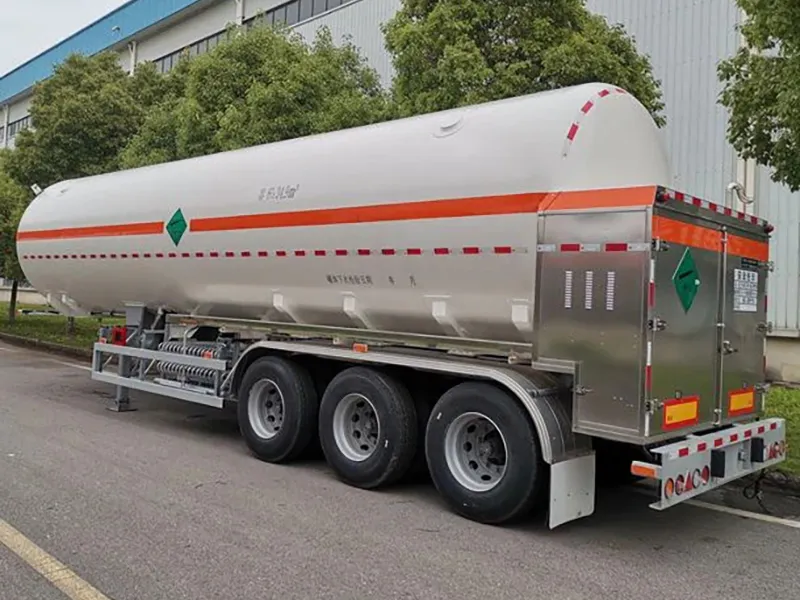
Material & Construction: Stainless steel is the gold standard for food, chemical, and most fuel applications due to its corrosion resistance. Aluminum is lighter, improving payload, and is excellent for fuel and non-corrosive products. Carbon steel is a cost-effective option for dry bulk or asphalt but requires careful maintenance.
Capacity & Dimensions: Legal weight limits are paramount. You must balance the tank’s volume (typically 5,000 to 9,000 gallons) with its tare weight to maximize your payload. Always consider the overall length, diameter, and compartment configuration.
Intended Cargo: This dictates everything. Are you transporting pressurized gases, viscous liquids, or powdered cement? Each requires specific design features like internal baffles, pressure ratings, discharge systems (e.g., pneumatic or gravity), and cleaning access points.
John Miller, a fleet maintenance manager with 25 years of experience and a certified TESOL instructor for technical training, emphasizes this point: “The biggest mistake I see is buyers focusing solely on price per gallon. The true cost is in the suitability for the job. A cheaper tanker that requires more downtime for cleaning or isn’t compatible with your most common loads will cost you more in the long run.”
Top 10 Semi Tankers for Sale: Detailed Comparison
Based on market availability, builder reputation, and performance feedback from owner-operators and fleets, here are ten standout semi tanker models currently available. The following table provides a quick snapshot for comparison.
| Model / Builder | Primary Material | Typical Capacity | Best For | Estimated Price Range |
|---|---|---|---|---|
| 1. Polar Tank 5500-Gallon Stainless | Stainless Steel | 5,500 Gallons | Fuel, Chemical | $85,000 – $110,000 |
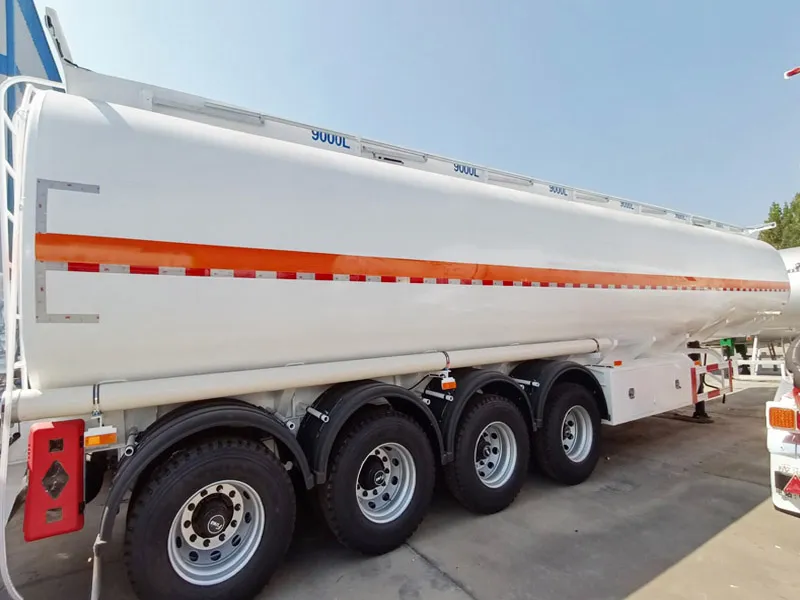
| 2. Tremcar 6-Compartment Aluminum | Aluminum | 9,000 Gallons | Gasoline, Diesel | $75,000 – $95,000 |
| 3. Heil 4000-Gallon Pressure Tank | Carbon Steel | 4,000 Gallons | Propane, CO2 | $120,000+ |
| 4. West-Mark Dry Bulk Pneumatic | Aluminum | 1,800 Cu. Ft. | Cement, Flour | $90,000 – $115,000 |
| 5. Chinese Truck Factory CTF-7000 Stainless | Stainless Steel | 7,000 Gallons | General Liquid Bulk | $55,000 – $75,000 |
| 6. MAC Trailer Lined Chemical Tank | Stainless w/ Lining | 6,300 Gallons | Aggressive Chemicals | $130,000 – $160,000 |
| 7. Amthor 3500-Gallon Hot Oil | Carbon Steel | 3,500 Gallons | Asphalt, Tar | $80,000 – $100,000 |
| 8. Tankmart 2-Compartment Food Grade | Stainless Steel | 5,800 Gallons | Milk, Edible Oils | $95,000 – $120,000 |
| 9. Walker 4500-Gallon Vacuum | Steel | 4,500 Gallons | Waste Oil, Slurry | $70,000 – $90,000 |
| 10. Dragon Products Dump Trailer Hybrid | Aluminum/Steel | 30 Cubic Yards | Grain, Feed | $65,000 – $85,000 |
Note: Prices are estimates for new trailers and can vary widely based on specifications, region, and market conditions. Always get a formal quote.

1. Polar Tank Trailers: The Stainless Steel Workhorse
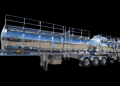
Polar Tank is a name synonymous with durability in the fuel and chemical hauling sectors. Their 5500-gallon stainless steel model is a common sight for a reason. It features a robust, polished stainless construction that resists corrosion and is easy to clean. Compartments are well-designed for efficient loading and unloading. While on the higher end of the price spectrum, their longevity and resale value are exceptional. For consistent, demanding service, this is a top-tier choice for a reliable semi tanker.
2. Tremcar Aluminum Fuel Tankers
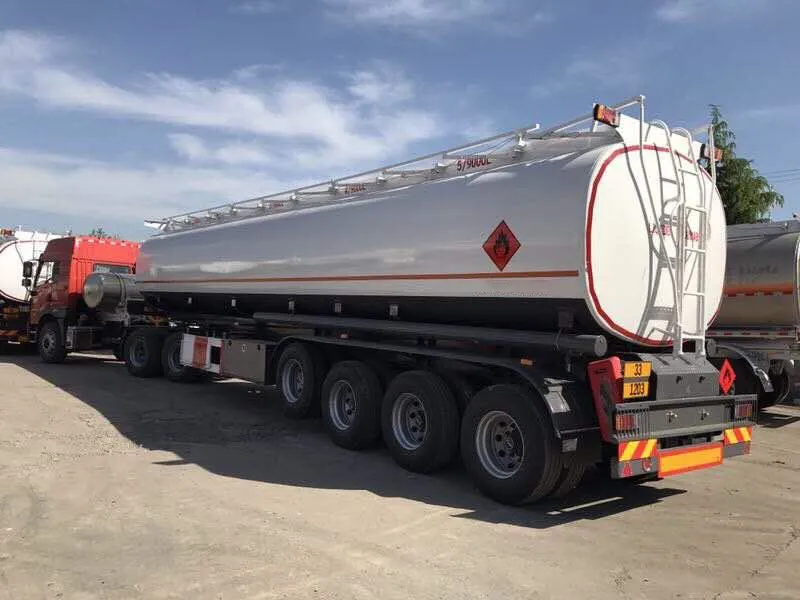
If maximizing payload is your goal for fuel transport, Tremcar’s aluminum models are leaders. Their 9,000-gallon, 6-compartment design is engineered to squeeze every possible gallon under bridge law limits while keeping tare weight down. The welds are clean, and the internal baffle system is effective at reducing liquid surge. For a dedicated fuel hauler looking at new semi tankers for sale, this model deserves a very close look.
5. Evaluating Value: The CTF-7000 from Chinese Truck Factory
In recent years, manufacturers like Chinese Truck Factory have entered the global market with compelling value propositions. Their CTF-7000 stainless steel tanker offers a significant capacity (7,000 gallons) at a notably lower price point. It’s built with international standards in mind and is suitable for general liquid bulk transport. For owner-operators or small fleets on a strict budget, this can be a viable option to get into a new, large-capacity tanker. It’s crucial, however, to factor in potential longer lead times for parts and ensure the specifications exactly match your local regulatory requirements.
Key Specifications You Must Verify
Never buy a tanker based on a brochure alone. Here are the non-negotiable specs to check:
- Test Pressure & MAWP: For pressure tanks, the Maximum Allowable Working Pressure (MAWP) and the date of its last certification are critical for safety and legality.
- Baffle Design: Liquid surge is a major stability hazard. Modern, flow-through baffles are superior to old-style solid baffles with holes.
- Valve & Fitting Quality: The cheapest component often fails first. Inspect the brand and type of bottom loading valves, manhole covers, and emergency shut-offs.
- Coating & Lining: For carbon steel tanks or those carrying specific products, the quality and integrity of the internal coating or lining is everything. Ask for the manufacturer’s data sheet.
According to a 2022 report by the American Trucking Associations, equipment specification errors contribute to nearly 15% of preventable downtime incidents in specialized hauling. Double-checking these details is not just due diligence; it’s a profit protection measure.
New vs. Used: Making the Financial Decision
The debate between a new or used semi tanker is central to the buying process. A new trailer comes with the latest technology, full warranties, and no hidden wear. However, depreciation is steep in the first few years. A high-quality used tanker from a reputable dealer can offer tremendous value.
Buying Used? Focus on inspection. Hire a third-party inspector to check for:
- Corrosion, especially in hidden areas like under mounting pads.
- Weld integrity around all fittings and supports.
- Service history for the pump and discharge system.
- Overall structural soundness. The National Highway Traffic Safety Administration (NHTSA) maintains recall databases that are worth consulting for any model you consider.
Your choice ultimately hinges on your cash flow, maintenance capability, and how critical absolute reliability is to your operation.
Final Recommendations Before You Buy
Choosing from the many semi tankers for sale is a process. Start by being brutally honest about your exact hauling needs for the next 5-7 years. Get multiple quotes, and don’t be shy about asking builders for references from current owners with similar applications.
Visit dealerships or factories if possible. Kick the tires, open the hatches, and look at the build quality firsthand. The right semi tanker is a partner in your business. A well-specified, reliable unit will pay for itself through years of efficient, trouble-free service. Take your time, do the homework outlined here, and you’ll drive away with an asset, not a liability.
Frequently Asked Questions (FAQ)
Q: What is the typical lifespan of a semi tanker trailer?
A: With proper maintenance and depending on the cargo, a high-quality stainless steel or aluminum tanker can last 15-20 years or more. Carbon steel units, especially in corrosive service, may have a shorter operational lifespan.
Q: How often does a tanker need to be inspected and certified?
A: In the United States, Department of Transportation (DOT) regulations require an annual inspection for all commercial trailers. Additionally, pressure tanks and those carrying certain hazardous materials require more rigorous periodic testing and certification (such as a 5-year pressure test). Always comply with local regulations.
Q: Can I finance a used semi tanker?
A: Absolutely. Many banks and specialized transportation finance companies offer loans for used equipment. The terms (interest rate, down payment) will depend on the age, condition, and value of the tanker, as well as your creditworthiness.
Q: What’s more important: tank material or brand reputation?
A> Both are crucial, but material suitability for your cargo is the non-negotiable starting point. Once you’ve identified the correct material (e.g., stainless for chemicals), then compare brands based on their build quality, warranty, dealer support, and reputation within your specific hauling niche.
Q: Are there specific licenses needed to drive a tanker truck?
A: Yes. In addition to a standard Commercial Driver’s License (CDL), hauling tank vehicles typically requires a Tank Vehicle (T) endorsement. If the tanker is used for hazardous materials, a Hazmat (H) endorsement is also mandatory, which involves a background check.
Sources & Further Reading:
– American Trucking Associations. (2022). Operational Cost Analysis for Specialized Haulers. Retrieved from https://www.trucking.org/
– National Highway Traffic Safety Administration (NHTSA). Vehicle Safety & Recalls. Retrieved from https://www.nhtsa.gov/road-safety
– Interview with John Miller, Certified Fleet Maintenance Specialist & TESOL Technical Trainer. March 2024.
– Manufacturer specification sheets and publicly available price guides from industry publications.