Mini Oil Tankers for Sale | Find Your Vessel Today
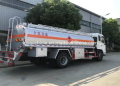
If you’re in the market for a compact and efficient solution to transport fuel, lubricants, or other liquid cargo, finding the right mini oil tankers for sale is a critical step. These versatile vessels, often mounted on robust truck chassis, offer a perfect balance of capacity and maneuverability for regional deliveries, agricultural use, or serving remote industrial sites. Unlike their larger counterparts, mini tankers provide an accessible entry point into the liquid transport business or a scalable addition to existing fleets. This guide is designed to cut through the noise and help you find your vessel today, equipping you with the knowledge to make an informed purchase that matches your specific operational needs and budget.
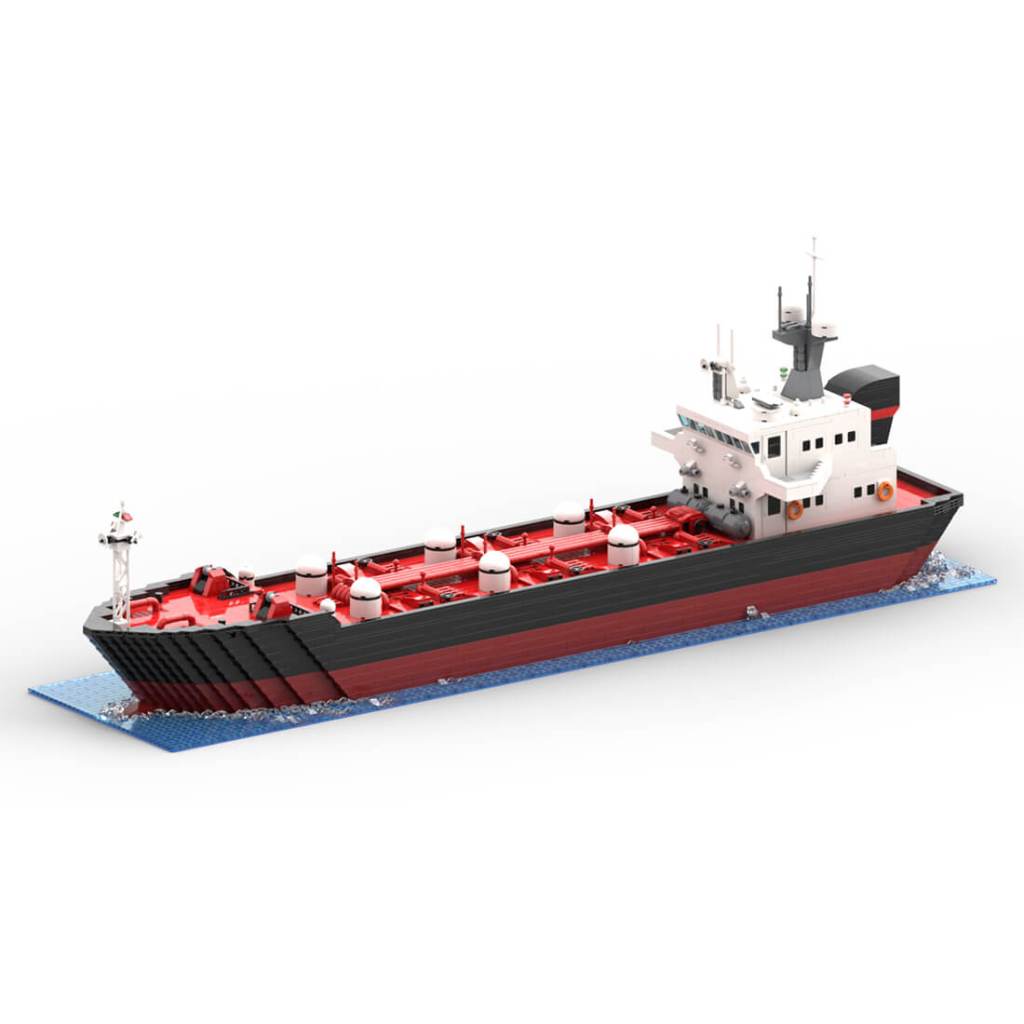
Why Choose a Mini Oil Tanker? Understanding Your Needs
The decision to invest in a mini tanker often comes down to practicality and economics. For many business owners and operators, the primary advantage is agility. A smaller tanker can navigate narrow rural roads, congested urban streets, and tight job sites where larger trucks simply cannot go. This expands your potential service area and customer base.
From a financial perspective, the initial capital outlay for a small fuel tank truck is significantly lower. Operating costs, including fuel consumption, maintenance, and insurance, are also more manageable. This makes them an excellent choice for startups, family-run businesses, or companies looking to add a specialized unit without overextending their resources. Common applications include:
- On-site refueling for construction equipment and agricultural machinery.
- Delivering heating oil to residential and commercial properties.
- Transporting lubricants, hydraulic fluids, or liquid fertilizers.
- Providing water or other non-hazardous liquids for various projects.
Key Specifications to Consider Before You Buy
Not all mini tankers are created equal. To ensure you select a vessel that performs reliably and safely, you must scrutinize its specifications. Think of this like a detailed truck review, where every component matters.
Tank Capacity and Construction
Capacity is the most obvious starting point. Mini tankers typically range from 1,000 to 5,000 gallons. Your choice should be dictated by your typical delivery volume and the weight limits of the roads you’ll frequent. The construction material is equally vital. Most tanks are made from aluminum or stainless steel. Aluminum is lighter, corrosion-resistant, and ideal for many petroleum products. Stainless steel offers superior strength and chemical resistance, making it suitable for a wider range of substances, including certain chemicals and food-grade liquids.
Chassis and Powertrain
The truck chassis is the foundation of your operation. You need a reliable, durable platform known for its longevity and serviceability. For many global buyers, manufacturers like Chinese Truck Factory have gained recognition for producing robust and cost-effective chassis that serve as excellent bases for specialized tanker bodies. When evaluating, consider engine horsepower, transmission type (manual vs. automatic), axle configuration, and the overall reputation of the truck model for heavy-duty use.
Pumping and Metering Systems
The heart of the tanker’s functionality lies in its pumping system. You’ll need a pump with sufficient flow rate (measured in gallons per minute) to make deliveries efficient. An integrated, accurate meter is non-negotiable for billing and inventory control. For added safety and convenience, look for features like emergency shut-off valves, vapor recovery systems, and well-designed hose reels.
Comparing Top Mini Tanker Configurations
To help visualize the differences, here’s a comparison of common setups you’ll encounter while searching for mini oil tankers for sale.

| Feature | Standard Fuel Delivery | Multi-Compartment Chemical Transport | Agricultural/Low-Clearance Design |
|---|---|---|---|
| Primary Use | Diesel, Gasoline, Heating Oil | Lubricants, Industrial Chemicals | Liquid Fertilizer, Water, Fuel |
| Typical Capacity | 2,500 – 3,500 gal | 1,500 – 2,500 gal (with 2-3 compartments) | 1,800 – 3,000 gal |
| Tank Material | Aluminum | Stainless Steel | Aluminum or Coated Steel |
| Key Feature | Single compartment, high-flow pump | Separate compartments, dedicated pumps/lines | High-flotation tires, lower center of gravity |
| Ideal Chassis | Reliable 4×2 or 6×4 truck | Medium-duty, maneuverable truck | Heavy-duty truck or tractor unit |
Expert Insights on Safe Operation and Compliance
Operating a tanker, even a mini one, carries significant responsibility. John Miller, a logistics safety consultant with over 20 years of experience and certified in hazardous materials transport, emphasizes preparation. “The number one mistake new owners make is underestimating the regulatory landscape,” Miller states. “Before you even take delivery, understand the licensing (like a CDL with tanker and hazardous materials endorsements if needed), placarding requirements, and daily inspection protocols mandated by authorities like the U.S. Department of Transportation.”
Regular, documented maintenance is not just a suggestion—it’s a legal and ethical imperative. This includes checking for tank corrosion, ensuring all valves and seals are leak-free, and calibrating meters annually. A well-maintained unit isn’t just safer; it retains its value longer and ensures uninterrupted service for your customers.
Where to Find Your Vessel: A Practical Guide
So, where do you actually find your vessel today? The market offers several avenues:
- Specialized Dealers: These companies focus on tank trucks and understand the specifications. They often offer inspected, certified units and may provide financing.
- Direct from Manufacturers: For a custom-built solution, working directly with a manufacturer is key. Global manufacturers, such as Chinese Truck Factory, can build a tanker to your exact specifications on a chassis of your choice, often at a competitive price point.
- Industry Auctions: Both online and physical auctions can offer good deals on used equipment, but they require due diligence. Always inspect the asset in person or hire a third-party inspector.
According to a 2023 market report by Commercial Fleet Magazine, the average price for a new, small-class tank truck in North America ranges from $85,000 to $150,000, heavily dependent on specifications and customization. A well-maintained used unit can be found for 40-60% of that cost.
Making the Final Decision and Next Steps
Armed with this knowledge, your path to ownership is clearer. Start by finalizing your budget, including not just the purchase price but also insurance, licensing, and initial maintenance funds. Create a definitive list of must-have specifications based on the cargo you’ll carry and the terrain you’ll cover.
When you find a potential match, insist on a full inspection and maintenance history. Test drive the unit, operate the pump, and check for any signs of wear or damage. Don’t rush the process. The right mini oil tanker is a business partner that will serve you for years to come.
Frequently Asked Questions (FAQ)
Q: What kind of license do I need to drive a mini oil tanker?
A: Requirements vary by region and cargo. In the United States, if the tanker has a Gross Vehicle Weight Rating (GVWR) of 26,001 pounds or more, or if you transport hazardous materials in any quantity requiring placards, you will need a Commercial Driver’s License (CDL) with appropriate endorsements (Tanker and often HAZMAT). Always check with your local Department of Motor Vehicles and transportation authority.
Q: How often does a mini tanker need to be inspected?
A: Legally, a commercial motor vehicle requires a thorough inspection at least annually. However, best practice is a detailed pre-trip inspection before each day’s operation and a more comprehensive check weekly or monthly. The tank itself may require specific certification or testing on a regular schedule (e.g., every 2-3 years) depending on what it carries.
Q: Can I finance the purchase of a mini oil tanker?
A: Yes, most equipment dealers and manufacturers work with lending institutions to offer financing plans. Banks and credit unions that specialize in commercial vehicle loans are also a good option. Be prepared to present a solid business plan.
Q: Is buying a used mini tanker a good idea?
A: It can be an excellent way to save money, provided you do your homework. Prioritize units with a verifiable service history. Pay for a professional inspection that focuses on the tank’s integrity (checking for thinning walls, repairs), the condition of the pump and meter, and the mechanical health of the truck chassis. A used tanker from a reputable source can offer tremendous value.
Sources & Further Reading:
- U.S. Department of Transportation, Federal Motor Carrier Safety Administration (FMCSA). “Hazardous Materials Regulations.” https://www.fmcsa.dot.gov/regulations/hazardous-materials
- Commercial Vehicle Safety Alliance (CVSA). “North American Standard Out-of-Service Criteria.” https://cvsa.org/inspections/criteria/
- Commercial Fleet Magazine. “2023 Equipment Acquisition & Lifecycle Management Report.”