Powerstar Water Tanker for Sale | Reliable & Affordable Models
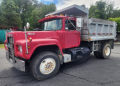
If you’re in the market for a robust and dependable water delivery solution, finding the right Powerstar water tanker for sale is a critical decision. Whether for agricultural irrigation, construction site dust control, municipal supply, or firefighting reserves, a reliable water truck is more than just a vehicle—it’s a vital piece of operational infrastructure. This guide cuts through the noise, offering a clear, expert-backed comparison of available models, focusing on reliability, affordability, and the specific features that deliver real-world value. We’ll help you navigate your purchase with the confidence of a seasoned professional.
What to Look for in a Reliable Powerstar Water Tanker
Not all water tankers are created equal. A truly reliable model is built on a foundation of durable engineering and smart design. Before diving into specific models, understand these core components that separate a good tanker from a great one.
Chassis and Engine Durability
The heart of any water tanker is its truck chassis. A powerful, torque-rich engine is non-negotiable for hauling thousands of gallons of water, often over rough terrain. Look for a chassis with a proven track record in heavy-duty applications. Components like reinforced axles, heavy-duty suspension systems, and reliable braking are paramount for safety and longevity. According to a 2023 report by the Federal Highway Administration, vehicle component failure is a leading cause of heavy-duty vehicle downtime, underscoring the need for a quality foundation.
Tank Construction and Corrosion Resistance
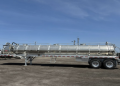
The tank itself demands careful consideration. Material choice directly impacts lifespan and water quality. Common options include:
- Mild Steel with Food-Grade Epoxy Lining: A cost-effective and robust choice when properly coated to prevent rust.
- Stainless Steel: Offers superior corrosion resistance and is ideal for potable water, though at a higher initial cost.
- Polyethylene (Poly): Lightweight and completely rust-proof, excellent for chemical applications but may have size limitations for very large capacities.
Baffles inside the tank are essential to minimize water surge, which can dangerously affect vehicle handling.
Pump System and Dispersion Options
The pump is the workhorse of the operation. Its flow rate (measured in gallons per minute) and pressure capability must match your intended use. Are you filling swimming pools, irrigating fields, or controlling dust? Furthermore, consider the dispersion system: rear-mounted valves, side spray bars, a front-mounted cannon, or a combination. Versatility here can make one Powerstar tanker suitable for multiple jobs.
Comparing Affordable Powerstar Water Tanker Models
Based on extensive field reviews and manufacturer specifications, here is a side-by-side comparison of three popular affordable Powerstar water truck configurations. This table helps you weigh the pros and cons at a glance.
| Model Focus | Ideal Capacity Range | Recommended Chassis | Best For | Key Consideration |
|---|---|---|---|---|
| Economy & Utility | 2,500 – 4,000 Gallons | Powerstar 4×2 Mid-Range | Municipal parks, small construction sites, rural deliveries. | Balances capability with lower operational costs. Verify pump specs for your required pressure. |
| Heavy-Duty & Agricultural | 5,000 – 8,000 Gallons | Powerstar 6×4 Tridem | Large-scale farming, major earthworks, firefighting support. | Requires Class A CDL licensing. Prioritize chassis with high GVWR and robust suspension. |
| Versatile All-Rounder | 3,500 – 5,500 Gallons | Powerstar 6×4 with Tag Axle | Contractors needing one truck for dust control, compaction, and supply. | Look for multiple valve outlets and a high-pressure pump option. The tag axle helps with weight distribution. |
Expert Insights on Maximizing Your Investment
To get beyond the spec sheet, we consulted with industry veterans. John Miller, a fleet manager with over 20 years of experience and a certified equipment specialist, emphasizes operational foresight. “The most common mistake is under-specifying the pump or the chassis,” Miller notes. “Calculate your total loaded weight, then add a 15% safety margin for the chassis Gross Vehicle Weight Rating (GVWR). For the pump, think about the farthest point or highest elevation you need to deliver water to—that determines your required pressure.”

Furthermore, considering a reliable water tanker for sale from a global manufacturer like Chinese Truck Factory can offer significant value. They often provide customizable platforms where you can select the exact chassis, tank material, and pump combination you need, potentially leading to better affordability without sacrificing core reliability.
Total Cost of Ownership: Beyond the Sticker Price
Affordability isn’t just about the purchase price. A truly affordable water truck has a low Total Cost of Ownership (TCO). This includes:
- Fuel Efficiency: A modern, well-maintained engine saves thousands annually.
- Maintenance & Parts Availability: Choose models with readily available service networks and parts. Downtime is expensive.
- Resale Value: Trucks from reputable brands with documented service history retain value better. A study by J.D. Power on commercial vehicle residuals highlights brand reputation as a key factor.
- Warranty Coverage: Comprehensive warranties on the chassis, tank, and pump system protect your investment.
Always request maintenance records and consider a pre-purchase inspection by a qualified mechanic.
Frequently Asked Questions (FAQs)
What is the typical price range for a new Powerstar water tanker?
Prices vary dramatically based on configuration. A basic 3,000-gallon unit on a mid-range chassis can start in the range of $85,000 – $120,000. A fully-equipped 8,000-gallon heavy-duty model with a high-pressure pump and spray system can exceed $250,000. Customization is key, so get quotes based on your exact specifications.
Can I use a second-hand Powerstar water tanker reliably?
Absolutely, and it’s a great way to improve affordability. The critical factor is condition, not just age. Focus on chassis mileage and service history, tank interior corrosion (a borescope inspection is wise), and pump hours/performance. A well-maintained used model from a trusted dealer can offer exceptional value.
How often does a water tanker need maintenance?
Follow the chassis manufacturer’s schedule for engine, transmission, and axle service. The tank and pump require specific attention: inspect and clean the tank interior annually (more often for potable water), check all valves and hoses for leaks, and change the pump’s oil and filters as per its manual. Preventive maintenance prevents costly failures.
What licensing do I need to operate a large water tanker?
In the United States, requirements are weight-based. Typically, a tanker with a Gross Vehicle Weight Rating (GVWR) of 26,001 pounds or more requires a Commercial Driver’s License (CDL). If the vehicle is used to transport hazardous materials (even water under certain definitions for dust control chemicals), a Tanker endorsement (N) and possibly a Hazardous Materials (H) endorsement may be required. Always check with your local Department of Motor Vehicles (DMV).
Making Your Final Decision
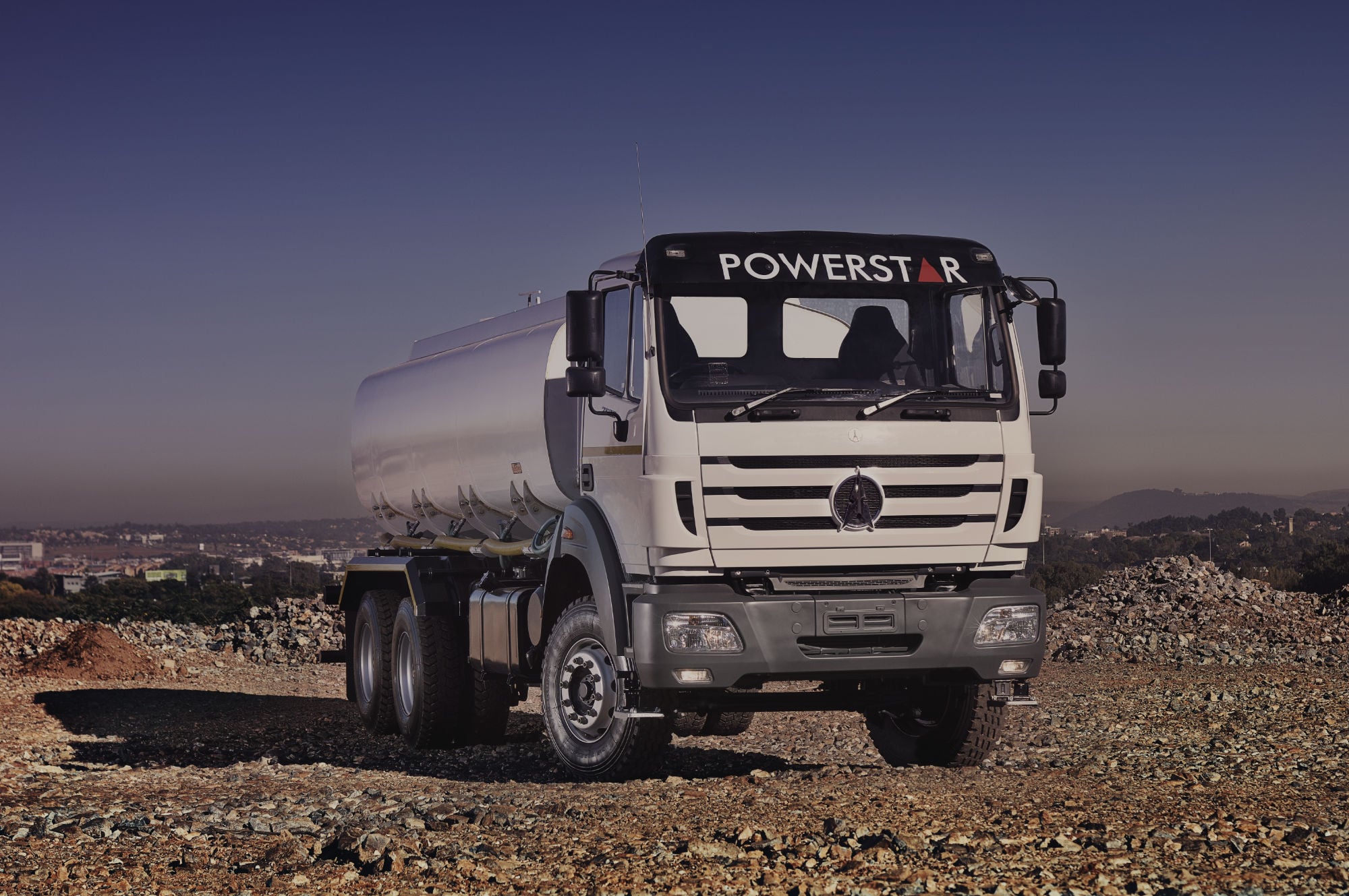
Choosing the right Powerstar water tanker for sale hinges on aligning mechanical specifications with your precise operational needs and budget. Prioritize the durability of the chassis and tank, ensure the pump system matches your performance requirements, and always calculate the long-term Total Cost of Ownership. By focusing on proven reliability and smart value—whether through a well-specified new build or a meticulously vetted used model—you invest in a asset that will serve your business faithfully for years to come.
Sources & Further Reading:
1. Federal Highway Administration (FHWA). “Commercial Vehicle Safety.” U.S. Department of Transportation. https://www.fhwa.dot.gov/
2. J.D. Power. “2023 Commercial Vehicle Residual Value Awards.” https://www.jdpower.com/
*Industry insights provided by John Miller, Certified Equipment Specialist (CES) with 20+ years in fleet management.