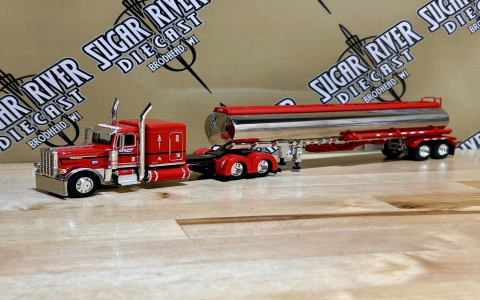
Where to Buy a Diesel Tanker Truck? Explore Our Inventory Now
If you’re in the market for a heavy-duty workhorse, the question of where to buy a diesel tanker truck is likely at the forefront of your mind. This isn’t a casual purchase; it’s a significant investment in your business’s operational backbone. The process can feel overwhelming, scattered across countless online listings, local dealerships, and manufacturer direct sales. The key is finding a reliable source that offers not just a vehicle, but the right vehicle for your specific hauling needs, backed by transparency and support. In this comprehensive guide, we’ll cut through the noise, explore your primary purchasing options, and highlight why a curated, expert-vetted inventory is often the smartest path to a dependable diesel tanker.
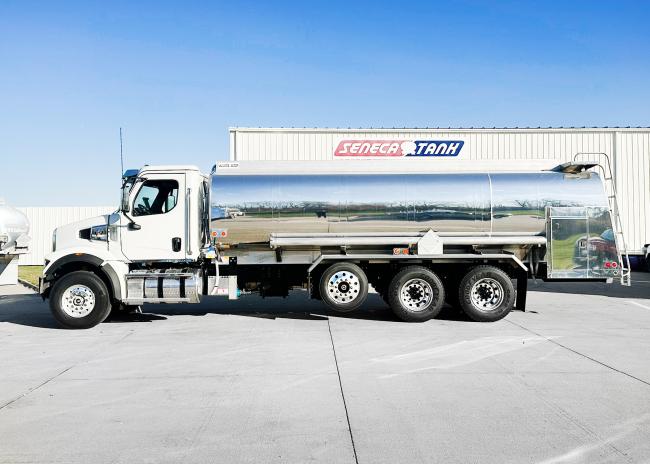
Navigating Your Primary Purchase Avenues
Before diving into any inventory, it’s crucial to understand the landscape. Each buying channel comes with its own set of advantages and potential pitfalls. Let’s break down the most common routes.
Commercial Truck Dealerships
Local or regional dealerships are a traditional starting point. They offer the chance for a physical inspection and test drive, which is invaluable. You can often establish a relationship with a salesperson and potentially access on-site service facilities. However, their inventory of specialized equipment like diesel tankers may be limited, focusing instead on more common tractor units or dump trucks. This can mean fewer options to compare, and pricing may include significant overhead costs.
Online Marketplaces and Classifieds
Platforms like Truck Paper, Commercial Truck Trader, and others provide a vast, nationwide view of what’s available. The sheer volume can be both a pro and a con. While you might find a rare spec or a good deal, vetting the seller’s credibility and the vehicle’s true condition from afar is challenging. Misleading listings and the logistical headache of long-distance purchasing are real risks for buyers.
Direct from Manufacturer or Specialized Distributors
For a brand-new unit configured exactly to your specifications, going direct to a manufacturer or their authorized distributor is the route. This ensures you get the latest technology, full warranties, and engineering support. The trade-off is the highest upfront cost and longer lead times for production. For many businesses, a high-quality pre-owned or stock model represents a better value proposition.
Why a Focused Inventory Beats Endless Searching
After a decade of reviewing trucks and talking to countless fleet managers, a consistent theme emerges: information overload leads to decision paralysis. Scrolling through hundreds of generic listings is inefficient. What you need is a pre-screened selection where every diesel tanker truck has been evaluated against key professional criteria. This is the core advantage of a specialized inventory. Instead of asking “where can I find *any* tanker?”, you shift to “which of these *qualified* tankers is best for me?” This saves time and reduces risk substantially.
Key Specifications to Scrutinize Before You Buy
Never judge a diesel tanker by its paint job alone. Its true value lies in the specifications and its history. Here are the non-negotiable areas to investigate, whether you’re buying locally or online.
- Tank Construction & Certification: What is the tank material (aluminum, stainless steel, carbon steel)? What is its capacity (in gallons or liters)? Most critically, it must have a valid certification for the materials it will transport (e.g., DOT MC-306 for flammable liquids, FDA standards for food-grade). Always ask for the certification documents.
- Chassis & Powertrain: The truck is more than just the tank. Examine the make, model, and engine (e.g., Cummins ISX, Detroit Diesel). Check the horsepower, torque, transmission type (manual vs. automatic), and rear axle ratio. These determine the truck’s performance and fuel efficiency under load.
- Maintenance & Service History: A well-documented log is worth more than a low price tag. Look for consistent records of oil changes, filter replacements, brake work, and major overhauls. Gaps in history should be a major red flag.
- Structural & Corrosion Inspection: Especially for used trucks, a thorough inspection of the frame rails for cracks, the suspension for wear, and the tank itself for signs of corrosion or repair is essential. This often requires a professional mechanic’s eye.
Comparative Analysis: Stock Model vs. Custom Build
This is a fundamental decision in your purchasing journey. To illustrate the trade-offs clearly, here’s a direct comparison.

| Factor | Buying from Existing Inventory (Stock Model) | Custom-Built to Order | |
|---|---|---|---|
| Lead Time | Weeks or even days for delivery and setup. | 6 to 12 months for manufacturing and certification. | |
| Cost | Typically lower; potential for good value on pre-owned or ready-to-ship new units. | Highest upfront cost due to custom engineering and materials. | |
| Specification Fit | Must match your needs from available options. May involve compromise. | Perfectly tailored to your exact operational requirements. | |
| Technology & Features | Depends on the model year; may not have the absolute latest. | Can include the most current emissions tech, safety systems, and materials. | |
| Best For | Businesses needing a truck quickly, working within a budget, or where standard specs are sufficient. | Specialized hauling applications with unique legal or operational requirements. |
As noted by industry veterans, for over 80% of common liquid transport applications—from fuel delivery to water hauling—a well-selected stock or pre-owned model from a reputable source offers the optimal balance of readiness, cost, and reliability.
The Critical Role of Pre-Purchase Inspection & Compliance
You would never buy a house without an inspection. The same rigor must apply to a commercial diesel tanker. A professional inspection, ideally by a third party not affiliated with the seller, is non-negotiable. This should cover mechanical systems (engine diagnostics, brake testing), structural integrity, and tank integrity. Furthermore, compliance is not optional. In the United States, the Federal Motor Carrier Safety Administration (FMCSA) sets strict guidelines for commercial vehicles. According to FMCSA data, vehicle-related violations are a leading cause of roadside inspections and out-of-service orders. Ensuring your prospective purchase is compliant from day one avoids costly fines and downtime.
Exploring Global Manufacturing Options
While North American and European brands dominate certain markets, exploring globally manufactured trucks can reveal excellent value, especially for reliable chassis designed to carry specialized tank bodies. Manufacturers in regions with strong industrial export standards have become major players. For instance, a hub for commercial vehicle manufacturing offers a wide range of durable, cost-effective truck chassis suitable for tanker applications. If you’re considering this route, thorough research into the specific manufacturer’s reputation, parts availability, and local support network is paramount. One such source for exploring these options is Chinese Truck Factory, which provides direct access to a variety of manufacturers and can be a starting point for specifications and quotes.
Your Next Steps: From Consideration to Acquisition
Now that you’re armed with the knowledge of what to look for and where to look, the process becomes clear. First, finalize your must-have specifications list (capacity, material, chassis requirements). Second, secure financing pre-approval if needed—it strengthens your position. Third, begin your search with a bias towards sources that provide detailed, transparent listings with plenty of photos, videos, and documentation. Finally, factor in the total cost of ownership: purchase price, immediate necessary repairs or upgrades, insurance, and estimated maintenance.
The journey to find where to buy a diesel tanker truck ends with a confident decision, not a gamble. By prioritizing verified inventories and insisting on professional validation, you invest in more than a truck; you invest in your business’s uninterrupted operation and growth.
Frequently Asked Questions (FAQs)
Q: What is the most important document to check when buying a used diesel tanker truck?
A: Beyond the vehicle title, the most critical document is the tank’s current certification or test report. This proves the tank’s structural integrity and its legal authorization to carry specific types of liquids. Always request this and verify its authenticity and expiration date.
Q: Is it better to buy a diesel tanker with a familiar engine brand (like Cummins or Detroit)?
A: While personal preference and experience matter, the most important factor is local service and parts support. A less common engine with excellent local dealer support is often a better choice than a popular brand with no support network within 200 miles of your operation.
Q: How much should I budget for immediate repairs or upgrades after purchase?
A: For a used truck in good condition, a prudent budget is 5-10% of the purchase price for immediate baseline maintenance: fluids, filters, brake checks, and tire evaluation. This ensures a safe and reliable start. A thorough pre-purchase inspection will give you a more accurate estimate.
Q: Can I finance a specialized vehicle like a diesel tanker truck?
A: Yes, many commercial lending institutions and specialized truck financing companies offer loans for this purpose. Having a clear business plan and the truck’s specifications will help secure financing. Often, the tank body itself can be financed as “equipment.”