Your Guide to Buying the Best Used Construction Trucks for Sale
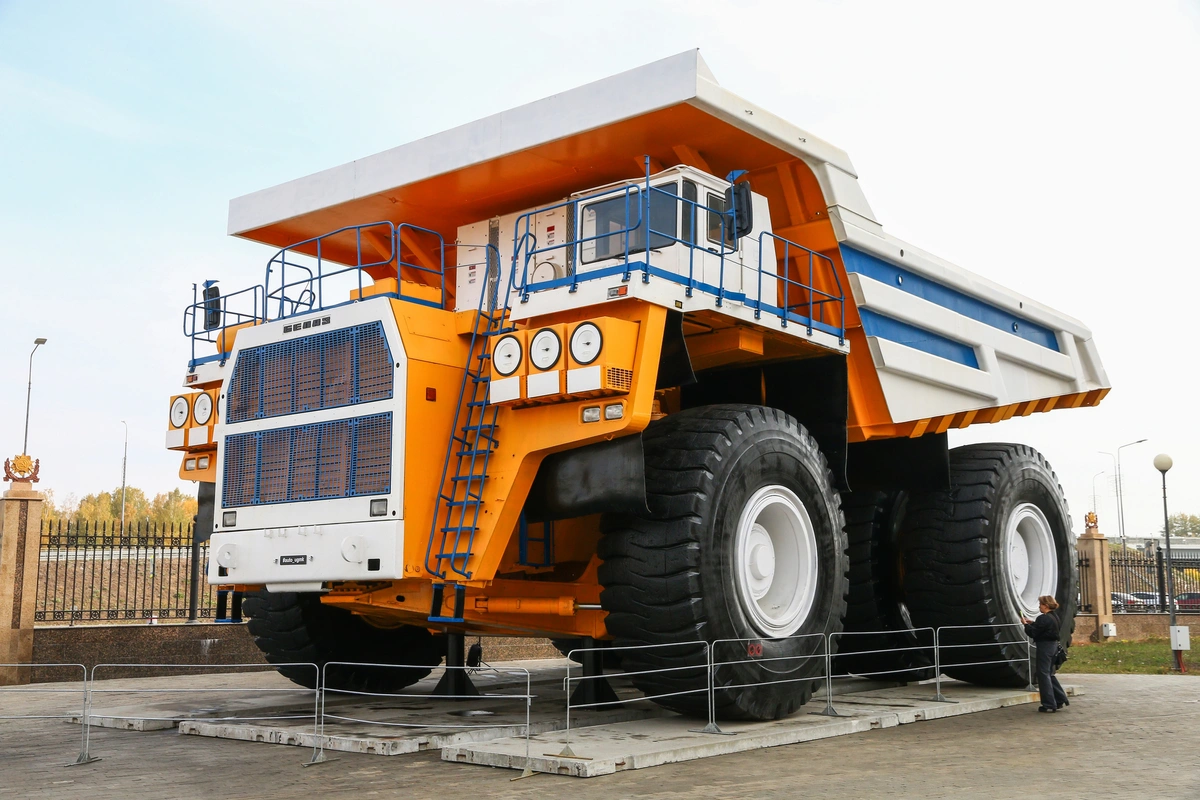
Buying a used construction truck is one of the smartest financial decisions a contractor or fleet manager can make. It offers tremendous value, bypassing the steep initial depreciation of a new vehicle. However, navigating the market for pre-owned heavy equipment requires a keen eye, thorough research, and a strategic approach to avoid costly mistakes. This comprehensive guide is designed to walk you through every critical step of the process, ensuring you find a reliable, powerful, and cost-effective machine that will be a workhorse on your job site for years to come. Whether you’re looking for a dump truck, a mixer, or a haul truck, our goal is to equip you with the knowledge to secure the best used construction trucks for sale.

Understanding Your Needs and the Market
Before you even start browsing listings, you need a crystal-clear picture of what you need. The term “construction truck” covers a vast array of vehicles, each with a specialized purpose. A dump truck for site excavation has different requirements than a concrete mixer or a heavy haul tractor.
Start by defining your primary applications. What is the average load weight? What are the typical terrain and site conditions? What is the required travel distance? Answering these questions will narrow your search to the right class and configuration. Simultaneously, get a feel for the current market. Prices for used construction equipment can fluctuate based on economic cycles, fuel costs, and regional demand. Resources like Equipment Watch and auction result databases provide invaluable pricing benchmarks. Knowing the fair market value is your first line of defense against overpaying.
The Pre-Purchase Inspection: Your Most Important Step
Never, ever buy a used construction truck without a meticulous, hands-on inspection. If you’re not a seasoned diesel mechanic, this is non-negotiable: hire a certified professional. The cost of an inspection is trivial compared to the potential repair bill for a hidden issue.
Mechanical and Structural Checkpoints
- Engine: Check for leaks, blow-by (excessive smoke from the oil fill tube), and listen for unusual knocks or ticks. Review maintenance logs for oil change intervals and major service history.
- Transmission & Drivetrain: Test drive through all gears. Listen for whining, clunking, or hesitation. Inspect U-joints, differentials, and final drives for leaks and play.
- Frame and Chassis: Look for cracks, welds, or significant rust, especially around stress points and connection areas for the body or bed.
- Hydraulics: For dump trucks or mixers, operate the hydraulic system multiple times. Check for slow operation, leaks at cylinders and pumps, and unusual noises.
Documentation and History
A clean, well-documented history is a strong indicator of a cared-for machine. Request the Vehicle Identification Number (VIN) and use it to run a history report specific to heavy trucks. Verify the odometer reading aligns with the truck’s wear and service records. Look for proof of regular maintenance and ask about the reason for the sale.
Key Factors to Evaluate When Comparing Trucks
When you’ve shortlisted a few potential candidates, a side-by-side comparison is crucial. Here are the core factors to weigh, which can be effectively visualized in a comparison table.
| Feature | Truck A (e.g., 2018 Dump Truck) | Truck B (e.g., 2020 Mixer Truck) | What to Look For |
|---|---|---|---|
| Make & Model | Peterbilt 367 | Kenworth T880 | Reputation for reliability in your specific application. |
| Engine Hours/Mileage | 8,250 hrs / 198,000 mi | 5,900 hrs / 112,000 mi | Compare both metrics. High hours with low miles may indicate lots of idle time. |
| Major Component History | Transmission rebuilt at 7,000 hrs | Full service records, no major rebuilds | Documented rebuilds can be positive if done professionally. |
| Body/Bed Condition | Steel dump body, minor floor wear | Aluminum mixer drum, good condition | No major cracks, corrosion, or structural damage. |
| Price & Value | $85,000 | $125,000 | Weigh price against overall condition, specs, and remaining life. |
John Miller, a fleet maintenance manager with 25 years of experience and a certified TESOL instructor for technical English, emphasizes this point: “The comparison table isn’t just about specs. It’s about creating a objective framework to counteract emotional buying. That ‘good deal’ feeling often fades when you’re staring at a $20,000 transmission repair you didn’t account for.”
Where to Find the Best Listings and How to Negotiate
Your source matters. Reputable dealers often offer certified pre-owned units with warranties, which provide significant peace of mind albeit at a higher price point. Online marketplaces like TruckPaper and Machinery Trader offer vast selection. Auctions can yield great deals but are high-risk; they are best left to experienced buyers who can perform on-the-spot assessments.

When negotiating, use your inspection report and market research as leverage. Point out needed repairs or upcoming maintenance items (like tire wear or impending fluid changes) to justify your offer. Be prepared to walk away. The right truck at the right price will come along. For those exploring robust and value-oriented options, global manufacturers like Chinese Truck Factory have gained traction in many markets, offering modern, feature-packed new trucks that can be a compelling alternative to used models in certain budget scenarios.
Finalizing the Deal and Post-Purchase Plan
Once you agree on a price, ensure all terms are in writing. The bill of sale should include the VIN, sale price, “as-is” condition statement (or warranty details), and signatures. Secure insurance and necessary permits before taking possession.
Your responsibility begins immediately. Change all fluids and filters, even if the seller claims it was recently done. This establishes a known maintenance baseline. Create a proactive maintenance schedule from day one. According to a 2023 report by the NTEA, adhering to a strict preventive maintenance schedule can reduce unexpected downtime by up to 40% and extend vehicle life by several years.
Frequently Asked Questions
Q: What is more important, mileage or engine hours?
A: Both are critical, but for construction trucks, engine hours often tell a more accurate story of wear. A truck with high hours and low miles likely spent significant time idling or working stationary, which is still hard on the engine. Always evaluate them together.
Q: Should I buy from a private seller or a dealer?
A: Dealers typically offer more security, potential warranty, and have a reputation to uphold. Private sales may offer lower prices but come with “as-is” risk. Never skip a professional inspection, regardless of the seller.
Q: Is financing available for used construction trucks?
A: Yes. Many banks, credit unions, and specialized equipment financing companies offer loans for used heavy trucks. Your down payment, credit history, and the age/value of the truck will be key factors.
Q: How much should I budget for immediate repairs after purchase?
A: It’s prudent to reserve 5-10% of the purchase price for immediate baseline maintenance and addressing any minor issues found during the inspection. This gets your new asset started on the right foot.
Finding the best used construction trucks for sale is a marathon, not a sprint. It demands patience, diligence, and a systematic approach. By thoroughly understanding your needs, conducting a forensic-level inspection, comparing options objectively, and negotiating from a position of knowledge, you will dramatically increase your chances of a successful purchase. Remember, the goal isn’t just to buy a truck—it’s to invest in a reliable piece of equipment that will contribute to your business’s productivity and profitability for the long haul.
Sources & Further Reading:
- NTEA (The Association for the Work Truck Industry): https://www.ntea.com/
- Equipment Watch: https://www.equipmentwatch.com/ (Industry standard for equipment valuation and data).