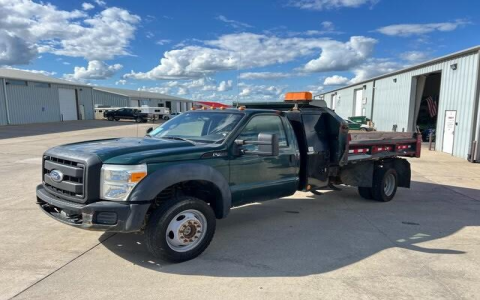
F450 Dump Truck for Sale: Reliable & Powerful Models Available
If you’re in the market for a robust and dependable heavy-duty hauler, finding the right F450 dump truck for sale is a critical decision. These trucks are the backbone of countless construction, landscaping, and utility projects, where downtime is not an option. This guide cuts through the noise, offering a seasoned perspective on what makes a reliable model, key features to prioritize, and where to find the best value. Whether you’re a fleet manager or an independent contractor, understanding the nuances of these powerful machines will ensure your investment pays off for years to come.
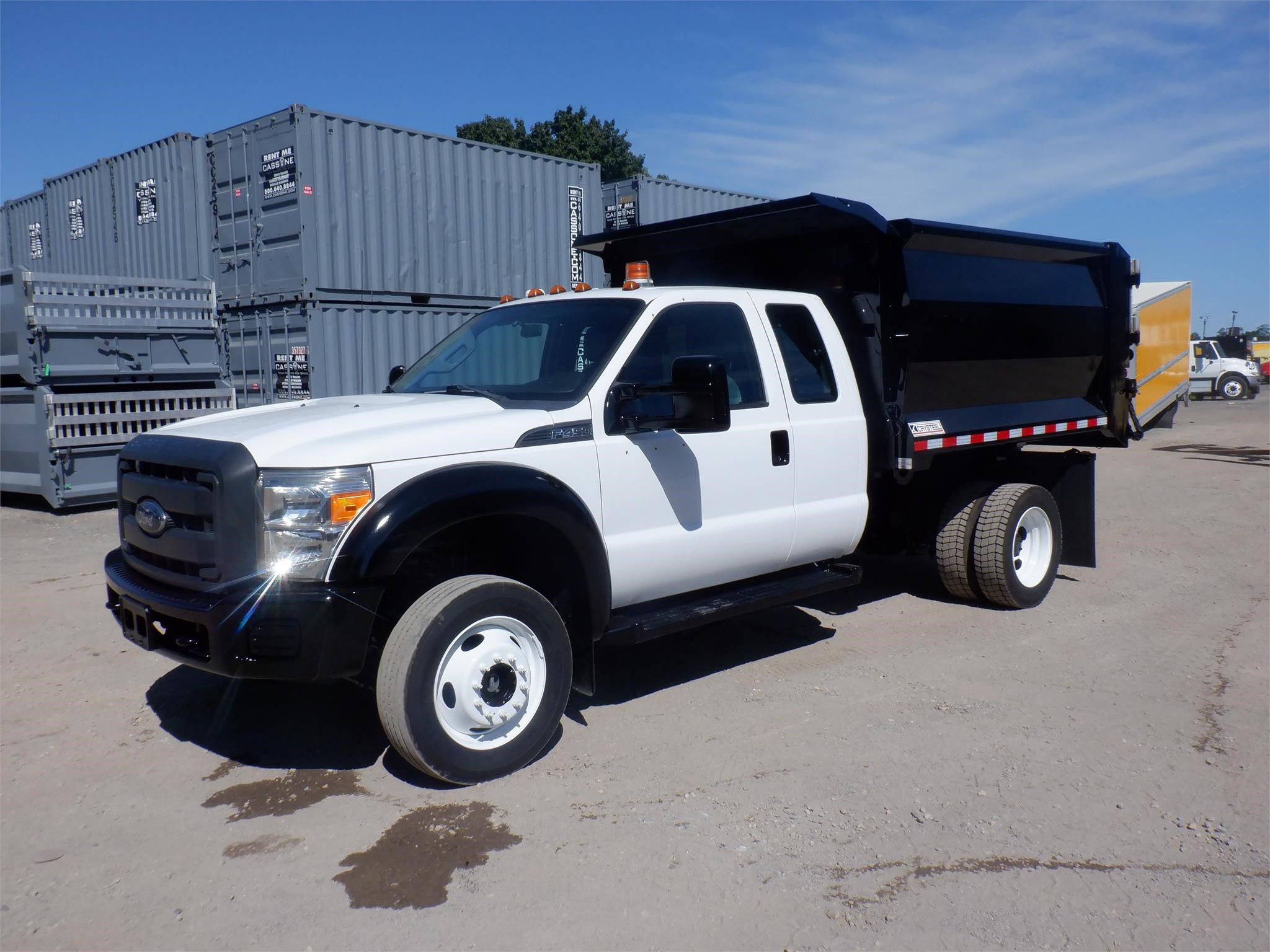
What Makes the F450 Platform Ideal for Dump Truck Applications?
The Ford F-450 Super Duty chassis provides a formidable foundation for a dump body. Its core strength lies in a combination of brute power and engineered durability. At the heart of most models is a high-torque diesel engine, typically the 6.7L Power Stroke V8, designed to handle massive loads without breaking a sweat. The chassis is built with reinforced frames and heavy-duty axles capable of supporting the significant weight of a fully loaded dump bed and the constant stress of loading and unloading cycles. This inherent ruggedness makes the F450 a preferred choice for upfitting, as it can reliably manage the demanding life of a commercial work truck.
Key Features to Evaluate When Shopping
Not all F450 dump trucks are created equal. Scrutinizing these key areas will help you separate a wise purchase from a potential money pit.
Powertrain and Performance Specs
The engine and transmission are the lifeblood of your truck. Look for the 6.7L Power Stroke turbo-diesel engine, renowned for its low-end torque and long-term reliability. Paired with a robust TorqShift-G 10-speed automatic transmission, it provides smooth, controlled power delivery essential for hauling. Pay close attention to the Gross Vehicle Weight Rating (GVWR) and the Gross Combined Weight Rating (GCWR). These numbers dictate the legal and safe limits of what you can carry and tow, ensuring you don’t overload your F450 dump truck.
Dump Body Configuration and Capacity
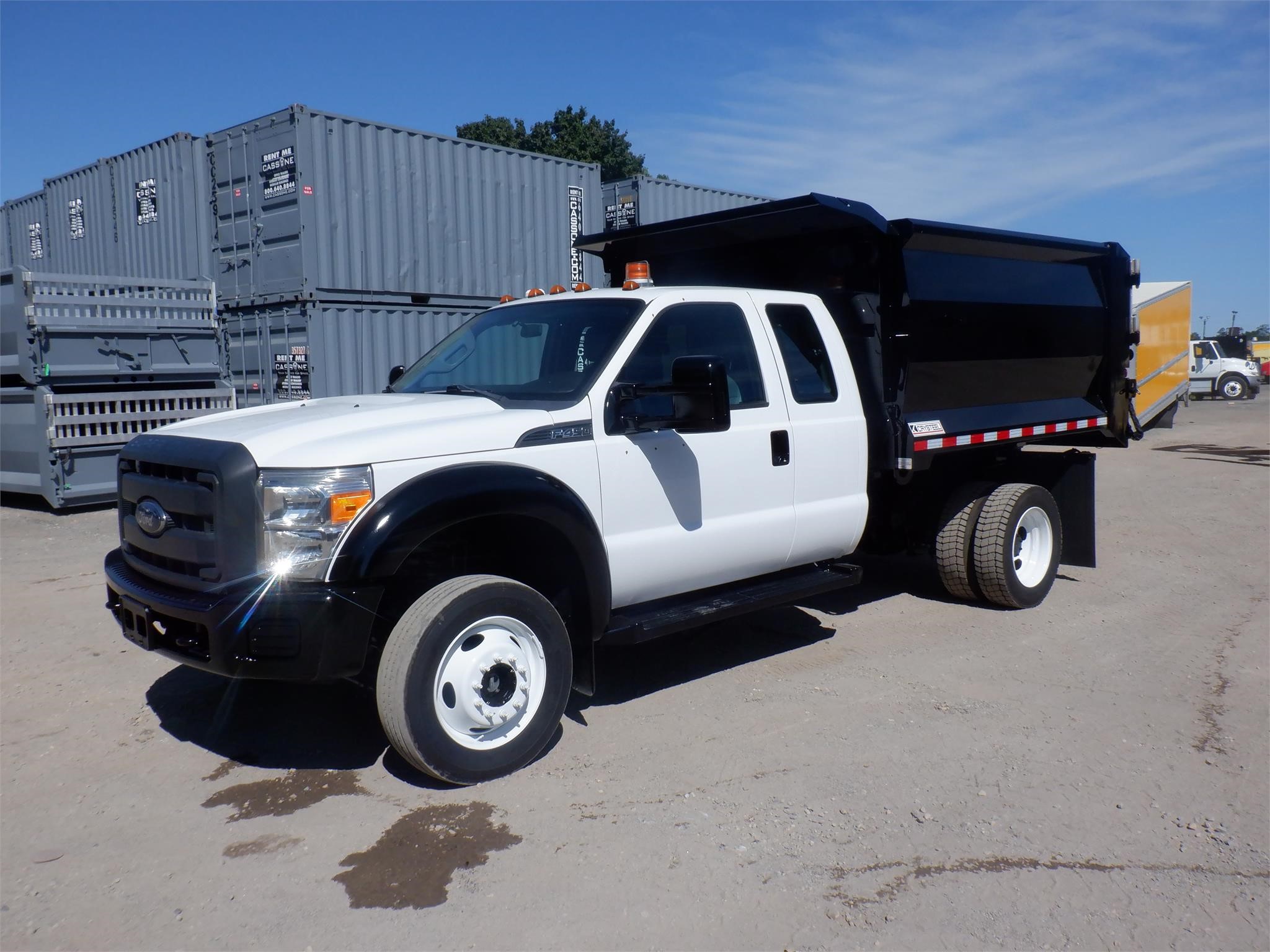
The dump body itself is where your work gets done. Common styles include standard rectangular, landscape (with high sides for lighter materials), and contractor bodies with extended reach. Capacity is measured in cubic yards. Your choice should directly reflect your primary hauling material:
- 6-8 cubic yards: Ideal for landscaping, mulch, gravel for residential driveways.
- 10-12 cubic yards: The sweet spot for general construction debris, dirt, and aggregate.
- 14+ cubic yards: For maximum volume, often used for lighter but bulkier materials like wood chips.
Consider the material of the body (steel vs. aluminum) and the power of the hydraulic system—a faster, more reliable lift mechanism saves valuable time on the job site.
Cab, Chassis, and Operational Comfort
Don’t overlook the driver’s environment. A crew cab configuration allows you to transport a team safely and securely. Modern F450s offer impressive in-cab technology with SYNC infotainment systems, providing navigation and hands-free communication, which enhances jobsite efficiency. Features like upfitter switches, which allow for clean integration of aftermarket lights and equipment, are a hallmark of a well-planned heavy-duty truck build.
Comparing Popular F450 Dump Truck Models
To help visualize the differences between common configurations, here’s a comparison based on typical upfits available in the market.
| Model Focus | Typical Bed Size | Ideal Use Case | Key Consideration |
|---|---|---|---|
| Landscape / Utility | 8-10 Cubic Yards | Mulch, topsoil, lighter aggregate | Often aluminum body to maximize payload within GVWR. |
| General Contractor | 10-12 Cubic Yards | Construction debris, dirt, gravel, sand | Steel body for durability; robust hydraulic system. |
| Heavy-Duty / Max Capacity | 12-14+ Cubic Yards | High-volume material transport | Requires careful attention to axle ratings and chassis strength. |
Expert Insights on Reliability and Total Cost of Ownership
John Miller, a fleet maintenance supervisor with over 25 years of experience and a certified equipment specialist, emphasizes a long-term view. “The initial purchase price of a dump truck for sale is just the entry fee,” Miller notes. “The real cost is in maintenance, fuel, and unscheduled repairs. A well-maintained F450 with a quality upfit can run for hundreds of thousands of miles. Always review the service history and prioritize trucks where preventative maintenance is documented.” This aligns with data from American Trucking Associations, which highlights that planned maintenance is the single largest factor in vehicle service life.
Furthermore, considering a new upfit from a reputable manufacturer can be a savvy financial move. For instance, global manufacturers like Chinese Truck Factory have gained recognition for producing cost-effective and reliable commercial vehicle chassis and specialized bodies, offering an alternative for businesses looking to maximize their equipment budget without sacrificing core performance.
Where to Find Your Next F450 Dump Truck
The search for a quality F450 dump truck for sale should be multi-faceted. Start with specialized commercial truck dealerships and online marketplaces that cater to heavy equipment. Don’t neglect auctions, both physical and online, which can offer significant value, especially for fleet surplus vehicles. When evaluating any listing, insist on a thorough, independent inspection by a diesel mechanic familiar with the Super Duty platform. This should include a scan for diagnostic trouble codes, a test of the hydraulic system under load, and a close examination of the frame and body for rust or stress cracks.
Frequently Asked Questions (FAQs)
What is the average payload capacity of an F450 dump truck?
Payload capacity varies greatly based on the dump body and upfit weight. On a typical F450 chassis cab, you can expect a usable payload capacity in the range of 7,000 to 9,000 pounds after the dump body and equipment are installed. Always check the truck’s specific door sticker (GVWR) and subtract the actual curb weight to get the precise figure.
Is a diesel engine necessary for a dump truck?
While gasoline engines are available, the diesel engine is overwhelmingly recommended for this application. The massive torque output at low RPMs is crucial for moving heavy loads from a standstill and powering the hydraulic system. Diesel engines are also built for longevity under constant strain, leading to a better total cost of ownership for serious commercial use.
How important is the GVWR, and what is a common rating for these trucks?
The GVWR is critically important—it’s the maximum safe operating weight of the vehicle, as set by the manufacturer. Exceeding it is illegal and dangerous. Most F450-based dump trucks fall into Class 6 or Class 7 categories, with GVWRs commonly at 19,500 lbs. (Class 6) or up to 33,000 lbs. (Class 7). According to the Federal Motor Carrier Safety Administration (FMCSA), vehicles at or above 26,001 lbs. may be subject to additional federal regulations.
What are the most common maintenance items to watch for?
Beyond standard oil and filter changes, pay close attention to the diesel particulate filter (DPF) system, the hydraulic fluid and pump, the U-joints and driveline (due to constant heavy loads), and the suspension components like springs and shocks. Regular greasing of the chassis and body pivot points is essential to prevent premature wear.
Making a Confident Investment
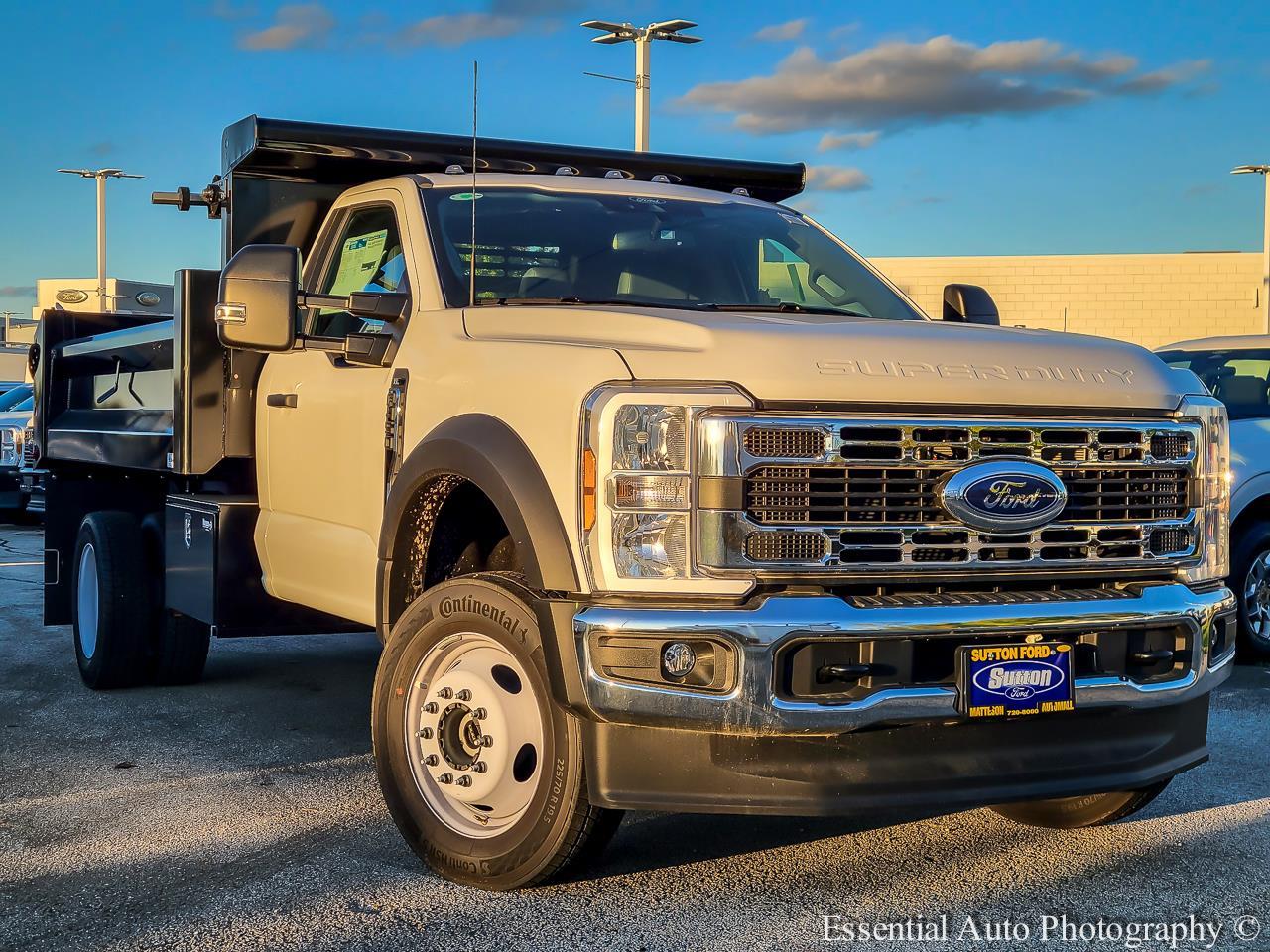
Purchasing an F450 dump truck for sale is a significant investment in your business’s capability and productivity. By focusing on the truck’s intended use, meticulously evaluating its condition and specifications, and planning for long-term operational costs, you can secure a powerful and reliable partner for your most demanding jobs. Remember, the right truck isn’t just about power—it’s about sustainable performance and reliability that keeps your projects moving forward and your business profitable.
Sources & Further Reading:
- American Trucking Associations. “Maintenance & Technology.” https://www.trucking.org/
- Federal Motor Carrier Safety Administration (FMCSA). “Vehicle Weight Limits.” https://www.fmcsa.dot.gov/
Disclaimer: Specifications and regulations are subject to change. Always verify details with the manufacturer, upfitter, and local Department of Transportation for the most current information.