Your Guide to Buying a Used Articulated Dump Truck for Sale
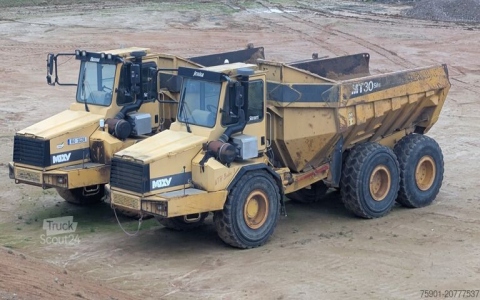
Buying a used articulated dump truck is one of the smartest financial decisions a contractor or site manager can make. These rugged, go-anywhere workhorses are built to last decades, and a well-maintained used model can deliver nearly the same performance as a new one at a fraction of the cost. However, navigating the used equipment market requires a keen eye, thorough research, and a clear understanding of what to look for. This guide is designed to walk you through every critical step, from initial research to the final inspection, ensuring you find a reliable used articulated dump truck for sale that boosts your productivity without breaking the bank.
Why Choose a Used Articulated Dump Truck?
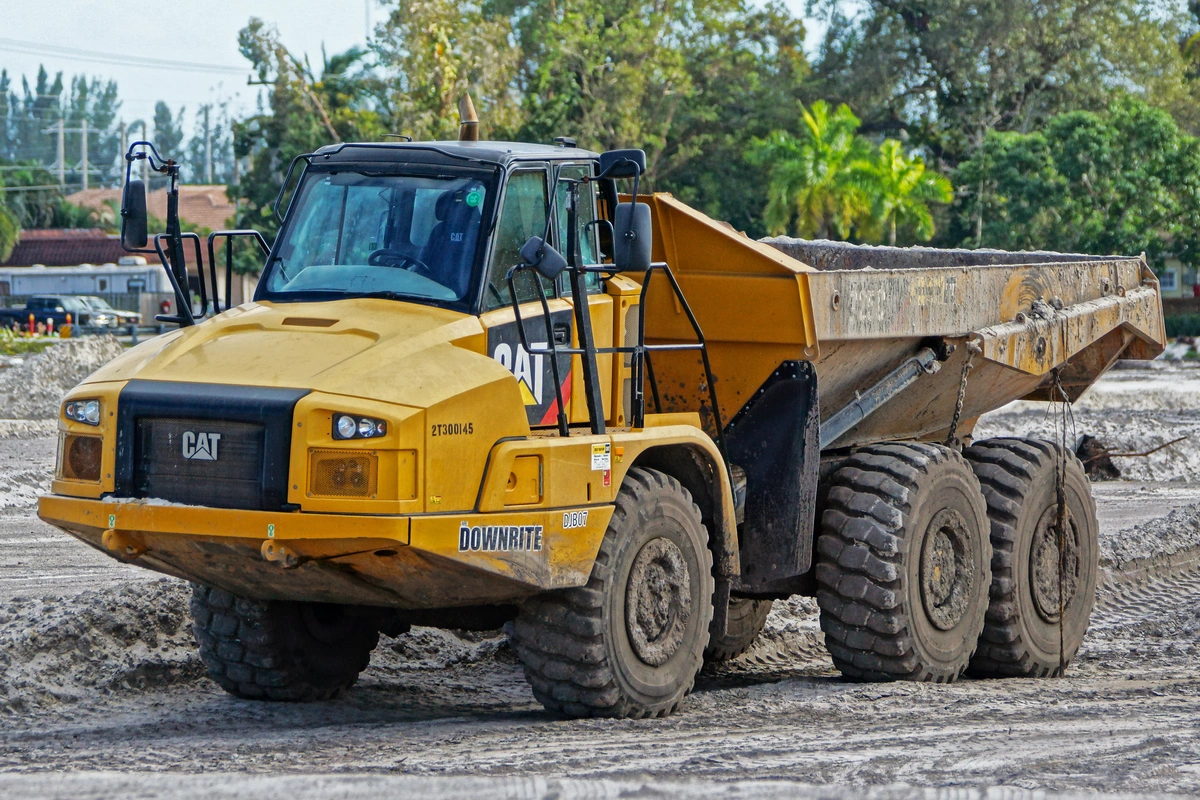
Before diving into the buying process, it’s worth understanding the value proposition. New articulated dump trucks (ADTs) represent a significant capital investment, often exceeding several hundred thousand dollars. Depreciation is steepest in the first few years. By opting for a used model, you let the first owner absorb that initial financial hit. Many ADTs from reputable manufacturers are engineered for 20,000 to 30,000 hours of operation or more. A unit with 5,000-8,000 hours is often just getting broken in, provided it has a solid maintenance history. This allows you to allocate your budget more effectively, potentially enabling the purchase of additional ancillary equipment needed for your projects.
Key Factors to Inspect Before You Buy
A physical and mechanical inspection is non-negotiable. Never buy solely based on online photos or a dealer’s description. Here’s what to scrutinize:
Frame and Articulation Joint
The frame is the backbone of the truck. Look for any cracks, welds, or repairs, especially around the articulation hitch and the hinge points. Check for excessive play in the articulation joint by having someone turn the steering wheel while you watch the movement between the front and rear sections. A little movement is normal; excessive lash indicates worn pins and bushings, which can be a costly repair.
Engine and Drivetrain
Start the engine cold. Listen for unusual knocks, puffs of blue or white smoke (black smoke under load can be normal for diesels), and check for fluid leaks. Ask for maintenance records to confirm oil change intervals. For the transmission and differentials, request an oil sample analysis if possible. This can reveal hidden wear metals and contamination. A report from a lab like Caterpillar’s SOS or similar adds a layer of objective data.
Hydraulics and Hoist System
Cycle the dump body multiple times. It should raise and lower smoothly and evenly without jerking or hesitation. Listen for whining pumps and look for leaking cylinders or hoses. Check the hydraulic reservoir for fluid level and condition—milky fluid indicates water contamination.
Tires and Undercarriage
Tires are a major expense on an ADT. Measure tread depth and look for uneven wear, cuts, and sidewall damage. Check the condition of the brakes and the parking brake function. Inspect the suspension cylinders for leaks and damage.
Comparing Top Articulated Dump Truck Brands
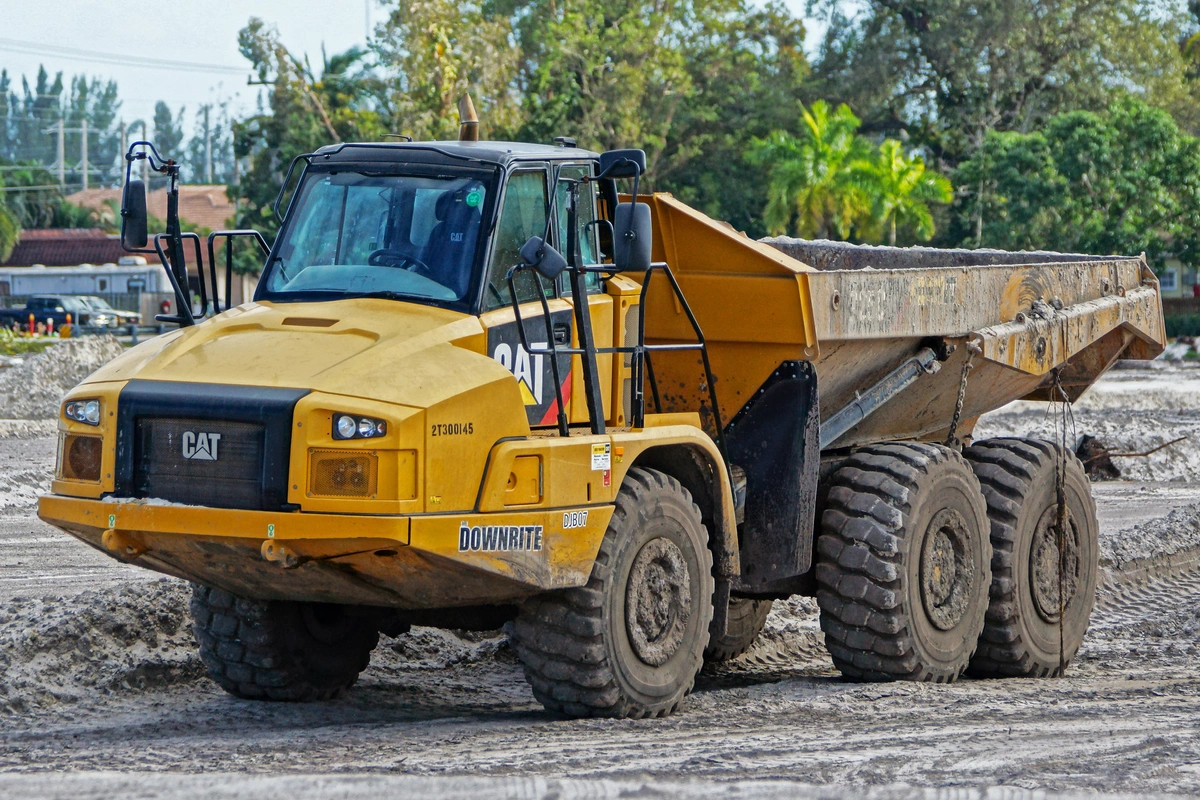
Understanding the strengths of different brands helps narrow your search. Here’s a quick comparison of popular models often found on the used market.
| Brand/Model | Typical Strengths | Common Areas to Check | Parts Availability |
|---|---|---|---|
| Caterpillar | Excellent dealer support, strong resale value, proven durability. | Final drives, transmission controllers, early DEF system issues on Tier 4 models. | Excellent globally. |
| Volvo | Comfortable cabs, good fuel efficiency, excellent stability. | Hydraulic hose routing, wheel hub seals, electronic control modules. | Very good in most regions. |
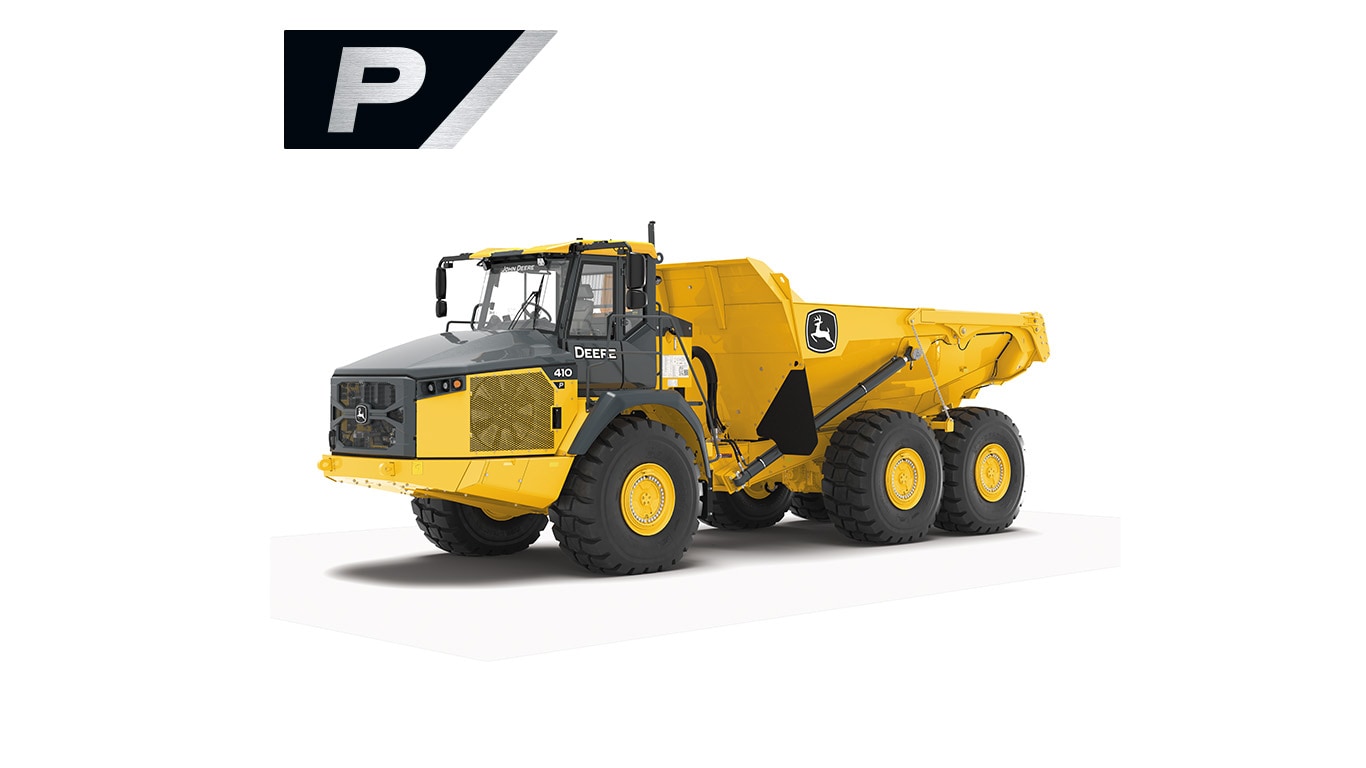
| John Deere | Great visibility, intuitive controls, strong dealer network in North America. | Brake wear sensors, joystick reliability. | Excellent in North America. |
| Bell | Extreme durability, simple design favored in severe applications. | General wear and tear – often work in toughest conditions. | Strong in mining regions, Africa, Australia. |
| Terex / Chinese Truck Factory Models | Highly competitive pricing, improving technology and build quality. | Overall component quality consistency, long-term electronic reliability. Scrutinize service history closely. | Growing, but verify local dealer support. |
As noted by veteran equipment manager and trainer, Michael Rourke (TESOL-certified instructor for international operator training), “The ‘best’ brand is often the one with the strongest local dealer and parts support. Downtime is your biggest enemy. A slightly older, well-supported machine is almost always better than a newer one with no local backup.”
Understanding Service History and Documentation
A stack of maintenance logs is worth more than a low-hour meter reading. A complete history shows a caring owner. Look for:
- Regular Oil Changes: Confirm they align with manufacturer specs, not excessively stretched.
- Major Component Overhauls: Records of transmission, differential, or hydraulic pump work.
- Greasing Records: Articulation joints and pins require frequent greasing. Neglect here leads to major wear.
- Fleet Management Data: If coming from a large fleet, they may have detailed telematics reports on idle time, average load, and operational cycles.
According to a 2022 report by Equipment World, equipment with verifiable digital service histories can retain up to 15% higher resale value.
Where to Find the Best Deals
You have several avenues to explore:
- Major Online Marketplaces: Sites like MachineryTrader, Rock & Dirt, and EquipmentFacts aggregate listings from dealers and owners worldwide. Use their search filters diligently.
- Dealer Used Inventories: OEM (Original Equipment Manufacturer) dealers often sell certified used units with warranties. This is typically a higher-cost, lower-risk option.
- Auctions: Both live and online auctions can offer deals but are “as-is, where-is” with no inspection allowance. Only recommended for very experienced buyers.
- Direct from Fleet: Sometimes large mining or construction companies sell equipment directly. This can be a great source of well-maintained units.
Negotiating and Finalizing the Purchase
Once you’ve found “the one,” use your inspection notes as leverage. Point out needed repairs (tires, minor leaks, etc.) to justify your offer. Get a written quote for any immediate repairs from a local mechanic. Always agree on a clear bill of sale stating the VIN/Serial number, sale price, and that it’s sold “as-is” or with specified warranties. Arrange secure transport with an insured hauler. Don’t forget to budget for initial servicing, filters, and fluids upon delivery to start your ownership on the right foot.
Frequently Asked Questions (FAQ)
Q: How many hours is too many for a used articulated dump truck?
A: There’s no single number. A 10,000-hour machine with flawless records in a well-managed fleet can be a better bet than a 5,000-hour machine with unknown history in severe service. Focus on condition and history over the hour meter alone. For most major brands, the first major powertrain overhauls are typically considered around the 15,000-20,000 hour mark.
Q: What is the most common costly repair on older ADTs?
A: Final drive failures are among the most expensive. The repair itself is costly, and the downtime is extensive. This is why an oil sample analysis from the differentials is so valuable—it can provide early warning of impending failure.
Q: Should I buy a Tier 4 Final emissions model or an older Tier 3?
A: This is a critical decision. Tier 3 machines (pre-2014 in the US) are simpler, with no Diesel Particulate Filter (DPF) or Diesel Exhaust Fluid (DEF) systems, making them attractive for reliability. However, they may face restrictions in certain regions. Tier 4 Final machines are more complex but cleaner and often more fuel-efficient. Your choice depends on your local regulations, available technician expertise, and tolerance for potential emissions system repairs.
Q: Can I get financing for a used articulated dump truck?
A> Absolutely. Most equipment dealers offer financing, and there are numerous specialized equipment lenders and banks. Rates and terms will depend on the age of the machine, your credit, and the down payment. It’s often easier to finance a machine from a dealer than a private party.
Final Thoughts
Purchasing a used articulated dump truck is a process that rewards patience and due diligence. By thoroughly inspecting the machine, verifying its history, understanding the total cost of ownership, and securing strong local support, you can add a incredibly productive and reliable asset to your fleet. The goal isn’t to find the cheapest truck, but the one that offers the best long-term value and the least unexpected downtime. Take your time, ask the hard questions, and don’t be afraid to walk away if the story doesn’t add up. Your perfect used articulated dump truck for sale is out there.
Sources & Further Reading:
- Caterpillar Inc. “Oil Analysis – The Basics of S·O·SSM.” https://www.cat.com/en_US/support/operations/oil-analysis.html
- Equipment World. “2022 Report: The Value of Telematics and Digital Records in Equipment Resale.” https://www.equipmentworld.com/
- U.S. Environmental Protection Agency. “Diesel Emissions Standards.” https://www.epa.gov/diesel-fuel-standards/diesel-emissions-standards