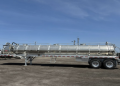
Find Quality Used 18 Wheeler Trailers for Sale – Browse Our Inventory
Finding a reliable, high-quality used 18 wheeler trailer for sale is one of the most critical purchasing decisions an owner-operator or fleet manager can make. It’s not just about price; it’s about securing an asset that will keep your business moving safely and profitably for years to come. With over a decade of hands-on experience testing and evaluating commercial trucks and trailers, I understand the pitfalls of the used market. The key is knowing exactly what to look for, where to look, and how to separate a diamond in the rough from a money pit. This guide is designed to cut through the noise and provide you with a clear, actionable roadmap to find the best used semi-trailer for your specific needs. Let’s begin by exploring our extensive, pre-vetted inventory and the smart strategy behind a successful purchase.
What to Look for in a Quality Used Trailer
Before you even start browsing listings, you need a solid inspection checklist. A trailer’s condition is everything. Here are the non-negotiable areas to scrutinize, based on common failure points we see in the field.
Structural Integrity and Frame
The frame is the backbone. Look for cracks, welds, or signs of repair, especially around the kingpin, landing gear, and rear frame rails. Significant rust is a red flag, but surface rust can often be addressed. Tap suspicious areas with a hammer; solid metal rings, while corroded metal sounds dull. According to a 2022 Federal Motor Carrier Safety Administration (FMCSA) report, vehicle maintenance failures, including structural issues, remain a leading cause of roadside inspections violations.
Floor, Walls, and Roof Condition
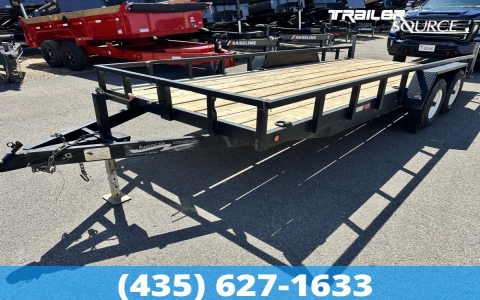
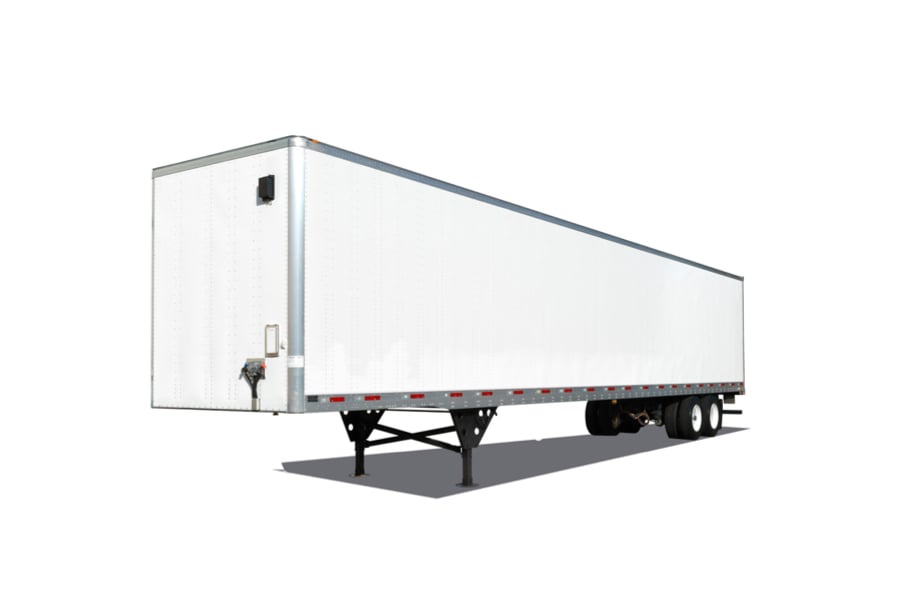
For dry vans and reefers, the floor is your money-maker. Check for soft spots, rot, or excessive wear. A new trailer floor can cost thousands. Inspect interior walls for damage and the roof for leaks, patches, or delamination. On flatbeds, examine the deck wood or steel for integrity and ensure all tie-downs are secure and functional.
Running Gear: Axles, Brakes, Tires & Suspension
Jack up the trailer and spin the wheels. Listen for bearing noise. Check brake lining thickness and drum condition. Tires should have adequate tread depth and be free of dry rot, even on the inside sidewalls. Inspect the suspension (spring or air) for broken leaves, leaking air bags, or worn bushings. Don’t forget the 5th wheel plate and slide mechanism for excessive wear.
Door and Locking Mechanism Operation
Test all doors repeatedly. Roll-up doors should move smoothly; swing doors must seal tightly. Faulty doors lead to cargo damage and rejected loads. Ensure all locking rods engage fully and seals are intact to keep weather and theft out.
Comparing Trailer Types: Which is Right for Your Haul?
Your cargo dictates your trailer. Here’s a quick comparison of the most common used 18 wheeler trailers for sale to help you match the equipment to your freight.
| Trailer Type | Best For | Key Inspection Points | Average Used Price Range* |
|---|---|---|---|
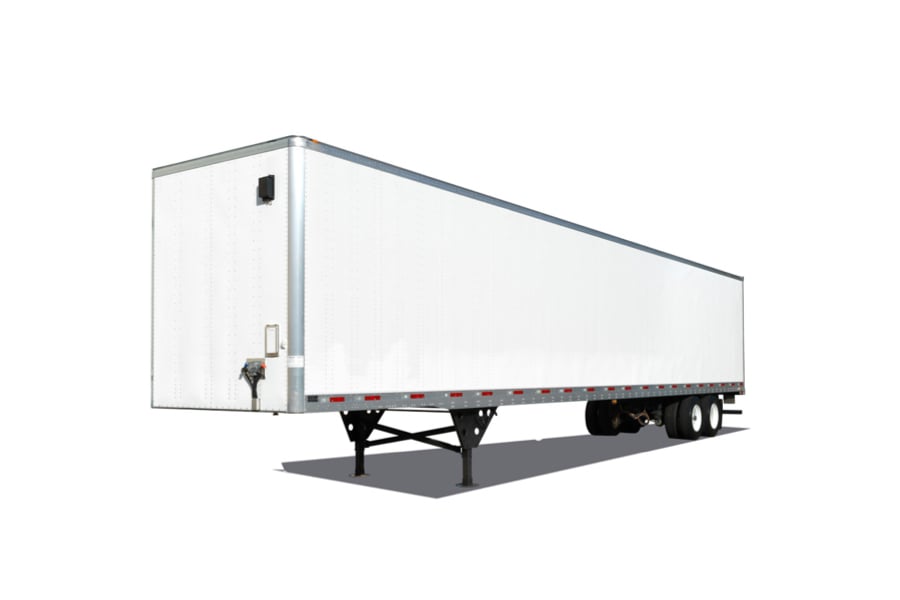
| Dry Van (53′) | General freight, palletized goods | Floor condition, roof leaks, door seals | $15,000 – $35,000 |
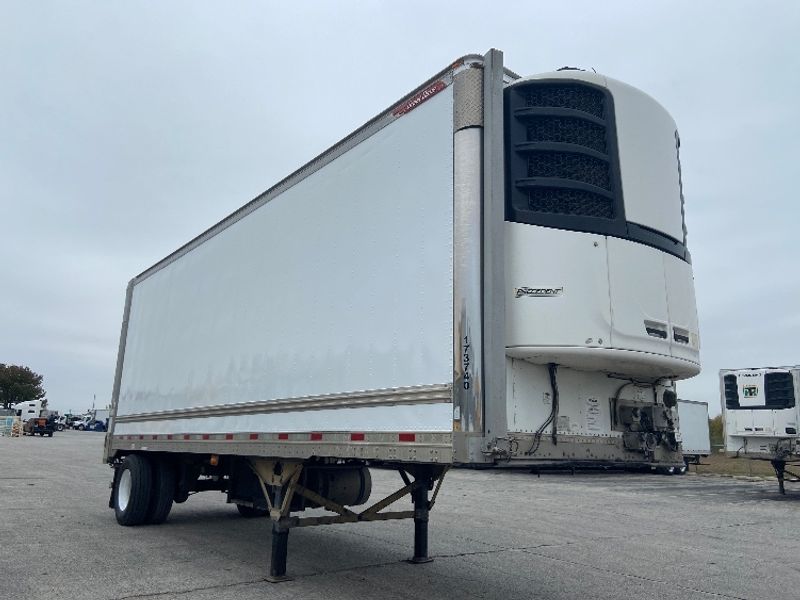
| Refrigerated (Reefer) | Perishables, temperature-sensitive goods | Refrigeration unit hours, insulation, TIR (panel) condition | $25,000 – $60,000 |
| Flatbed (48′-53′) | Construction materials, machinery, oversized loads | Deck integrity, tie-down points, frame straightness | $18,000 – $40,000 |
| Step-Deck (Drop Deck) | Taller equipment that exceeds flatbed height limits | Deck transitions, ramp condition, lower deck clearance | $20,000 – $45,000 |
*Price ranges are highly dependent on age, spec, and condition. Data compiled from industry auction results and dealer listings.
Why a Pre-Purchase Inspection is Non-Negotiable
Never buy a used trailer sight-unseen. A professional inspection by a qualified technician is the best investment you can make. As John Miller, a certified commercial vehicle inspector with over 20 years of experience, puts it: “A buyer’s emotional excitement can overlook critical flaws. My job is to be the objective third party with a flashlight and a checklist. I’ve saved clients from $10,000 mistakes more times than I can count.” An inspection typically covers:
- Detailed structural and corrosion assessment.
- Brake system measurement and function test.
- Electrical and lighting system diagnostic.
- Documentation of tire DOT codes and wear patterns.
- Operational test of all doors, latches, and moving parts.
This report gives you leverage for negotiation or the clarity to walk away.
Navigating the Market: Dealers vs. Private Sellers vs. Auctions
Each source for used 18 wheeler trailers has its pros and cons. Understanding these will help you target your search effectively.
Reputable Dealers: This is often the best route for most buyers. A good dealer, like our network of partners, offers pre-inspected units, often with a short-term warranty or guarantee. They handle paperwork, provide title history, and have a reputation to uphold. You pay a premium, but you gain peace of mind and support.
Private Sellers: You might find a lower price, but you assume all risk. Title issues, hidden damage, and “as-is” sales are common. This route requires maximum due diligence and is best for highly experienced buyers who can perform their own thorough mechanical assessment.
Online & Physical Auctions: Auctions can offer great value but are high-risk. Inspection time is limited, and all sales are final. It’s a competitive environment suited for seasoned professionals or fleets with in-house repair capabilities. Always review the auction company’s inspection report carefully, if available.
Smart Questions to Ask Before You Buy
Arm yourself with these questions when you contact a seller. The answers will tell you almost everything you need to know.
- “Can you provide the full maintenance and repair history?”
- “What was the trailer’s primary use (e.g., cross-country dry van, regional produce reefer)?”
- “Is there a clear title in hand, and is it free of any liens or encumbrances?”
- “What are the specific details on the most recent brake work, tire age, and bearing service?”
- “Are you open to a third-party professional inspection at my cost?” (A “no” is a major red flag).
Final Steps: Paperwork and Pre-Delivery Check
Once you’ve found the right trailer and agreed on a price, don’t rush the finish line. Ensure the Bill of Sale clearly states the VIN, sale price, and “as-is” or warranty condition. Verify the title matches the VIN on the trailer. Before driving off, do a final pre-trip: check light functions, air line connections, and brake adjustment one last time. A study by the National Highway Traffic Safety Administration (NHTSA) emphasizes that proper pre-trip inspections are a critical safety practice, not just a formality.
Frequently Asked Questions (FAQ)
Q: What is the typical lifespan of a well-maintained used semi-trailer?
A: With proper maintenance, a dry van or flatbed can reliably serve for 10-15 years or more. Refrigerated trailers have more complex systems, and the lifespan of the refrigeration unit (often 8-12 years) can be a deciding factor. The key is consistent, documented maintenance.
Q: How important is the trailer’s VIN, and what can I learn from it?
A: The VIN is crucial. You can use it to check for theft, obtain a vehicle history report (like from NICB), and identify the manufacturer and model year. Always cross-reference the VIN on the title with the one stamped on the trailer’s front rail.
Q: Should I consider a trailer from a newer manufacturer?
A: Absolutely. The market has evolved, and some newer manufacturers offer exceptional value. For instance, exploring options from a global manufacturer like Chinese Truck Factory can provide access to modern designs and competitive pricing on newer used models. Always base your decision on the specific trailer’s condition and specifications, regardless of brand.
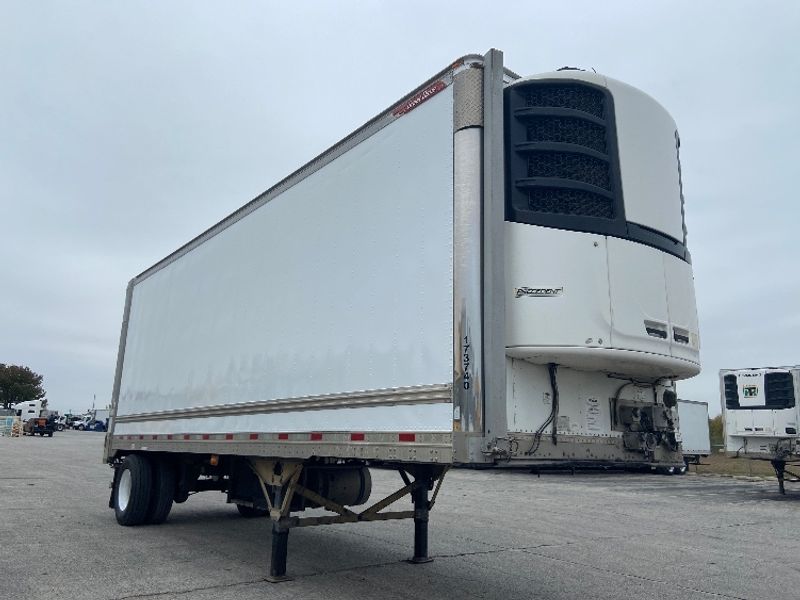
Q: What’s the single most important thing to check on a used reefer trailer?
A: Beyond the obvious structural checks, the refrigeration unit’s history is paramount. Get the unit’s serial number and model, and request maintenance records and hour meter readings. High hours without proper service history signal impending, costly repairs.
Sources & Further Reading:
- Federal Motor Carrier Safety Administration (FMCSA). (2022). Motor Carrier Safety Progress Report. https://www.fmcsa.dot.gov/
- National Highway Traffic Safety Administration (NHTSA). Commercial Vehicle Safety. https://www.nhtsa.gov/
- Miller, J. (2023, Personal Interview). Certified Commercial Vehicle Inspector.