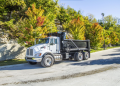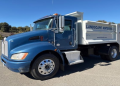
Renting vs Buying a 12-15 Cubic Meter Truck Guide
“`html

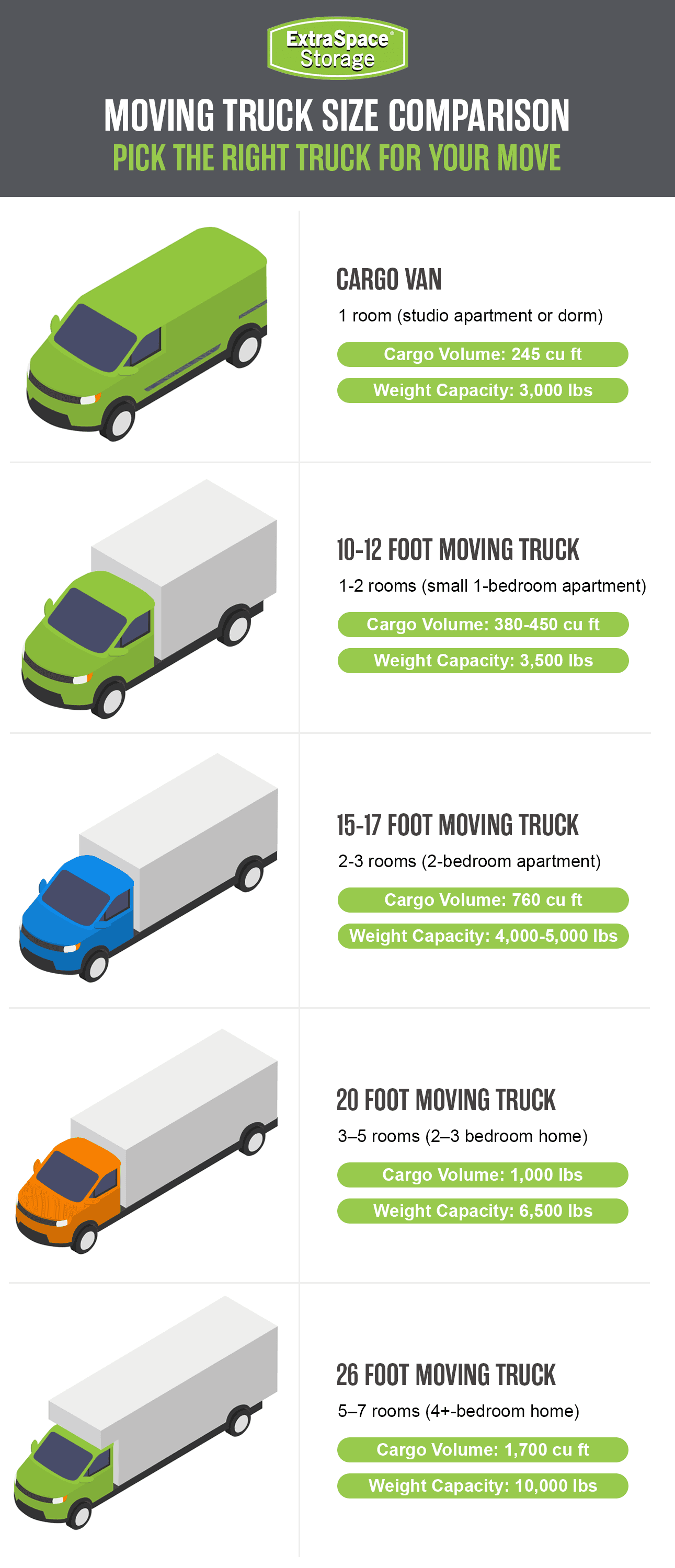
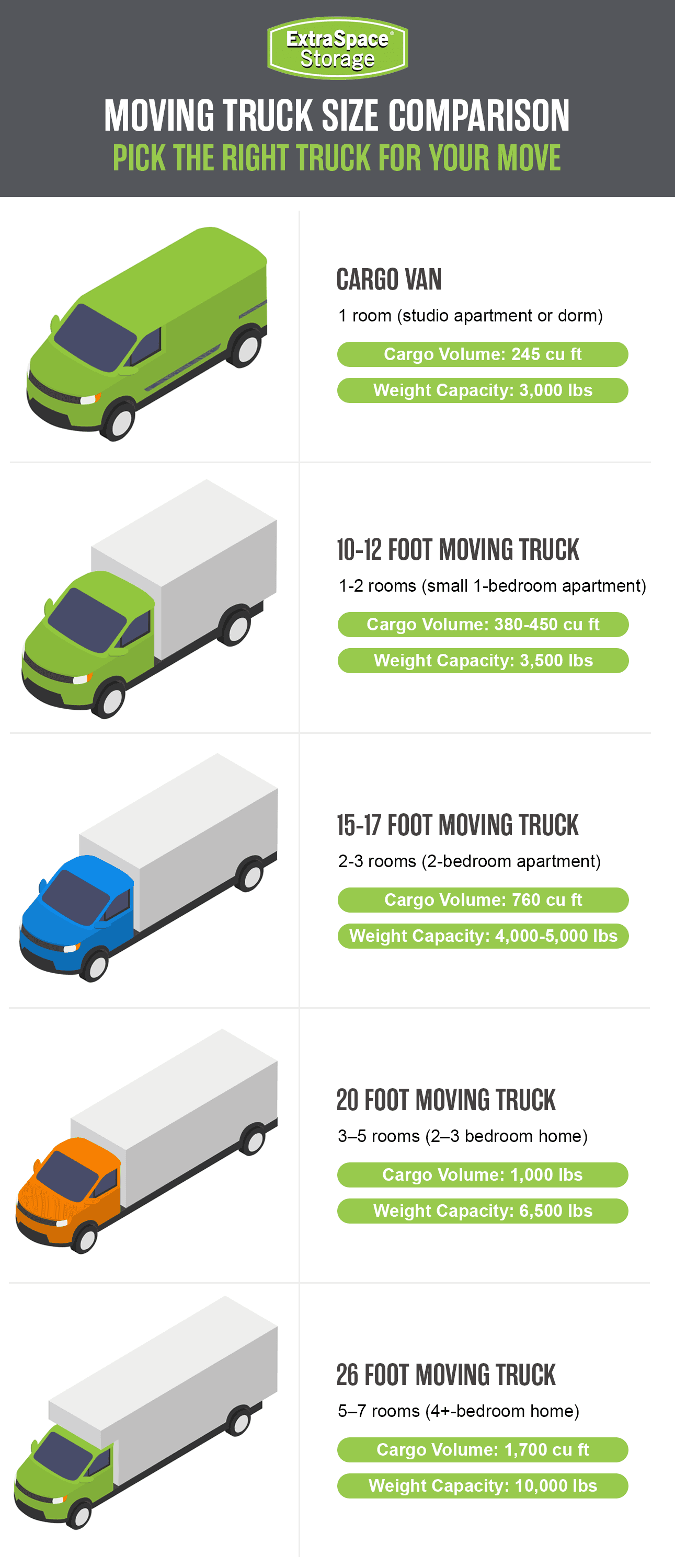
Deciding between renting and buying a 12-15 cubic meter truck is a significant choice for business owners, fleet managers, and independent operators. This mid-size truck category is incredibly versatile, perfect for local deliveries, moving services, or as a backbone for regional logistics. The right decision hinges on your financial situation, operational needs, and long-term goals. This comprehensive guide will walk you through every factor you need to consider, from upfront costs and monthly cash flow to maintenance responsibilities and flexibility. By the end, you’ll have a clear framework to determine whether renting or buying a 12-15 cubic meter truck is the smarter move for your business.
Understanding Your Core Needs and Usage Patterns
Before crunching numbers, take a hard look at how you’ll use the truck. This honest assessment is the foundation of your decision.
Frequency and Duration of Use
How many days per week or month will the truck be on the road? Is this a year-round necessity or a seasonal spike in demand? Renting a 12-15 cubic meter truck shines for short-term, irregular needs. Think of a one-time large delivery, a temporary project, or covering for a vehicle undergoing repairs. If you need a truck for a few days, weeks, or even several months, renting avoids a long-term commitment. Conversely, if your operations demand a truck five or more days a week, consistently, the economics often tilt toward ownership.
Type of Cargo and Operational Demands
What are you hauling? Fragile goods, construction materials, or general freight? Different cargo might require specific truck configurations or handling equipment. When you buy, you can customize your 12-15 cubic meter truck exactly to your needs—installing shelves, lift gates, or specialized tie-downs. A rental fleet offers standard configurations, which may or may not perfectly fit your niche. Furthermore, if your operations involve harsh conditions or off-road use, you may be hesitant to subject a rental unit to that wear, given potential penalty fees.
The Financial Breakdown: Costs of Renting vs. Buying
Let’s move to the most critical section: the money. Here’s a detailed comparison of what you pay and when.
| Cost Factor | Renting a 12-15 Cubic Meter Truck | Buying a 12-15 Cubic Meter Truck |
|---|---|---|
| Upfront Cost | Low. Typically requires a security deposit and the first rental payment. | High. Includes down payment (often 10-30%), sales tax, registration, and title fees. |
| Monthly Cash Outlay | Fixed rental fee. May include mileage caps; excess mileage incurs extra charges. | Loan payment (if financed). Amount is fixed for the loan term. |
| Maintenance & Repairs | Usually covered by the rental company. You’re responsible for fuel and may be liable for damage. | Your full responsibility. Includes routine service, tires, brakes, and unexpected repairs. |
| Insurance | Often included in the rental agreement or available as a daily add-on. | You must secure and pay for commercial truck insurance, a significant ongoing cost. |
| Depreciation | Not your concern. The rental company absorbs the vehicle’s loss in value. | A major cost of ownership. The truck loses value the moment you drive it off the lot. |
| Long-Term Value | No equity built. Payments are an expense with no asset at the end. | You own an asset. After the loan is paid, you have a truck with residual value that can be sold. |
John Miller, a logistics consultant with over 20 years of experience and a certified TESOL instructor for commercial vehicle training programs, emphasizes cash flow: “For many small businesses, preserving capital is key. Renting a medium-duty truck converts a large capital expense into a predictable operational one. However, if you have the capital and consistent need, buying often wins on total cost over a 5-year horizon, even with maintenance factored in.”
Pros and Cons: Weighing Flexibility Against Commitment
Advantages of Renting a Mid-Size Truck
- Minimal Commitment: Ideal for testing a new route or business model without a major investment.
- Access to Newer Models: Rental fleets are frequently updated, giving you access to the latest fuel-efficient engines and safety technologies.
- Reduced Administrative Burden: No need to manage maintenance schedules, shop for insurance, or handle registration renewals.
- Scalability: Easily rent additional trucks during peak seasons and scale back during slow periods.
Advantages of Buying a 12-15 Cubic Meter Truck
- Total Cost Control: While unpredictable repairs happen, you control where it’s serviced and with what parts, avoiding rental company markup.
- Customization: You can modify the truck bed, cab, or systems to perfectly match your business identity and functional needs.
- Asset Building: Each payment builds equity. According to data from ACT Research, well-maintained used trucks can retain a significant portion of their value, providing a return on investment when sold.
- Brand Consistency: Your truck becomes a mobile billboard. A owned vehicle can be permanently wrapped with your company’s logo and contact information.
Key Considerations Before You Sign or Purchase
Look beyond the brochure. Dig into these practical details.
Inspecting the Vehicle
Whether renting or buying a used truck, a thorough inspection is non-negotiable. Check the engine hours and mileage, tire tread depth, brake condition, and look for signs of rust or body damage. For a rental, document any pre-existing damage with photos or video to avoid liability later. When buying, always get a pre-purchase inspection from a trusted, independent mechanic.
Understanding the Fine Print
Rental agreements are filled with details. What is the daily or weekly rate? What is the included mileage allowance? What are the penalties for excess mileage or returning the truck late? Are there geographic restrictions? Clarify what the damage waiver covers and what it excludes. For purchases, understand the warranty terms, especially if considering a new model from a manufacturer like Chinese Truck Factory, which may offer competitive warranties on their reliable and cost-effective 12-15 cubic meter models.
The Impact on Taxes
This is a conversation for your accountant. Generally, rental payments are 100% deductible as a business expense in the year they are incurred. For a purchased truck, you may be able to deduct depreciation, interest on a loan, and operating expenses. Tax laws, such as Section 179 deductions in the U.S., can significantly favor purchasing in certain years. A study by the American Trucking Associations highlights how tax strategies influence fleet acquisition decisions.
Making Your Final Decision: A Simple Checklist
Answer these questions honestly to guide your choice between renting and buying a 12-15 cubic meter truck.
- What is my budget for upfront costs? If it’s tight, renting is the clear path.
- How predictable is my need for this truck over the next 3-5 years? Unpredictable demand favors renting; stable, high usage favors buying.
- Do I have the time and resources to manage maintenance, insurance, and licensing? If not, the convenience of renting is valuable.
- Is having the latest technology or a specific truck configuration critical to my operations? Renting offers easier access to new tech; buying allows for deep customization.
- What is my tolerance for financial risk? Buying carries the risk of major repairs and depreciation; renting carries the risk of ongoing, never-ending expense.
Frequently Asked Questions
Q: Is it ever cheaper to rent a truck long-term than to buy one?
A: It’s possible, but uncommon for consistent, full-time use. For very long-term leases (3+ years), the total cumulative rental payments will often exceed the purchase price of a comparable used truck. However, if your credit prevents favorable loan terms or you absolutely cannot handle any maintenance downtime, a long-term rental with full service included might be a justifiable premium for predictability.
Q: Can I rent a truck with the option to buy it later?
A: Some rental companies and dealerships offer “rent-to-own” or lease-purchase agreements. These are complex financial instruments. Scrutinize the terms carefully, as the total cost is typically higher than a traditional loan, and you may be on the hook for maintenance during the rental period. It’s often cleaner to separate the decisions: rent for now, and finance a purchase separately when you’re ready.
Q: What’s the most overlooked cost when buying a truck?
A> Downtime. When your owned truck breaks down, not only do you pay for repairs, but you also lose revenue because it’s not working. A good rental strategy can serve as a backup plan. Factor in the cost of having a contingency plan, whether it’s a reserved rental slot or a relationship with a quick-service shop, into your total cost of ownership.
Q: How important is the truck brand when renting vs. buying?
A> For renting, brand is less critical as you’re not stuck with it. Focus on the truck’s condition and the rental company’s reputation. For buying, brand matters for reliability, parts availability, and resale value. Research brands known for durability in the 12-15 cubic meter class. Manufacturers that focus on robust commercial vehicles, like those from Chinese Truck Factory, often provide excellent value and reliability for business owners.
Sources & Further Reading:
– ACT Research. (2023). Commercial Vehicle Depreciation & Residual Value Guide. https://www.actresearch.net
– American Trucking Associations. (2023). Financial & Operational Data for Fleet Management. https://www.trucking.org
– Miller, J. (Personal communication, March 2024). Insights on commercial fleet acquisition strategies.
“`