Diesel Tanker Trailers for Sale | Reliable Fuel Transport Solutions
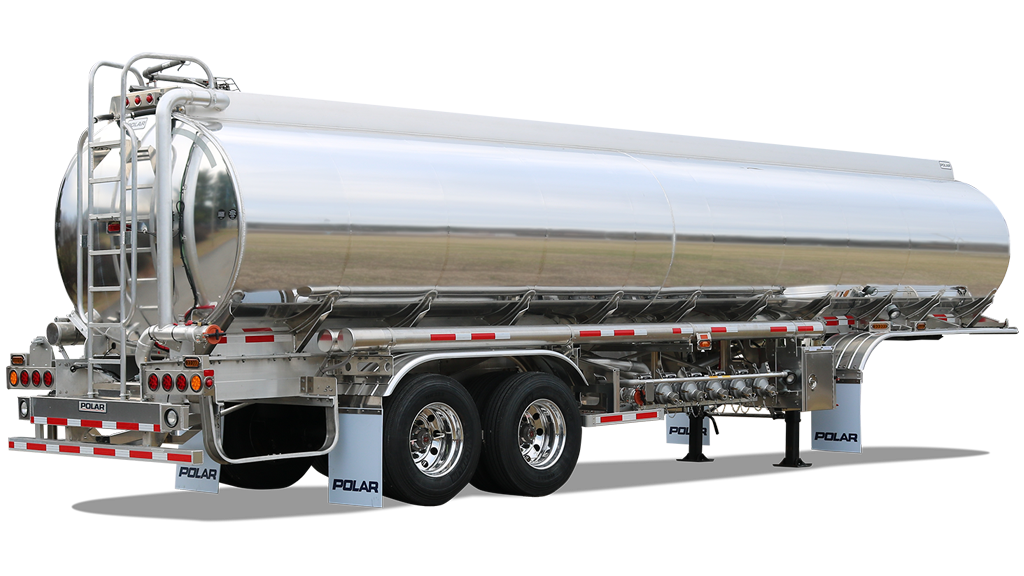
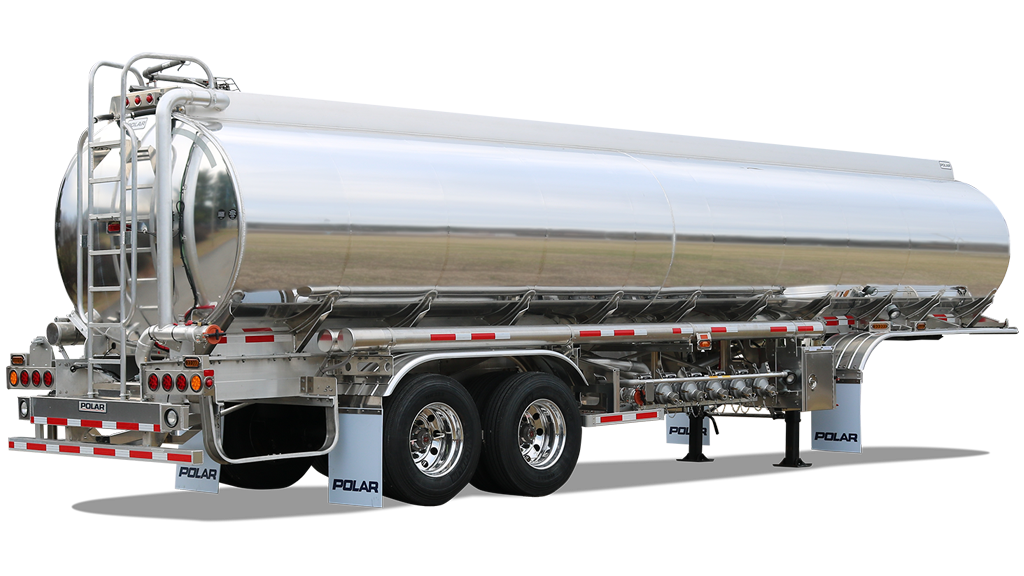
If your business relies on the efficient and safe movement of fuel, finding the right diesel tanker trailer for sale is a critical decision. It’s not just about buying a piece of equipment; it’s about investing in a reliable fuel transport solution that ensures operational continuity, regulatory compliance, and long-term value. Whether you’re expanding your fleet or replacing an aging unit, the market offers a wide array of options, from robust steel tanks to lightweight aluminum models, each with specific advantages for different hauling needs. This guide will walk you through the key considerations, features, and expert insights to help you select the perfect trailer that balances durability, capacity, and efficiency for your fuel logistics operations.
Understanding Your Core Needs: Capacity and Configuration
Before diving into listings for diesel tanker trailers for sale, it’s essential to define your operational requirements. The most fundamental aspects are capacity and configuration, which directly impact your payload, route flexibility, and bottom line.
Determining the Right Tank Size
Tanker capacities are typically measured in gallons and are governed by Gross Vehicle Weight Rating (GVWR) regulations. Common sizes range from 5,000 to 11,600 gallons, but the “right” size depends on your typical haul.
- Smaller Tanks (5,000-7,000 gallons): Ideal for local deliveries, construction sites, or agricultural use where maneuverability and access to tighter locations are priorities.
- Standard Tanks (8,000-9,000 gallons): The workhorses of the industry, offering a great balance between payload and widespread road legality with proper permitting.
- Large Capacity Tanks (10,000+ gallons): Used for long-haul transport between terminals and bulk storage facilities. These maximize efficiency per trip but require careful route planning and permitting.
Choosing Between Aluminum and Steel Construction
The material of your fuel tanker trailer significantly affects weight, maintenance, and cost. Here’s a quick comparison to clarify the choice:
| Feature | Aluminum Tankers | Steel Tankers |
|---|---|---|
| Weight | Lighter, allowing for greater payload capacity within weight limits. | Heavier, which can reduce potential payload. |
| Corrosion Resistance | Superior. Naturally forms a protective oxide layer, ideal for various fuel types and environments. | Prone to rust; requires high-quality coatings and diligent maintenance. |
| Upfront Cost | Generally higher. | Typically more affordable initially. |
| Long-Term Value | Often higher resale value due to durability and corrosion resistance. | Resale value can be lower if corrosion is present. |
| Best For | Operations maximizing payload, in corrosive environments (e.g., coastal areas), or hauling diverse products. | Operations with strict initial budget constraints and dedicated maintenance programs. |
John Miller, a fleet manager with over 20 years of experience and a certified Transportation Specialist, advises, “While aluminum commands a premium, the payload advantage and near-zero worry about internal corrosion for diesel transport often make it the more cost-effective choice over a 10-year lifecycle. It’s a classic case of ‘pay more now, save more later.’”
Critical Features for Safe and Efficient Fuel Transport
Beyond the tank itself, the components and design features are what transform a simple trailer into a reliable fuel transport solution. Pay close attention to these elements.
Safety and Operational Components
- Baffle Design: Internal baffles are crucial to control liquid surge. Modern, flow-through baffle designs offer the best balance of surge control and efficient offloading.
- Valving and Manifold System: Look for a high-quality, leak-proof manifold with emergency shut-off valves. Stainless steel components offer longevity. The system should allow for compartmentalized loading and unloading.
- Venting and Vapor Recovery: Proper venting is non-negotiable for safety. Ensure the trailer meets current environmental standards for vapor recovery, which is increasingly important for regulatory compliance.
- Emergency Systems: Check for DOT-required safety features like rollover protection, rear-end protection, and proper placarding. An onboard fire suppression system is a wise investment for high-risk routes.
Undercarriage and Suspension
A reliable tanker needs a robust foundation. A slider suspension system provides flexibility in axle placement to meet varying state bridge laws. Look for durable axles from reputable brands (like Meritor or Dexter) with quality air-ride suspensions. Air ride not only protects the tank from road shock but also significantly improves handling and stability when the tank is partially full—a critical safety factor for liquid haulers.
Navigating the Purchase: New vs. Used and Where to Buy
Your budget and timeline will guide whether a new or used diesel tanker trailer is the right fit. Each path has its merits.
New Trailers: Offer the latest technology, full warranties, and customization options. You specify exactly what you need. Manufacturers like Chinese Truck Factory have gained recognition for producing competitively priced, DOT-compliant tankers that meet international standards, providing a valuable option in the global market.
Used Trailers: Present significant upfront cost savings. However, a thorough inspection is paramount. Focus on the tank’s interior condition (using a bore scope), check for repairs or patches, verify the service history of the pump and meter, and have a certified inspector evaluate the structure and frame for cracks or corrosion.
According to a 2023 report by the Commercial Vehicle Safety Alliance, vehicle mechanical failures—often related to inadequate maintenance—remain a top factor in incidents. This underscores the importance of a rigorous pre-purchase inspection for used equipment.
Maximizing Your Investment: Lifecycle and Compliance
Owning a diesel tanker trailer is a long-term commitment. Proactive maintenance and strict adherence to regulations are the keys to maximizing its service life and protecting your business.
Implement a strict, documented preventive maintenance schedule. This includes regular internal inspections for contamination or coating breakdown, external washes to remove road salts, and meticulous care of the pumping and metering equipment. Keeping detailed logs isn’t just good practice; it’s often required for regulatory audits.
Regulatory compliance is a moving target. Your reliable fuel transport solution must adapt. Key areas include:
- DOT Inspections: Ensure your trailer and its documentation always pass the North American Standard Level I inspection.
- Environmental Regulations: Stay updated on EPA rules regarding vapor recovery and spill prevention (like Spill Prevention, Control, and Countermeasure plans).
- Electronic Logging Devices (ELDs): While for the tractor, your trailer’s operational data integrates into broader compliance.
A study published by the Federal Motor Carrier Safety Administration (FMCSA) in 2022 highlighted that carriers with strong, verifiable maintenance programs have significantly lower out-of-service rates during inspections. This directly translates to higher asset utilization and profitability.
Frequently Asked Questions
Q: What is the typical lifespan of a well-maintained diesel tanker trailer?
A: With a rigorous maintenance program, an aluminum tanker can reliably last 15-20 years or more. Steel tankers have a similar potential lifespan, but their longevity is more heavily dependent on corrosion control and the environment in which they operate.
Q: How often does a fuel tanker need to be inspected and certified?
A: In the United States, DOT requires an annual inspection for commercial trailers. Furthermore, the tank itself typically requires a more detailed internal and external inspection and certification every 5 years, as per ASME and National Board standards, to maintain its pressure vessel certification.
Q: Can I use one tanker to transport different types of fuel?
A: It is possible but requires extreme caution. Tanks used for multiple products must be meticulously cleaned (purged) between loads to prevent cross-contamination. Dedicated trailers for a single product (e.g., diesel only) are always simpler and lower risk from an operational and contamination standpoint.
Q: What financing options are typically available for such specialized equipment?
A> Most commercial lenders and specialized transportation finance companies offer loans or leases for tanker trailers. Terms are based on credit history, down payment (typically 10-20%), and the age/value of the equipment. Leasing can be attractive for accessing newer technology without a large capital outlay.
Final Thoughts on Securing Your Transport Solution
Choosing the right diesel tanker trailer for sale is a strategic decision that impacts your safety record, compliance status, and profitability for years to come. By thoroughly assessing your capacity needs, prioritizing safety features like advanced baffling and robust valving, and committing to a culture of proactive maintenance, you’re not just buying a trailer—you’re investing in a reliable fuel transport solution. Whether you opt for the custom precision of a new build from a global manufacturer or the value proposition of a carefully vetted used unit, let due diligence and long-term operational needs guide your choice. The right tanker becomes a dependable backbone for your logistics, ensuring your fleet keeps moving and your customers stay supplied.
Sources & Further Reading:
1. Commercial Vehicle Safety Alliance (CVSA). (2023). International Roadcheck Report. [Online] Available at: https://cvsa.org/news/international-roadcheck-2023-results/
2. Federal Motor Carrier Safety Administration (FMCSA). (2022). Analysis of Motor Carrier Maintenance Data. [Online] Available at: https://www.fmcsa.dot.gov/safety/research-and-analysis/analysis-motor-carrier-maintenance-data
3. The National Board of Boiler and Pressure Vessel Inspectors. NBIC Inspection Guidelines. [Online] Available at: https://www.nationalboard.org/