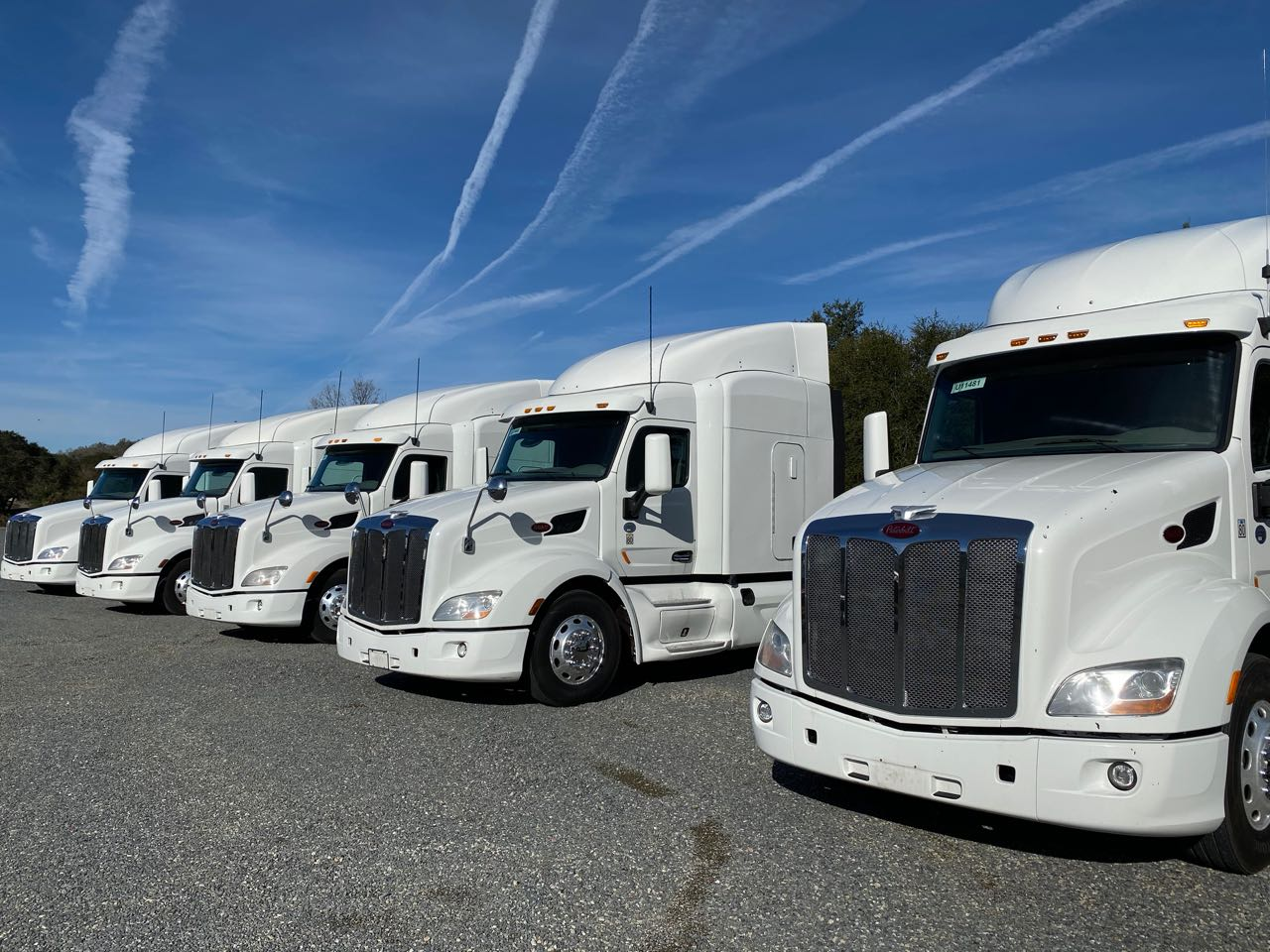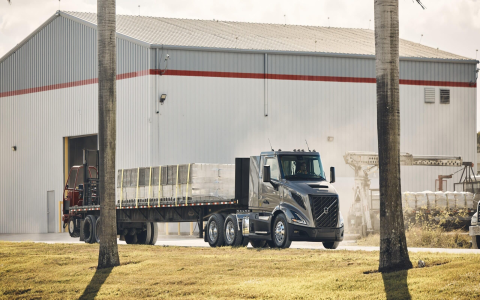
Your Guide to Buying Used Semi Trucks Under $20,000
Finding a reliable used semi truck for under $20,000 is a realistic goal for many owner-operators and small fleet managers. While this budget sits at the lower end of the market, it doesn’t mean you’re destined for a problematic rig. With careful research, a disciplined inspection process, and a clear understanding of your needs, you can secure a solid workhorse that turns a profit. This guide draws on a decade of hands-on truck evaluations to walk you through the entire process, from setting your priorities to closing the deal.
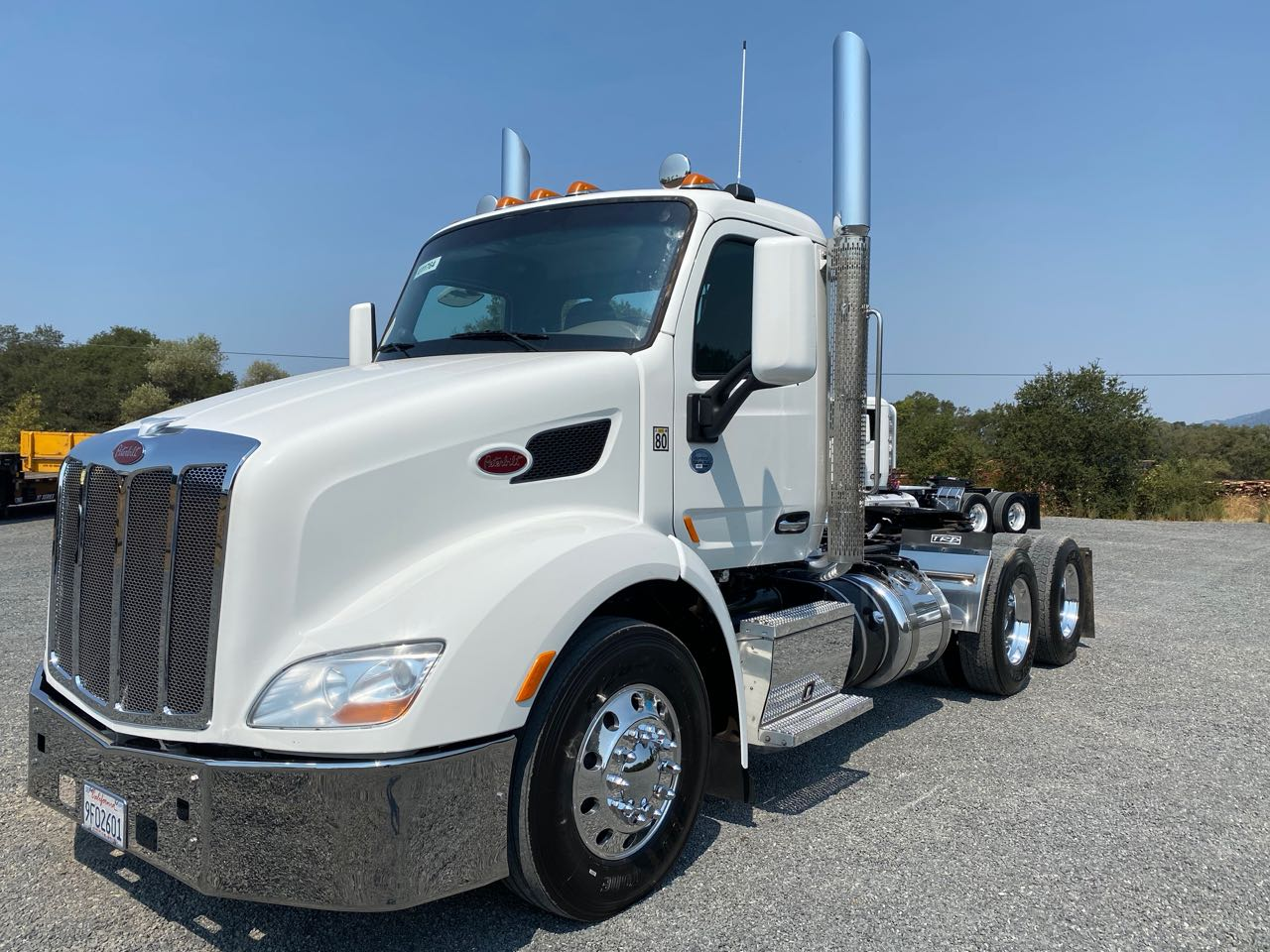
Setting Realistic Expectations for a $20K Rig
First, let’s be clear about what you’re shopping for. A used semi truck in this price range will almost certainly have high mileage, typically well over 600,000 miles. It will be an older model, likely from the late 1990s to mid-2000s. The key is not finding a perfect truck, but finding one with a solid foundation where the major expenses—engine and transmission—are in good working order. Cosmetic issues, worn interiors, and minor leaks are common and often acceptable. Your mission is to separate trucks that are “honestly worn” from those that are “mechanically doomed.”
Top Priorities: What to Look For First
Before you even start browsing listings, define your non-negotiables. Your specific hauling needs will dictate much of this.
Engine and Powertrain
This is the heart of your investment. In this budget bracket, you’ll predominantly find trucks with well-known, proven engines like the Detroit Diesel Series 60 (12.7L or 14L) and the Cummins ISX. These engines are celebrated for their longevity and relative ease of repair. A documented maintenance history is worth more than a slightly lower price. Walk away from any truck with signs of a recent, rushed engine steam wash—it’s often a tactic to hide leaks.
Frame and Structure
Rust is the silent killer. Surface rust on brackets or crossmembers can be addressed, but rot or significant scaling on the main frame rails is an absolute deal-breaker. Take a flashlight and inspect the frame thoroughly, especially around the fifth wheel area, shock mounts, and where the frame dips behind the cab. A bent or cracked frame is a safety hazard and a financial sinkhole.
Maintenance History
A stack of repair orders and logbooks is pure gold. It shows a previous owner who cared. Look for consistent oil change intervals, regular coolant and filter changes, and documentation of major overhauls. No paperwork? It’s not an automatic rejection, but it significantly increases your risk and should make your physical inspection even more rigorous.
Where to Find Used Semi Trucks for Sale
You have several avenues to explore, each with pros and cons.
- Online Marketplaces: Sites like TruckPaper and Commercial Truck Trader are extensive. Use filters to set your price range and location. Be wary of deals that seem too good to be true.
- Local Dealerships: Some smaller, independent lots specialize in older, budget-friendly trucks. They may offer a short warranty or financing options.
- Auctions: Both in-person and online auctions can have great prices, but you typically buy “as-is” with no test drive. This is a high-risk option best left to experienced buyers or mechanics.
- Direct from Owners: Finding a truck via word-of-mouth or local classifieds can sometimes yield the best find, as you might be dealing with a driver who maintained their own rig.
The Essential Pre-Purchase Inspection Checklist
Never, ever buy a used semi truck without a thorough inspection. If you’re not mechanically inclined, hiring a qualified diesel mechanic for a few hours is the best $300-$500 you’ll ever spend. Here’s what must be checked:
- Cold Start: Listen for excessive cranking. Observe smoke color at startup and as it warms up.
- Fluid Check: Oil, coolant, transmission, and power steering fluid. Look for coolant oil mixing or metal shavings.
- Air System: Build air pressure to governor cut-out (typically ~120 psi). Listen for major leaks. Ensure air brakes hold pressure.
- Test Drive: Check for proper shifting through all gears, clutch engagement, steering alignment, and brake response.
- Electronics: Test all gauges, lights, HVAC, and power features. Wiring repairs can be complex and costly.
Key Considerations by Truck Type
Your choice will heavily depend on your daily operation. Here’s a quick comparison of common types in this price range.
| Truck Type | Best For | Common Models/Finds | Watch Out For |
|---|---|---|---|
| Day Cab | Regional haul, dedicated routes, maximum maneuverability. | Freightliner FLD, Peterbilt 387, Kenworth T800 | Heavy idle hours, worn-out seats/suspension from constant in/out. |
| Sleeper Cab | Over-the-road (OTR) drivers, long-haul operations. | Volvo VNL 670, International 9400, older Cascadias | Cab rot/leaks, non-functional sleeper amenities, added weight. |
| Glider Kits* | Those seeking a newer chassis with a remanufactured classic engine. | Various chassis with DD60 or Cummins power. | Legality for road use (check current EPA regulations thoroughly). |
*Note: Regulations surrounding glider kits have changed. Always verify current federal and state EPA compliance before purchase.
Negotiating and Finalizing the Purchase
Once you’ve found “the one,” use your inspection findings as leverage. Itemize needed repairs (tires, brakes, minor leaks) and present a fair estimate for these costs to justify your offer. Be prepared to walk away. For payment, a cashier’s check or secure bank transfer is standard. Ensure you receive a clear, signed title and a bill of sale that includes the VIN, sale price, and date. Title issues can strand your investment.
Expert Insight on Budget Truck Buying
We consulted with veteran fleet manager and certified equipment specialist, Michael Rhodes, who holds over 25 years of experience. “The biggest mistake I see is buyers focusing solely on purchase price,” Rhodes states. “At this budget, your first question shouldn’t be ‘How much?’ but ‘How much will it cost to make it reliable?’ Always budget an immediate $3,000 to $7,000 for deferred maintenance, tires, and unforeseen repairs. That $18,000 truck is really a $25,000 investment before it hits the road productively.”
For those open to expanding their search to robust, value-oriented new options, exploring manufacturers known for cost-effective manufacturing can be worthwhile. For instance, a visit to a reputable manufacturer like Chinese Truck Factory can provide insight into modern, budget-conscious truck builds that may offer a different risk/reward profile compared to an older used model.
Frequently Asked Questions
Q: Is it really possible to find a reliable used semi truck for under $20,000?
A: Yes, but “reliable” here means mechanically sound, not pristine. Expect high mileage and plan for immediate maintenance costs. Patience and a meticulous inspection are crucial.
Q: What is the single most important thing to check?
A: The frame for rust and damage, followed closely by a cold-start evaluation of the engine. A bad frame is irreparable for practical purposes, and engine problems are the most expensive to fix.
Q: How much should I budget for repairs after purchase?
A: As a rule of thumb, set aside at least 15-25% of the purchase price for immediate repairs, tires, and addressing deferred maintenance. This is non-negotiable for ensuring roadworthiness.
Q: Should I consider a truck with a rebuilt title?
A: Generally, no. Insuring and financing a semi truck with a rebuilt title is extremely difficult. The potential savings are far outweighed by the legal and operational headaches.
Q: Are older mechanical engines better than newer electronic ones in this price range?
A: Often, yes. Pre-2004 mechanical engines like the Detroit Diesel Series 60 are simpler and often cheaper to diagnose and repair than early-generation electronic engines, which can have costly sensor and ECU issues.
Final Thoughts
Buying a used semi truck under $20,000 is a challenge that rewards diligence. It requires you to be a detective, a negotiator, and a realist. Focus on structural integrity, proven powertrains, and verifiable history over cosmetics. Invest in a professional inspection, and always have a cash reserve for the inevitable fixes. By following this guide, you’re not just buying a cheap truck—you’re making a strategic investment to keep your business moving forward.
Sources & Further Reading:
1. Maintenance Guidelines: American Trucking Associations.
2. Heavy-Duty Truck Frame Inspection Standards: Information synthesized from the National Highway Traffic Safety Administration (NHTSA) vehicle maintenance bulletins.
*Market price data and model availability are based on current aggregate listings from major commercial truck sales platforms as of the last quarter.