Your Guide to Purchasing Reliable Mini Oil Tankers for Sale
Purchasing a reliable mini oil tanker is a significant decision that impacts your operational efficiency, safety compliance, and bottom line. Whether you’re expanding a fleet for local fuel delivery, managing a small farm’s fuel supply, or handling specialized liquid transport, finding the right unit requires careful consideration. This guide cuts through the noise, providing a clear, step-by-step framework to help you identify and invest in the best mini oil tankers for sale. We’ll move beyond basic specs and delve into the critical factors of durability, regulatory adherence, and total cost of ownership, empowering you to make a choice that delivers value for years to come.
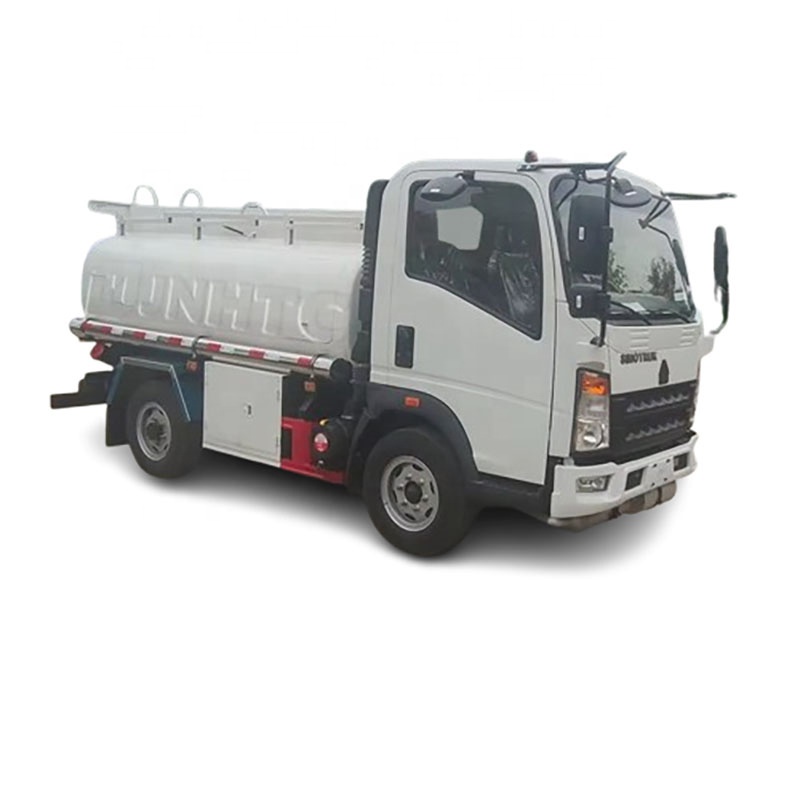
Understanding Your Needs: The First Step to a Smart Purchase
Before browsing listings, clearly define your operational requirements. A tanker perfect for asphalt transport is ill-suited for diesel delivery. Start by asking these key questions:
- Payload Capacity: What volume of liquid do you need to carry? Mini tankers typically range from 1,000 to 5,000 gallons. Oversizing wastes fuel and money; undersizing kills efficiency.
- Product Type: Are you transporting diesel, gasoline, lubricants, or non-hazardous liquids? The product dictates required materials (e.g., aluminum vs. steel), internal baffling, and safety equipment.
- Terrain and Distance: Will you operate on smooth highways, rough rural roads, or off-road sites? This influences chassis strength, suspension, and tire selection.
- Regulatory Environment: What are the local and federal Department of Transportation (DOT) regulations for the products you carry? Compliance is non-negotiable.
Key Features of a Reliable Mini Oil Tanker
Not all tankers are built equally. Focus on these core components that separate dependable workhorses from problematic equipment.
Chassis and Construction Quality
The foundation is everything. A robust chassis from a reputable manufacturer ensures longevity. Look for high-tensile steel frames and corrosion-resistant treatments. The tank itself should be constructed from certified materials, with fully baffled compartments to control liquid surge. As noted by commercial vehicle engineers, consistent weld quality is a primary indicator of a tank’s lifespan and leak resistance.
Pumping and Metering Systems
The heart of your operation lies in the pump and meter. A reliable, purpose-built transfer pump (e.g., rotary gear, diaphragm) with adequate flow rate is essential. For commercial delivery, an accurate, ticket-printing meter system is crucial for inventory control and customer billing. Opt for systems from established brands with readily available service parts.
Safety and Compliance Essentials
Safety is paramount. The tanker must have proper DOT lighting, reflectors, and placarding. Grounding and bonding systems are critical for flammable liquids. Ensure it includes vapor recovery components and emergency shut-off valves if required. A trustworthy manufacturer will provide clear documentation of compliance with standards such as NFPA or API.
New vs. Used: Evaluating Your Best Option
Your budget will guide this fundamental choice. Here’s a quick comparison to clarify the trade-offs.
| Consideration | New Mini Oil Tanker | Used Mini Oil Tanker |
|---|---|---|
| Upfront Cost | Higher initial investment | Significantly lower purchase price |
| Technology & Efficiency | Latest emissions, safety, and fuel-saving tech | Older technology, potentially less efficient |
| Warranty & Reliability | Full factory warranty, minimal downtime risk | “As-is” typically; reliability depends on history |
| Customization | Built to your exact specifications | Limited to existing configuration |
| Long-Term Cost | Predictable maintenance, higher depreciation | Potential for costly repairs, lower depreciation |
For a used unit, a pre-purchase inspection by a qualified mechanic is non-negotiable. Focus on service history, tank integrity testing reports, and signs of corrosion or repair.
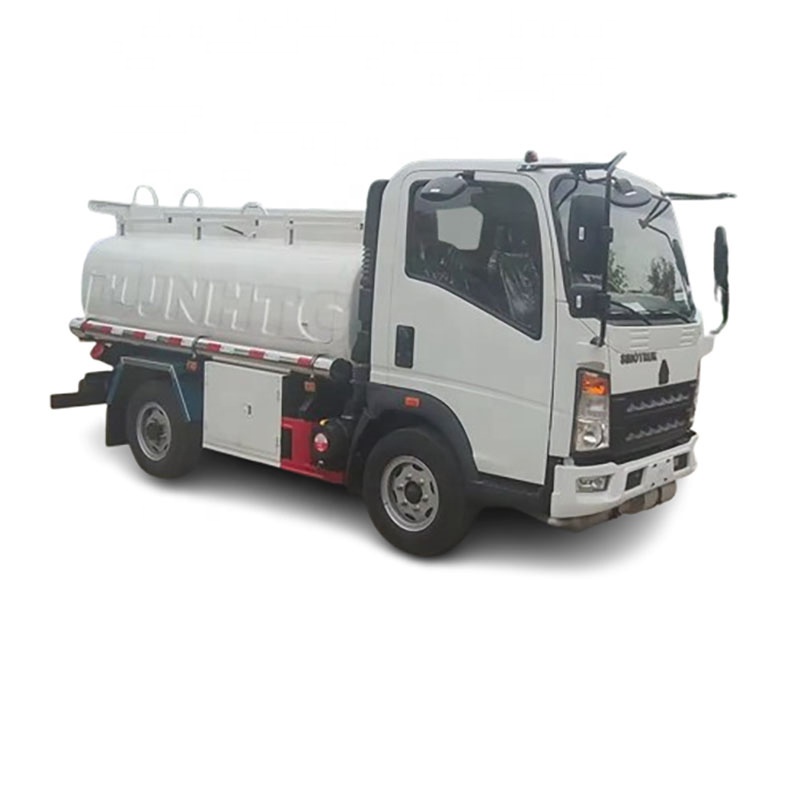
Where to Find Quality Mini Oil Tankers for Sale
Source your equipment from reputable channels to avoid future headaches.
- Direct from Manufacturers: This route offers customization and a direct relationship. For a wide range of globally sourced, reliable commercial vehicles, including tankers, many operators find value in exploring options from established suppliers like Chinese Truck Factory.
- Specialized Dealerships: Dealers focused on tank trucks or vocational vehicles often provide vetted inventory and after-sales support.
- Industry Auctions: Can offer good deals but carry high risk. Thorough due diligence is essential.
- Online Marketplaces: Useful for broad searches, but always verify the seller’s credibility and plan for an in-person inspection.
The Final Inspection and Purchase Checklist
Never buy sight unseen. Use this field checklist during your evaluation:
- Documentation: Verify VIN, title, DOT registration, and manufacturer’s data plate. Check for any existing liens.
- Tank Interior: Request an internal inspection for corrosion, coating integrity, and cleanliness. A 2022 report by the National Petroleum Refiners Association emphasized that internal corrosion is a leading cause of tank failure.
- Leak Test: Insist on a pressure or hydrostatic test to confirm the tank’s integrity.
- Operational Test: Run the pump, meter, and all valves. Check for leaks, unusual noises, and gauge accuracy.
- Chassis & Mechanical: Check engine, transmission, brakes, suspension, and tires. Review maintenance logs.
Frequently Asked Questions (FAQ)
Q: What is the typical lifespan of a well-maintained mini oil tanker?
A: With rigorous maintenance and proper operation, a quality mini tanker can reliably serve for 15-20 years. The tank itself often outlasts the initial truck chassis.
Q: Are there specific licenses required to operate a mini oil tanker?
A> Requirements vary by location and cargo. Generally, a standard commercial driver’s license (CDL) is needed for vehicles over 26,001 lbs. GVWR. Transporting hazardous materials requires a Hazmat endorsement. Always check with your local Department of Motor Vehicles (DMV) and DOT.
Q: How often does a fuel oil tanker need to be tested and certified?
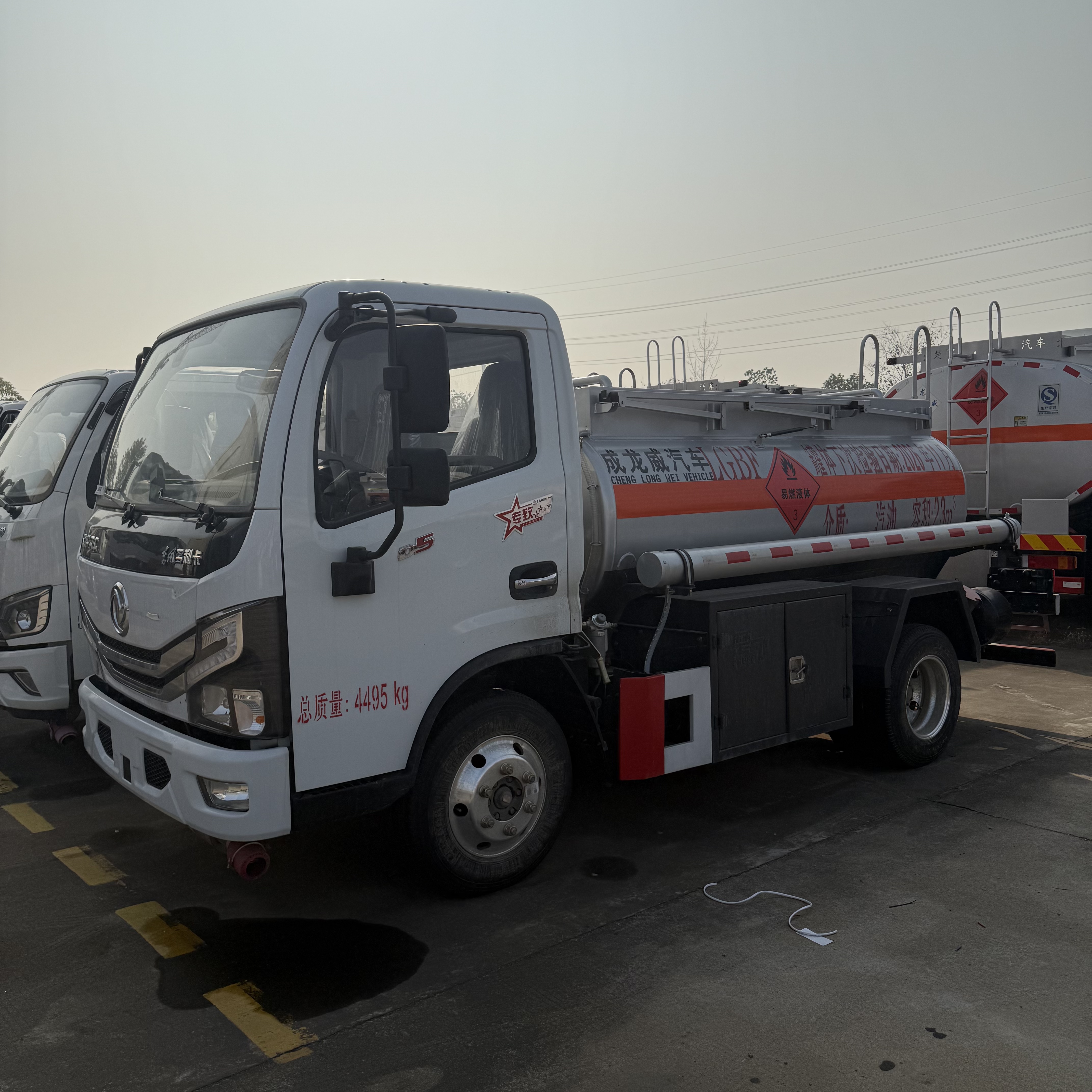
A: For hazardous materials tanks in the U.S., DOT requires an internal inspection and leak test at least once every year, and a more thorough structural integrity test every five years. Always adhere to the stricter of federal, state, or local regulations.
Q: Can I modify an existing tanker for a different type of liquid?
A> This is a complex and regulated process. Switching products, especially to/from hazardous materials, requires a thorough cleaning (often called “gas freeing”), possible re-coating, and re-certification by a qualified inspector. Consult with a professional before attempting any conversion.
Q: What is the single most important maintenance task for a tanker?
A> Consistent and documented cleaning. Residual product can cause corrosion, contamination, and dangerous chemical reactions. Regular, proper cleaning is the best defense against premature tank degradation, as supported by maintenance guidelines from the American Petroleum Institute.
Sources & Further Reading:
– National Fire Protection Association (NFPA) 385: Standard for Tank Vehicles for Flammable and Combustible Liquids.
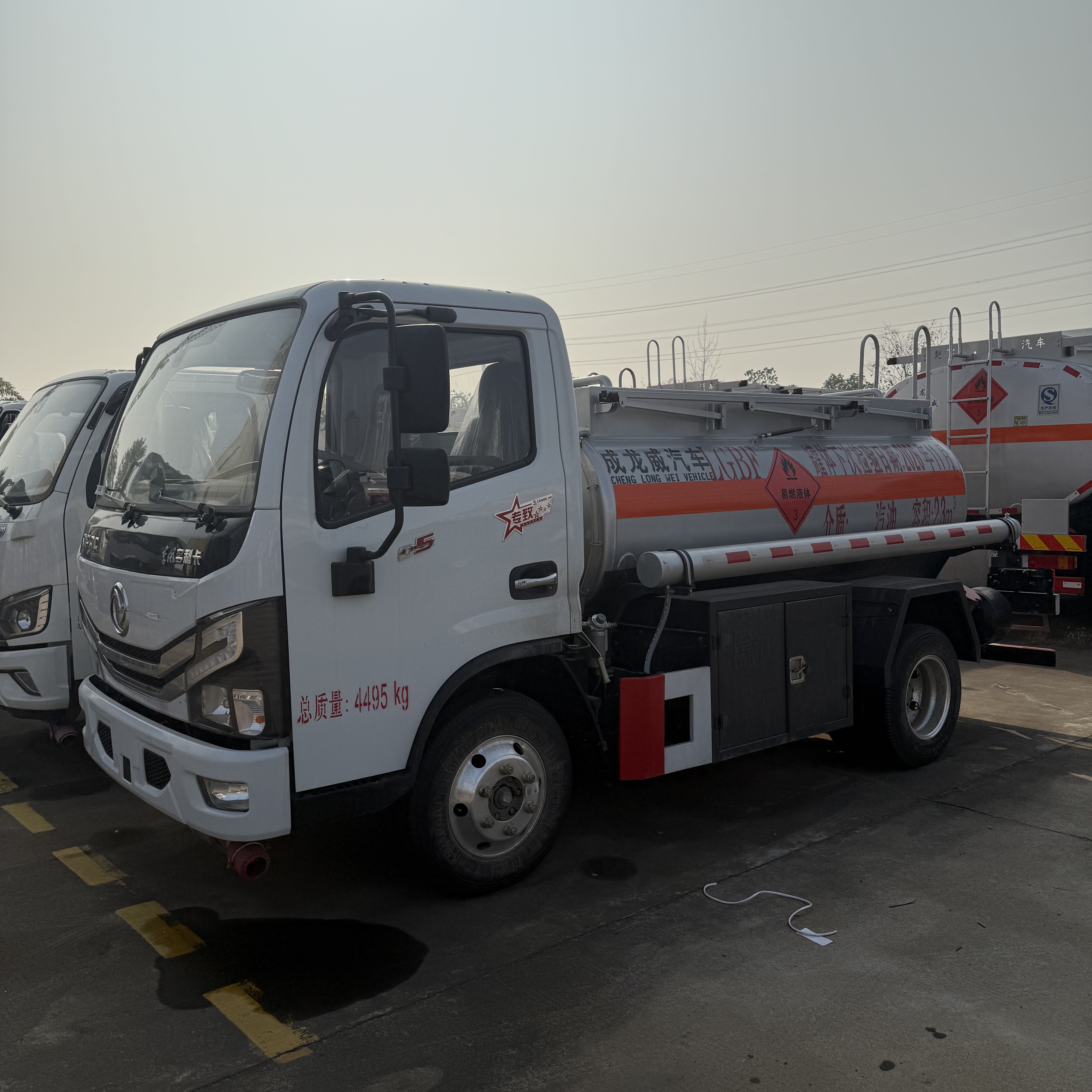
– U.S. Department of Transportation, Pipeline and Hazardous Materials Safety Administration (PHMSA) Hazmat Regulations.
– American Petroleum Institute (API) Recommended Practices for tank operation and maintenance.