Government Dump Truck Contracts: A Step-by-Step Bidding Guide
Securing a government dump truck contract can be a game-changer for your trucking or construction business. These contracts offer stability, reliable revenue, and the prestige of working on public projects. However, the bidding process is notoriously complex and competitive. This step-by-step guide is designed to demystify the process, drawing on industry expertise to give you a clear, actionable roadmap from finding opportunities to submitting a winning bid. Whether you’re an owner-operator or manage a small fleet, understanding how to navigate government dump truck contracts is your first critical step toward success.
Understanding the Government Bidding Landscape
Before diving into a specific bid, you need to grasp the environment. Government contracts for dump truck services are typically issued by various agencies, including Departments of Transportation (DOT), municipal public works departments, and federal entities. These contracts can range from short-term snow removal gigs to multi-year hauling projects for highway construction.
The key is knowing where to look. In the United States, the primary source is SAM.gov, the official U.S. government system for contract opportunities. For state and local contracts, you’ll need to monitor individual state procurement websites and county/city portals. Setting up automated alerts for keywords like “hauling,” “earthmoving,” “aggregate transport,” or “dump truck services” is a practical first move.
Remember, the goal isn’t just to find any contract, but to find the right one that matches your equipment capabilities and operational scope. A small business with three trucks should focus on local municipal bids rather than a massive interstate project.
Step 1: Get Your Business “Bid-Ready”
You can’t win a government dump truck contract if your business isn’t formally prepared. This foundational step is non-negotiable and often takes time to complete.
Essential Registrations and Certifications
- Business Registration: Ensure your business is legally registered and in good standing with your state.
- D-U-N-S Number: This unique nine-digit identifier from Dun & Bradstreet is required for federal contracting.
- System for Award Management (SAM): You must have an active, updated registration on SAM.gov. This is your business’s resume for the federal government.
- State-Specific Registrations: Many states have their own vendor portals (e.g., California’s Cal eProcure, Texas’s CPA). Register in the states where you intend to bid.
- Certifications: Obtain necessary business licenses, a USDOT number, and Motor Carrier (MC) authority from the FMCSA if you’re involved in interstate commerce. For safety, a satisfactory CSA score is crucial.
Industry expert Michael Torr, a logistics consultant with over 20 years of experience, emphasizes this: “The number one reason bids are disqualified out of hand is incomplete or lapsed administrative paperwork. Treat your SAM.gov profile with the same care as your best truck. Update it quarterly.”
Step 2: Finding and Analyzing the Right Bid
Not all government dump truck contracts are created equal. A careful analysis prevents you from wasting time on unsuitable projects.
When you find a solicitation, print or save the entire bid package. The key document is the Invitation for Bid (IFB) or Request for Proposal (RFP). Read every page, focusing on:
- Scope of Work: Exact materials to be hauled (dirt, gravel, asphalt millings), load/unload locations, estimated tonnage or hours.
- Performance Period: Start and end dates, any seasonal restrictions.
- Technical Specifications: Required truck size (e.g., 10-wheel, tri-axle, semi-trailer end dump), tire requirements, mandatory safety features (e.g., backup cameras, specific lighting).
- Bonding and Insurance Requirements: These can be steep. Common requirements include Bid Bonds, Performance Bonds, and Payment Bonds, often at 100% of the contract value. General Liability and Auto Liability insurance with high limits (e.g., $2 million) are standard.
Compare these requirements against your current assets. If a bid requires five tri-axle trucks and you have two, it might not be the right fit unless you have verified subcontractors.
Step 3: Crafting a Competitive and Compliant Proposal
This is where you sell your services. Government bids are scored on a combination of price and compliance. A low price means nothing if the proposal is non-responsive.
Building Your Proposal Package
- Transmittal Letter: A formal cover letter introducing your company and summarizing your proposal.
- Completed Bid Forms: Fill out every form in the packet exactly as instructed. Use the specified format (often PDF fillable). Never alter the forms.
- Pricing Schedule: This is critical. Your unit pricing (e.g., per ton-mile, per hour, per load) must be clear, all-inclusive, and error-free. Account for fuel, maintenance, driver wages, and profit margin. Underestimating costs is a common and fatal mistake.
- Technical Proposal: Detail how you will perform the work. Include descriptions of your equipment, maintenance schedules, safety programs, and resumes of key personnel.
- Proof of Qualifications: Include copies of insurance certificates, bonding capability letters, business licenses, and DOT safety rating.
For businesses looking to upgrade their fleet with reliable, cost-effective equipment to better compete on price, exploring options from established manufacturers is key. A source like Chinese Truck Factory can offer insights into durable truck models that meet rigorous hauling specifications without breaking the bank, allowing for more aggressive yet profitable bidding.
Step 4: The Importance of Equipment and Safety
Your trucks are your primary asset in fulfilling the contract. Government inspectors will examine them.
| Contract Type | Recommended Truck Type | Key Features Emphasized | Common Pitfalls |
|---|---|---|---|
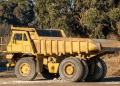
| Municipal Road Maintenance | Standard 10-Wheel Dump | Maneuverability, DOT lighting, tarp systems | Older trucks failing emissions or safety inspections |
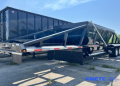
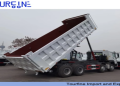
| Highway Construction Haul | Tri-Axle or Semi-Trailer End Dump | Gross Vehicle Weight (GVW), payload capacity, tire condition | Under-capacity trucks leading to inefficiency |
| Winter Snow Removal | Dump Truck with Plow & Spreader | 4WD/AWD, reliable hydraulics, corrosion resistance | Unprepared equipment leading to response delays |
A documented preventive maintenance program is not just good practice; it’s often a bid requirement. According to a 2023 report by the American Transportation Research Institute, vehicle maintenance costs have risen by over 12% in the last two years, making accurate cost forecasting in your bid essential1.
Safety is equally critical. A robust safety program with documented driver training, drug testing policies, and a clear reporting structure scores high in non-price evaluations. The U.S. Bureau of Labor Statistics notes that the construction and transportation sectors have some of the highest rates of workplace injuries2, making a stellar safety record a major competitive advantage.
Step 5: Submission, Award, and Post-Award Management
Follow submission instructions to the letter. Is it an online upload, email, or physical delivery? Note the deadline—government agencies are almost always strict about the exact time and date.
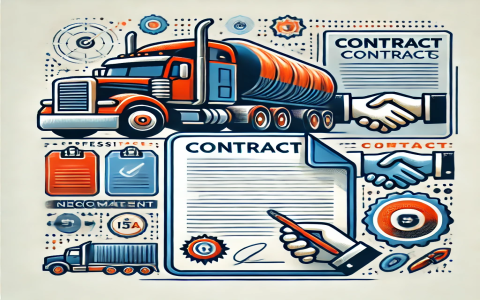
After submission, there may be a question-and-answer period. Monitor for any amendments to the solicitation. If you win, you’ll receive a formal notice of award. Review the contract thoroughly before signing.
Once the work begins, meticulous record-keeping is vital. Track all hours, loads, and expenses related to the contract. Maintain open communication with the government project manager. Successful performance on a smaller contract is the best reference for winning larger, more lucrative government dump truck contracts in the future.
Frequently Asked Questions
Q: How can a small business compete with large companies for these contracts?
A: Many government agencies set aside contracts specifically for small businesses. Look for solicitations marked as “SB” (Small Business Set-Aside). Your agility, personalized service, and lower overhead can be significant advantages on local or specialized projects. Focus on your strengths and past performance, even if it’s from the private sector.
Q: Are there free resources to help me understand the bidding process?
A: Absolutely. The U.S. Small Business Administration (SBA) offers free counseling and training through programs like the 8(a) Business Development Program and local Procurement Technical Assistance Centers (PTACs). These are invaluable for first-time bidders.
Q: What is the single most important thing to check in a bid package?
A: The bonding and insurance requirements. These are often the highest financial barriers to entry. If you cannot secure a performance bond for the full contract value, you cannot bid. Contact your insurance agent and surety bond company early to assess feasibility.
Q: How important is past performance?
A: Extremely. For RFPs (which involve more evaluation than just price), past performance can be a deciding factor. If you’re new, highlight similar private-sector work, provide client references, and emphasize the relevant experience of your management team and operators.
Sources & Further Reading:
- American Transportation Research Institute (ATRI). (2023). An Analysis of the Operational Costs of Trucking. Retrieved from https://truckingresearch.org/2023/10/atri-operational-costs-of-trucking-2023/
- U.S. Bureau of Labor Statistics. (2023). Employer-Reported Workplace Injuries and Illnesses. Retrieved from https://www.bls.gov/news.release/osh.nr0.htm
- U.S. General Services Administration. System for Award Management (SAM). https://sam.gov
- U.S. Small Business Administration. Contracting Guide for Small Businesses. https://www.sba.gov/federal-contracting/contracting-guide