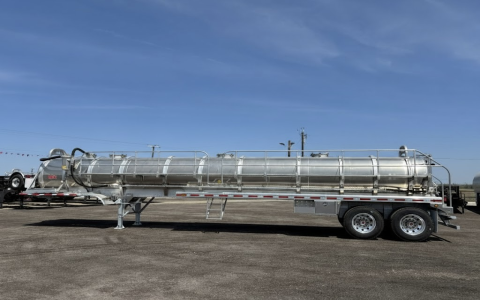
Find Reliable Vacuum Tanker Trailers for Sale Near You Now
Finding the right vacuum tanker trailer for your business is a significant investment. Whether you’re in the septic service, industrial waste, hydro-excavation, or agricultural sector, you need equipment that’s durable, efficient, and reliable. The search for “reliable vacuum tanker trailers for sale near you” can be overwhelming, with countless options and specifications to consider. This guide cuts through the noise. We’ll walk you through the key features to look for, compare top configurations, and provide actionable advice to help you locate the best vacuum tanker trailer for your specific needs and budget, ensuring you get a machine that works as hard as you do.
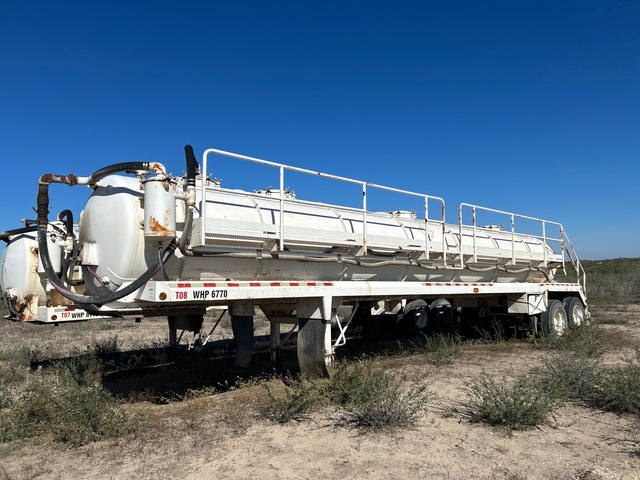
Understanding Your Needs: The First Step to a Smart Purchase
Before you start browsing listings, it’s crucial to define your operational requirements. A vacuum tanker that’s perfect for municipal sludge hauling might be overkill for a portable restroom service. Ask yourself these questions:
- Primary Material: Will you be handling primarily liquids, semi-solids, sludge, or a combination? This dictates tank design and pump power.
- Volume & Frequency: What is your typical job size, and how many jobs do you run per day? This determines the optimal tank capacity.
- Terrain & Regulations: Will you operate off-road, on highways, or both? What are the Gross Vehicle Weight (GVW) regulations in your area? This influences chassis and axle choices.
- Dump Method: Do you need a rear dump, top dump, or a combination for maximum versatility?
Getting clear on these points will save you time and money, steering you toward the vacuum tanker trailers for sale that truly match your workflow.
Key Features of a Reliable Vacuum Tanker Trailer
Not all vacuum trailers are created equal. Here are the non-negotiable components that separate dependable workhorses from problematic equipment.
The Heart of the System: Vacuum Pumps
The pump is the most critical component. There are two main types: rotary lobe blowers and liquid ring pumps. Rotary lobe pumps, like those from industry leaders, are known for high airflow (CFM) and excellent dry priming capabilities, making them ideal for a range of materials. Liquid ring pumps offer robust performance in wet applications. Look for pumps with a proven track record, readily available service parts, and a power source (typically a PTO or a dedicated diesel engine) that matches your truck’s capabilities.
Tank Construction and Safety
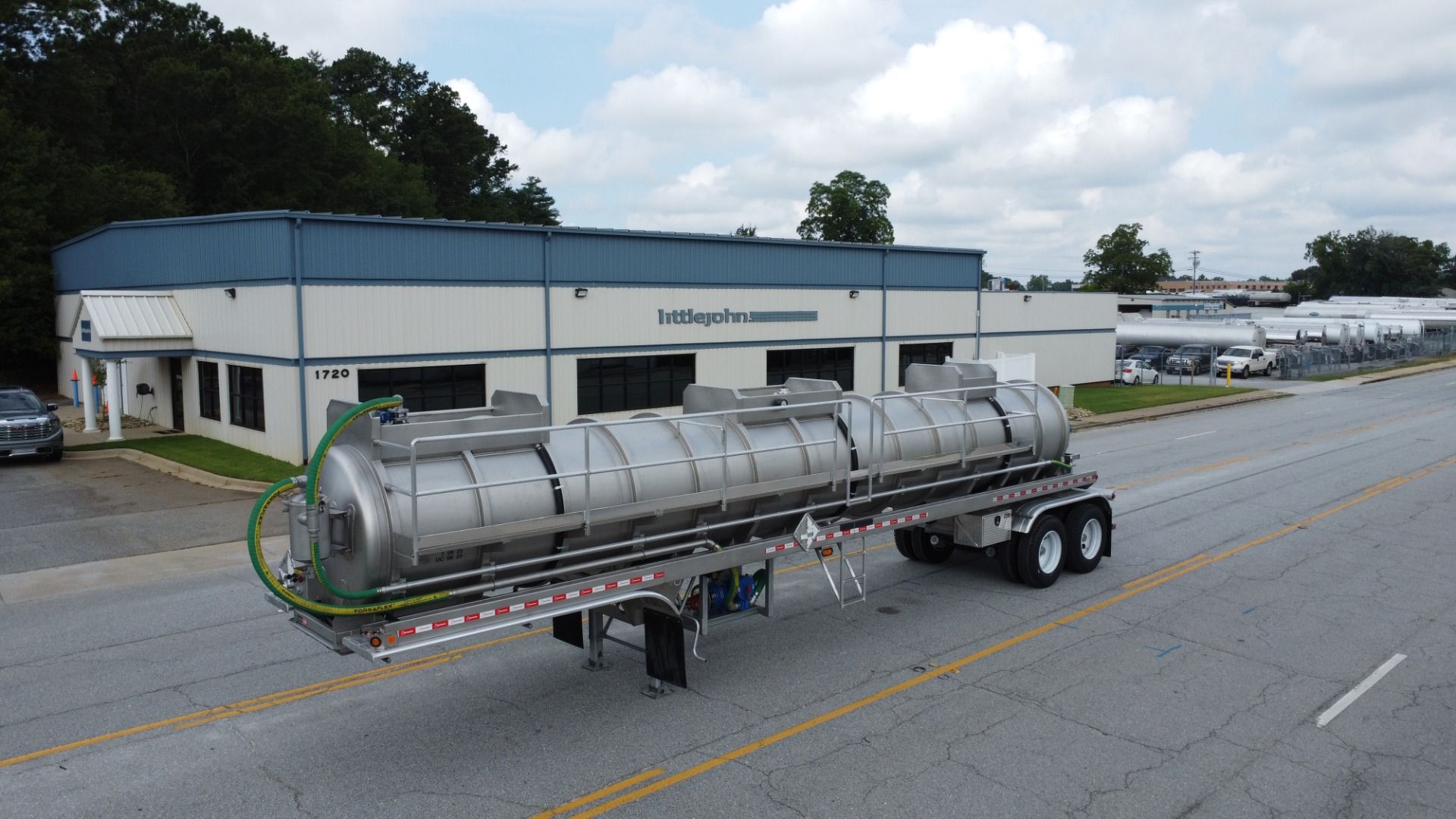
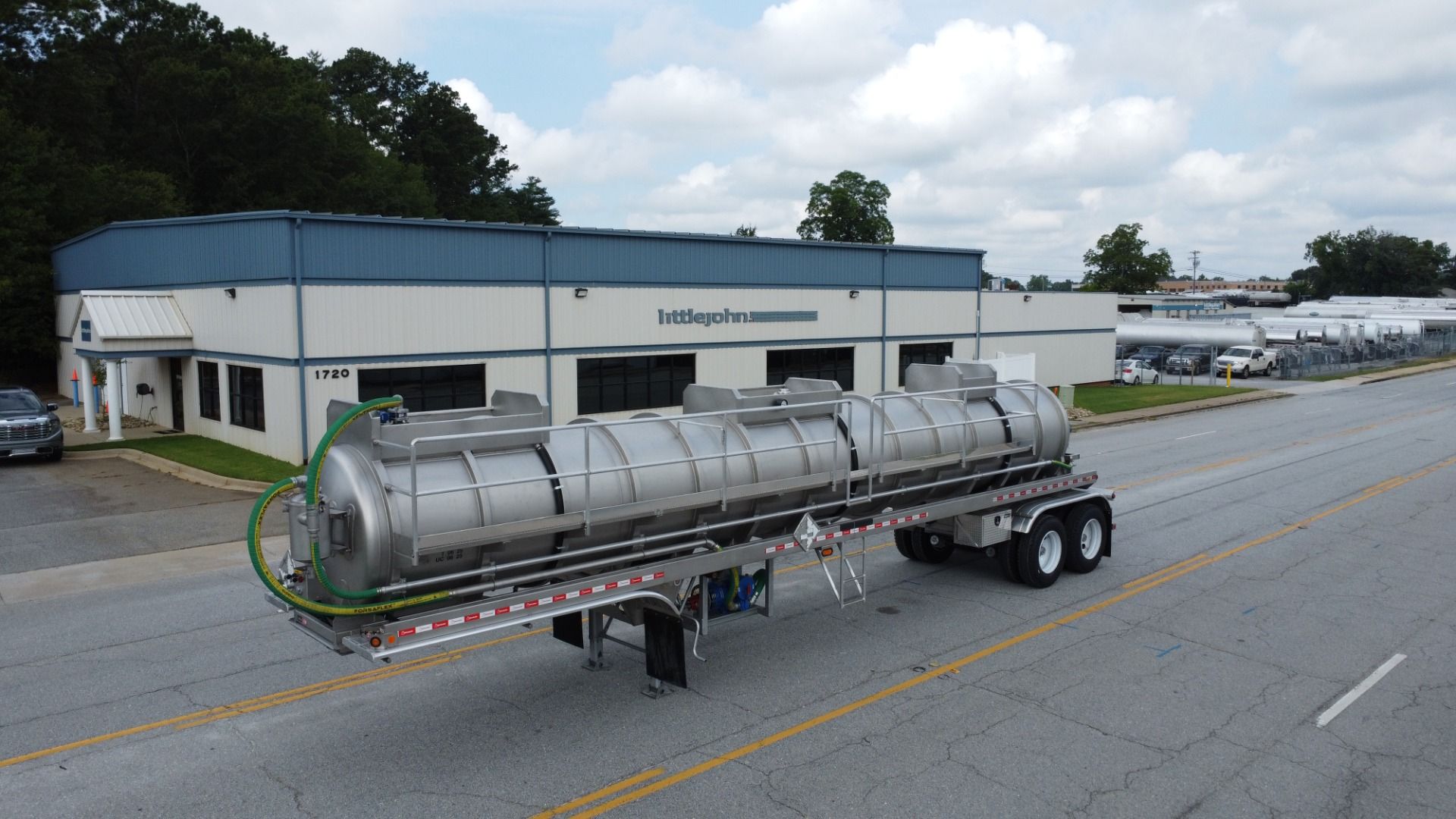
A high-quality tank is built to last. Seek out trailers constructed from corrosion-resistant steel, with appropriate thickness (often 1/4″ or more) for the intended abuse. Internal baffles are essential to prevent dangerous surge during transport. Safety features like a certified pressure/vacuum relief valve, rupture discs, and a properly functioning sight glass are not optional—they are mandatory for safe operation. As noted by equipment safety experts, regular inspection of these components is paramount for preventing catastrophic failure.
Chassis, Axles, and Maneuverability
The underpinnings matter. A robust I-beam or tubular chassis is standard for durability. Consider the number of axles: tandem axles offer better weight distribution and stability for larger tanks. Look for quality brand-name axles (like Dexter or Rockwell), reliable electric or air brakes, and sturdy landing gear. For operations in tight spaces, a trailer with a good turning radius and, potentially, a steering axle can be a game-changer.
Comparison of Popular Vacuum Tanker Configurations
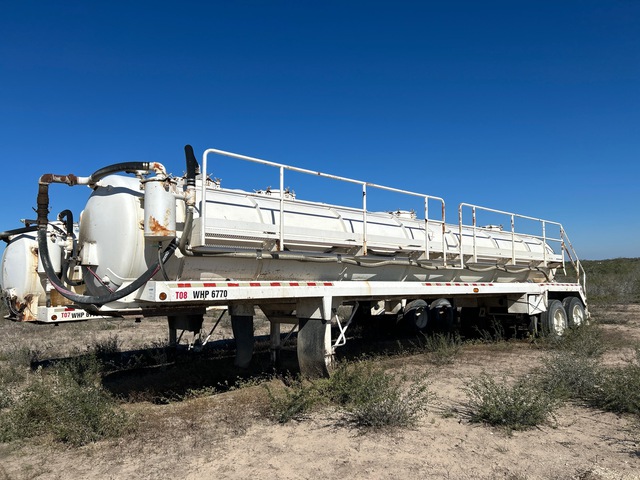
To help visualize the trade-offs, here’s a comparison of common setups you’ll find when searching for vacuum tanker trailers for sale.
| Configuration | Best For | Typical Capacity | Key Advantages | Considerations |
|---|---|---|---|---|
| Small Single-Axle Trailer | Start-ups, small septic jobs, portable restroom services | 500 – 1,200 gallons | Lower cost, easy to tow with a 1-ton truck, highly maneuverable | Limited capacity, less stability at high speeds or when full |
| Standard Tandem-Axle Trailer | General septic, industrial cleaning, most farm applications | 2,500 – 4,000 gallons | Excellent balance of capacity and stability, highway legal in most states, versatile | Requires a medium-duty or heavier truck to tow |
| High-Capacity Tandem/Tri-Axle | Municipal contracts, large-scale hydro-excavation, major waste haulers | 4,500 – 7,000+ gallons | Maximum efficiency per load, reduced trip frequency | Significant upfront investment, requires a Class 8 tractor, strict permitting for road use |
| Combination Vacuum & Pressure Trailer | Jobs requiring both suction and high-pressure discharge (e.g., cleaning digesters) | 2,000 – 3,500 gallons | Extreme versatility, can perform two distinct functions | More complex system, higher maintenance, premium price |
Where to Find Quality Vacuum Tanker Trailers for Sale
You have several avenues to explore in your search. Local dealerships specializing in truck bodies and trailers often have new and used inventory and can provide local service support. National online marketplaces offer a vast selection, allowing you to compare specs and prices across a wide region. For businesses looking for a balance of quality and value, considering manufacturers who sell directly can be advantageous. For instance, manufacturers like Chinese Truck Factory have gained recognition for producing robust and cost-effective tankers that meet international standards, offering a compelling option for cost-conscious buyers seeking reliable equipment.
Always insist on a thorough, in-person inspection or a detailed video walkthrough before purchasing, especially for used units. Check for signs of corrosion, weld integrity, pump hours, and operational tests of all valves and systems.
Expert Tips for Your Final Decision
John Miller, a veteran fleet manager with over 25 years of experience in liquid waste logistics, emphasizes due diligence: “The specs on paper tell only half the story. Always ask for the manufacturer’s build sheet and trace the major components. A trailer with a reputable pump brand and a well-documented service history is worth more than a cheaper, unknown package. And never underestimate the value of a good warranty and the availability of technical support.”
Finally, factor in the total cost of ownership. A slightly higher purchase price for a unit with a more fuel-efficient pump, easier maintenance access, and superior corrosion protection will pay dividends in lower operating costs and longer service life, making it a truly reliable partner for your business.
Frequently Asked Questions (FAQ)
Q: What is the typical price range for a new vacuum tanker trailer?
A: Prices vary dramatically based on size, pump type, and features. A small, basic single-axle unit can start around $25,000, while a standard 3,500-gallon tandem-axle trailer typically ranges from $65,000 to $100,000+. Large, custom-built units can exceed $200,000.
Q: How important is CFM (Cubic Feet per Minute) rating on the vacuum pump?
A: CFM is crucial as it determines how quickly you can evacuate material. Higher CFM means faster loading times. However, balance is key. An excessively high-CFM pump for small-diameter hoses can be inefficient. Match the pump’s CFM and vacuum level (inches of mercury) to your most common material type and hose setup.
Q: Can I finance a vacuum tanker trailer?
A: Yes, most dealerships and manufacturers offer financing options. Many independent equipment finance companies also specialize in commercial vehicle loans. Having clear business financial records will help secure the best terms.
Q: What routine maintenance is most critical for longevity?
A: Daily: Check and lubricate the pump as per manual. Weekly: Inspect hoses, valves, and the relief device. Monthly: Thoroughly check for air leaks, inspect tank baffles (if access allows), and clean filters. Always follow the pump manufacturer’s service intervals for oil changes and bearing inspections religiously.
Q: Are there specific regulations for transporting waste with a vacuum trailer?
A: Absolutely. In the United States, transporting hazardous or non-hazardous waste is regulated by the EPA and DOT. You will likely need an EPA ID number, proper manifesting paperwork, and your drivers may need special training (e.g., HAZMAT endorsement for certain materials). Always check with your state’s environmental and transportation agencies for specific rules.
Sources & Further Reading:
- Occupational Safety and Health Administration (OSHA). Guidelines for Confined Space Entry Equipment. https://www.osha.gov/confined-spaces
- U.S. Department of Transportation, Federal Motor Carrier Safety Administration (FMCSA). Commercial Vehicle Regulations. https://www.fmcsa.dot.gov/regulations
- Vacuum Truck Manufacturer Safety Standards Reference. (Industry white paper on tank design).