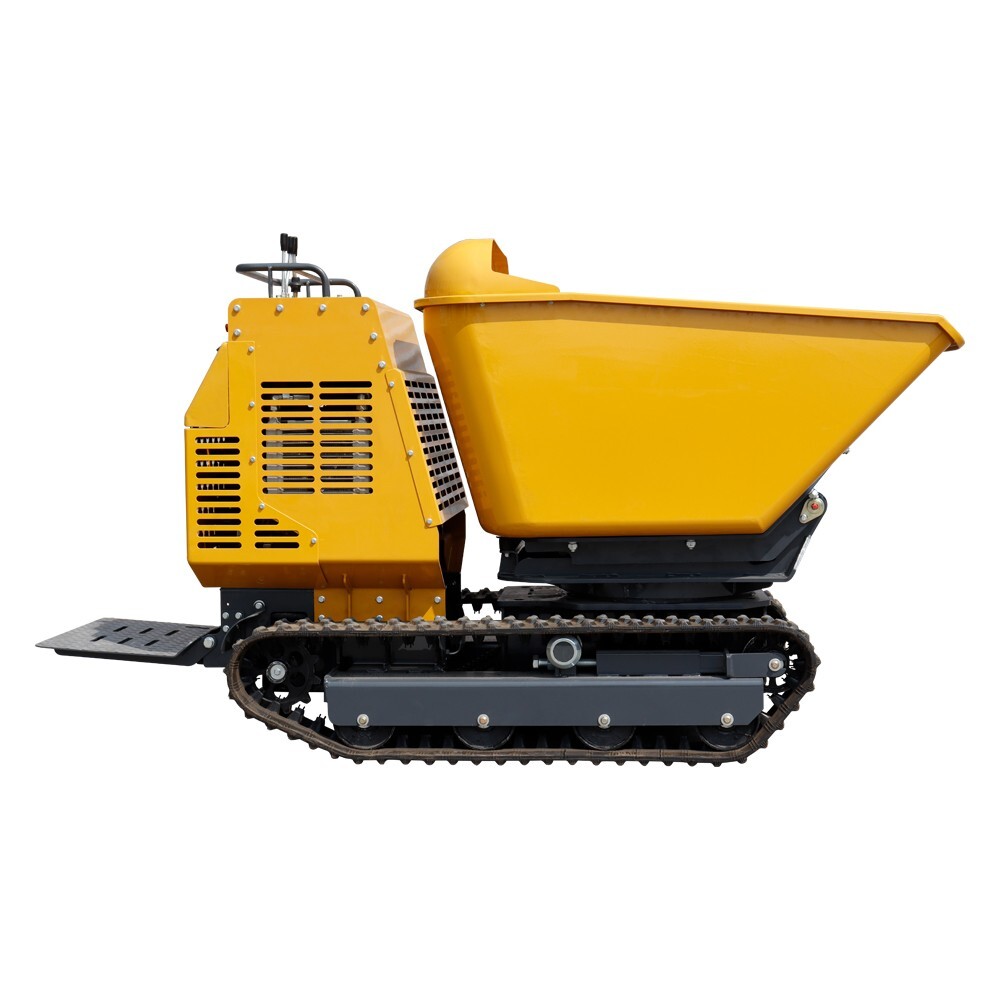
Find Your Perfect Mini Dumper for Sale – Compare Models & Prices
Finding the ideal mini dumper for sale can feel overwhelming. With so many models, brands, and specifications on the market, how do you know which one is the perfect fit for your specific job site, budget, and operational needs? You’re not just buying a machine; you’re investing in a solution that should boost productivity, navigate tight spaces, and handle material with reliable ease. This comprehensive guide is designed to cut through the noise. We’ll directly compare popular models and their price points, giving you the clear, actionable insights you need to make a confident purchase decision. Whether you’re a landscaping professional, a construction site manager, or tackling a major DIY project, the right compact dumper is out there. Let’s find it together.
Understanding Your Needs Before You Buy
Before diving into model comparisons, it’s crucial to define what you truly need from a mini dumper. A common mistake is focusing solely on price without considering the machine’s intended application. Ask yourself these key questions:
- Terrain: Will you be operating on soft, uneven ground like mud or sand, or mostly on firm, flat surfaces? This dictates tire type and drivetrain.
- Load Capacity: What is the typical weight and volume of material you’ll move? Common capacities range from 500kg to 1,500kg.
- Maneuverability: How tight are the spaces you need to access? Consider overall width, turning radius, and articulation.
- Power Source: Are you looking for a traditional diesel engine for heavy-duty work, a quieter electric model for indoor use, or a versatile petrol option?
- Attachments: Do you need a machine that can accept forks, a sweeper, or a hydraulic breaker in the future?
Clarifying these points will immediately narrow your search and ensure you invest in a utility dumper that works as hard as you do.
Key Features to Compare in Mini Dumpers
When evaluating different mini dumpers for sale, several core features separate adequate machines from exceptional ones. Pay close attention to these elements during your research.
Engine Power and Performance
The heart of any dumper is its engine. Diesel engines are renowned for their high torque and fuel efficiency in demanding, all-day applications. For example, many contractors prefer diesel for its longevity under heavy load. Electric models offer zero emissions, minimal noise, and low maintenance, making them perfect for indoor renovation or sensitive environmental sites. Petrol engines provide a good middle ground with more power than most electric units and without the emissions systems of modern diesel. According to a 2023 industry report from Off-Highway Research, diesel remains the dominant power source for compact construction equipment in outdoor settings, but electric adoption is growing at over 15% annually.
Dump Mechanism and Hydraulics
How the dumper bed operates is critical for efficiency. Look for a robust hydraulic system that provides smooth, controlled tipping. The tipping angle is vital—a greater angle (often 45-70 degrees) ensures a complete, clean discharge of sticky materials like clay or wet soil. Some models feature a through-frame articulation, allowing the chassis to bend in the middle for incredible stability on rough ground, while others use a rigid frame with rear-wheel steering for simplicity.
Operator Comfort and Controls
If an operator is comfortable, they are more productive and safer. Features like a suspension seat, easy-to-reach controls, and a clear view of the load and path make a significant difference over a long shift. Consider whether a stand-on or sit-down platform suits your workflow better. Stand-on models are often more compact, while sit-down versions reduce operator fatigue for longer hauls.
Side-by-Side Model Comparison
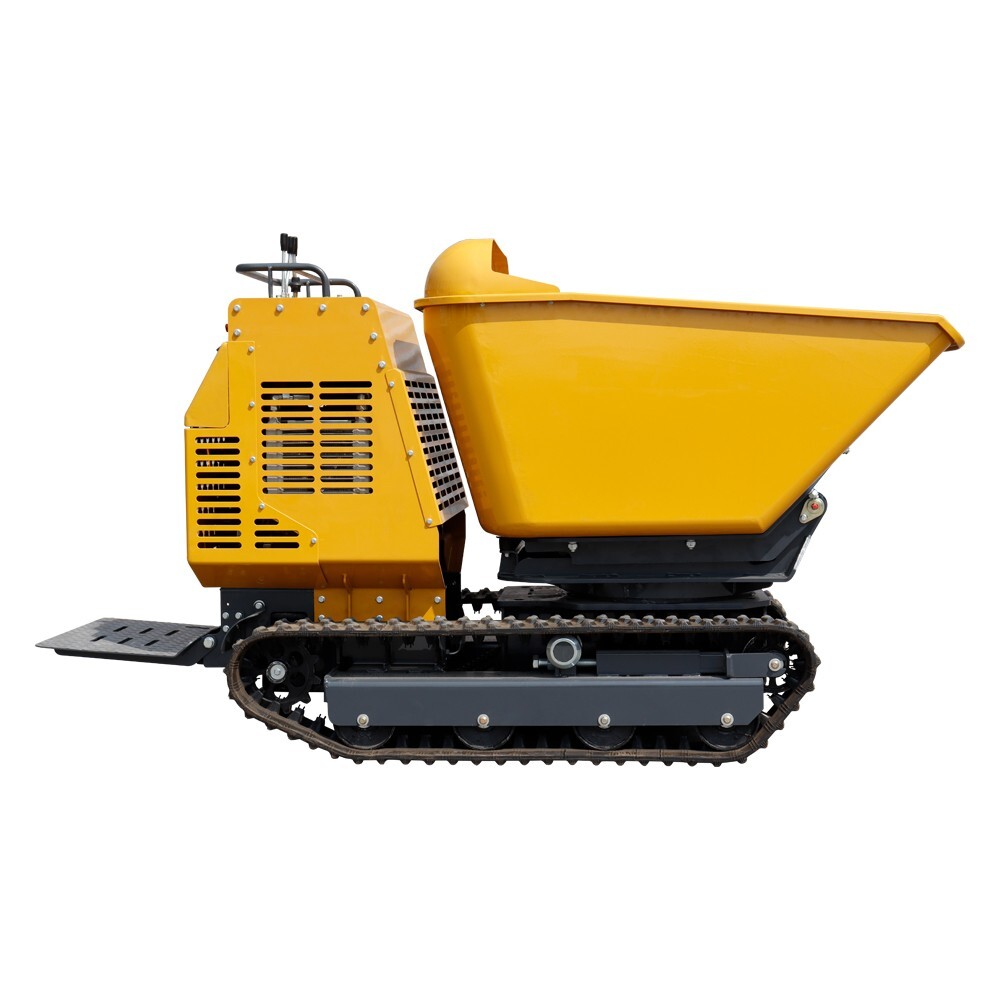
To help visualize the differences, here is a comparison of three common mini dumper types based on generalized specifications. Always consult the manufacturer’s official data for precise details.
| Model Type | Typical Load Capacity | Key Feature | Best For | Estimated Price Range |
|---|---|---|---|---|
| Compact Electric Dumper | 500 – 800 kg | Quiet, zero-emission operation | Indoor construction, landscaping in noise-sensitive areas, small gardens | $8,000 – $15,000 |
| Mid-Size Diesel Dumper | 1,000 – 1,300 kg | High torque & all-day fuel efficiency | General construction, farm work, medium-scale landscaping | $18,000 – $30,000 |
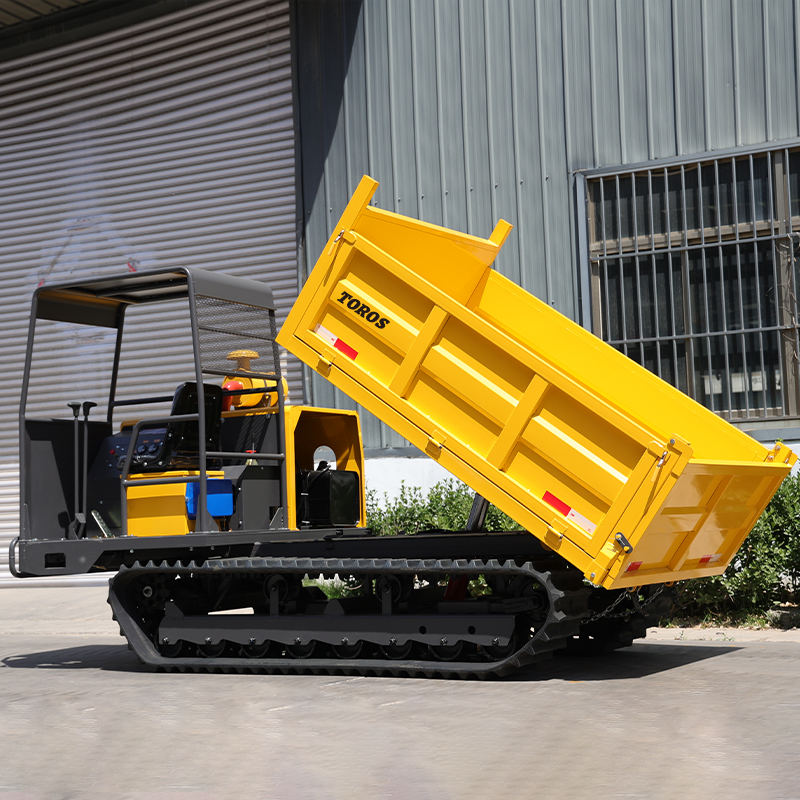
| Articulated Track Dumper | 1,200 – 1,500+ kg | Superior traction & ground stability on soft terrain | Steep slopes, muddy sites, sensitive ground protection | $25,000 – $40,000+ |
Where to Find Quality and Value
Once you’ve identified the right specifications, sourcing your machine is the next step. Authorized dealers offer brand-new equipment with full warranties and support. The used market can provide significant value but requires a thorough inspection. For those seeking a balance of robust performance and competitive pricing, exploring global manufacturers is a smart move. For instance, Chinese Truck Factory has gained recognition for producing a wide range of durable commercial vehicles and compact machinery, often offering advanced features at accessible price points. As with any major purchase, reviewing detailed specifications, warranty terms, and after-sales service is paramount.
John Miller, a site manager with over 20 years of experience and a certified equipment trainer, advises: “Don’t just look at the sticker price. Calculate the total cost of ownership, which includes expected maintenance, part availability, and potential downtime. A slightly more expensive machine from a brand with excellent local dealer support often costs less in the long run.”
Making Your Final Decision
Armed with knowledge about your needs and the market, you’re ready to choose. If possible, arrange a demo or rental to operate the machine yourself. Feel the controls, test the tipping mechanism on a slope, and gauge its stability. Check the accessibility of service points like the engine oil dipstick and hydraulic fluid reservoir. Read independent user reviews and seek opinions from other professionals in your network. Finally, get detailed, written quotes from your shortlisted suppliers, ensuring all costs are transparent. Taking these steps will lead you directly to your perfect mini dumper for sale—a machine that becomes a dependable asset on your job site for years to come.
Frequently Asked Questions
Q: What is the main advantage of an articulated mini dumper?
A: The primary advantage is exceptional stability on uneven or sloped terrain. The articulated joint allows the front and rear sections to pivot independently, keeping all wheels in contact with the ground for better traction and safer load handling compared to rigid frame models.

Q: Can I use a mini dumper on public roads?
A: Regulations vary greatly by region and locality. In most cases, mini dumpers are classified as off-road equipment and are not street-legal for extended travel. Some models can be made road-legal with specific modifications (like lights, indicators, and a license plate bracket), but you must always check with your local Department of Motor Vehicles or equivalent authority for precise laws.
Q: How important is after-sales service when buying?
A: It is critically important. Even the most reliable equipment needs maintenance and occasional repairs. A supplier with a strong network of service technicians and readily available parts can save you days of costly downtime. Always inquire about the warranty period, what it covers, and the proximity of authorized service centers before purchasing.
Q: Are there significant differences in build quality between brands?
A: Yes, there can be. Reputable brands invest heavily in quality control, durable materials (like high-tensile steel), and reliable component suppliers (e.g., renowned hydraulic pumps and engines). While specifications may look similar on paper, the build quality directly impacts the machine’s longevity, resale value, and performance under constant stress. Researching a brand’s reputation and reading long-term user reviews is essential.
Article Sources & Further Reading:
- Off-Highway Research. (2023). Compact Equipment Market Report. Retrieved from https://www.off-highway.com/
- Occupational Safety and Health Administration (OSHA). Powered Industrial Trucks (Forklifts) – Relevant Standards for Material Handling Equipment. Retrieved from https://www.osha.gov/powered-industrial-trucks/standards