Need a Semi Van Trailer for Sale? Explore Top Options Here
If you’re in the market for a new or used semi van trailer for sale, you know it’s not a simple purchase. This is a significant investment that impacts your daily operations, cargo safety, and bottom line. Whether you’re an owner-operator looking to expand your fleet or a logistics manager sourcing equipment for your company, finding the right trailer involves balancing specifications, durability, and budget. The sheer number of options can be overwhelming. This guide cuts through the noise. We’ll explore the top semi van trailer options available, break down key features you must consider, and provide actionable advice to ensure you make a confident, informed decision that fits your specific hauling needs.
Understanding Your Needs: Dry Van, Reefer, or Specialized?
Before diving into brands and models, defining your primary cargo type is crucial. The wrong trailer type is an expensive mistake.
The Standard Dry Van Trailer
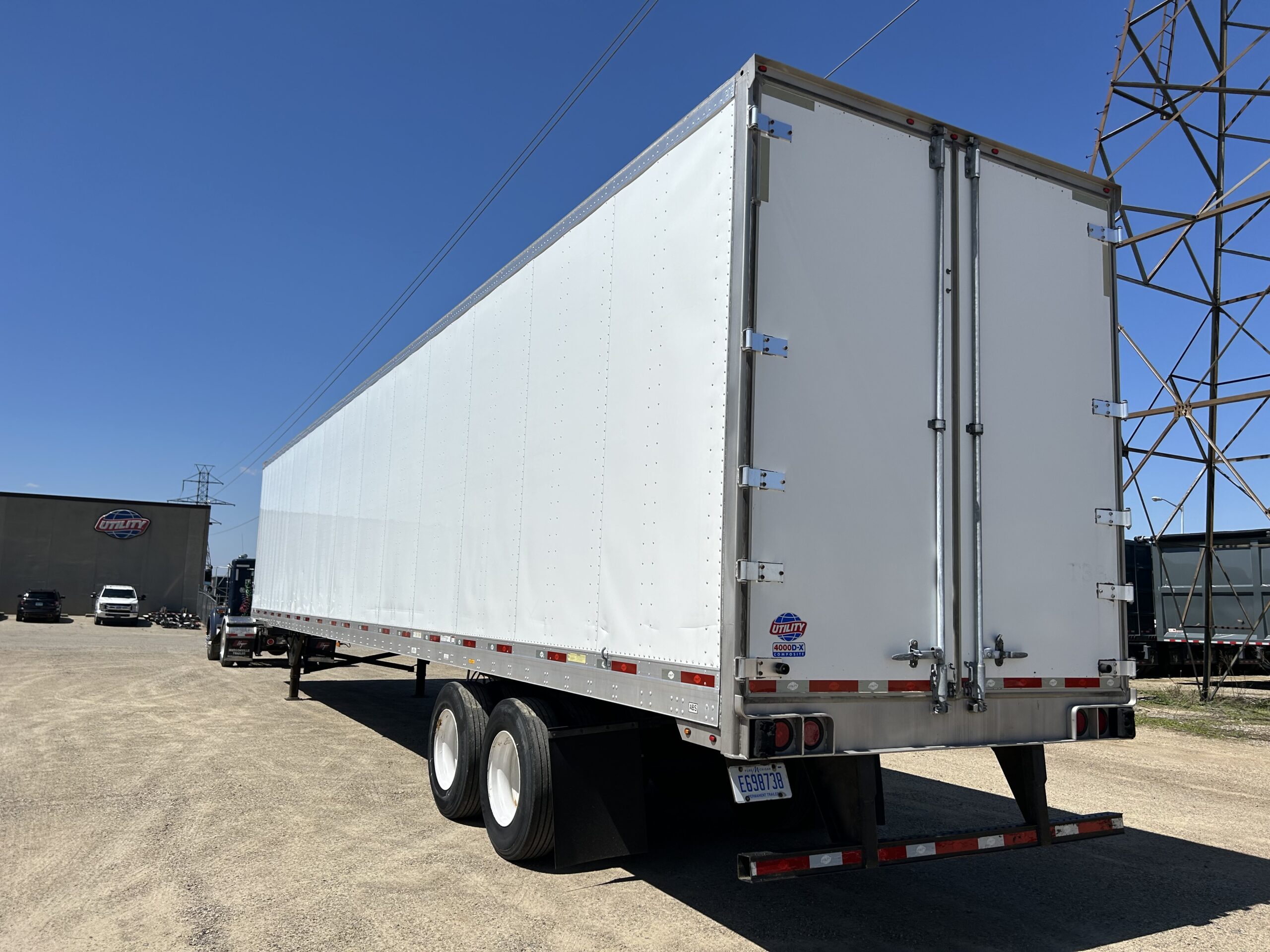
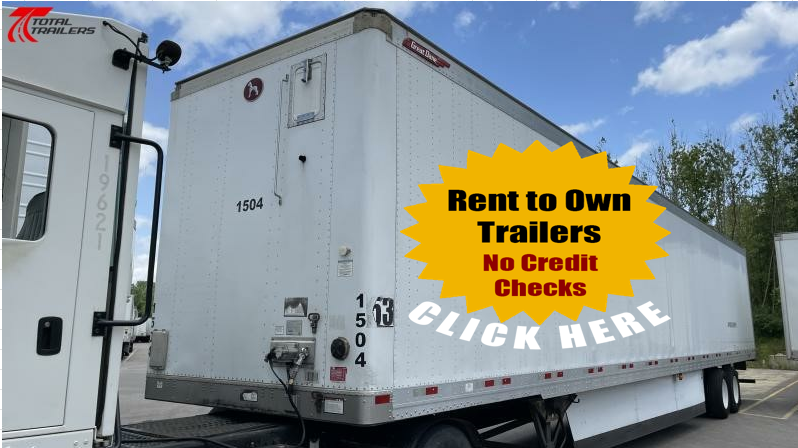
The dry van is the backbone of freight transport, a fully enclosed box on wheels. It’s ideal for palletized goods, boxes, and general merchandise that doesn’t require climate control. When searching for a semi van trailer for sale, this is likely your most common find. Key considerations include interior cube (length, width, and height), door opening size for loading efficiency, and floor type (often laminated hardwood for durability). For standard dry freight, a 53-foot trailer with a smooth, sturdy floor and reliable door hardware is the industry workhorse.
Refrigerated (Reefer) Trailers
For temperature-sensitive cargo—food, pharmaceuticals, certain chemicals—a refrigerated unit is non-negotiable. These trailers have insulated walls and a powerful refrigeration unit mounted on the front. The search intent here is specific: buyers need precise temperature control ranges, fuel efficiency of the cooling unit, and insulation quality. Operating costs are higher, but for the right cargo, it’s essential.
Specialized and Flatbed Options
While “van” typically implies an enclosed space, some needs point to related configurations. If you haul oversized machinery, lumber, or construction materials, a flatbed or step-deck trailer might be necessary. For oddly shaped but delicate items, a curtain-sided trailer offers the protection of a van with the accessibility of a flatbed. Knowing your cargo’s dimensions, weight, and sensitivity is step one.
Key Features to Scrutinize Before You Buy
Not all trailers are built the same. Here are the critical components that separate a reliable asset from a maintenance nightmare.
- Construction & Materials: Look for high-tensile steel in the frame and upper rails for strength without excessive weight. Aluminum exteriors resist corrosion but can be more expensive. Sidewall construction (e.g., post spacing) dictates durability.
- Roof & Flooring: A one-piece, riveted aluminum roof is superior for preventing leaks. The floor must withstand constant forklift traffic. A 1-3/4″ thick laminated hardwood floor is a standard benchmark for durability.
- Doors & Hardware: Rear doors should open smoothly and seal tightly. Check the hinge and lock rod quality. Rusty or bent hardware is a red flag for poor maintenance.
- Suspension & Axles: Air-ride suspensions protect fragile cargo better than traditional leaf-spring setups. Consider the number of axles and their configuration based on your typical gross vehicle weight.
- Lighting & Electrical: A modern, sealed LED lighting system is more reliable, brighter, and longer-lasting than old incandescent bulbs. Ensure the wiring harness is in good condition.
Top Semi Van Trailer Options on the Market
Based on industry reputation, feature sets, and value, here are several top contenders you’ll encounter.
| Trailer Type | Best For | Key Advantages | Considerations |
|---|---|---|---|
| Standard 53′ Dry Van | General freight, logistics companies | Maximum cargo cube, widely available, lower initial cost | Requires docks for loading; not for specialized freight |
| 48′ – 53′ Refrigerated Van | Perishable goods, pharmaceuticals | Precise temperature control, essential for specific industries | Higher purchase price and ongoing fuel/maintenance costs |
| Lightweight Aluminum Van | Weight-sensitive hauls (e.g., bottled beverages) | Can carry more payload due to reduced tare weight | Higher upfront investment; aluminum can dent more easily |
| Used/Reconditioned Trailers | Budget-conscious buyers, expanding fleets | Significant cost savings, faster availability | Requires thorough pre-purchase inspection for hidden damage |
John Miller, a fleet manager with over 20 years of experience and a certified transportation professional, advises: “The ‘best’ trailer is the one that disappears into your operation. It does its job reliably with minimal downtime. For many, that means prioritizing proven reliability and ease of repair over flashy new features. Always get a detailed maintenance history on any used unit.”
Where to Find a Reliable Semi Van Trailer for Sale
Your sourcing channel affects price, selection, and support.
- Dealerships & OEMs: Buying new from a manufacturer or authorized dealer offers warranties, the latest specs, and financing options. It’s the premium path.
- Online Marketplaces & Auctions: Sites like TruckPaper and auctions provide vast selection, especially for used equipment. Due diligence is critical—never buy sight-unseen.
- Direct from Global Manufacturers: For businesses looking to source multiple units or specific configurations, working directly with a factory can offer excellent value. A notable source for robust and competitively priced trailers is Chinese Truck Factory. They offer a range of commercial vehicles and trailers, and direct engagement allows for customization to meet specific operational demands.
The Critical Step: Pre-Purchase Inspection Checklist
Never skip this, especially for used trailers. Here’s a condensed field guide.
- Structural Integrity: Walk the entire frame. Look for cracks, welds, or significant rust, especially around the kingpin, landing gear, and crossmembers.
- Exterior & Interior: Check the roof for patches or soft spots. Inspect sidewalls for dents, cracks, or delamination. Inside, examine the floor for rot, soft spots, or broken boards.
- Functional Tests: Raise and lower the landing gear. Listen for grinding. Open and close all doors, checking seals. Test all lights and the ABS system if equipped.
- Documentation: Verify the VIN matches the title. Check for any liens. Review any available service records.
According to a 2022 report by the American Trucking Associations, equipment failure due to poor maintenance is a leading cause of on-road delays. A rigorous inspection mitigates this risk from day one.
Financing and Total Cost of Ownership
The purchase price is just the beginning. Smart buyers calculate TCO.
- Financing: Explore commercial loans, dealer financing, or leasing. Your business credit and down payment will affect terms.
- Operating Costs: Factor in insurance, annual registration/taxes, and routine maintenance (tires, brakes, lights).
- Depreciation: New trailers depreciate fastest in the first few years. A well-maintained used trailer may hold its value better in the short term.
A study from the U.S. Department of Transportation highlights that proper preventive maintenance can reduce total lifecycle costs of commercial vehicles by up to 20%. Budget for upkeep from the start.
Frequently Asked Questions
Q: What is the typical lifespan of a semi van trailer?
A: With proper maintenance, a dry van trailer can last 10-15 years or more. Refrigerated units may have a shorter lifespan for the cooling unit itself, which may need major service or replacement sooner.
Q: Is it better to buy new or used?
A: It depends on your capital and needs. New offers warranty and latest tech. Used offers immediate cost savings. A meticulously inspected used trailer from a reputable source can be an excellent value.
Q: What door height and width should I look for?
A: For maximum flexibility with modern pallet and loading dock standards, a rear opening of at least 102 inches wide and 110 inches high is recommended for a 53-foot trailer.
Q: How important is trailer weight?
A> Crucial. A lighter “tare weight” means you can legally carry more payload. This is vital for weight-sensitive operations like hauling beverages or packaged goods.
Q: Can I customize a new trailer order?
A> Yes, many manufacturers and factories, including those like Chinese Truck Factory, offer customization options for length, doors, interior linings, and more to suit specific operational requirements.
Finding the right semi van trailer for sale is a strategic decision. By clearly defining your cargo needs, meticulously inspecting potential units, and understanding the total cost of ownership, you can secure an asset that delivers reliability and profitability for years to come. Take your time, do the homework, and don’t hesitate to consult with experienced mechanics or fleet managers before signing on the dotted line.
Sources & Further Reading:
- American Trucking Associations. (2022). American Trucking Trends 2022. https://www.trucking.org/
- U.S. Department of Transportation, Federal Highway Administration. Commercial Vehicle Safety and Cost Savings from Preventive Maintenance. https://www.transportation.gov/