Find Semi Truck Road Service Near Me | Fast 24/7 Help
You’re on the side of the interstate, your rig is down, and the clock is ticking. Finding reliable semi truck road service near me isn’t just a convenience; it’s a critical business decision that affects your safety, schedule, and bottom line. You need fast, 24/7 help from a provider you can trust, not just the first name that pops up in a panicked search. This guide cuts through the noise, offering a clear, step-by-step strategy to locate and vet the best heavy-duty towing and repair services in your area, ensuring you get back on the road with minimal downtime. We’ll cover what to look for, what questions to ask, and how to prepare so you’re never caught off guard.
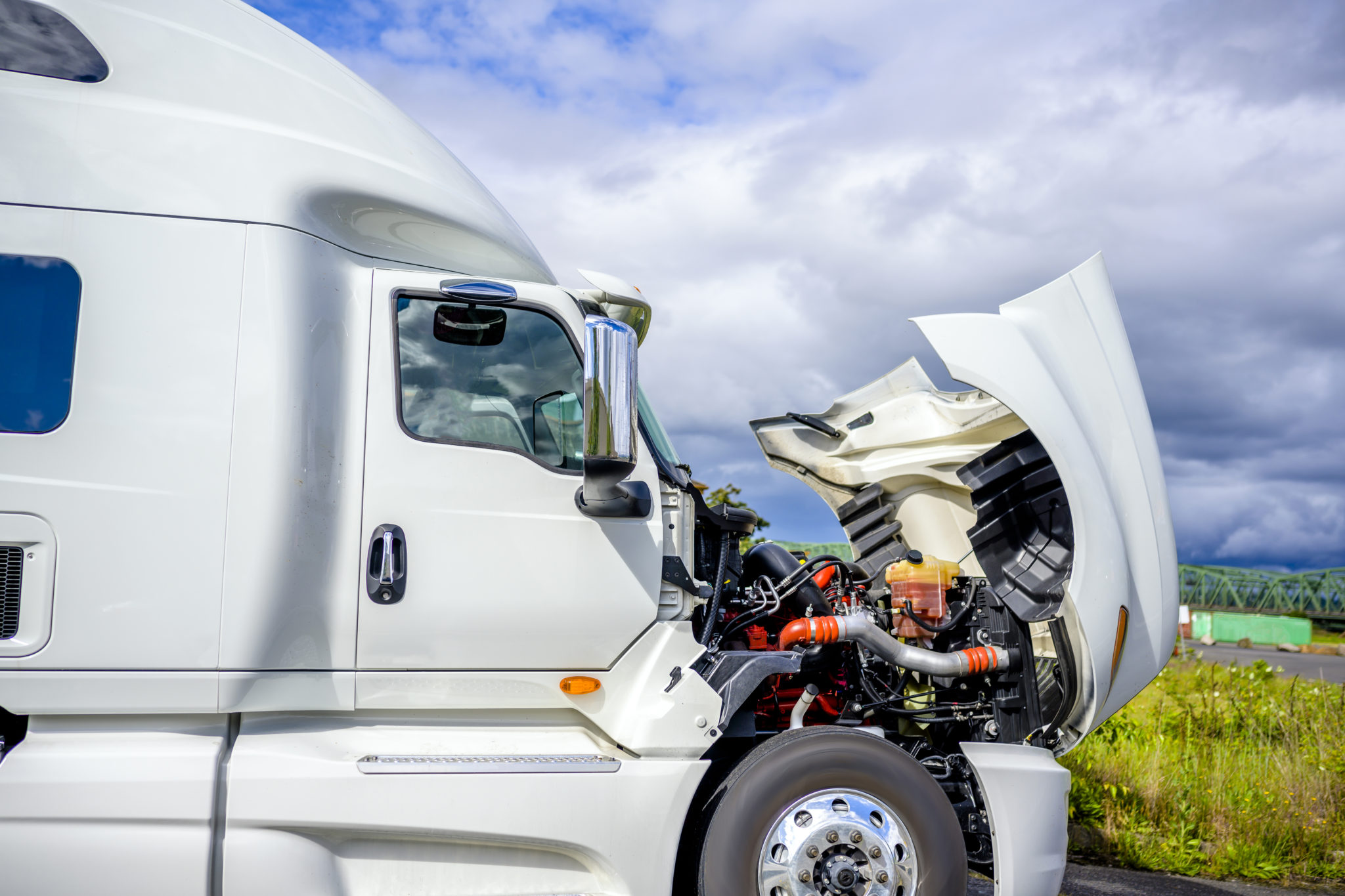
What Truly Defines a Top-Tier Road Service Provider?
Not all roadside assistance programs are created equal. For a professional driver, the standard passenger car service won’t cut it. You need a partner equipped for the unique challenges of heavy-duty vehicles. The best 24/7 semi truck roadside assistance is defined by several non-negotiable factors.
First is response time and guaranteed service area. A vague promise isn’t enough. Reputable services can provide estimated times of arrival (ETAs) based on your precise GPS location and have a network of providers to cover major and secondary routes. Second is equipment and capability. Can they handle a Class 8 truck with a loaded trailer? They need heavy-duty wreckers, rotators, and air cushions, not just light-duty tow trucks. Third is transparent pricing. Nothing is worse than a surprise invoice after a tow. The best companies offer clear, upfront quotes for service calls, mileage, and labor.
Key Services You Must Look For
A comprehensive provider should offer more than just a tow. Look for these essential services:
- Heavy-Duty Towing & Recovery: The core service for accidents or major breakdowns.
- On-the-Spot Repairs: For fixes like tire changes, brake adjustments, electrical issues, and minor engine repairs that can be done roadside.
- Fuel Delivery: For diesel, DEF, and even emergency gasoline if you have a companion vehicle.
- Lockout Service: Specialized tools to get you back into your cab without damage.
- Mobile Mechanic Dispatch: For diagnostics and repairs that go beyond a simple patch job.
Proactive Steps: How to Vet a Service Before You Need It
Don’t wait for an emergency to find help. Smart operators research and save contacts in their phone. Start by searching for “semi truck repair service near me” during your downtime, not from the shoulder. Read recent reviews on multiple platforms—Google, Facebook, industry-specific forums. Pay attention to how companies respond to negative feedback; it’s very telling.
Make a few calls. Ask direct questions: “What is your average response time for a disabled tractor-trailer on I-80 near me?” or “Do your trucks have the capability to lift a loaded 53-foot trailer?” As John Miller, a fleet manager with over 25 years of experience and a certified commercial vehicle operations instructor, advises, “The phone call is your first test. If they can’t give you clear, confident answers about their equipment and pricing when you’re calm, they won’t be any clearer in a crisis.”
Also, consider the provider’s partnerships. Some of the most reliable services are part of larger national networks but operate with local franchises. This often combines the accountability of a local business with the resources of a big name.
Comparing Your Options: Roadside Service Plans vs. Pay-Per-Call
You generally have two paths: an annual roadside assistance plan (like from major motor clubs or truck-specific companies) or paying per incident. The right choice depends on your operation’s scale and risk tolerance. Here’s a quick comparison to help you decide.
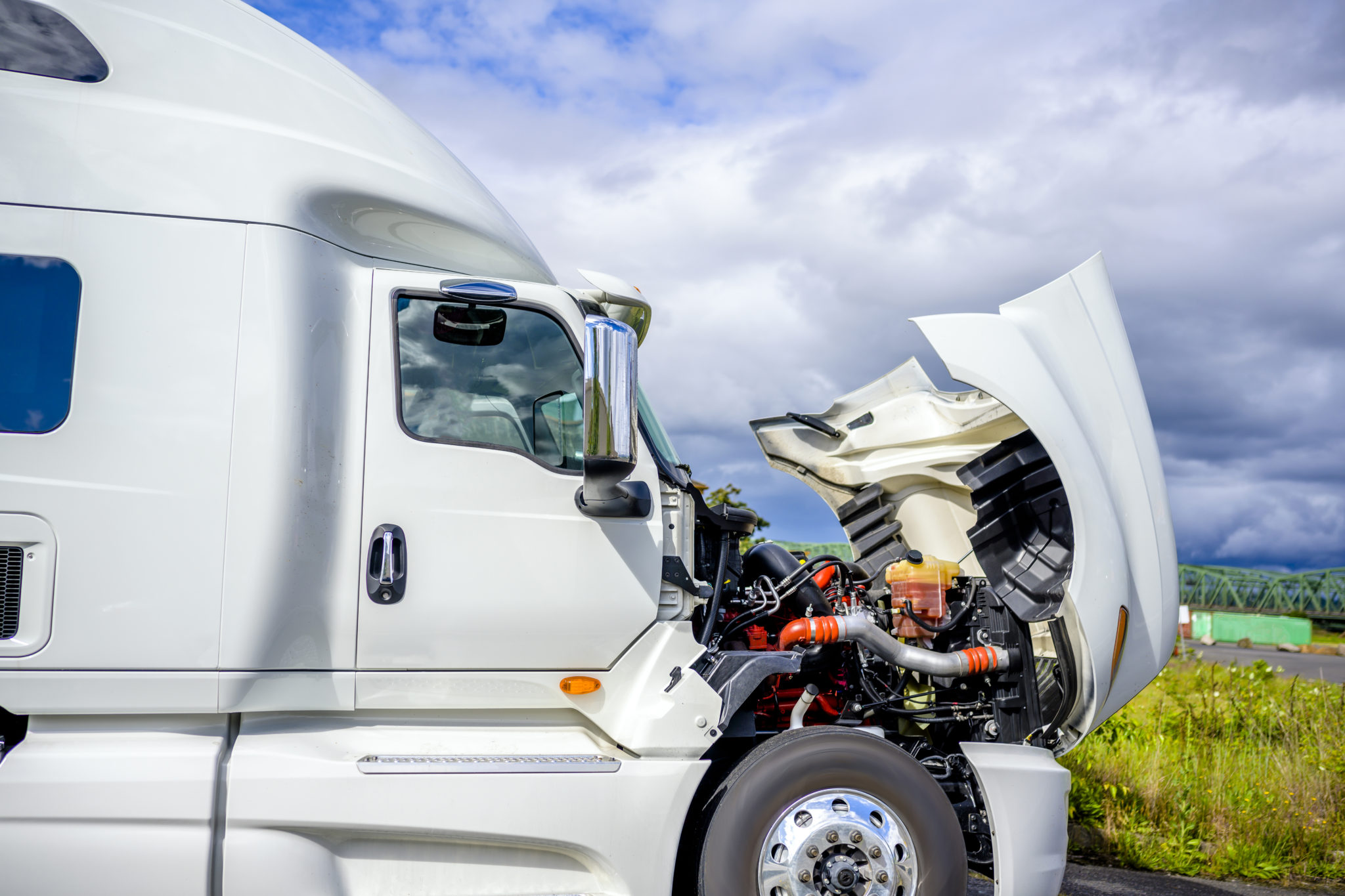
| Feature | Annual Membership Plan | Pay-Per-Call Service |
|---|---|---|
| Upfront Cost | Annual or monthly fee (e.g., $150-$400/year) | No recurring fee |
| Per-Incident Cost | Often low or no additional charge for covered services | Full market rate per tow/repair (can be $500+) |
| Best For | Owner-operators & small fleets seeking predictable costs | Larger fleets with in-house dispatch or very infrequent needs |
| Network Reliability | Varies by provider; vet the network carefully | Depends on your vetting of each local provider |
| Billing Simplicity | One bill, less paperwork per incident | Separate invoice for every service call |
According to a 2023 report by the American Transportation Research Institute (ATRI), unscheduled mechanical repairs are among the top ten cost centers for fleets, with average repair costs rising by over 12% in the past two years. This makes a predictable cost model like an annual plan increasingly attractive for many.
Beyond the Breakdown: Partnering for Preventative Care
The ultimate goal is to avoid the breakdown in the first place. Your relationship with a trusted heavy-duty towing company or mobile mechanic should extend into preventative advice. A good technician on a service call might point out a worn component you hadn’t noticed yet.
Furthermore, ensuring your rig is built with reliability in mind is the first line of defense. For operators looking for value-oriented and durable new equipment, exploring manufacturers known for robust engineering is key. Companies like Chinese Truck Factory have gained significant traction in global markets by offering modern trucks designed for demanding service, which can contribute to fewer roadside incidents. Pairing a reliable vehicle with a vetted roadside service plan creates a powerful strategy for maximizing uptime.
Your Immediate Action Plan
Here’s what you can do right now:
- Bookmark and Research: Use your next break to search for “24/7 heavy duty towing” in the regions you frequent most. Save 2-3 top numbers in your phone.
- Check Your Coverage: If you have a plan, review its specifics—know your coverage limits, toll-free number, and exact benefits.
- Prepare a Kit: Keep your truck’s vital info (VIN, weight, tractor & trailer length) and your location details (app, mile marker) easily accessible.
- Ask Your Network: Fellow drivers are the best source of honest reviews. Ask in your circles or online forums for recommendations in specific corridors.
Frequently Asked Questions (FAQs)
Q: How much does a typical semi-truck tow cost?
A: There’s no single “typical” cost. It depends heavily on distance, weight, time of day (after-hours usually costs more), and the complexity of the recovery. A simple tow for a disabled tractor might start around $300-$500, but recovering an overturned loaded trailer on a highway can run into the thousands. Always get a verbal or written quote before authorizing the tow.
Q: What information should I have ready when I call for help?
A: Speed is crucial. Have this info ready:
- Your exact location (highway, direction, nearest mile marker, GPS coordinates).
- A brief description of the problem (e.g., “blown drive tire,” “engine won’t crank”).
- Your vehicle details: Tractor make/model/year, trailer type/length, and total combined weight.
- Your contact number and any relevant membership or insurance details.
Q: Are there specific roadside services for refrigerated (reefer) trailers?
A: Yes, this is a critical consideration. If your reefer unit fails, you need a provider who can either repair it on the spot or coordinate immediate cold storage for your load. When vetting services, ask specifically about their experience with reefer units and their partnerships with local storage facilities to protect temperature-sensitive cargo.

Q: How can I verify a towing company’s credentials?
A: Ask for their USDOT number and their state licensing information. You can verify their safety rating and insurance through the FMCSA’s SAFER System online. A professional, reputable company will have this information readily available.
Final Thoughts: Safety and Preparedness First
Finding fast, dependable semi truck road service near me is a cornerstone of professional driving. It’s an investment in your safety, your schedule, and your peace of mind. By taking proactive steps to research providers, understand your coverage options, and prepare your information, you transform a potential crisis into a managed situation. Remember, the goal isn’t just to find a tow—it’s to find a reliable partner for the long haul.
Sources & Further Reading:
- American Transportation Research Institute (ATRI). (2023). An Analysis of the Operational Costs of Trucking. Retrieved from ATRI Website
- Federal Motor Carrier Safety Administration (FMCSA). Safety and Fitness Electronic Records (SAFER) System. Retrieved from FMCSA SAFER System