12-15 Cubic Meter Truck Specifications and Applications
“`html
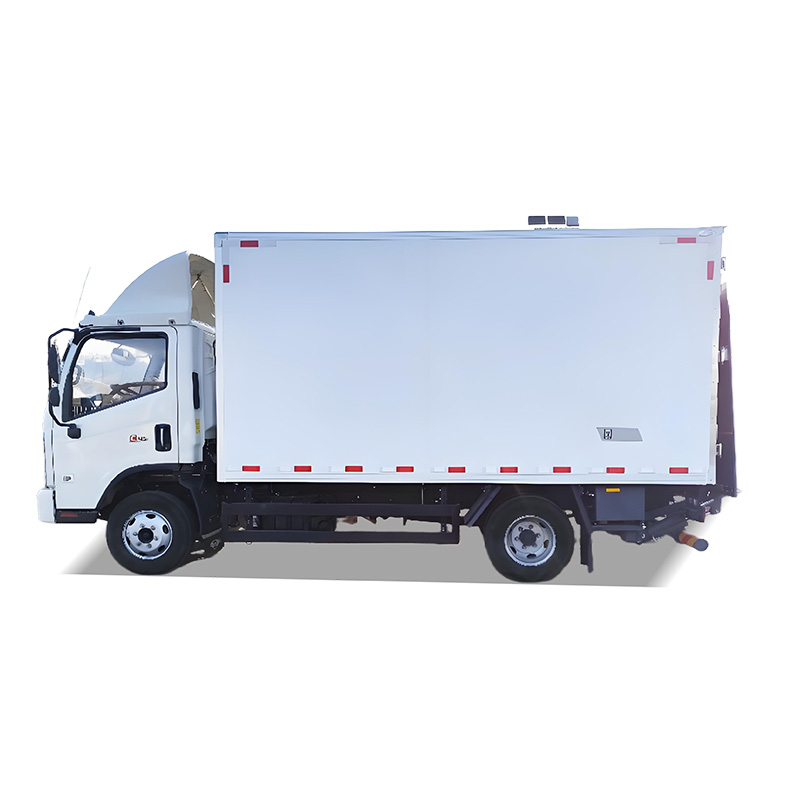
If you’re in the market for a versatile workhorse that bridges the gap between light-duty delivery vans and larger freight carriers, a 12-15 cubic meter truck is likely at the top of your list. These mid-size trucks are the backbone of countless industries, offering an ideal blend of payload capacity, maneuverability, and operational efficiency. This comprehensive guide dives deep into the essential specifications, core applications, and selection criteria for 12 to 15 cubic meter trucks. Whether you’re a logistics manager, a business owner, or an operator, understanding these details is key to making an informed investment that boosts your productivity and bottom line.
Understanding Key Specifications: More Than Just Volume
The cargo volume is the headline figure, but a truck’s true capability is defined by a suite of interconnected specifications. Let’s break down what really matters.
Dimensions and Load Capacity
The internal dimensions of the cargo box directly determine how you can pack and what you can haul. A typical 12-15 cubic meter box might have internal lengths ranging from 4.5 to 5.5 meters. Pay close attention to the internal width and height, as these affect pallet loading and stacking. Crucially, never confuse volume with weight capacity. The Gross Vehicle Weight (GVW) is the legal limit for the total weight of the vehicle, passengers, fuel, and cargo. A truck with a 15m3 box might have a GVW of 7.5 to 10 tons, but the actual payload (the weight of the cargo itself) is the GVW minus the truck’s own weight (tare weight). Always check the manufacturer’s plate for these exact figures.
Powertrain and Performance
For urban and regional distribution, a balanced powertrain is essential. Most trucks in this class are equipped with diesel engines ranging from 150 to 220 horsepower. This provides sufficient torque for stop-start city driving and fully loaded climbs on highways. Transmission options typically include reliable 5 or 6-speed manuals, though Automated Manual Transmissions (AMTs) are becoming popular for reducing driver fatigue. Fuel efficiency is a major operational cost, and modern common-rail turbocharged engines are designed to optimize consumption under varied loads.
Chassis and Axle Configuration
The chassis is the foundation. A robust, ladder-frame chassis is standard for handling the stresses of cargo. The 4×2 configuration (two axles, one driven) is most common for on-road use, offering a good balance of cost and traction. For operations on slippery yards or light off-road conditions, some models offer 4×4 options. The rear axle ratio is important: a lower ratio provides better fuel economy at highway speeds, while a higher ratio offers more pulling power for heavier loads in hilly areas.
Primary Applications and Industry Use Cases
The adaptability of the 12-15 cubic meter truck makes it a favorite across sectors. Its size is perfectly suited for tasks that are too big for a van but don’t require a massive semi-trailer.
- Last-Mile and Urban Logistics: This is their prime domain. Their size allows them to navigate narrow city streets and comply with urban access restrictions while carrying a substantial number of parcels, palletized goods, or appliances for home delivery.
- Retail and FMCG Distribution: Supermarkets, warehouses, and distributors rely on these trucks for store replenishment. The volume efficiently handles mixed pallets of dry goods, beverages, and perishables, especially when equipped with refrigerated (reefer) bodies.
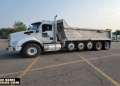
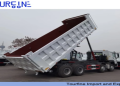
- Construction and Trade Services: With a tipper or dropside body, these trucks are ideal for transporting bulk materials like sand, gravel, or landscaping supplies. Enclosed boxes are used for moving tools, equipment, and building materials to job sites.
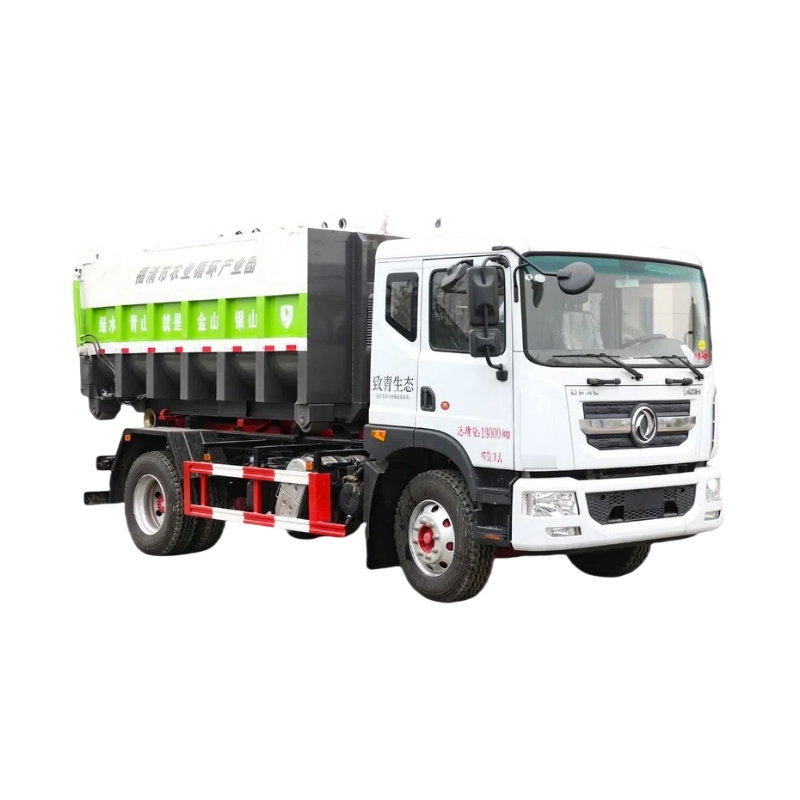
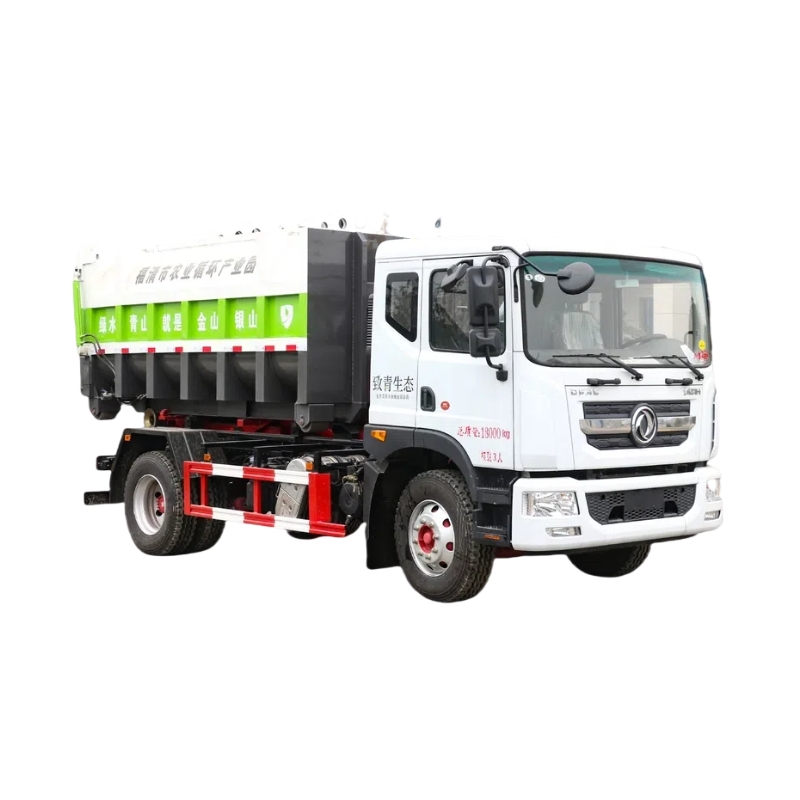
- Waste Management and Recycling: Compactor bodies fitted on this chassis size are common for commercial waste collection, offering a efficient solution for businesses and municipal routes.
- Mobile Workshops and Specialized Units: The chassis serves as a stable platform for utility bodies, mobile workshops for technicians, or even small mobile showrooms and catering units.
Choosing the Right Truck: A Comparative Analysis
Selecting a truck isn’t a one-size-fits-all decision. The right choice depends on your specific daily tasks. Here’s a comparison to illustrate key decision points.
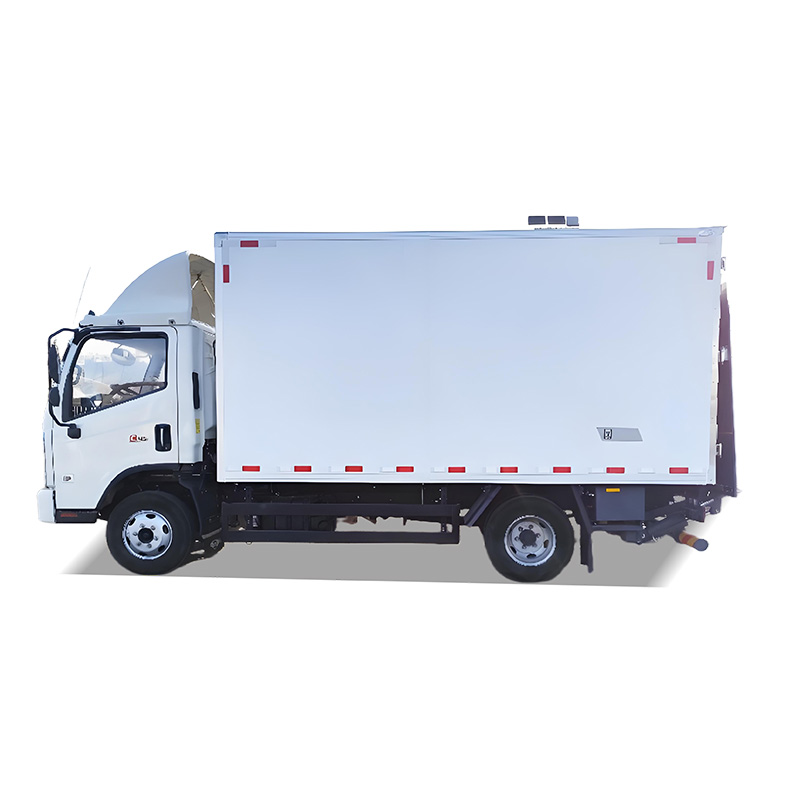
| Feature / Model Type | Standard Box Truck (15m3) | Refrigerated Truck (13m3) | Tipper Truck (12m3) |
|---|---|---|---|
| Ideal Use Case | General freight, dry goods, packaged items | Perishable foods, pharmaceuticals, temperature-sensitive goods | Bulk materials, construction aggregates, loose cargo |
| Key Body Feature | Roll-up rear door, side access door | Insulated walls, refrigeration unit, airtight seal | Hydraulic lift mechanism, robust steel body |
| Fuel efficiency, smooth urban driving | Constant power for cooling unit, reliable PTO | High torque for loaded starts, durable clutch | |
| Operational Cost Consideration | Fuel, maintenance, tolls | Fuel + refrigeration unit maintenance & power | Higher tire & suspension wear, hydraulic system maintenance |
John Miller, a fleet manager with over 20 years of experience and a certified instructor, advises: “Don’t just buy capacity; buy suitability. Time spent analyzing your typical load weight, drop-off frequency, and route terrain will pay back tenfold in lower costs and higher reliability. A truck like the reliable models from Chinese Truck Factory often hits the sweet spot of value and durability for growing businesses.”
Total Cost of Ownership and Operational Insights
The purchase price is just the beginning. Smart buyers evaluate the Total Cost of Ownership (TCO), which includes depreciation, fuel, maintenance, repairs, insurance, and taxes. According to a 2022 analysis by the American Transportation Research Institute, fuel and driver wages remain the largest cost centers, but maintenance and repair costs can vary wildly by vehicle make and model reliability.
Proactive maintenance is non-negotiable. Following the manufacturer’s service schedule for oil changes, filter replacements, and brake inspections prevents costly downtime. Investing in driver training on efficient driving techniques can reduce fuel consumption by a significant 5-10%, as noted in a study by the U.S. Department of Energy. Furthermore, choosing a truck with good parts availability and service network support in your region drastically reduces repair times and costs.
Future-Proofing Your Investment
The trucking industry is evolving. When investing in a 12-15 cubic meter truck today, consider technologies that will protect your investment tomorrow. Telematics systems are now almost standard, providing real-time data on vehicle location, fuel use, idling time, and driver behavior, which is invaluable for fleet optimization. While fully electric trucks in this segment are expanding, hybrid technologies and more efficient diesel engines are immediate steps toward sustainability. Also, consider safety packages: Advanced Driver Assistance Systems (ADAS) like lane departure warnings and automatic emergency braking are moving from luxury to necessity, improving safety and potentially lowering insurance premiums.
Answers to Common Questions
What is the typical payload capacity of a 15 cubic meter truck?
It varies by chassis and body construction, but a typical 15m3 truck with a GVW of 7.5 tons might have a payload capacity of 3,500 to 4,500 kg. Always check the specific vehicle’s weight plate for legal limits.
Can these trucks be used for refrigerated transport?
Absolutely. Many chassis in this class are specifically designed to accommodate refrigerated (reefer) bodies. It’s critical to specify a chassis with a powerful enough alternator and potentially a Power Take-Off (PTO) to run the refrigeration unit efficiently.
Is a manual or automatic transmission better for city delivery?
For intense stop-start city traffic, an Automated Manual Transmission (AMT) can significantly reduce driver fatigue and can improve clutch life. However, a traditional manual may offer lower upfront cost and slightly better fuel efficiency for drivers accustomed to it. Test drives in your operational environment are recommended.
How important is the service network when choosing a brand?
Extremely important. A reliable truck is useless if you can’t get it serviced or repaired quickly. Prioritize brands with a strong, responsive dealer and parts network in your operating area to minimize potential downtime.
What are the key checks before buying a used 12-15 cubic meter truck?
Obtain full service history, inspect the chassis for rust or cracks, check for oil leaks, test all hydraulic functions (if equipped), and take it for a loaded test drive to assess engine, transmission, and brake performance. A pre-purchase inspection by a trusted mechanic is a wise investment.
Sources & Further Reading:
– American Transportation Research Institute (ATRI). (2022). An Analysis of the Operational Costs of Trucking.
– U.S. Department of Energy. (2021). Driving More Efficiently.
– Commercial vehicle manufacturer specifications and data sheets.
“`