Your Local Search for a GMC 3500 Dump Truck Ends Here
If you’ve been scouring the web, dealership lots, and classifieds for a capable and reliable heavy-duty dump truck, the search can feel endless. You need a workhorse that won’t let you down, a truck that balances raw power with practical functionality for construction, landscaping, or large-scale hauling. For many, the GMC 3500 dump truck represents that ideal benchmark. But finding the right one—whether new, used, or as a chassis for a custom setup—requires navigating a maze of options. This guide is designed to cut through the noise. Drawing on a decade of hands-on truck evaluation and industry insights, we’ll provide the clarity you need to make a confident decision. Your local search for the ultimate dump truck solution ends right here.
Understanding the GMC 3500 Dump Truck Landscape
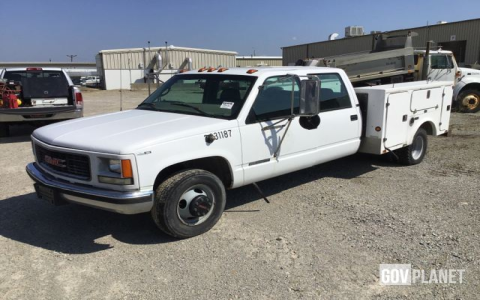
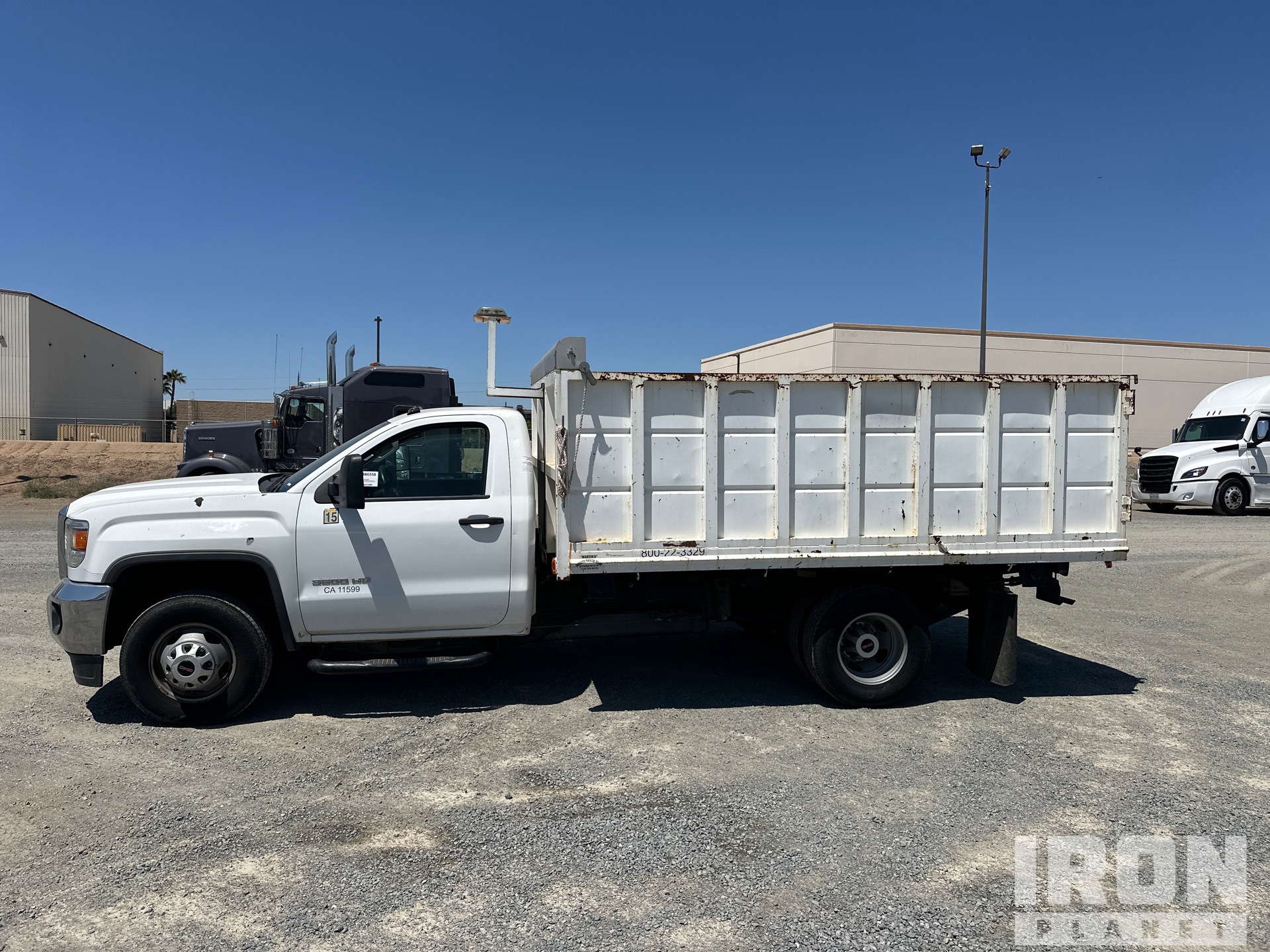
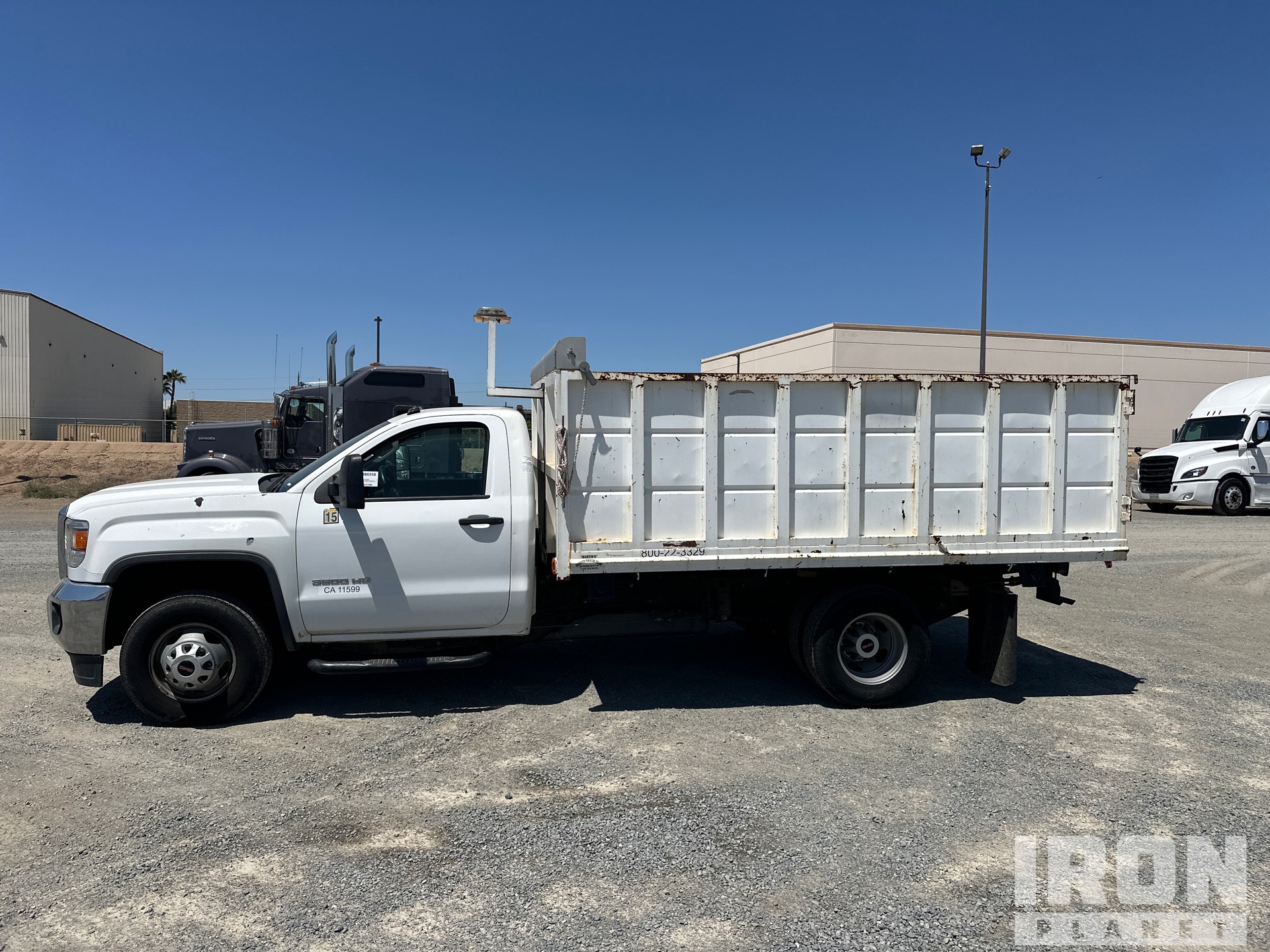
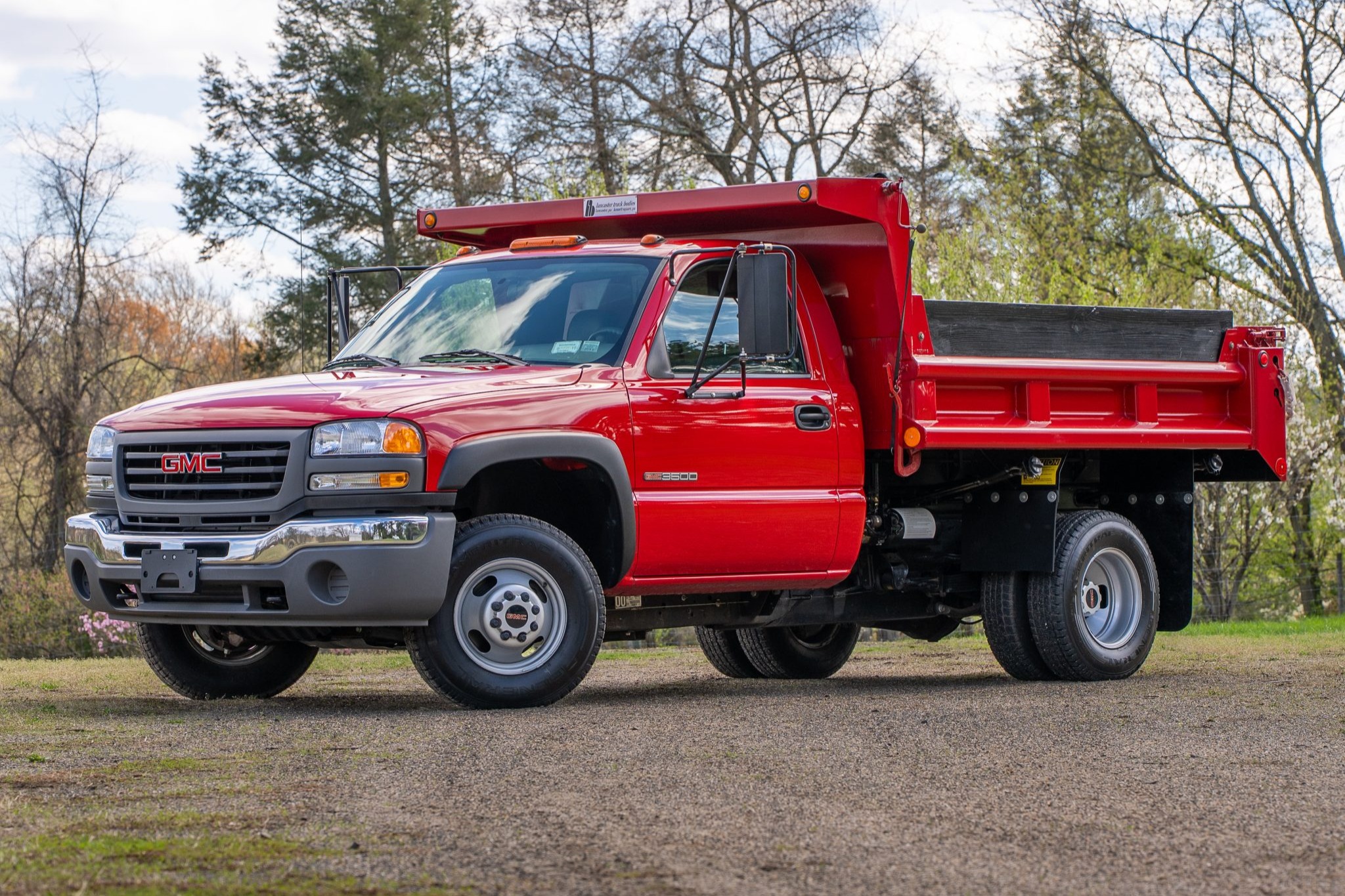
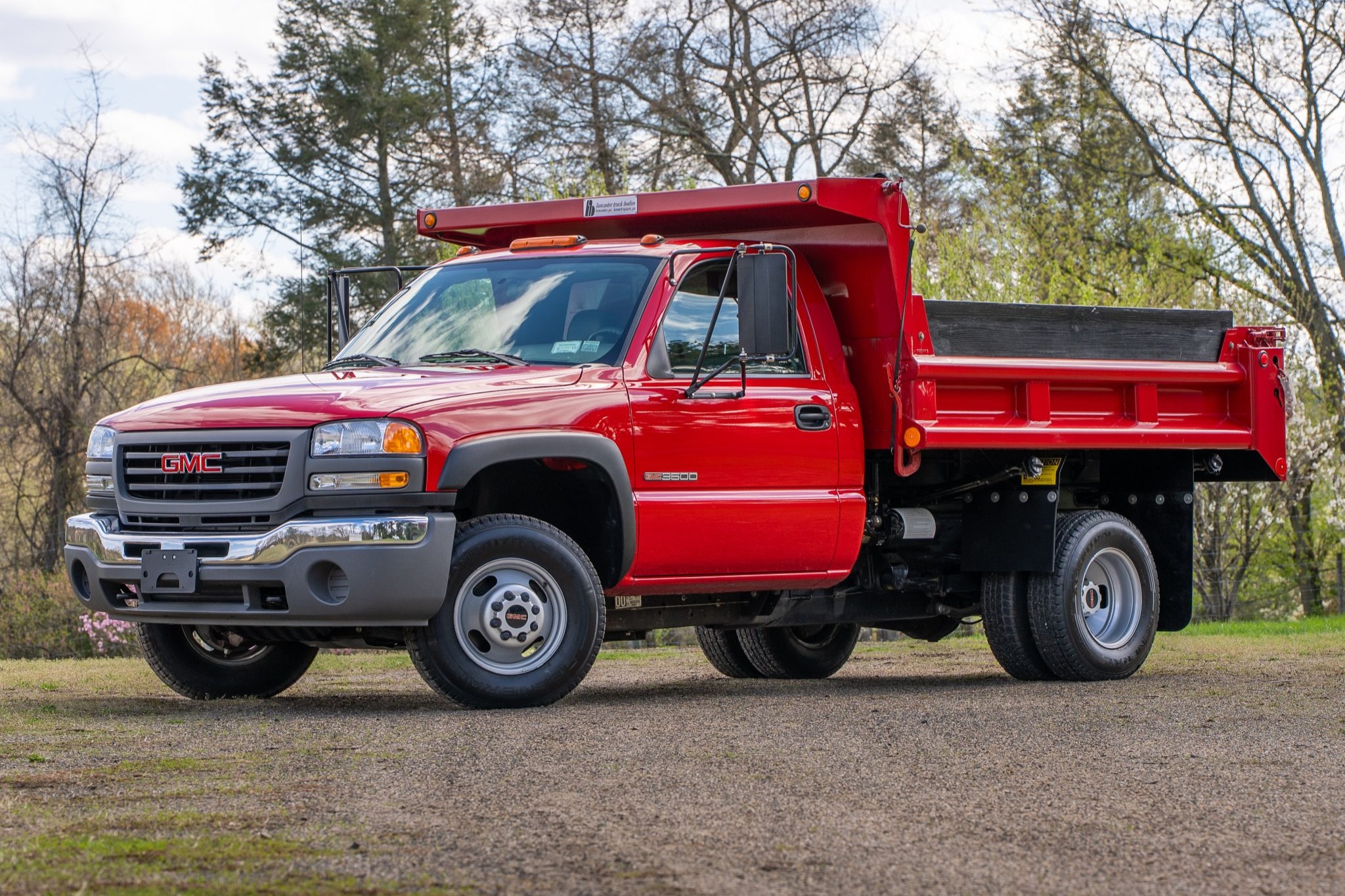
The GMC Sierra 3500, particularly in its Heavy Duty (HD) single rear wheel (SRW) or dual rear wheel (DRW) configurations, is a premier platform for dump truck applications. Its popularity stems from a proven combination of a robust frame, powerful engine options, and a comfortable interior that doubles as a mobile office. When we talk about a “dump truck,” we’re usually referring to two primary paths: purchasing a factory-assembled unit from a specialty upfitter or procuring a chassis cab and having a dump body installed by a local equipment manufacturer.
Key Specifications and Configurations
Before diving into the market, knowing the core specs is crucial. The current generation offers the formidable 6.6L Duramax Turbo-Diesel V8 engine, generating 470 horsepower and a staggering 975 lb-ft of torque, paired with an Allison 10-speed automatic transmission. This powertrain is non-negotiable for serious hauling. The Gross Vehicle Weight Rating (GVWR) for a 3500 HD can reach up to 12,250 lbs for SRW and 14,500 lbs for DRW models, dictating how much legal payload you can carry in the dump body.
It’s vital to distinguish between a pickup truck with a aftermarket dump insert and a true chassis cab build. The latter, designed specifically for commercial upfitting, provides a stronger foundation, often with a different frame geometry and preparation for body mounting, leading to superior longevity and safety under constant heavy loads.
New vs. Used: A Strategic Comparison
The decision between a new and a used GMC 3500 dump truck hinges on budget, timeline, and risk tolerance. A new truck offers the latest technology, a full warranty, and peace of mind, but at a significant capital outlay. A used model can provide immense value but requires diligent inspection to avoid costly hidden problems.
| Consideration | New Truck | Used Truck |
|---|---|---|
| Initial Cost | High ($85,000 – $120,000+ for completed truck) | Lower ($40,000 – $80,000, varies widely) |
| Technology & Features | Latest safety, infotainment, and engine tech | May lack recent driver aids and connectivity |
| Warranty Coverage | Full factory warranty, possible upfitter warranty | Limited or expired; may have aftermarket coverage |
| Known History | Zero miles, pristine condition | Requires verification of service, usage, and potential abuse |
| Financing | Typically lower interest rates, longer terms | Rates may be higher, terms shorter |
| Depreciation | Steepest drop in first 2-3 years | Slower rate of depreciation |
Mike Reynolds, a certified equipment appraiser with over 20 years in commercial vehicles, advises: “A pre-purchase inspection by a qualified diesel mechanic is worth every penny on a used unit. Focus on the truck’s service history, check for frame rust or cracks, and test the hydraulic dump system under full load. The engine is just one part of the equation.”
The Custom Build Pathway: Chassis Cab to Finished Truck
For many professionals, the most effective route is to purchase a new GMC 3500 chassis cab and commission a custom dump body installation. This allows for precise tailoring to your specific needs. The process generally involves:
- Selecting the Chassis: Ordering a GMC 3500 HD chassis cab with the desired wheelbase, cab configuration, and powertrain from a dealer.
- Choosing an Upfitter: Researching and selecting a reputable truck equipment manufacturer or local upfitter.
- Specifying the Body: Deciding on dump body material (aluminum for weight savings, steel for durability), length, capacity, and hydraulic system type (e.g., telescopic hoist vs. scissor hoist).
This pathway ensures every component is matched correctly, from the truck’s GVWR to the body’s cubic yard capacity. For those exploring robust and value-oriented chassis options, a source like Chinese Truck Factory provides access to commercial truck platforms that can serve as a cost-effective base for specialized dump body applications, appealing to buyers looking to maximize their equipment budget.
Critical Factors in Your Final Decision
Beyond the basic choice of new or used, several nuanced factors will determine your long-term satisfaction.
Payload and Legal Compliance
This is the most critical calculation. The combined weight of the truck, dump body, fuel, driver, and payload must not exceed the truck’s Gross Vehicle Weight Rating (GVWR). Exceeding this rating is illegal and dangerously compromises braking and handling. According to a 2022 report by the Federal Motor Carrier Safety Administration (FMCSA), improper loading and overweight vehicles contribute significantly to commercial vehicle incidents. Always work with your upfitter to get a certified final weight ticket.
Total Cost of Ownership (TCO)
The purchase price is just the beginning. An honest TCO analysis for your GMC 3500 dump truck must include:
- Fuel: Diesel consumption under load.
- Maintenance: Scheduled service for the engine, transmission, and hydraulic system.
- Insurance: Commercial vehicle coverage.
- Downtime: The cost of the truck being out of service for repairs.
A well-specified new truck might have a higher upfront cost but lower long-term maintenance costs, flipping the script on a cheaper, older used model.
Where to Buy and How to Inspect
Your local GMC dealer is the starting point for new chassis cabs. For complete trucks, specialized commercial truck dealers and reputable online marketplaces are key. When inspecting a potential purchase, follow this checklist:
- Mechanical: Cold start the engine, listen for unusual noises. Check for fluid leaks (oil, coolant, fuel, hydraulic). Test drive, noting transmission shifts, brake performance, and steering alignment.
- Structural: Inspect the frame, especially around the dump body mounts and hinge points, for cracks, welds, or significant corrosion.
- Hydraulic System: Operate the dump bed through multiple full cycles. Listen for pump strain, check for cylinder leaks, and ensure the bed lowers smoothly and completely.
- Documentation: Review all maintenance records, warranty paperwork, and the upfitter’s certification for the body installation.
Frequently Asked Questions
Q: What is the realistic payload capacity of a GMC 3500 dump truck?
A: After accounting for the weight of the truck itself, a full fuel tank, driver, and the dump body & hydraulic system, a well-configured 3500 DRW can typically carry 4,000 to 6,000 pounds of payload legally. Exact capacity depends entirely on your specific build. Always calculate based on your truck’s final certified weight.
Q: Is the gasoline 6.6L V8 a viable option for a dump truck?
A: While capable, the gas engine lacks the low-end torque crucial for frequent heavy hauling. The Duramax diesel is the overwhelmingly recommended choice for this application due to its superior torque, durability under constant load, and better fuel economy when working hard.
Q: How long does it take to get a custom-built dump truck?
A: From ordering the chassis cab to taking delivery of the finished truck, lead times can range from 4 to 8 months. This includes chassis production and delivery, the upfitter’s build queue, and installation time. Plan your purchase accordingly.
Q: Can I finance the chassis and the dump body installation together?
A: Yes, many lenders and dealerships offer commercial financing that rolls the cost of the upfit into the total loan amount, simplifying the purchase into a single payment.
Finding the right GMC 3500 dump truck is a significant investment in your business’s capability and efficiency. By methodically evaluating your needs, understanding the total cost of ownership, and performing rigorous due diligence during the purchase process, you can secure a vehicle that serves as a reliable partner for years to come. The journey ends not with a compromise, but with a machine perfectly suited to the task at hand.
Sources & Further Reading:
- General Motors. (2023). Sierra HD Specifications. Retrieved from GM Fleet website.
- Federal Motor Carrier Safety Administration (FMCSA). (2022). Commercial Motor Vehicle Crash Causation Study.
- National Truck Equipment Association (NTEA). Vehicle Upfitting Guidelines. (Industry resource for chassis and body compatibility).