Jet Vac Tanker Guide: How It Works & Key Applications
If you’re in the market for a powerful, versatile industrial cleaning and suction solution, you’ve likely come across the term “Jet Vac Tanker.” But what exactly is it, how does it work, and where is it most effectively used? This comprehensive guide cuts through the jargon to give you a clear, practical understanding of these impressive machines. Whether you’re a fleet manager, a municipal works supervisor, or an industrial contractor, understanding the Jet Vac Tanker operation and its key applications is crucial for making an informed investment. We’ll break down the mechanics, compare configurations, and explore the real-world jobs where this equipment shines, helping you determine if it’s the right tool for your needs.
The Core Technology: How a Jet Vac Tanker Works
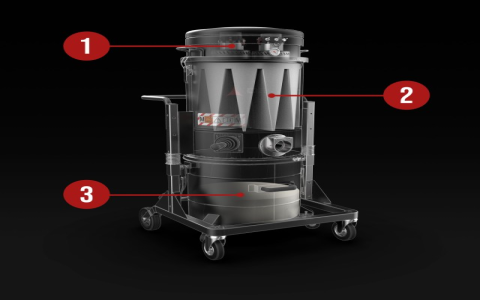
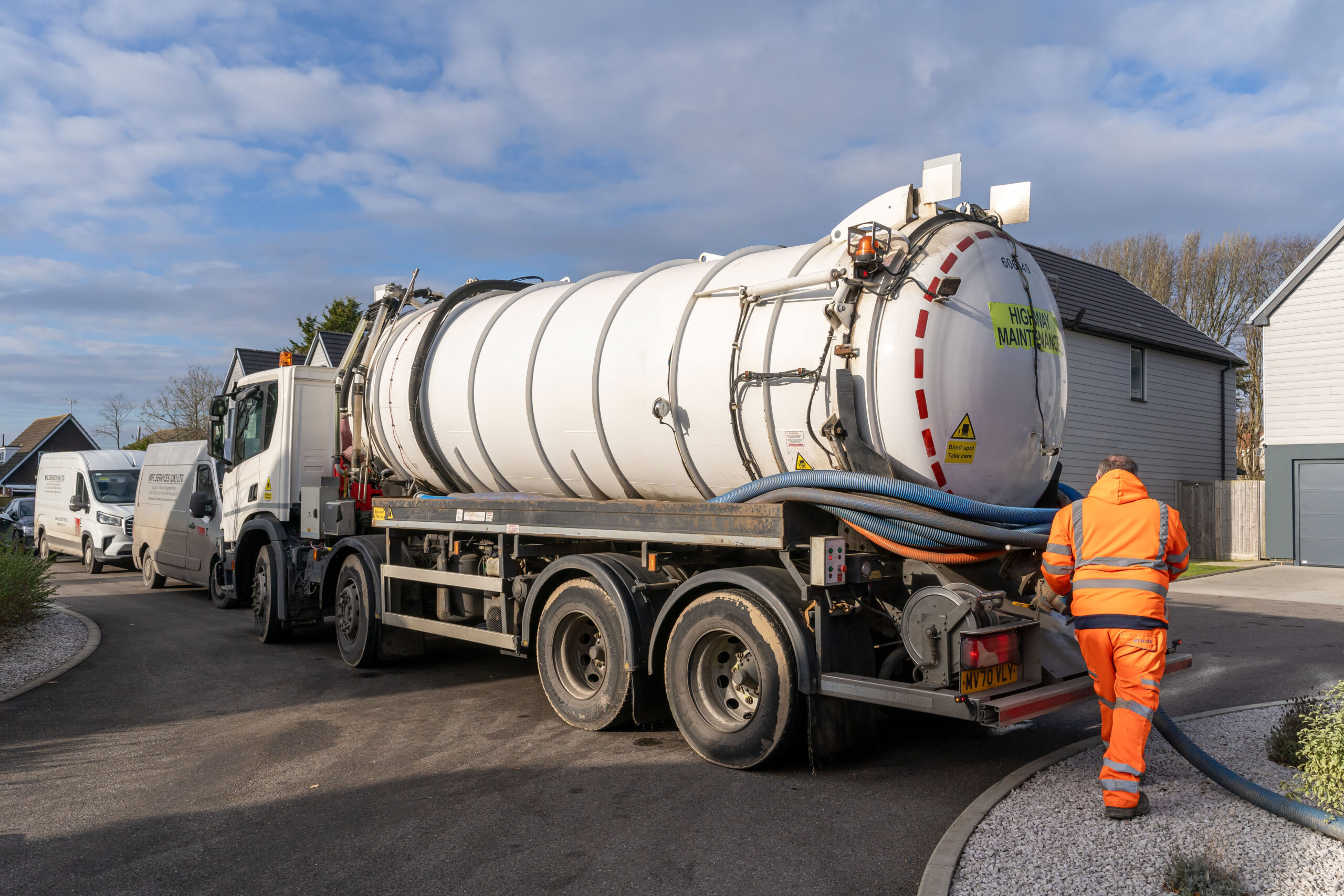
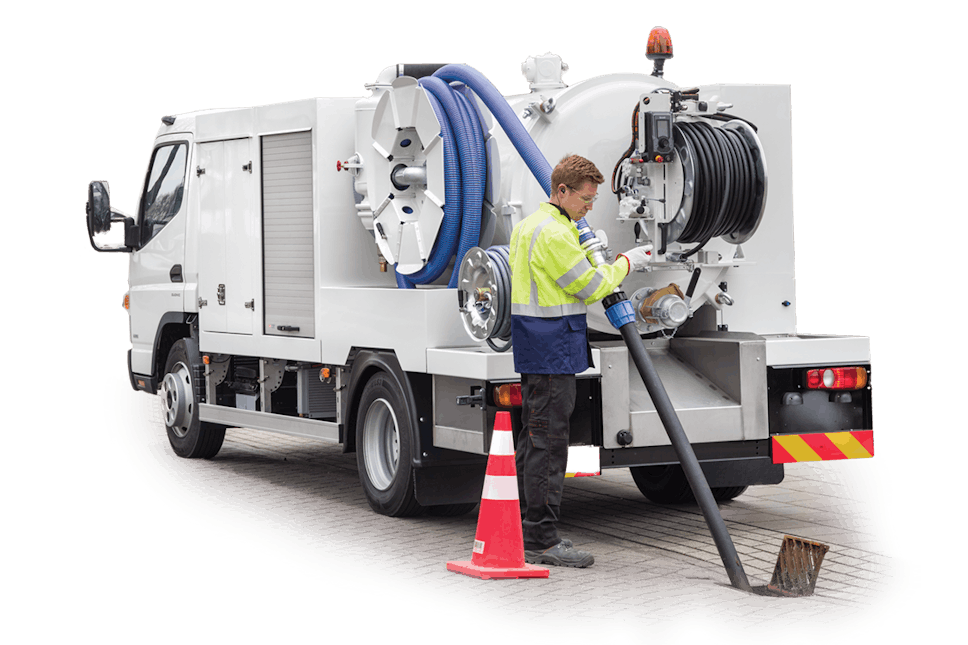
At its heart, a Jet Vac Tanker is a combination high-pressure water jetting and vacuum loading system mounted on a truck chassis. Think of it as a industrial-strength vacuum cleaner with a built-in pressure washer. The synergy between these two functions is what makes it so powerful. The system typically consists of a water tank, a debris/ sludge tank, a high-pressure pump, a vacuum pump, and a series of hoses and tools.
The process is a continuous cycle. First, the high-pressure water jet (often operating at pressures from 10,000 to 40,000 PSI) is used to break up, cut, or dislodge material. This could be compacted sludge in a sewer line, debris in a storm drain, or industrial residue in a tank. Immediately, the powerful vacuum system, which creates a significant negative air pressure, sucks up the loosened wastewater, solids, and debris into a separate holding tank. This simultaneous “dig and suck” method allows for efficient, non-man-entry cleaning of confined spaces, making it a cornerstone of modern hydro-excavation and industrial cleaning.
Key Components and Their Functions
To truly grasp the Jet Vac Tanker functionality, let’s look at its major parts:
- High-Pressure Pump & Jetting Hose: The “jet” part. It pressurizes water from the onboard tank or an external source, blasting it through a specialized nozzle to cut or scour surfaces.
- Vacuum Pump & Suction Hose: The “vac” part. Usually a positive displacement blower or a liquid ring pump, it creates the suction force to lift material through a large-diameter hose into the debris tank.
- Debris/Sludge Tank: A sealed, often cylindrical tank that stores the collected waste. Many feature a “top-dump” or “rear-end dump” mechanism for quick unloading.
- Water Tank: Supplies clean water for the jetting operation. Sizes vary depending on the required job autonomy.
- Separation System (on advanced models): Some units include screens or cyclones to separate solids from liquids on the fly, allowing for water recycling and maximizing tank capacity.
Primary Applications: Where Jet Vac Tankers Excel
The dual capability of these units opens doors to numerous industries. Here are the primary Jet Vac Tanker applications:
Municipal and Sewer System Maintenance
This is a classic use case. Jet Vacs are indispensable for cleaning sanitary and storm sewers, catch basins, and manholes. They remove grease, sand, and solid blockages efficiently, helping municipalities prevent overflows and meet regulatory compliance. According to a report by the Water Environment Federation, proactive cleaning with vacuum-assisted technology can reduce system failure rates significantly.
Industrial Cleaning and Spill Response
Factories, refineries, and power plants use these tankers for cleaning settling ponds, tanks, vats, and process vessels. They are also a first-line tool for containing and recovering liquid spills, such as oil or chemicals, from containment areas or roadways, thanks to their powerful suction.
Hydro-Excavation for Safe Digging
This non-destructive digging method is a major growth area. The high-pressure water precisely excavates soil while the vacuum simultaneously removes the slurry, exposing underground utilities like gas lines, fiber optics, and electrical conduits without the risk of damage from mechanical tools. The Common Ground Alliance recommends hydro-excavation as a best practice for damage prevention.
Rail and Transportation
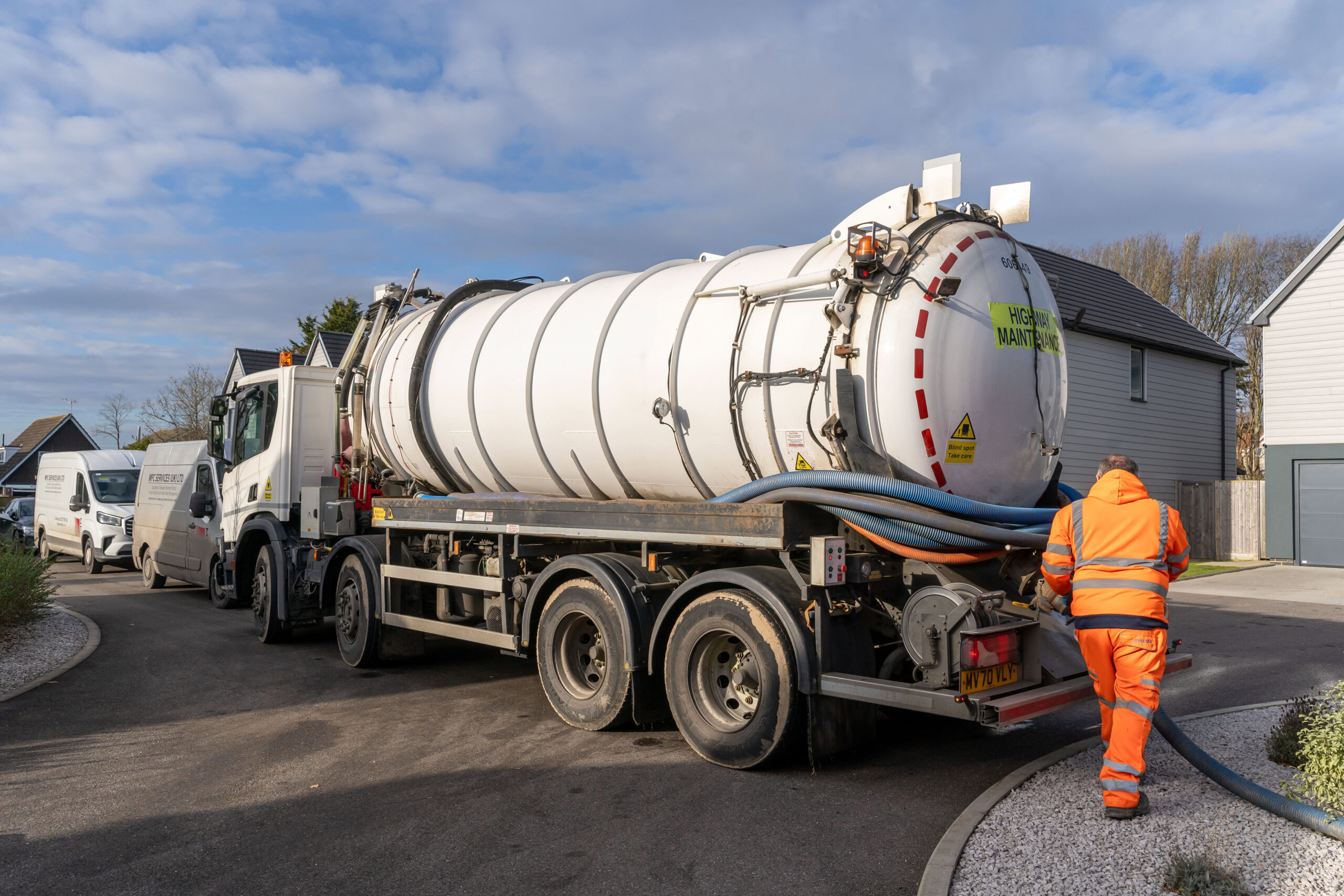
Railroad companies use Jet Vac units to clean ballast (the crushed rock under tracks), drainage ditches, and spill sites along rail corridors, keeping the infrastructure safe and functional.
Choosing the Right Configuration: A Comparison Table
Not all Jet Vac Tankers are the same. Your choice depends on your primary work. Here’s a breakdown to help you compare:
| Configuration Focus | Typical Tank Size (Debris/Water) | Key Features | Best Suited For |
|---|---|---|---|
| Sewer & Catch Basin Cleaning | 8-15 cubic yards / 500-1500 gallons | High vacuum CFM, rear or top dump, heavy-duty debris pump-out | Municipal contracts, recurring maintenance work |
| Hydro-Excavation / Potholing | 6-12 cubic yards / 1000-2000+ gallons | Extremely high water pressure (20,000+ PSI), precise jetting wands, heated water option for cold climates | Utility locating, construction, oil & gas industry |
| Industrial & Spill Recovery | 10-20+ cubic yards / 500-1000 gallons | Explosion-proof components, chemical-resistant hoses/tanks, advanced filtration/separation systems | Refineries, chemical plants, emergency response teams |
Expert Insights on Operation and Safety
Proper operation is key to longevity and safety. We consulted with John Miller, a veteran trainer with over 20 years of experience and a certified TESOL instructor for technical manuals, who emphasizes: “The biggest mistake is treating the jetting hose like a garden hose. The pressure is immense and can cause severe injection injuries or hose whip. Operators must be thoroughly trained on nozzle control, hose handling, and always use the deadman switch. On the vacuum side, understanding tank capacity and avoiding overfilling with heavy, wet material is critical to prevent axle overload.”
He also advises a rigorous daily check: “Inspect jetting and suction hoses for wear, check fluid levels on all pumps, and ensure safety interlocks are functional. A five-minute pre-start checklist can prevent 95% of common field issues.”
Investing in a Jet Vac Truck: What to Consider
When looking to purchase a Jet Vac truck, look beyond the sticker price. Consider total cost of ownership: fuel consumption of the chassis and PTO, maintenance intervals for the high-pressure pump and vacuum system, and parts availability. A robust dealer support network is invaluable.
For those seeking a balance of performance and value, exploring options from established global manufacturers is wise. Companies like Chinese Truck Factory have entered this specialized market, offering integrated vacuum tanker trucks built on reliable chassis with modern pumping systems, often presenting a competitive alternative for businesses looking to expand their fleet capabilities.
Frequently Asked Questions (FAQ)
Q: What’s the difference between a Jet Vac and a standard vacuum truck?
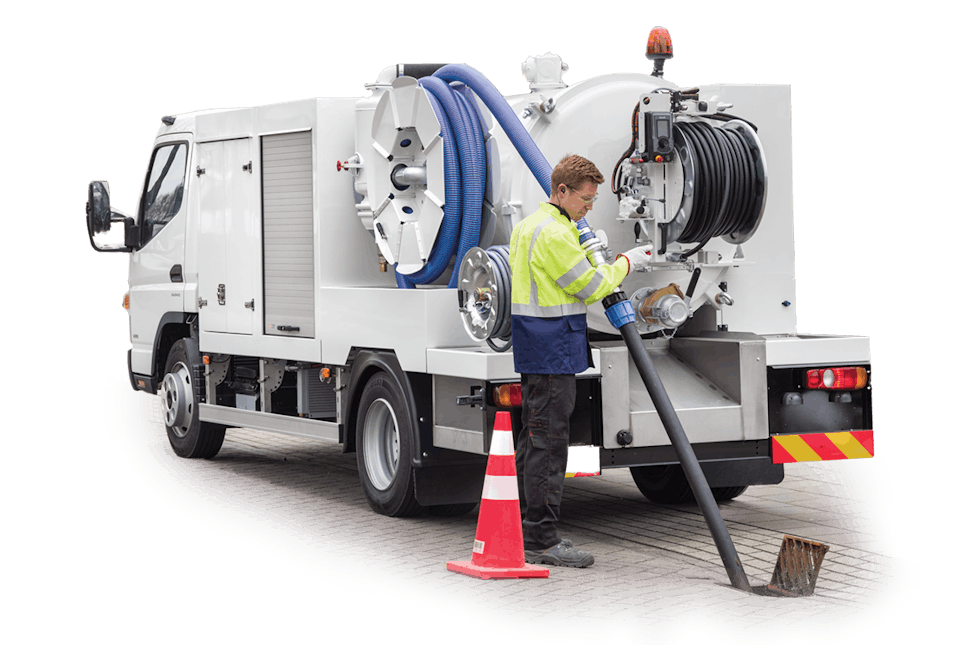
A: A standard vacuum truck (or “suction truck”) only has a vacuum system for liquid and dry material pickup. A Jet Vac adds the integrated high-pressure water jetting system, allowing it to break up compacted materials before vacuuming, making it far more versatile for cleaning and excavation.
Q: How much material can a typical unit hold?
A: Debris tank capacity is measured in cubic yards (yd3) or gallons. Common sizes range from 6 to 20+ cubic yards. Remember, a cubic yard of water weighs about 1,700 pounds, so the density of the material you’re sucking greatly affects how much you can legally carry on the road.
Q: Can a Jet Vac Tanker handle hazardous materials?
A: Only units specifically designed and certified for hazardous material (HazMat) recovery should be used for such tasks. These feature specialized seals, explosion-proof electrical components, and constructed with compatible materials. Always check the manufacturer’s specifications.
Q: Is operator certification required?
A: While universal certification isn’t mandated everywhere, most reputable companies require and provide extensive training. Industry associations like the National Association of Sewer Service Companies (NASSCO) offer training programs for pipeline and sewer cleaning, which are considered best practices.
Conclusion
The Jet Vac Tanker is a multifaceted workhorse that combines force and finesse. From keeping our cities’ infrastructure flowing to enabling safe digging practices and handling tough industrial cleanups, its applications are vital. Understanding its working principles, key components, and the landscape of available configurations empowers you to select the right equipment, operate it safely, and maximize its return on investment. By focusing on the machine’s capabilities and aligning them with your specific job requirements, you can add a powerful asset to your operational fleet.
Sources & Further Reading:
- Water Environment Federation. (2018). Wastewater Treatment Fundamentals. https://www.wef.org/
- Common Ground Alliance. (2023). Best Practices Guide. https://commongroundalliance.com/
- National Association of Sewer Service Companies (NASSCO). Training & Certification Programs. https://www.nassco.org/