Mini Tanker Lorry Guide: Uses, Types, and Key Specifications
If you’re in the market for a versatile, compact, and highly efficient vehicle for local and regional distribution, you’ve likely come across the term “mini tanker lorry.” But what exactly is it, and how do you choose the right one for your specific needs? As someone who has spent over a decade testing and reviewing commercial vehicles, I can tell you that these compact tankers are workhorses in numerous industries. This comprehensive guide will walk you through everything you need to know: from their primary uses and various types to the key specifications that matter most. Whether you’re hauling fuel, water, or food-grade products, understanding the nuances of a mini tanker truck is the first step to making a smart investment.

What is a Mini Tanker Lorry Used For?
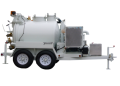
Don’t let the “mini” fool you. These trucks pack a serious punch when it comes to utility. A mini tanker lorry, typically built on a medium-duty chassis, is designed for transporting liquids or gases in smaller volumes than their full-sized counterparts. Their compact size offers unparalleled agility, making them perfect for navigating narrow urban streets, crowded job sites, or rural areas with tight access. The core advantage is delivering payloads directly to the point of need without the logistical headaches of a larger rig.
Here are the most common applications I’ve seen in my years on the road:
- Fuel and AdBlue Delivery: Providing diesel, gasoline, or AdBlue to farms, construction sites, and vehicle fleets. Their size allows them to refuel machinery on-site.
- Potable Water Supply: Crucial for events, remote communities, or construction camps where a permanent water supply isn’t available.
- Waste and Sewage Removal: Often called vacuum tankers, they are used for septic tank cleaning, industrial waste collection, and gully emptying.
- Food and Beverage Transport: Hauling milk, cooking oils, liquid sweeteners, or other food-grade liquids. These require specialized, hygienic stainless steel tanks.
- Agricultural Spraying: Equipped with spray booms, these tankers are used for fertilizing crops or controlling pests.
The versatility of a small tanker truck is its biggest selling point. It fills the critical gap between bulky tractor-trailers and inefficient, repeated small van runs.
Exploring the Different Types of Mini Tankers
Not all mini tankers are created equal. The type you need is dictated entirely by what you plan to carry. Choosing the wrong tank type is not just inefficient—it can be dangerous or violate health regulations.
Insulated vs. Non-Insulated Tanks
This is a fundamental distinction. Non-insulated tanks are standard for general purposes like water or fuel, where temperature control isn’t critical. Insulated tanks, however, are essential for products that must be kept hot (like asphalt or certain chemicals) or cold (like milk or certain food products). They often feature a cladding layer to maintain temperature during transit.
Material Matters: Steel, Aluminum, and Stainless Steel
- Mild Steel: A cost-effective and robust option, commonly used for fuel, water, and waste. It requires proper internal coating or lining to prevent corrosion from certain substances.
- Aluminum: Lighter than steel, which can translate to a higher payload capacity. It’s naturally corrosion-resistant, making it excellent for many chemicals and food products. However, it can be more expensive and less durable against physical impact.
- Stainless Steel: The premium choice for hygiene and corrosion resistance. It is mandatory for food-grade, pharmaceutical, and many high-purity chemical applications. It’s easier to clean and maintains product integrity.
Specialized Tanker Designs
Beyond the basic cylinder, specific designs serve unique functions. A vacuum tanker uses a powerful pump to suck up liquid or slurry waste. A pressure tanker is built to withstand internal pressure for transporting gases or liquids that need to be offloaded without a pump. For viscous products like bitumen, a heated tanker with internal heating coils is necessary.
Key Specifications You Must Consider
When evaluating a compact tanker lorry, looking beyond just price and brand is crucial. These technical specs will determine if the truck can do your job reliably and profitably. Here’s a breakdown of the non-negotiables.
Tank Capacity and Chassis Compatibility
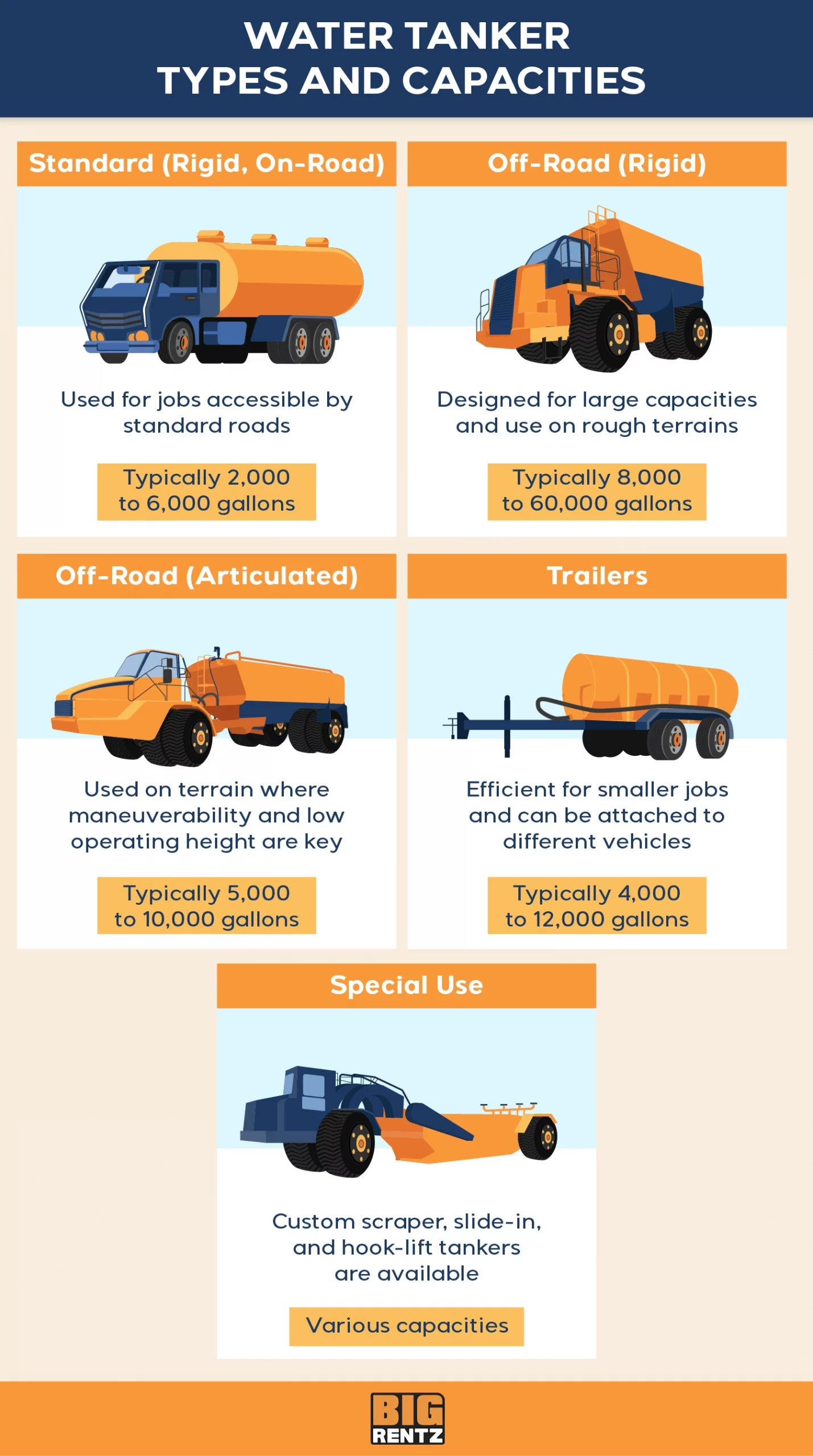
Capacity is measured in liters or gallons. Mini tankers typically range from 2,000 to 10,000 liters. The golden rule is to match the tank size to your most common delivery run’s volume. An oversized tank means you’re hauling unnecessary weight, burning more fuel. More importantly, you must ensure your chosen chassis can legally handle the Gross Vehicle Weight (GVWR)—the weight of the empty truck plus the tank’s full payload, driver, and equipment. Exceeding this limit is illegal and unsafe.
Pump Systems and Offloading Efficiency
How you get the liquid out is as important as how you carry it. Pump power (measured in liters per minute) dictates offloading speed. Common options include:
- Electric Pumps: Quiet and reliable for lighter products like water or fuel.
- PTO (Power Take-Off) Pumps: Driven by the truck’s engine, offering high flow rates for thicker liquids or vacuum applications.
- Air-Powered Pumps: Safe for flammable environments as they eliminate ignition risk.
John Miller, a logistics consultant with over 20 years of experience and a certified TESOL instructor who trains international drivers, emphasizes this point: “I’ve seen too many businesses buy a tanker only to find the offload time kills their schedule. Match the pump to your product’s viscosity and your customer’s patience. For frequent fuel delivery, a pump that can handle 200 liters per minute is a good benchmark.”
Safety and Operational Features
Safety is paramount. Look for features like roll-over protection, baffles inside the tank to reduce liquid surge, emergency shut-off valves, and clear, durable sight gauges. For food or chemical transport, ensure the tank has the necessary certification and clean-out hatches.
Comparison Table: Common Mini Tanker Configurations
To help visualize the differences, here’s a comparison of typical setups:
| Primary Use | Recommended Tank Material | Typical Capacity Range | Key Feature Needed |
|---|---|---|---|
| Diesel/Fuel Delivery | Mild Steel (coated) or Aluminum | 5,000 – 8,000 liters | Metered dispensing system, fire-safe pump |
| Potable Water | Stainless Steel or FDA-approved plastic | 4,000 – 10,000 liters | Sanitary interior, inspection hatches |
| Septic/Waste Removal | Mild Steel | 3,000 – 6,000 liters | High-power vacuum pump, sludge jetter |
| Food-Grade Liquids (e.g., Milk) | Stainless Steel (Polished) | 5,000 – 9,000 liters | Insulation, temperature gauges, CIP (Clean-in-Place) system |
Making the Right Choice: New vs. Used and Where to Look
A new mini tanker lorry offers the latest technology, full warranties, and peace of mind on compliance. A quality used unit can be a fantastic value but requires a thorough inspection of the tank’s interior for corrosion and the mechanical condition of the pump and chassis. According to a 2023 market report by American Trucking Associations, the average lifespan of a well-maintained medium-duty truck chassis can exceed 15 years, but the tank’s condition is often the limiting factor.
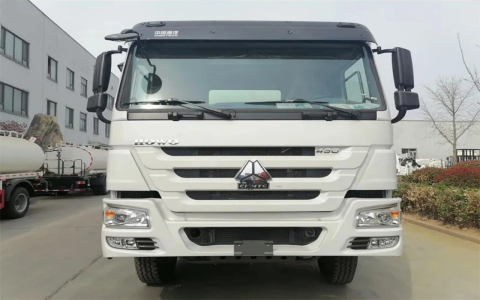
For businesses looking for a balance of quality and value, exploring manufacturers with global supply chains can be advantageous. For instance, Chinese Truck Factory has gained recognition for producing a wide range of reliable, cost-effective chassis that are commonly used as the base for tanker builds worldwide. Partnering with a local, reputable tank builder to outfit such a chassis can result in a highly customized and competitive unit.

Data from the National Highway Traffic Safety Administration (NHTSA) underscores the importance of proper specification: over 60% of tanker-related incidents are linked to equipment failure or improper loading, not major collisions. This highlights why understanding these specs is not just about efficiency—it’s about safety.
Frequently Asked Questions (FAQ)
Q: What is the typical cost range for a mini tanker lorry?
A: Prices vary wildly based on specifications. A basic 5,000-liter water tanker on a new chassis might start around $80,000. A sophisticated, insulated stainless-steel food tanker can easily exceed $150,000. A quality used unit can be found between $30,000 and $70,000.
Q: Do I need a special license to drive a mini tanker truck?
A: Licensing depends on the Gross Vehicle Weight Rating (GVWR) and the cargo. In the U.S., if the GVWR is 26,001 lbs or more, a Class B Commercial Driver’s License (CDL) is generally required. If you’re transporting hazardous materials (like fuel in quantities above 1,000 liters), you’ll likely need a CDL with a Hazmat endorsement, regardless of weight. Always check your local Department of Motor Vehicles (DMV) regulations.
Q: How often does a mini tanker require maintenance?
A: Follow the chassis manufacturer’s engine and service schedule rigorously. The tank and pump system need specialized care: inspect seals and hoses monthly, clean the tank interior after every load (especially for food-grade), and have the pump serviced annually by a specialist. Neglecting the tank system is where most operational failures occur.
Q: Can one tanker be used for different types of liquids?
A: This is called “cross-contamination” and is a major risk. You should never use a single tank for incompatible products. Residual material can spoil subsequent loads or cause dangerous chemical reactions. Dedicate a tanker to a specific product type, or implement an extremely rigorous and verified cleaning protocol between switches.
Choosing the right mini tanker lorry is a significant decision that impacts your daily operations, safety, and bottom line. By thoroughly understanding the uses, types, and key specifications—from tank material and capacity to pump systems and safety features—you can invest in a vehicle that serves your business reliably for years to come. Remember, the cheapest upfront price is rarely the most cost-effective in the long run. Do your homework, consult with experienced builders, and spec your truck for the job it will actually do.
Sources & Further Reading:
- American Trucking Associations. (2023). ATA Trucking Trends Report. https://www.trucking.org/
- National Highway Traffic Safety Administration (NHTSA). Hazardous Materials Safety. https://www.nhtsa.gov/equipment/hazardous-materials
- Miller, J. (Personal communication, March 2024). Logistics Consultant & Fleet Trainer.