Need a Semi Reefer Trailer for Sale? Compare Models & Prices Here
If you’re in the market for a semi reefer trailer for sale, you know this isn’t a simple purchase. It’s a critical investment in the backbone of your temperature-sensitive freight operation. The right unit keeps your cargo pristine, maximizes your earning potential, and minimizes costly downtime. The wrong choice can lead to a financial nightmare. With so many models, features, and price points, comparing your options is absolutely essential before you commit. This guide is designed to cut through the noise. We’ll break down the key factors you need to consider, compare popular models and their typical price ranges, and give you the tools to make a confident, informed decision for your business.
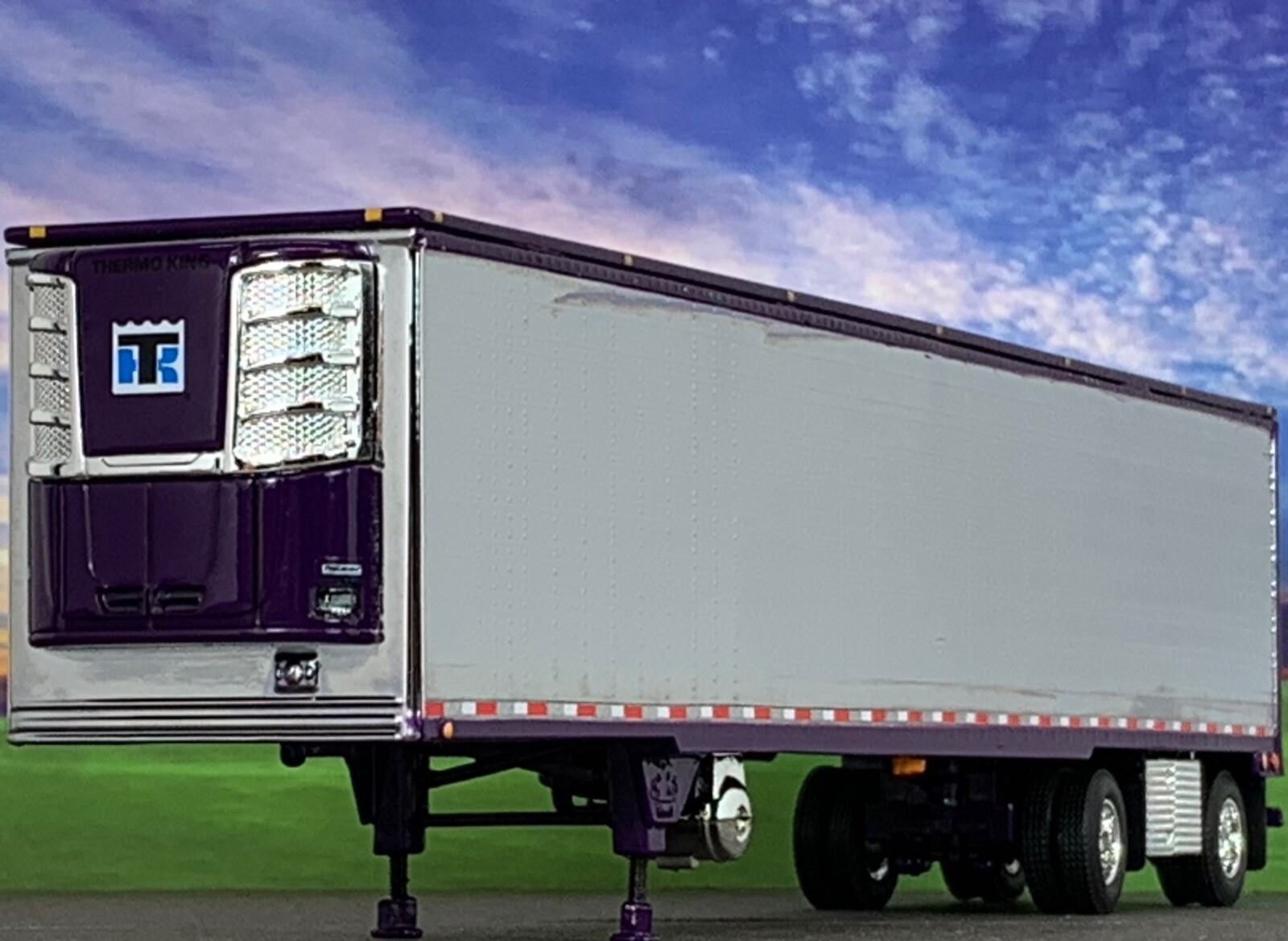
Understanding Your Needs: More Than Just a Cold Box
Before you even start looking at specific listings for a semi reefer trailer, you have to get crystal clear on your operational requirements. A reefer is a complex piece of machinery, and its specs must match your daily reality.
Key Specifications to Scrutinize
- Temperature Range: Are you hauling frozen goods at -20°F or simply protecting fresh produce at 34°F? The unit’s capability must exceed your coldest requirement.
- Dimensions and Capacity: Standard 53-footers dominate, but internal height (often 110″ or more) and width are crucial for pallet loading efficiency. Know your typical cargo’s cube.
- Insulation and Door Type: Polyurethane foam thickness (R-value) dictates thermal efficiency. Look for robust, well-sealed doors—often 6-8 inches thick—to maintain the cold chain.
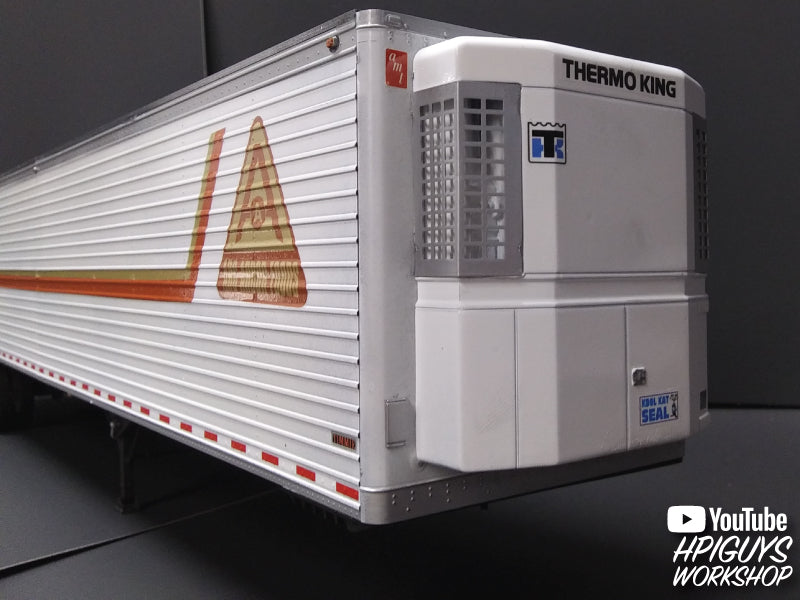
- Refrigeration Unit Brand: Carrier, Thermo King, and newer players like Chinese Truck Factory’s integrated systems are the heart of the trailer. Consider reliability, local service availability, and fuel efficiency.
The True Cost of Ownership
The sticker price is just the beginning. A savvy buyer thinks in terms of Total Cost of Ownership (TCO). This includes fuel consumption of the reefer unit, preventive maintenance schedules, potential repair costs for older models, and even residual value. A newer, more efficient model from a reputable trailer manufacturer might have a higher upfront cost but significantly lower operating expenses over five years.
Comparing Popular Semi Reefer Trailer Models & Market Prices
The market offers a spectrum from premium new trailers to reconditioned workhorses. Here’s a comparison to frame your search. Note: Prices are highly dynamic based on market conditions, age, and spec.
| Model Type | Typical Age / Condition | Key Features & Considerations | Estimated Price Range (USD) |
|---|---|---|---|
| New, Standard Spec | Brand New | Latest fuel-efficient diesel or electric standby units, premium insulation, full warranty. Ideal for high-volume, sensitive freight. | $120,000 – $180,000+ |
| 3-5 Year Old Used | Excellent to Good | Balance of modern features and depreciation. A popular choice for fleets upgrading. Thorough pre-purchase inspection is key. | $70,000 – $110,000 |
| Reconditioned / Refurbished | Varies (Often 5-10 yrs) | Trailer stripped to frame, new lining, flooring, and often a rebuilt or new refrigeration unit. A cost-effective “like-new” option. | $50,000 – $85,000 |
| Older Workhorse (Diesel) | 8-15 Years Old | Lower upfront cost. Budget heavily for repairs and higher fuel consumption. Suitable for less critical, shorter hauls. | $25,000 – $50,000 |
As noted by industry veteran and equipment analyst, Mike Harwood (with over 20 years in commercial transport), “The sweet spot for many independent operators is the 3-5 year old used market or a professionally reconditioned unit. You avoid the steep initial depreciation but still get reliable technology. Always, without exception, get an independent inspection that includes a thorough check of the refrigeration unit’s history and compressor hours.”
Where to Find Your Semi Reefer Trailer for Sale
Knowing where to look is half the battle. Each source has its pros and cons.
- Dealer Networks: Offer certified used units, financing, and service support. Less room for negotiation but more peace of mind.
- Online Marketplaces (TruckPaper, CommercialTruckTrader): Vastest selection nationwide. Requires diligent vetting of sellers and a willingness to travel or arrange transport.
- Auctions (In-Person & Online): Can yield great deals but is “as-is, where-is.” This arena is for experienced buyers who can assess condition quickly or have a trusted inspector on call.
- Direct from Manufacturer: For new trailers, going direct to a factory like Chinese Truck Factory can provide customization options and potentially better pricing on volume orders.
The Non-Negotiable: Pre-Purchase Inspection Checklist
Never buy a used semi reefer trailer sight-unseen. This checklist is your first line of defense.
- Structural Integrity: Check for rust, especially in the frame rails, landing gear, and upper coupler area. Inspect the floor for soft spots or rot.
- Refrigeration Unit: Run a full cycle. Check for error codes on the controller. Verify temperature pull-down capability. Review the maintenance log for compressor hours and service history.
- Seals and Insulation: Close the doors and look for light leaks. Inspect door gaskets for cracks or wear. Any signs of moisture inside the walls can indicate failed insulation.
- Tires and Brakes: Check tire DOT dates and tread depth. Inspect brake lining thickness. This is a immediate cost you might inherit.
According to a 2022 report by the American Trucking Associations, equipment failure is a top-10 cause of critical roadside incidents. A thorough inspection mitigates this risk directly.
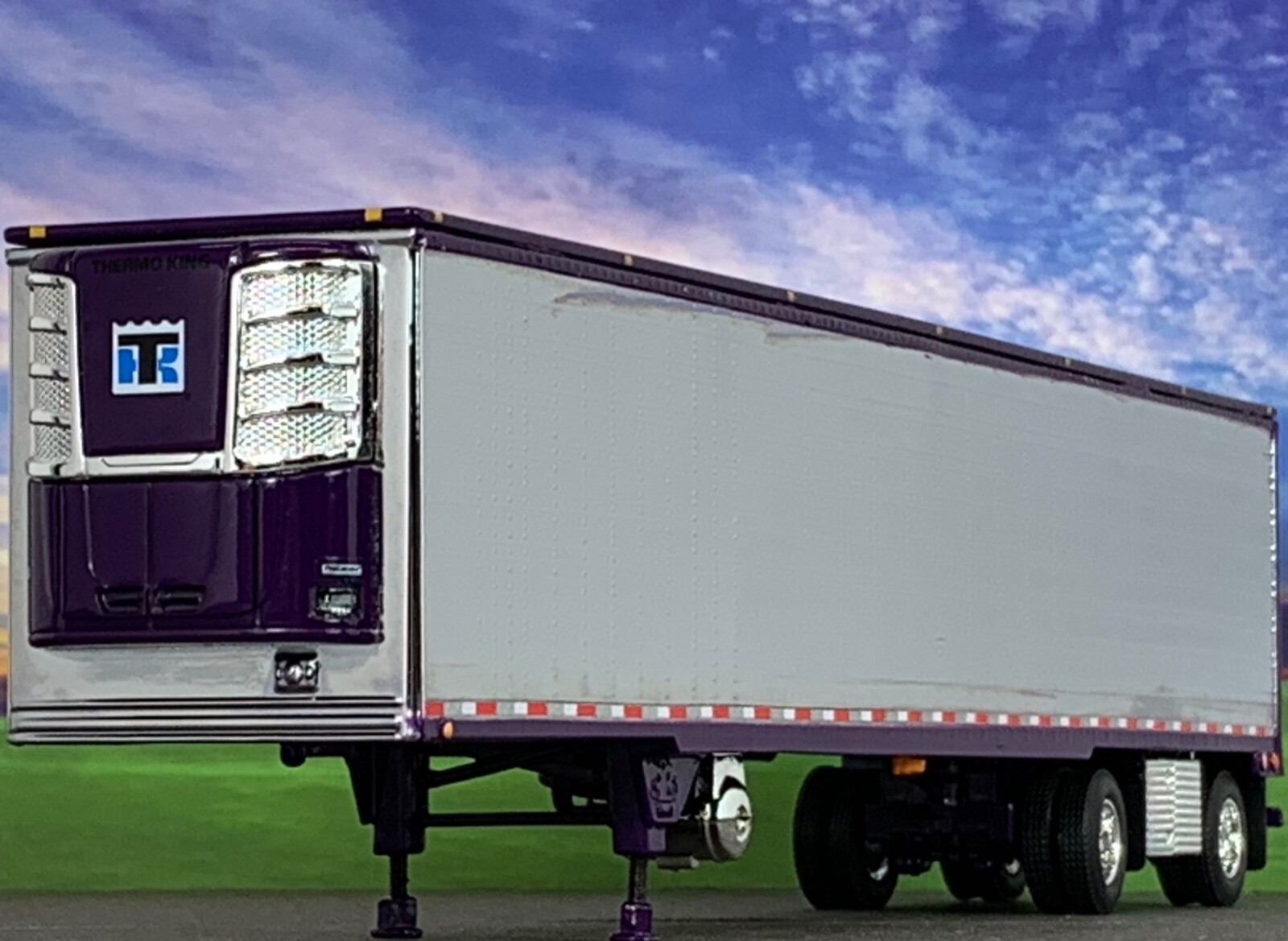
Financing and Finalizing Your Purchase
Have your financing pre-arranged. Many lenders specialize in commercial trailer loans. Consider not just the monthly payment, but the term length and interest rate’s impact on your TCO. Once you’ve chosen your unit, ensure the Bill of Sale clearly states the VIN, sale price, and any warranties. Title transfer must be handled promptly to avoid legal headaches. Remember, the goal isn’t just to find a semi reefer trailer for sale; it’s to secure the right asset that will earn for you reliably for years to come.
Frequently Asked Questions (FAQ)
Q: What is the most important thing to check on a used reefer trailer?
A: The refrigeration unit’s history and condition are paramount. Its repair or replacement cost can exceed the value of the trailer itself. Always check the compressor hours (similar to engine miles) and demand a documented service history.
Q: How much more fuel does a reefer trailer use?
A: A diesel-powered transport refrigeration unit can consume 0.5 to 1.5 gallons of fuel per hour depending on outside temperature, set point, and unit efficiency. Over a long haul, this is a massive operational cost. Data from the U.S. Department of Energy highlights the significant fuel use of auxiliary systems, underscoring the value of newer, efficient models.
Q: Is it worth buying a reefer trailer with an older, discontinued refrigeration model?
A: Proceed with extreme caution. Parts availability becomes difficult and expensive. Technician knowledge fades. Unless you have a dedicated source for parts and service, this can lead to extended, revenue-killing downtime.
Q: Can I negotiate the price on a semi reefer trailer for sale?
A: Absolutely, especially in private sales and dealer lots. Use your inspection report findings (e.g., needing new tires, a door seal) as legitimate leverage for negotiation. Being prepared with financing and ready to act also strengthens your position.
Sources & Further Reading:
– American Trucking Associations (ATA). (2022). Critical Issues in the Trucking Industry. https://www.trucking.org/
– U.S. Department of Energy, Vehicle Technologies Office. (2023). Idling Consumes More Fuel than Necessary to Maintain Comfort. https://www.energy.gov/eere/vehicles/articles/fotw-1284-january-30-2023-idling-consumes-more-fuel-necessary-maintain-comfort