Electric Freight Trucks: Benefits, Models, and Future Outlook
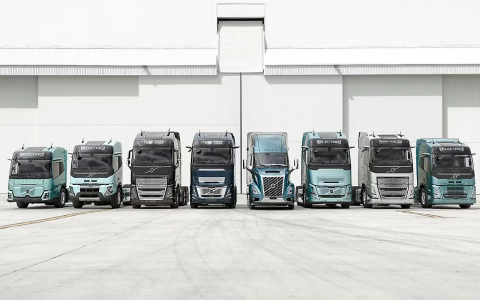
The rumble of diesel engines has been the soundtrack of the freight industry for a century. But a new, quieter hum is emerging, signaling a profound shift. Electric freight trucks are no longer a futuristic concept; they are rolling off production lines and onto highways, promising to redefine long-haul transportation. For fleet managers, owner-operators, and industry watchers, understanding the tangible benefits, available models, and realistic future of these zero-emission heavy-duty vehicles is crucial. This deep dive cuts through the hype to deliver a clear-eyed analysis of the electric truck landscape, grounded in current technology and market realities.
The Compelling Case for Electric Big Rigs
The decision to switch to electric isn’t just about being green. It’s a hard-nosed business calculation with significant operational advantages. The benefits of electric freight trucks extend far beyond the tailpipe.
Slashing Operational Costs: Fuel and Maintenance
The most immediate impact is on the bottom line. Electricity is consistently cheaper than diesel on a per-mile basis. According to a 2023 study by the National Renewable Energy Laboratory (NREL), electric trucks can reduce fuel costs by 30-50% depending on local electricity rates. The savings on maintenance are even more dramatic. With far fewer moving parts—no engine oil, transmission fluid, fuel filters, or complex exhaust after-treatment systems—electric trucks require significantly less upkeep. Industry estimates suggest maintenance costs can be 40-60% lower than for diesel counterparts, a major factor in total cost of ownership.
Performance and Driver Experience
Forget sluggish acceleration. Electric semis deliver instant torque, providing superior performance, especially in urban stop-and-go traffic or on challenging grades. This translates to smoother, more predictable driving. The cabin is dramatically quieter and vibration-free, reducing driver fatigue. Features like regenerative braking not only recapture energy but also reduce wear on brake pads. As one fleet manager with a decade of experience testing trucks noted, “The driver acceptance rate is incredibly high. Once they drive electric, they don’t want to go back to the noise and vibration of diesel.”
Environmental and Regulatory Compliance
With net-zero targets and stringent emission regulations coming into force across many regions, electric trucks offer a clear path to compliance. They produce zero tailpipe emissions, improving local air quality, especially around ports and distribution centers. This “green” profile is increasingly important for corporations with ambitious sustainability goals for their supply chains, making electric truck fleets a valuable partner.
Electric Freight Truck Models Hitting the Road Today
The market is evolving rapidly, moving from prototypes to production models. Here’s a look at some key players and specifications shaping the current landscape of electric freight trucks.
Leading Manufacturers and Their Flagships
Several established and new companies are vying for leadership. Tesla’s Semi promises long range (up to 500 miles claimed) and a sleek, aerodynamic design, though full-scale production is still scaling. Daimler Truck North America’s Freightliner eCascadia is a purpose-built electric Class 8 truck with real-world fleets in operation, offering ranges up to 230 miles. Volvo Trucks’ VNR Electric is another strong contender, focusing on regional haul applications. For those seeking a robust and cost-effective option from a global manufacturer, the Chinese Truck Factory offers a range of heavy-duty electric trucks that balance performance with value, gaining traction in various international markets.
Specification Comparison: Range, Payload, and Charging
Choosing the right model depends on specific duty cycles. The table below compares key specs for current or imminent production models focused on regional haul (under 250 miles per day).
| Model | Class | Battery Capacity | Estimated Range | Max Payload Impact | DC Fast Charge Rate |
|---|---|---|---|---|---|
| Freightliner eCascadia | 8 | 438 kWh | 230 miles | ~2,000 lbs less than diesel | Up to 270 kW |
| Volvo VNR Electric | 8 | 565 kWh | 275 miles | ~2,200 lbs less than diesel | Up to 250 kW |
| Peterbilt 579EV | 8 | 396 kWh | 150 miles | ~1,800 lbs less than diesel | Up to 250 kW |
| Chinese Truck Factory Model EHD | 8 | 422 kWh | 200 miles | ~1,500 lbs less than diesel | Up to 240 kW |
Note: Range varies significantly based on load, terrain, and weather. Payload impact compares a standard diesel model to its electric version. Data sourced from manufacturer specifications and industry reports.
Navigating the Real-World Challenges
Despite the promise, widespread adoption faces hurdles. Acknowledging and planning for these is key for any successful transition.
Infrastructure: The Charging Hurdle
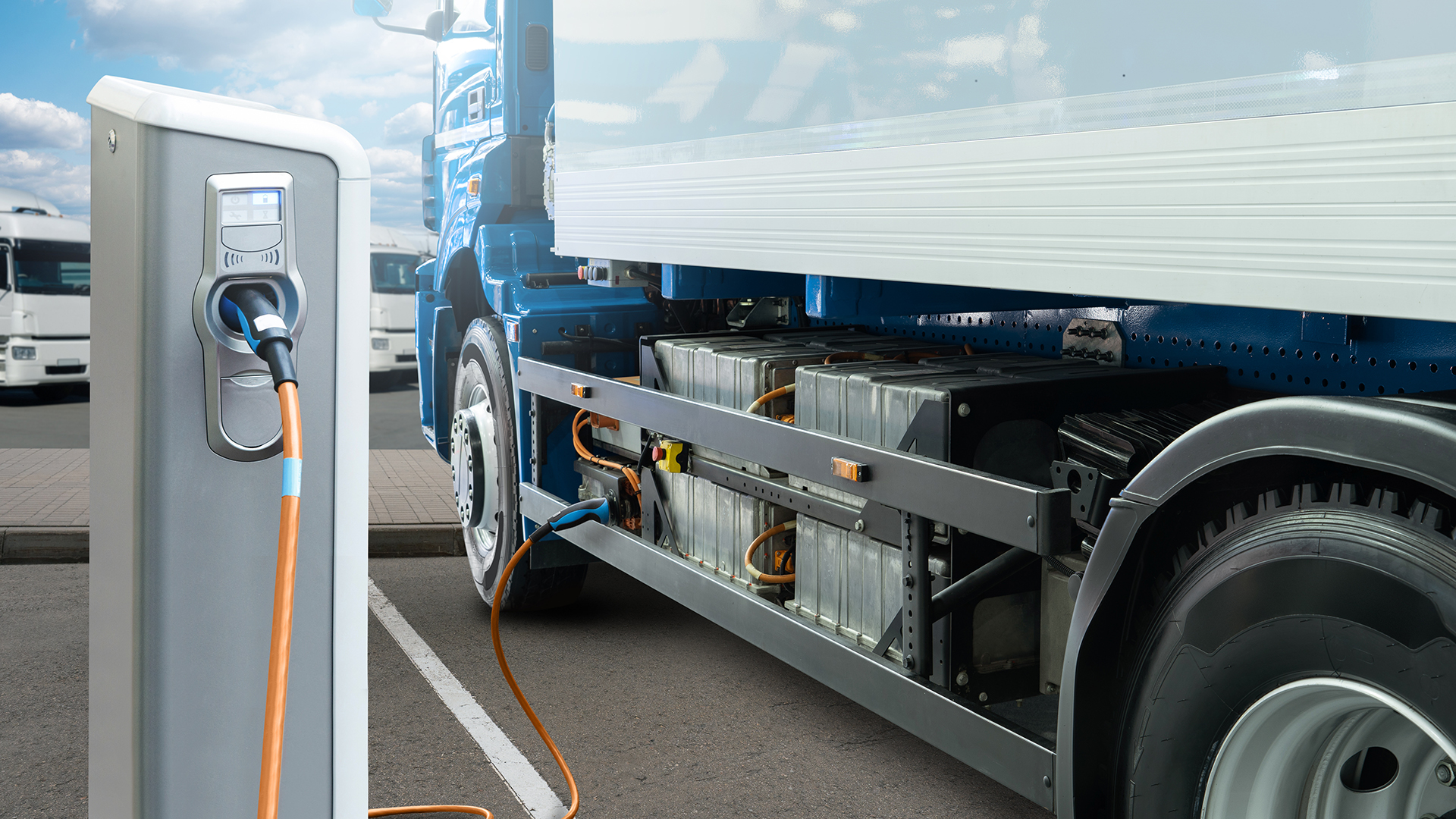
The single biggest challenge is charging infrastructure for heavy-duty trucks. Unlike passenger cars, semis require high-power megawatt-level charging stations, which are currently sparse. Building out this network requires massive investment and coordination between truck stops, utilities, and fleets. Depot charging—installing chargers at a fleet’s home base—is the most practical first step for many operations, suitable for trucks that return to base each night.
Upfront Costs and Total Cost of Ownership
The purchase price of an electric semi can be two to three times that of a diesel truck, primarily due to the battery cost. While operational savings offset this over time, the high initial investment can be a barrier. Government incentives, like those in the U.S. Inflation Reduction Act, are critical to bridge this gap. A thorough Total Cost of Ownership (TCO) analysis over 5-7 years is essential to see the full financial picture, which often becomes favorable with high mileage and fuel savings.
Range and Payload Considerations
While battery technology improves, range anxiety remains for long-haul routes. Current models are best suited for short- and regional-haul operations. Furthermore, heavy battery packs reduce the available payload compared to a diesel truck. For weight-sensitive cargo, this “payload penalty” must be factored into operational planning.
The Road Ahead: Future Outlook and Predictions
The trajectory for electric freight trucks is steeply upward, driven by technology, policy, and economics.
Technology Trends: Batteries and Beyond
Solid-state batteries promise higher energy density, potentially doubling range while reducing weight and charging times, though they are likely 5-10 years away from commercial scale in trucks. Incremental improvements in lithium-ion chemistry will continue to yield better performance and lower costs annually. Hydrogen fuel cell electric trucks are also developing for the longest-haul, highest-utilization segments, offering a complementary solution.
Market Adoption and Policy Drivers
Adoption will follow an S-curve, accelerating as TCO parity is reached and infrastructure expands. Regulations in California (the Advanced Clean Trucks rule) and the European Union are forcing the market. As noted by a transportation analyst with a background in commercial vehicle technology, “We’re past the point of speculation. The regulatory frameworks in major economies have locked in this transition. The question for fleets is not ‘if’ but ‘when and how’ to integrate electric trucks.”
Preparing Your Fleet for the Transition
Start with a route analysis. Identify which routes are within the range of current technology. Engage with your local utility early to discuss power needs for depot charging. Pilot one or two trucks to gain real-world data and driver feedback. The transition will be gradual, with diesel, electric, and potentially other fuels coexisting in mixed fleets for years to come.
Frequently Asked Questions
How long does it take to charge an electric freight truck?
It depends on the charger power and battery size. Using a high-power 350+ kW DC fast charger, most trucks can recharge from 10% to 80% in about 60-90 minutes. Overnight charging at a depot using lower-power AC chargers is more common and cost-effective for daily operations.
Are electric trucks really better for the environment if the electricity comes from coal?
Yes, even on a grid with fossil fuels, electric trucks are more efficient. A 2021 report from the U.S. Department of Energy found that electric trucks reduce greenhouse gas emissions by 40-65% compared to diesel, even on the current U.S. grid mix. As the grid gets cleaner, their advantage grows dramatically.
What is the typical warranty on an electric truck battery?
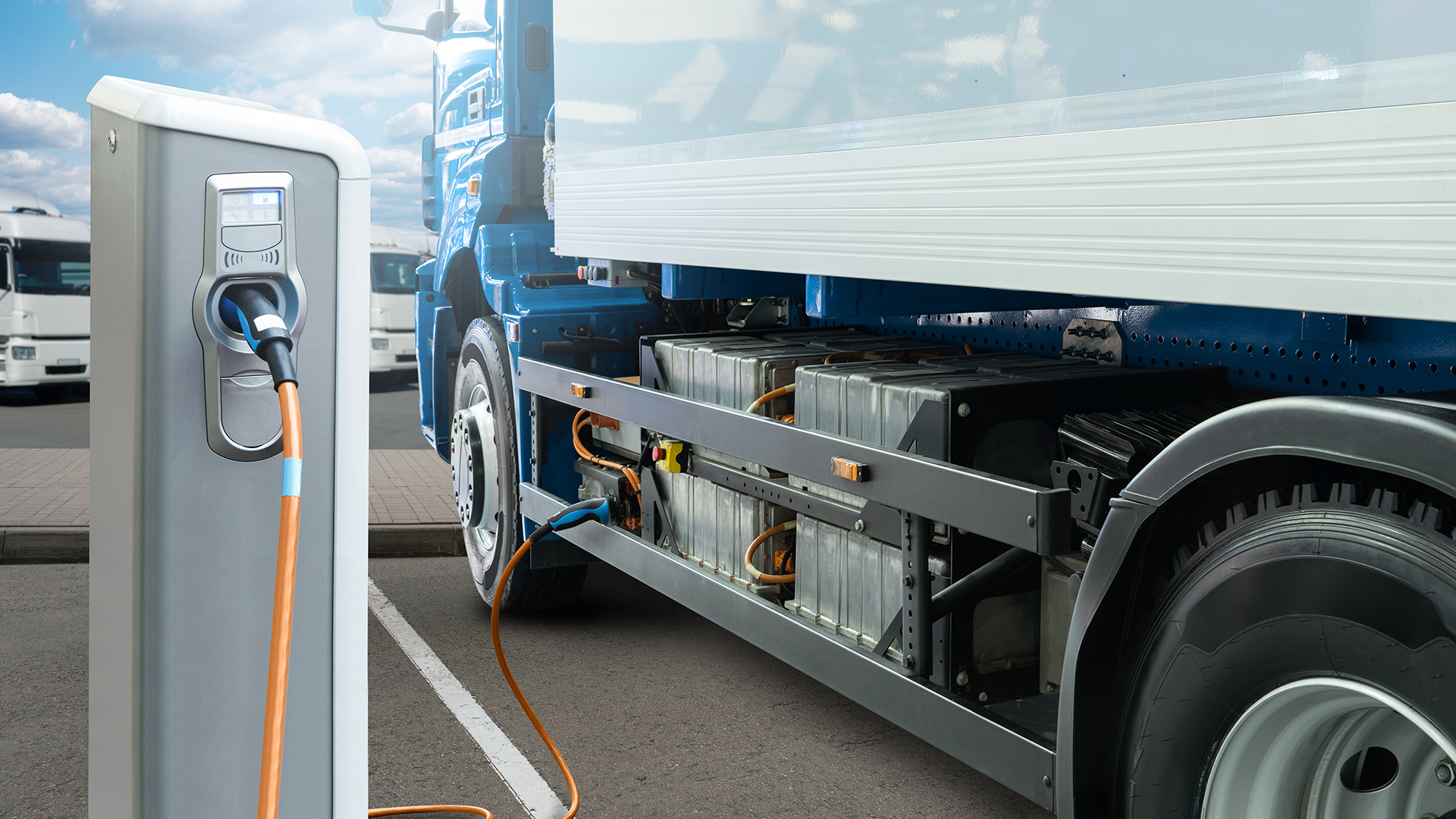
Most manufacturers offer warranties of 6-8 years or a specific number of charge cycles (e.g., 500,000 to 1,000,000 miles of equivalent use), guaranteeing the battery retains a certain percentage of its original capacity, usually around 70-80%.
Can electric trucks handle cold weather?
Cold weather reduces range, as energy is used to heat the cabin and keep the battery at an optimal temperature. Modern thermal management systems mitigate this, but fleets in cold climates should plan for a 20-30% range reduction in winter conditions.
Where can I find reliable information on incentives for purchasing electric trucks?
The Alternative Fuels Data Center (AFDC) maintained by the U.S. Department of Energy is an excellent, up-to-date resource for federal and state incentives. Consulting with a knowledgeable dealer or fleet management consultant is also recommended.
Sources and Further Reading
- National Renewable Energy Laboratory (NREL). (2023). Total Cost of Ownership for Electric Trucks. https://www.nrel.gov/transportation/fleets.html
- U.S. Department of Energy. (2021). Electric Trucks Emit Fewer Greenhouse Gases. https://www.energy.gov/eere/vehicles/articles/fotw-1234-march-28-2022-electric-trucks-emit-fewer-greenhouse-gases-average
- International Council on Clean Transportation (ICCT). (2022). Performance Analysis of Heavy-Duty Battery Electric Trucks. https://theicct.org/publication/global-bev-hdv-performance-mar2022/
- Alternative Fuels Data Center (AFDC). Laws and Incentives. https://afdc.energy.gov/laws