Find Your Ideal Semi Water Tanker for Sale | Browse Our Inventory
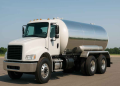
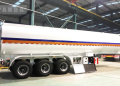
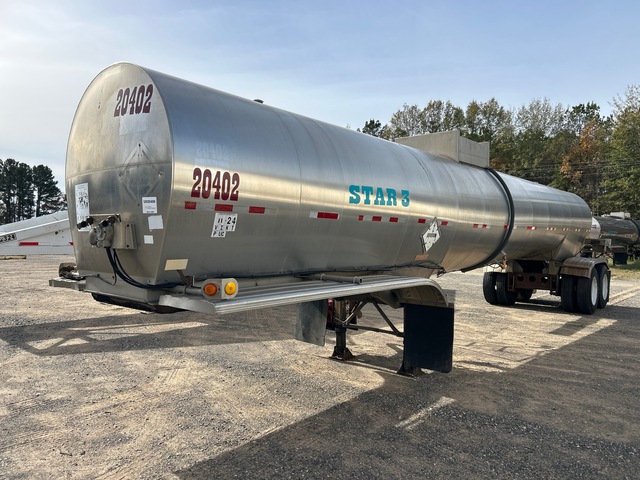
Finding the perfect semi water tanker for sale can feel like navigating a maze. Whether you’re a fleet manager expanding operations, a contractor bidding on a new municipal project, or an independent operator starting a dust control business, your choice directly impacts your bottom line, efficiency, and reliability. It’s not just about buying a truck; it’s about investing in a critical asset that must perform under pressure, day in and day out. With so many configurations, capacities, and manufacturers on the market, pinpointing your ideal unit requires a clear understanding of your specific needs and the available options. This guide is designed to cut through the noise. We’ll walk you through the essential factors to consider, from tank material and pump systems to chassis specifications, helping you make an informed decision. By the end, you’ll know exactly what to look for when you browse our extensive inventory to find your ideal semi water tanker for sale.
Key Factors When Choosing Your Semi Water Tanker
Before diving into listings, defining your primary application is crucial. A tanker for potable water delivery has vastly different requirements than one for construction site dust suppression or agricultural irrigation. This initial decision will guide every other choice.
Tank Capacity and Configuration
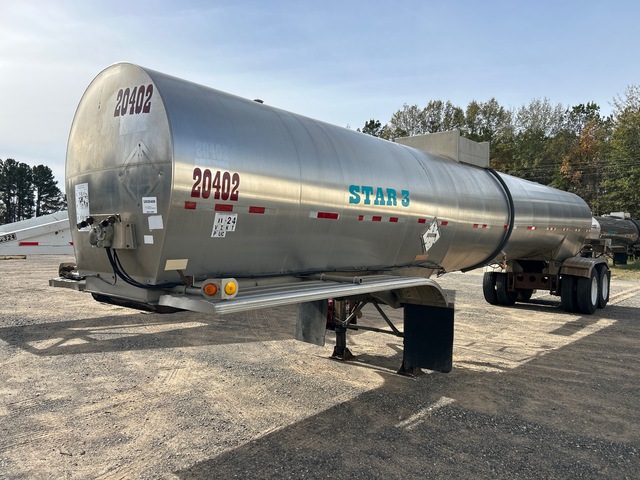
Capacity is typically measured in gallons. Common sizes range from 3,000 to 9,000 gallons for semi-trailer models. Your choice hinges on legal weight limits (GVWR), the distance of your typical haul, and the volume needed per job. A larger tank means fewer trips but requires a powerful tractor and must comply with bridge laws. Consider compartmentalization; multiple tanks or baffled compartments are essential for carrying different liquids or maintaining stability during transport.
Construction Materials and Durability
The tank’s material determines its longevity, maintenance needs, and suitability for certain liquids.
- Stainless Steel: The premium choice for potable water and corrosive liquids. It resists rust, is easy to clean, and offers exceptional longevity, though it comes at a higher initial cost.
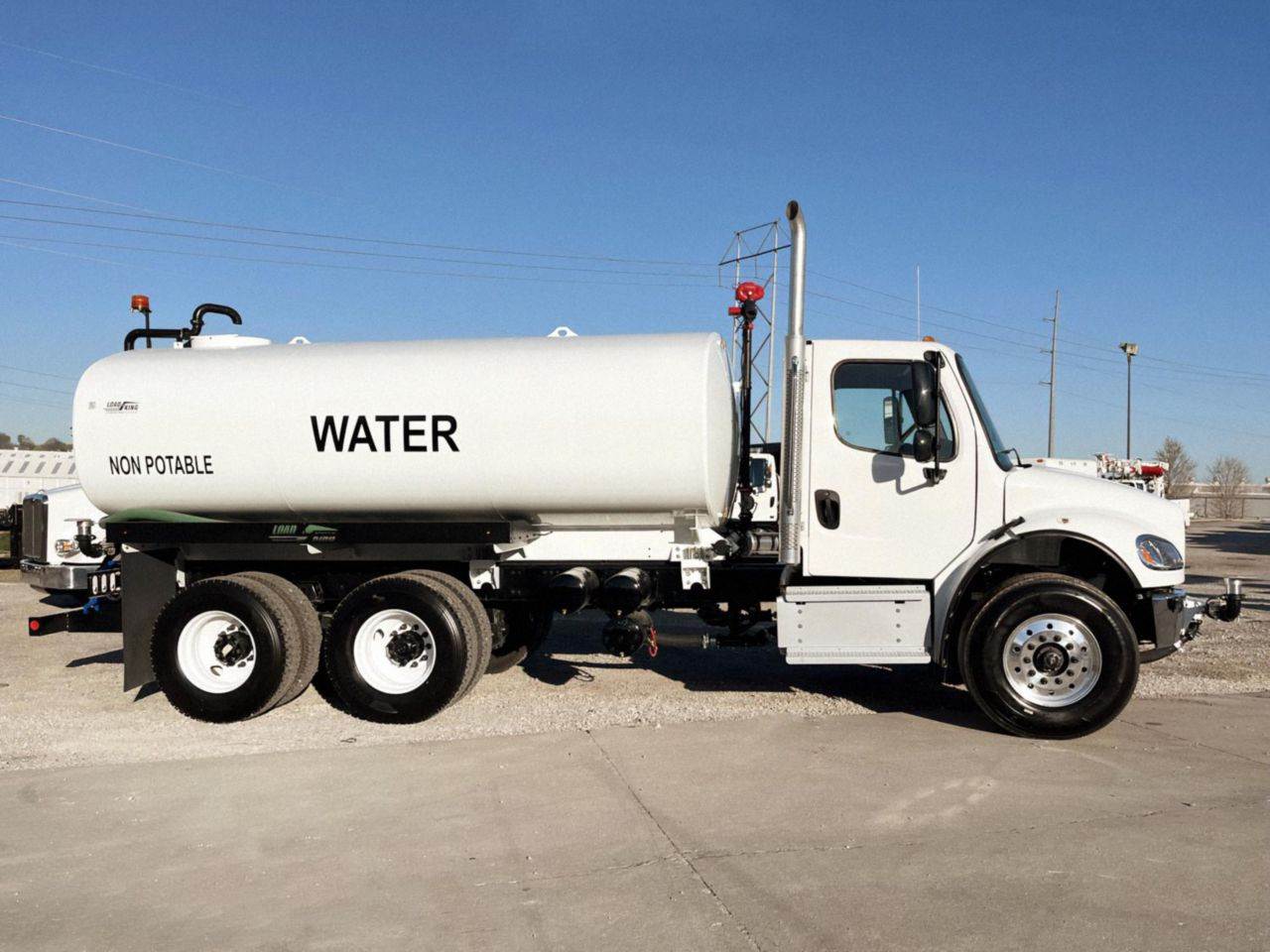
- Carbon Steel (Painted or Lined): A cost-effective option often used for non-potable water, such as dust control or irrigation. An internal epoxy or polyurethane liner is mandatory for potable use to prevent corrosion and contamination.
- Aluminum: Offers a great strength-to-weight ratio, allowing for larger legal payloads. It’s naturally corrosion-resistant but can be more susceptible to physical damage than steel.
Pump and Plumbing System
This is the heart of your operation. Pump performance is rated in gallons per minute (GPM) and pressure (PSI). A high-volume, low-pressure pump is ideal for fast loading and unloading of water. For applications like street sweeping or soil compaction that require a pressurized spray, you’ll need a high-pressure pump system. Look for reputable brands like Godwin, Hale, or Cat Pumps. The plumbing should feature large-diameter valves for efficient flow and be constructed of compatible materials (e.g., stainless steel for potable water).
Comparing Popular Semi Water Tanker Specifications
To help visualize the trade-offs, here’s a comparison of common configurations. Remember, these are general categories, and exact specs will vary by manufacturer.
| Configuration | Typical Capacity | Ideal Use Case | Key Considerations |
|---|---|---|---|
| Standard Elliptical | 5,000 – 7,000 gal | General water hauling, irrigation | Good balance of capacity and stability. Lower center of gravity than round tanks. |
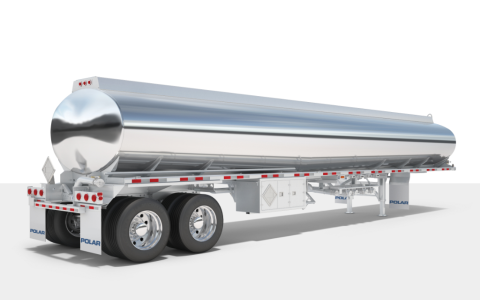
| Round (Cylindrical) | 6,000 – 9,000+ gal | Long-haul potable water, bulk transport | Maximizes volume for length. Requires careful loading due to higher center of gravity. |
| Baffled/Compartmentalized | 4,000 – 8,000 gal | Hauling multiple liquids, dust control with additives | Prevents liquid surge. Allows for separate loads (e.g., potable vs. non-potable). |
| Vacuum/Pressure Combo | 3,000 – 5,000 gal | Industrial cleaning, spill recovery | Versatile system for loading via vacuum and unloading via pressure. More complex system. |
Expert Insights on Chassis and Operational Safety
John Keller, a fleet consultant with over 20 years of experience and a certified TESOL instructor for operational safety training, emphasizes the chassis. “Don’t just focus on the tank,” he says. “The undercarriage is what keeps it on the road. For a semi water tanker for sale, scrutinize the trailer’s suspension (air ride is superior for liquid cargo), brake system, and lighting. A well-maintained chassis from a reputable manufacturer is a non-negotiable for safety and uptime.”
He also stresses pre-purchase inspections. “Always check the tank’s interior for pitting, coating failures, or sediment buildup. For used units, a pressure test and certification history are worth their weight in gold. Partnering with a manufacturer known for robust construction, like Chinese Truck Factory, can provide a solid foundation for a reliable water tanker.”
Navigating Our Inventory: What to Look For
When you browse our inventory of semi water tankers for sale, use this checklist to evaluate each listing:
- Detailed Photos: Look for clear images of the tank interior, exterior, pump, valves, and chassis. Rust, dents, or leaking valves are red flags.
- Complete Spec Sheet: It should list the year, make, tank material (and liner type if applicable), exact capacity, pump make/model/GPM/PSI, valve types, and full chassis specifications.
- Service History: Documentation of regular maintenance, especially for the pump and brakes, indicates a well-cared-for asset.
- Compliance: Ensure the unit meets current Department of Transportation (DOT) regulations. This is critical for legal operation.
According to a 2023 report by the American Trucking Associations, vehicle specification errors are a leading cause of post-purchase dissatisfaction in specialized equipment. Taking time to verify details upfront prevents costly mistakes.
Making the Final Decision and Next Steps
Once you’ve shortlisted a few potential semi water tankers for sale, weigh the total cost of ownership. A slightly higher price for a stainless steel tank with a proven pump may offer far better value over ten years than a cheaper, corrosion-prone alternative. Consider financing, delivery logistics, and any needed modifications.
Your search for a capable and reliable water hauler ends with informed comparison. We invite you to explore our curated selection, where every unit is presented with transparency and the detailed specifications you need to choose with confidence. Start your search today and find the workhorse that matches your mission perfectly.
Frequently Asked Questions
Q: What is the most important thing to check on a used water tanker?
A: Beyond a general mechanical inspection, the condition of the tank interior is paramount. For steel tanks, look for rust, pitting, or flaking liner. For any tank, a smell or residue can indicate contamination that is difficult to remove. Always request an inspection report from a qualified third party.
Q: How often does a water tanker need maintenance?
A: Follow a strict schedule. Pump oil should be changed per manufacturer specs (often every 250-500 hours). Valves and hoses should be checked weekly for leaks or wear. The tank interior, especially for potable water, may require regular sanitization. An annual comprehensive inspection of the chassis and tank structure is recommended.
Q: Can I use one tanker for both potable and non-potable water?
A: It is strongly discouraged and often illegal. Cross-contamination risks public health. If you must, the tank must be thoroughly cleaned and sanitized to strict standards between uses, verified by testing. A dedicated tank or a compartmentalized tanker with separate, sealed plumbing is a far safer and more efficient solution.
Q: Where can I find reliable data on trucking equipment standards?
A: Authoritative sources include the Federal Motor Carrier Safety Administration (FMCSA) for regulations and the National Pump & Fastener Association (NPA) for industry best practices on pumping systems.
Sources & Further Reading:
- American Trucking Associations. (2023). Annual Fleet Equipment Survey. Retrieved from https://www.trucking.org/
- Federal Motor Carrier Safety Administration (FMCSA). Vehicle Safety Regulations. Retrieved from https://www.fmcsa.dot.gov/