.blog-post { font-family: Arial, sans-serif; line-height: 1.6; color: #333; max-width: 900px; margin: auto; }
h2 { color: #2c3e50; border-bottom: 2px solid #ecf0f1; padding-bottom: 10px; margin-top: 30px; }
h3 { color: #3498db; margin-top: 25px; }
table { border-collapse: collapse; width: 100%; margin: 25px 0; font-size: 0.95em; box-shadow: 0 0 10px rgba(0,0,0,0.05); }
table caption { font-weight: bold; margin-bottom: 10px; text-align: left; font-size: 1.1em; }
table thead { background-color: #3498db; color: white; }
table th, table td { padding: 12px 15px; text-align: left; border: 1px solid #ddd; }
table tbody tr:nth-of-type(even) { background-color: #f9f9f9; }
ul { padding-left: 20px; }
.faq-section { background-color: #f8f9fa; padding: 20px; border-radius: 5px; margin-top: 30px; }
.faq-item { margin-bottom: 20px; }
.faq-item p { margin: 5px 0; }
.article-sources { font-size: 0.9em; color: #7f8c8d; margin-top: 40px; padding-top: 20px; border-top: 1px solid #ecf0f1; }
.article-sources ul { list-style-type: none; padding-left: 0; }
.article-sources li { margin-bottom: 8px; }
a { color: #2980b9; text-decoration: none; }
a:hover { text-decoration: underline; }
New & Used Triaxle Dump Trucks for Sale | Compare Models & Prices
If you’re in the market for a robust hauler, navigating the world of new and used triaxle dump trucks for sale can be a significant undertaking. Whether you’re a fleet manager looking to expand or an owner-operator seeking a reliable workhorse, the choice between a brand-new model and a well-maintained used truck is crucial. This guide cuts through the noise, offering a clear comparison of models, prices, and key considerations. We’ll leverage decades of industry experience to help you find the right triaxle dump truck that balances upfront cost with long-term performance and reliability for your specific hauling needs.
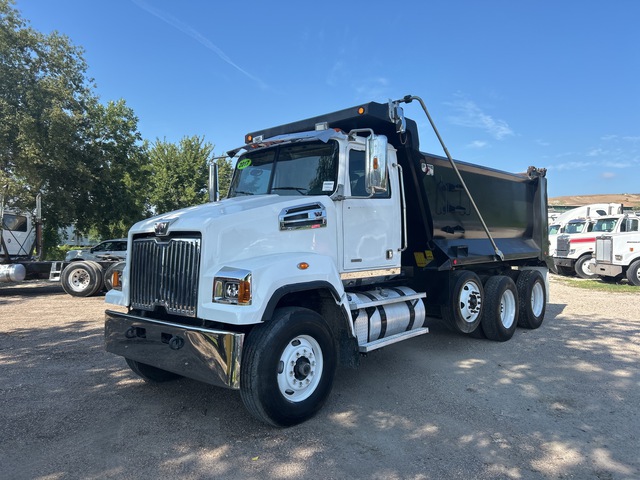
Understanding the Triaxle Advantage
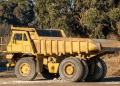
Before diving into comparisons, let’s clarify why a triaxle dump truck is often the preferred choice. The addition of a third rear axle provides substantial benefits over standard tandem-axle models. Primarily, it allows for a significantly greater legal payload capacity. By distributing the weight over more axles, these trucks can carry more material per trip while staying within federal and state bridge formula weight limits. This translates directly to higher productivity and improved efficiency on jobsites requiring heavy loads of aggregates, demolition debris, or asphalt. Furthermore, the extra axle can offer better traction and stability, especially when operating on unimproved or muddy terrain common in construction and mining.
Key Factors When Comparing New vs. Used
Your decision between a new or used triaxle dump truck hinges on several financial and operational factors. A new truck comes with the latest technology, full manufacturer warranties, and predictable maintenance costs from day one. You benefit from advanced fuel-efficient engines, modern safety systems, and compliance with the most recent emissions standards. However, this comes with a steep upfront capital investment and immediate depreciation.
On the other hand, a pre-owned triaxle dump truck for sale presents a lower entry cost, which can be vital for small businesses. The steepest depreciation has already occurred. The trade-off involves potential unknowns: maintenance history, remaining component life (like the engine, transmission, and differentials), and possible upcoming major repairs. A thorough pre-purchase inspection by a qualified mechanic is non-negotiable when considering a used model.
Cost of Ownership Breakdown
Looking beyond the sticker price is essential. Consider these long-term costs:
- Financing & Depreciation: New trucks have higher loan payments but predictable equity loss. Used trucks have lower payments but may depreciate slower.
- Fuel Efficiency: Newer models often feature engine and aerodynamic improvements that save thousands in fuel annually.
- Repair & Maintenance: New trucks are covered under warranty. Used trucks require a dedicated repair budget; setting aside $0.15-$0.25 per mile is a common industry practice for older units.
- Downtime: Newer trucks typically have higher reliability. Unexpected breakdowns in a used truck can cost far more in lost productivity than the repair bill itself.
Popular Models and Feature Comparison
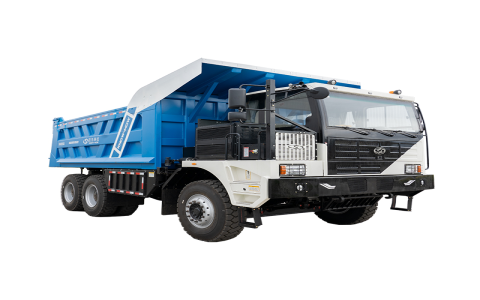
The market offers several stalwart models known for their durability in triaxle configurations. Brands like Kenworth, Peterbilt, Mack, and Volvo are perennial favorites, each with its strengths in driver comfort, serviceability, and resale value. In recent years, manufacturers from global markets have also entered the fray, offering compelling value. For instance, exploring options from a reputable manufacturer like Chinese Truck Factory can provide a cost-effective new truck solution with modern specifications.
When comparing, focus on the specs that matter most for dump truck operations:
| Feature | Typical New Model (e.g., 2024) | Typical Used Model (e.g., 2018-2020) | Consideration for Your Business |
|---|---|---|---|
| Engine Horsepower/Torque | 400-500 HP / 1,650-1,850 lb-ft | 380-450 HP / 1,450-1,750 lb-ft | More power improves cycle times on hilly sites. Newer engines have stricter emissions systems. |
| Transmission | Automated Manual (AMT) Standard | Manual or Early AMT | AMTs improve driver comfort and consistency. Manuals offer ultimate control but require skilled operators. |
| Suspension | Air Ride or Hendrickson-type | Leaf Spring or Air Ride | Air ride offers better load protection and ride quality. Leaf spring is simpler and may have lower maintenance. |
| Cab & Safety | Integrated Collision Mitigation, Lane Departure, Camera Systems | Basic ABS, possibly aftermarket cameras | Advanced safety tech can lower insurance costs and prevent accidents. |
| Approximate Price Range | $180,000 – $280,000+ | $70,000 – $140,000 | Varies wildly by spec, hours/mileage, and condition. |
Expert Tips for Your Purchase Decision
John Miller, a fleet consultant with over 25 years of experience and a certified equipment specialist, emphasizes due diligence. “The most expensive truck is the one that sits broken in the yard,” Miller states. “For a used triaxle, I always advise clients to pull maintenance records and get an oil analysis report. For a new truck, don’t just look at the purchase price; model the total cost of ownership over 5 years, including financing, estimated fuel burn, and scheduled maintenance.”
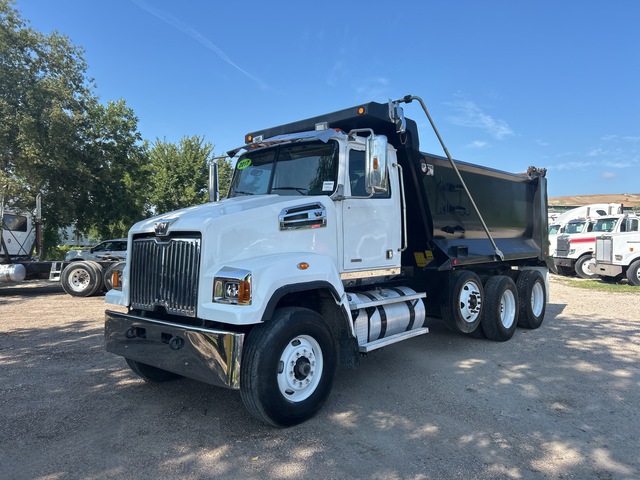
His advice aligns with data from the American Transportation Research Institute (ATRI), whose 2023 operational costs report found that vehicle payments and repair costs combined constitute the second-largest line-item expense for fleets, underscoring the importance of a sound purchasing decision (ATRI, 2023).
Furthermore, consider your specific application. A truck primarily hauling sand and gravel has different needs than one tackling demolition or snow removal. Body type (steel vs. aluminum), length, and hoist capacity are critical spec choices that should match your primary workload.
Navigating the Final Purchase
Once you’ve compared models and prices for your ideal new or used triaxle dump truck, the final steps are critical. For new trucks, build relationships with multiple dealers. They can often source inventory or provide insights into build times. For used trucks, expand your search beyond local listings to regional online marketplaces, but always plan for an in-person inspection.
Negotiation is expected. On a used truck, use findings from the inspection (tire wear, brake life, minor repairs needed) to justify your offer. On a new truck, focus on the total package price, including any dealer preparation and delivery fees. Finally, secure financing pre-approval before you start serious negotiations; it strengthens your position as a buyer.
According to a FleetOwner industry analysis, strategic acquisition focused on lifecycle cost, rather than just purchase price, is the hallmark of a profitable operation.
Frequently Asked Questions (FAQs)
Q: What is the typical lifespan of a triaxle dump truck?
A: With proper maintenance, a triaxle dump truck can remain in service for 10-15 years or more. The chassis and body often outlive the original engine and transmission, which may be rebuilt or replaced during the truck’s life. Operational intensity (hours per day, type of material hauled) is the biggest factor in longevity.
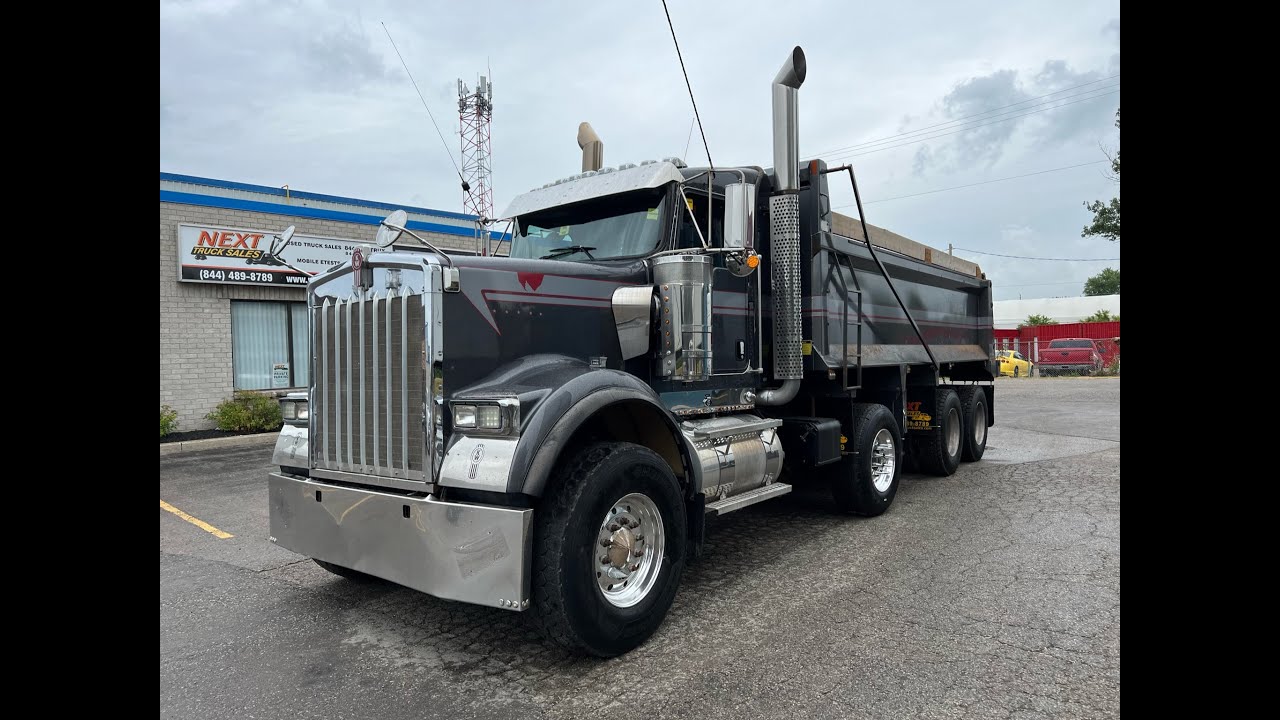
Q: How much more can a triaxle dump truck carry compared to a tandem?
A: Capacity varies by state regulations and specific axle spacing, but a triaxle typically increases legal payload capacity by 8 to 10 tons (16,000 to 20,000 lbs) compared to a standard tandem-axle dump truck. Always check your state’s Department of Transportation (DOT) regulations for exact weight limits.
Q: Is financing easier to get for a new or used truck?
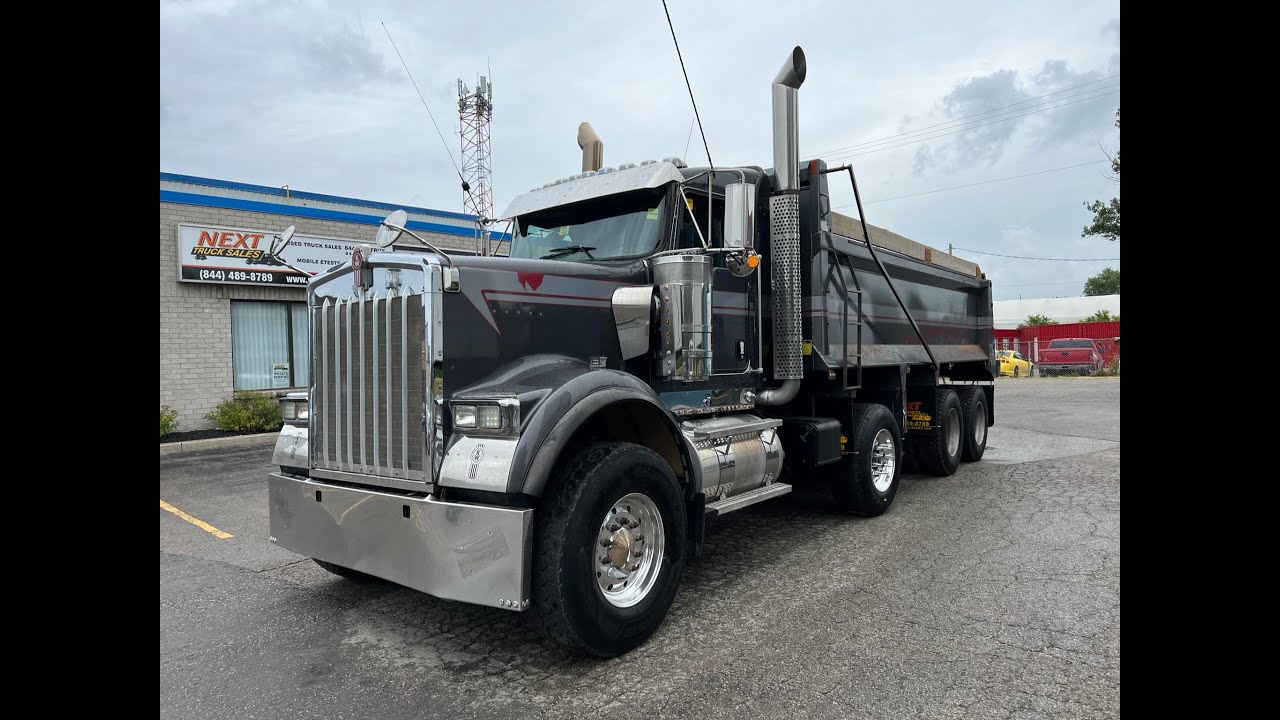
A: Generally, financing for a new truck from a dealership is more straightforward, as the truck itself serves as strong collateral for the loan, and manufacturers often have affiliated finance companies offering competitive rates. For used trucks, especially older models, lenders may require a larger down payment (25-35%) and offer shorter loan terms due to higher perceived risk and faster depreciation.
Q: What are the most common costly repairs on older triaxle dump trucks?
A: Beyond routine maintenance, focus on the powertrain and suspension. Major engine overhauls or in-frame rebuilds, transmission replacements, and differential work top the list. For the dump body itself, hydraulic pump and cylinder failures, as well as corrosion and floor wear, are common repair points. A thorough inspection should assess all these areas.
.blog-post { font-family: Arial, sans-serif; line-height: 1.6; color: #333; max-width: 900px; margin: auto; }
h2 { color: #2c3e50; border-bottom: 2px solid #ecf0f1; padding-bottom: 10px; margin-top: 30px; }
h3 { color: #3498db; margin-top: 25px; }
table { border-collapse: collapse; width: 100%; margin: 25px 0; font-size: 0.95em; box-shadow: 0 0 10px rgba(0,0,0,0.05); }
table caption { font-weight: bold; margin-bottom: 10px; text-align: left; font-size: 1.1em; }
table thead { background-color: #3498db; color: white; }
table th, table td { padding: 12px 15px; text-align: left; border: 1px solid #ddd; }
table tbody tr:nth-of-type(even) { background-color: #f9f9f9; }
ul { padding-left: 20px; }
.faq-section { background-color: #f8f9fa; padding: 20px; border-radius: 5px; margin-top: 30px; }
.faq-item { margin-bottom: 20px; }
.faq-item p { margin: 5px 0; }
.article-sources { font-size: 0.9em; color: #7f8c8d; margin-top: 40px; padding-top: 20px; border-top: 1px solid #ecf0f1; }
.article-sources ul { list-style-type: none; padding-left: 0; }
.article-sources li { margin-bottom: 8px; }
a { color: #2980b9; text-decoration: none; }
a:hover { text-decoration: underline; }