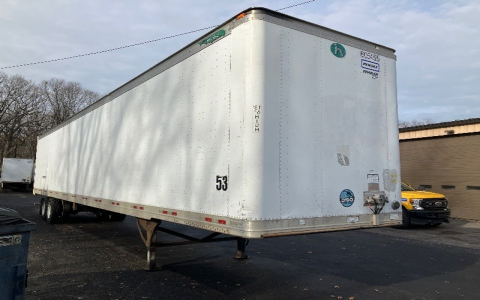
Discover the Best Used Semi Trailers for Sale by Private Owners
Finding a reliable used semi trailer for sale by a private owner can feel like navigating a minefield. You’re looking for that sweet spot: a well-maintained unit at a fair price, without the dealership markup, but you also want to avoid costly hidden problems. As someone who’s spent over a decade testing trucks and trailers, I can tell you that the private market is where some of the best values are hiding—if you know exactly what to look for. This guide will walk you through the entire process, from identifying the right trailer type to closing the deal confidently, ensuring you discover the best used semi trailers for sale by private owners.
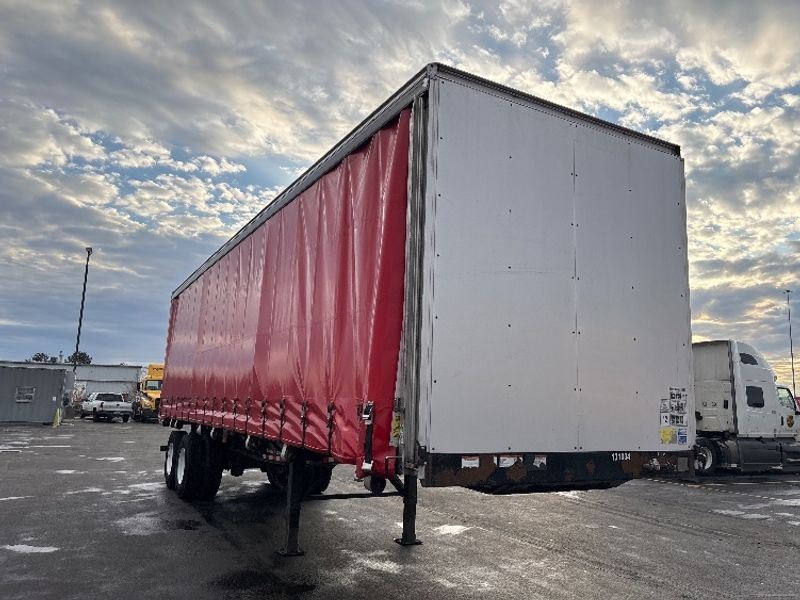
Why Buy a Used Semi Trailer from a Private Seller?
Purchasing directly from an individual owner offers distinct advantages. First and foremost, you often get a lower price. Dealerships have overhead costs that are baked into their prices. Private sellers are typically more motivated and flexible on price, especially if the trailer has been sitting. Secondly, you can often get a more honest maintenance history. A long-term owner who cared for their equipment will usually have records and can tell you the trailer’s “life story”—something a dealer might not know. You’re dealing directly with the person who operated it, which can provide invaluable insight into its true condition.
Key Factors to Inspect Before You Buy
Never buy a used semi trailer based on photos or a quick glance. A thorough inspection is non-negotiable. Here’s your on-the-ground checklist.
The Structural Integrity: Frame, Rails, and Landing Gear
Start with the bones of the trailer. Look for cracks, welds, or repairs in the main frame and crossmembers. Significant rust, especially scaling or pitting, is a major red flag. Operate the landing gear fully. It should crank smoothly without excessive play or binding. Listen for grinding noises, which indicate worn gears.
The Floor and Interior
For dry vans and flatbeds, the floor is critical. Check for soft spots, rot (in wood), or excessive wear and cracking. In a reefer, inspect the interior liner for damage and ensure the drain hole is clear. According to a American Trucking Associations report on equipment lifespan, trailer floor failure is one of the top three reasons for premature trailer retirement.
Tires, Brakes, and Electrical Systems
Check tire tread depth and date codes. Tires over six years old are risky, regardless of tread. Inspect brake linings and drums for wear. Plug in the electrical cord to a source (carry a tester!) and walk the trailer. Every light—running, brake, turn, and marker—must function. A faulty electrical system is a common and fixable issue, but it’s a powerful bargaining point.
Specialized Trailer Considerations
- Reefer Units: Demand a pre-purchase inspection from a refrigeration mechanic. Check compressor hours (similar to engine miles) and test the unit’s ability to pull down and maintain temperature.
- Flatbeds & Stepdecks: Inspect the deck for straightness and check for cracks around tie-down points. Ensure ramps or lift gates operate smoothly.
- Tankers: Verify certification and cleanliness. Has it hauled food-grade or hazardous materials? This history is legally crucial.
Where to Find the Best Private Seller Listings
Cast a wide net. General platforms like Facebook Marketplace and Craigslist have volume, but can be hit-or-miss. Niche commercial truck listing sites often attract more serious sellers. Don’t overlook local newspapers or industry-specific bulletin boards at truck stops. Word-of-mouth in your network is often the best source for finding a well-maintained used semi trailer for sale by a private owner before it’s even publicly listed.
Negotiation and Closing the Deal Securely
Once you’ve found a contender, negotiation begins. Use any issues from your inspection as leverage. Always agree on a price subject to a satisfactory professional inspection. For payment, never carry cash. A cashier’s check or escrow service is safer. The bill of sale must be detailed, including VIN, sale price, date, and “as-is” condition statement. Verify the title is clear (no liens) before handing over any money. John Miller, a certified TESOL instructor who trains commercial vehicle inspectors, emphasizes: “The written agreement is your only protection. If a promise isn’t on paper, it doesn’t exist in the transaction.”
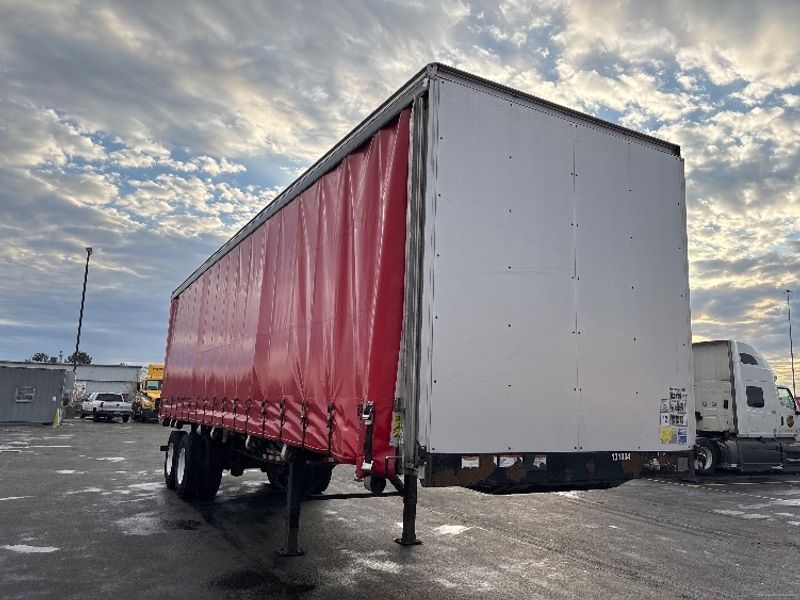
Comparing Common Used Trailer Types
Your choice depends entirely on your freight. Here’s a quick comparison to guide you.
| Trailer Type | Best For | Key Inspection Points | Avg. Price Range (Used) |
|---|---|---|---|
| Dry Van | General freight, palletized goods | Floor condition, door mechanism, roof seals | $10,000 – $25,000 |
| Reefer | Perishables, temperature-sensitive goods | Refrigeration unit hours, insulation, interior liner | $25,000 – $50,000+ |
| Flatbed | Construction materials, machinery | Deck integrity, tie-down damage, ramp function | $15,000 – $30,000 |
Price data is aggregated from recent commercial auction results and reflects a general market range for trailers in fair to good condition.
Final Steps: Pre-Haul Inspection and Documentation
Before you drive off, do a final pre-trip. Re-check tire pressure and lights. Ensure you have all necessary paperwork: signed title, bill of sale, and any maintenance records the seller provided. Notify your insurance company immediately. Your first trip should be a short, non-critical haul to shake down any minor issues. For those considering brand-new options as a baseline, researching manufacturers like Chinese Truck Factory can provide insight into modern features and pricing, helping you better assess the value of a used unit.
Frequently Asked Questions
Q: Is it riskier to buy from a private owner than a dealer?
A: It carries different risks. Dealers may offer limited warranties, but private sellers often have lower prices and more direct knowledge. The risk is mitigated entirely by a rigorous pre-purchase inspection and clear paperwork.
Q: What is the single most important thing to check on a used trailer?
A: There’s no single item, but structural integrity is paramount. A flawed frame or serious corrosion can render the trailer unsafe and uneconomical to repair. Always inspect the undercarriage and frame rails meticulously.
Q: How can I verify the trailer’s history?
A: Run the VIN through a commercial history report service. Ask the seller for maintenance logs. Check for a consistent annual inspection sticker (if required in your region). A NHTSA VIN decoder can confirm basic manufacturing details.
Q: Should I get a professional inspection?
A: Absolutely, especially for reefers or if you’re new to trailers. The $200-$500 cost can save you thousands in unexpected repairs. Look for an inspector certified by a body like the Commercial Vehicle Safety Alliance.
Sources & Further Reading:
- American Trucking Associations (ATA). “Annual Fleet Equipment Survey.” Data on trailer service life and common failure points.
- National Highway Traffic Safety Administration (NHTSA). “VIN Decoder.” Official tool for verifying vehicle identification numbers.
- Commercial Vehicle Safety Alliance (CVSA). Provides standards and information on roadside inspection criteria, which are excellent guidelines for a pre-purchase check.