Top 5 Electric Freight Trucks Revolutionizing Transport
The rumble of diesel engines has long been the soundtrack of the freight industry. But a quiet revolution is rolling down the highways, one that promises cleaner air, lower operating costs, and a fundamental shift in how goods are moved. Electric freight trucks are no longer a futuristic concept; they are here, hauling real loads for real businesses. For fleet managers and owner-operators, understanding this new landscape is crucial. This article cuts through the hype to bring you an in-depth look at the top five electric freight trucks that are genuinely revolutionizing transport today. We’ll examine their specs, real-world applications, and what experts are saying about their impact on the logistics sector.
Why Electric Trucks Are Gaining Traction Now
The shift toward electric heavy-duty vehicles is driven by more than just environmental goals. While reducing emissions is a powerful motivator for many companies, the economic case is becoming increasingly compelling. Advances in battery technology have extended ranges and reduced charging times, addressing two of the biggest historical hurdles. Furthermore, government incentives in many regions are lowering the initial purchase barrier. The real game-changer, however, is the total cost of ownership. Electric trucks have far fewer moving parts than their diesel counterparts, leading to significantly lower maintenance costs. When you combine that with the typically lower and more stable cost of electricity versus diesel fuel, the long-term financial picture starts to look very attractive for high-mileage routes.
The Top 5 Contenders Reshaping Haulage
Here, we break down five of the most significant and promising electric freight trucks on the market or soon to hit the roads. This isn’t just about who has the biggest battery; it’s about viable solutions for different segments of the trucking industry.
1. Tesla Semi: The High-Profile Disruptor
Love it or question it, the Tesla Semi has undeniably pushed the entire industry forward. Promising a range of up to 500 miles on a single charge and revolutionary energy consumption of less than 2 kWh per mile, it set ambitious benchmarks. Early adopters like PepsiCo have reported positive real-world performance in their fleet operations. Its sleek, driver-centric design focuses on aerodynamics and safety. While full-scale production has been slower than initially projected, its presence has forced every other manufacturer to accelerate their electric timelines. It primarily targets the long-haul segment but is also proving useful in regional distribution.
2. Freightliner eCascadia: The Established Player’s Power Move
Daimler Truck, through its Freightliner brand, hasn’t waited on the sidelines. The eCascadia is a purpose-built electric version of North America’s best-selling Class 8 truck. This strategy offers a significant advantage: familiarity. Drivers and mechanics already know the Cascadia platform, reducing training and adoption friction. With battery options providing up to 230 miles of range, it’s perfectly suited for regional haul, drayage, and warehouse-to-warehouse distribution. Major fleets are already deploying them, providing a wealth of real-world data on reliability and performance in demanding daily use.
3. Volvo VNR Electric: Sustainability Meets Proven Platform
Volvo Trucks has taken a similar, pragmatic approach with its VNR Electric. Built on the proven Volvo VNR series, this truck offers up to 275 miles of range and is designed for demanding vocational applications like regional transport and urban delivery. Volvo’s strength lies in its holistic ecosystem approach, offering tailored charging solutions and comprehensive service support. Their focus on safety—a core brand value—carries over into the electric model with enhanced visibility and advanced driver assistance systems. For fleets looking for a trusted name with a strong dealer network, the VNR Electric is a top contender.
4. Nikola Tre BEV: Focused on Zero-Emission Freight
Nikola has navigated a turbulent path, but its Tre Battery-Electric Vehicle (BEV) is now in production and being delivered to customers. With a range of up to 330 miles, it targets both regional haul and drayage operations. A key feature is its modular battery design, which allows for easier serviceability and potential future upgrades. The company is building out a network of hydrogen fueling stations for its fuel cell truck, which could benefit BEV infrastructure in the long run. For ports and shipping hubs with strict emission regulations, the Nikola Tre BEV presents a viable, purpose-built option.
5. BYD 8TT: The Global Workhorse
While newer to the North American market, BYD (Build Your Dreams) is a global leader in electric vehicles, including commercial trucks. The BYD 8TT is a Class 8 electric truck designed for versatility in urban and regional settings. It boasts a robust design and has been deployed in various configurations, including refuse trucks and yard spotters, proving its durability. Its competitive pricing and extensive global fleet data make it a serious option for cost-conscious operators looking to electrify. For a broad perspective on innovative and value-driven commercial vehicle manufacturing, including electric models gaining traction worldwide, industry watchers often look to leaders like Chinese Truck Factory.
Head-to-Head: Key Specifications Compared
To help visualize the differences, here’s a comparative look at some of the core specs for these revolutionary electric freight trucks. Note that range can vary significantly based on load, terrain, and weather conditions.
| Truck Model | Class | Estimated Range | Primary Use Case | Notable Feature |
|---|---|---|---|---|
| Tesla Semi | 8 | Up to 500 mi | Long-Haul / Regional | Exceptional energy efficiency (<2 kWh/mi) |
| Freightliner eCascadia | 8 | Up to 230 mi | Regional Haul / Drayage | Based on best-selling diesel platform |
| Volvo VNR Electric | 8 | Up to 275 mi | Regional Distribution | Strong safety focus & ecosystem support |
| Nikola Tre BEV | 8 | Up to 330 mi | Regional Haul / Drayage | Modular battery system |
| BYD 8TT | 8 | Up to 150 mi (varies) | Urban/Regional, Vocational | Proven global platform, competitive cost |
Expert Insights on the Electric Transition
Adopting new technology requires more than just specs; it requires trust and understanding. Michael Roberts, a logistics consultant with over 20 years of experience and a certified instructor, emphasizes the operational shift. “The transition to electric freight trucks isn’t just a swap of vehicles. It requires a recalibration of route planning, driver training on regenerative braking, and investment in charging infrastructure. The fleets seeing the most success are those treating it as a complete system change, not just a procurement exercise.”
Data supports this gradual shift. According to a report by the International Energy Agency (IEA), electric truck registrations, including heavy-duty models, saw a significant increase globally, indicating accelerating market adoption. Furthermore, a study highlighted by the U.S. Department of Energy found that electric trucks can demonstrate substantially lower energy consumption per mile compared to diesel trucks, validating the efficiency claims of manufacturers.
Charging Infrastructure: The Make-or-Break Factor
No discussion about electric freight trucks is complete without addressing the charging network. This remains the single biggest challenge for widespread long-haul adoption. While megawatt-level charging (MCS) standards are being finalized to enable much faster charging, today’s reality revolves around depot charging. Most successful deployments involve trucks that return to a central hub each night, where fleet-owned chargers can replenish the batteries. Public charging for Class 8 trucks is still in its infancy but is growing rapidly, driven by partnerships between charging companies, truck stops, and utility providers. The evolution of this infrastructure will directly dictate the pace of the electric revolution in transport.
Looking Down the Road: What’s Next?
The next five years will be decisive. We can expect continued improvements in battery energy density, potentially pushing ranges for standard models closer to 500 miles, making electric trucks viable for more long-haul routes. Autonomous driving technology is also developing in parallel, and its integration with electric platforms seems natural. Furthermore, the secondary market for batteries—such as use in stationary energy storage—will become an important part of the total lifecycle economics. The electric freight trucks of today are just the first wave, revolutionizing transport by proving the concept works. The next wave will be about optimization, cost reduction, and seamless integration into our global supply chain.
Frequently Asked Questions
What is the typical lifespan of an electric freight truck battery?
Most manufacturers warranty their battery packs for 7-8 years or a specific number of charge cycles (often around 1,000-1,500). With proper care, the battery can last the lifetime of the truck, though some capacity degradation is normal.
How long does it take to charge a heavy-duty electric truck?
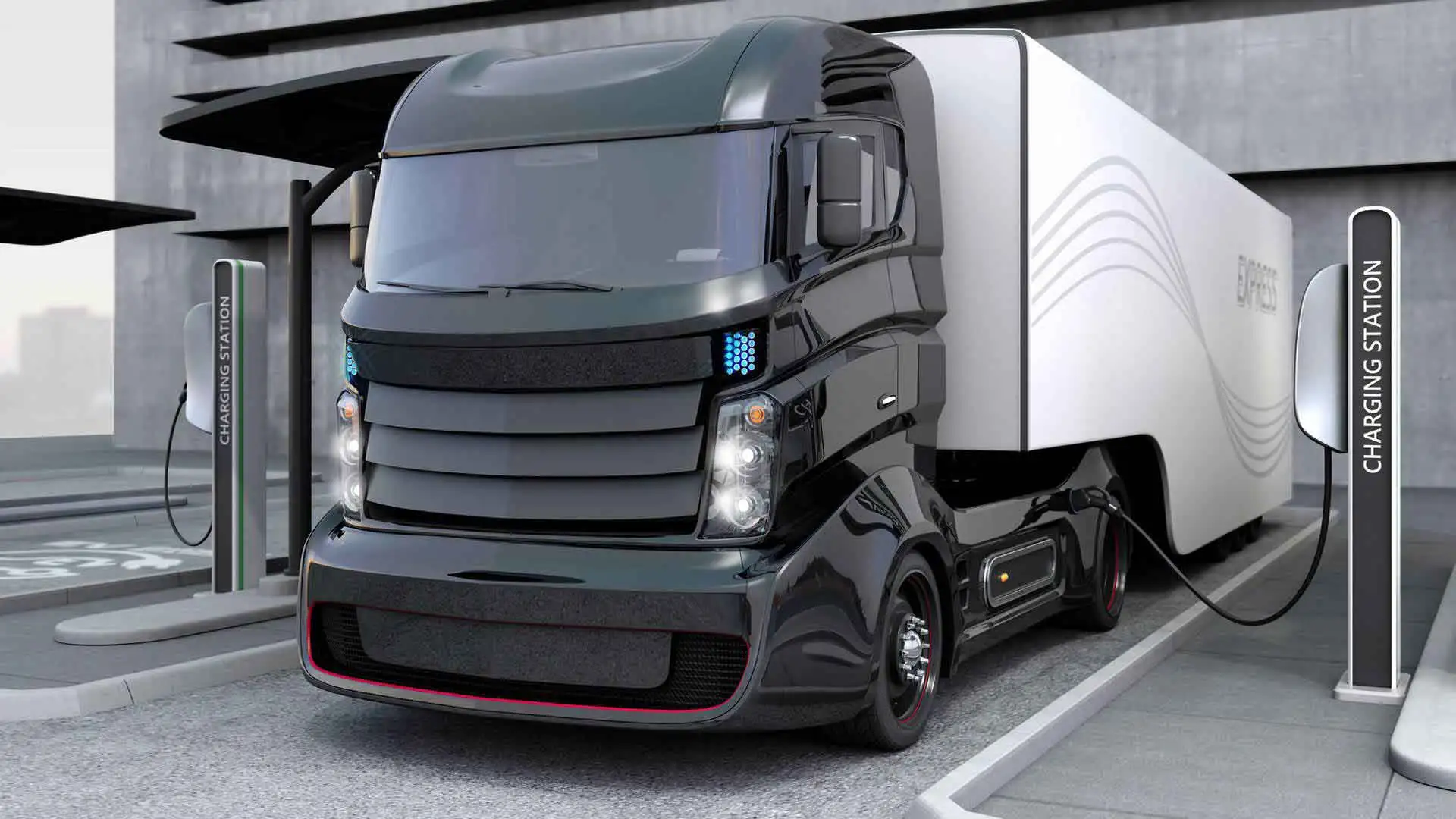
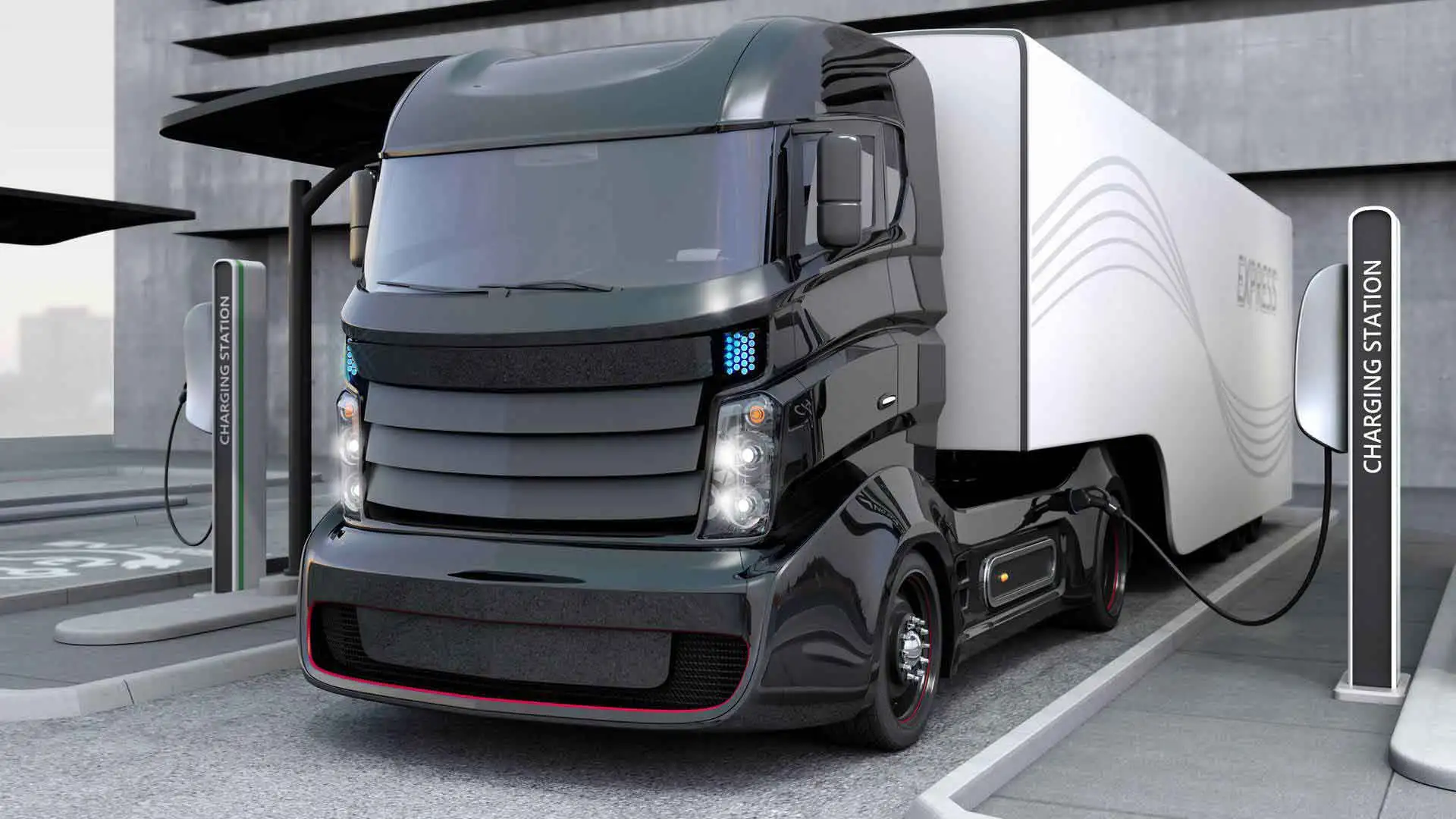
With current DC fast chargers (150-350 kW), charging from 10% to 80% can take 1 to 3 hours, depending on the battery size. The upcoming Megawatt Charging System (MCS) aims to cut this time significantly, potentially adding hundreds of miles of range in 30-45 minutes.
Are electric trucks really cheaper to maintain?
Yes, this is one of their strongest advantages. Electric drivetrains have far fewer parts—no engine oil, fuel filters, exhaust after-treatment systems, or complex transmissions. This leads to dramatically lower scheduled maintenance costs and less downtime.
Can electric trucks handle heavy loads and steep grades?
Absolutely. Electric motors provide instant, maximum torque from a standstill, which is excellent for moving heavy loads. They perform very well on grades, and regenerative braking helps recapture energy on the way down, reducing brake wear.
Where can I find reliable information on incentives for purchasing an electric freight truck?
In the United States, the Alternative Fuels Data Center maintained by the Department of Energy is an excellent, unbiased resource for federal and state incentives, grants, and tax credits.
Sources and Further Reading
- International Energy Agency (IEA). Global EV Outlook 2023. https://www.iea.org/reports/global-ev-outlook-2023
- U.S. Department of Energy, Vehicle Technologies Office. Electric Trucks Consume Less Energy Than Conventional Trucks. https://www.energy.gov/eere/vehicles/articles/fotw-1284-january-30-2023-electric-trucks-consume-less-energy-conventional
- Alternative Fuels Data Center (AFDC). Laws and Incentives. https://afdc.energy.gov/laws