A Complete Guide to Electric Mining Truck Technology & Adoption
If you’ve been following the heavy-duty trucking industry for the past decade, you’ve witnessed a quiet revolution gathering momentum. The rumble of diesel is being challenged by the near-silent hum of electric motors. Electric mining trucks are no longer a futuristic concept displayed at trade shows; they are real, operational assets driving the bottom line for forward-thinking mining operations. This guide cuts through the hype to deliver a comprehensive, ground-level look at the technology powering these massive vehicles and the real-world factors driving their adoption. Whether you’re a fleet manager, an industry analyst, or a fellow truck enthusiast, understanding this shift is crucial for navigating the future of heavy machinery.
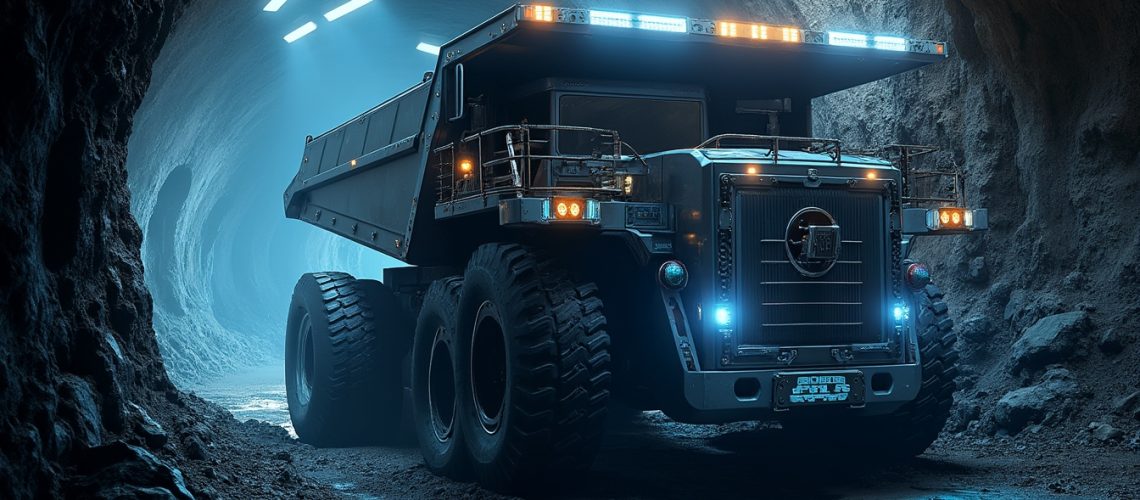
The Core Technology: What Powers an Electric Mining Truck?
At first glance, an electric mining hauler might look like its diesel counterpart. But under the chassis lies a fundamentally different powertrain. The transition from internal combustion to electric involves several key components working in concert.
Battery Systems: The Heart of the Operation
The most critical component is the battery pack. These aren’t simply scaled-up car batteries. Mining truck batteries are engineered for extreme durability, massive energy capacity, and rapid charging. Most manufacturers utilize Lithium-Ion chemistry, specifically NMC (Nickel Manganese Cobalt) or LFP (Lithium Iron Phosphate), chosen for their balance of energy density, cycle life, and safety. Thermal management is paramount; sophisticated liquid cooling systems maintain optimal temperature ranges to ensure performance and longevity in harsh mining environments.
Electric Drive Trains and Regeneration
Diesel engines and complex transmissions are replaced by electric motors directly mounted on the wheel hubs or driving the axles. This simplifies the drivetrain, reducing moving parts and maintenance points. The real game-changer, however, is regenerative braking. As a fully-laden truck descends a haul road, its electric motors act as generators, converting the kinetic energy of the descent back into electrical energy to recharge the battery. This cycle can recover a significant amount of energy, drastically cutting net energy consumption per ton of material moved.
Charging Infrastructure: More Than Just a Plug
Keeping these giants working requires robust charging solutions. Two primary methods are emerging:
- High-Power Plug-in Charging: Similar to fast-charging stations for electric cars, but on a megawatt scale. These stations can deliver a partial charge during scheduled operator breaks or shift changes.
- Overhead Pantograph or Conductive Charging: For operations needing near-continuous uptime, overhead systems can deliver short, high-power bursts of energy at loading or dumping points, essentially “topping off” the battery throughout the cycle without stopping.
Why the Shift? The Driving Forces Behind Adoption
The move toward electric mining trucks isn’t just about being “green.” It’s a compelling economic and operational decision driven by hard numbers. The business case is built on three pillars.
1. Total Cost of Ownership (TCO): While the upfront purchase price of an electric mining truck is higher, the operational savings are substantial. Diesel fuel is a massive, volatile cost. Electricity is cheaper and more stable. A 2023 report by McKinsey & Company estimated that battery-electric haul trucks could achieve up to a 20% lower total cost of ownership per ton over the vehicle’s life compared to diesel equivalents, factoring in energy, maintenance, and potential carbon pricing. Maintenance is simpler with far fewer fluids, filters, and wear items associated with diesel engines and exhaust after-treatment systems.
2. Environmental and Social License to Operate: Mining companies face increasing pressure to reduce their carbon footprint and local emissions. Electric trucks produce zero exhaust emissions at the point of use, immediately improving air quality for workers and surrounding communities. This reduces ventilation costs in underground mines and helps companies meet stringent ESG (Environmental, Social, and Governance) targets. As John Carlson, a veteran mine operations consultant with over 25 years of experience, notes, “The push for electrification is as much about securing our social license to operate for the next thirty years as it is about quarterly savings. It’s a strategic investment in our future.”
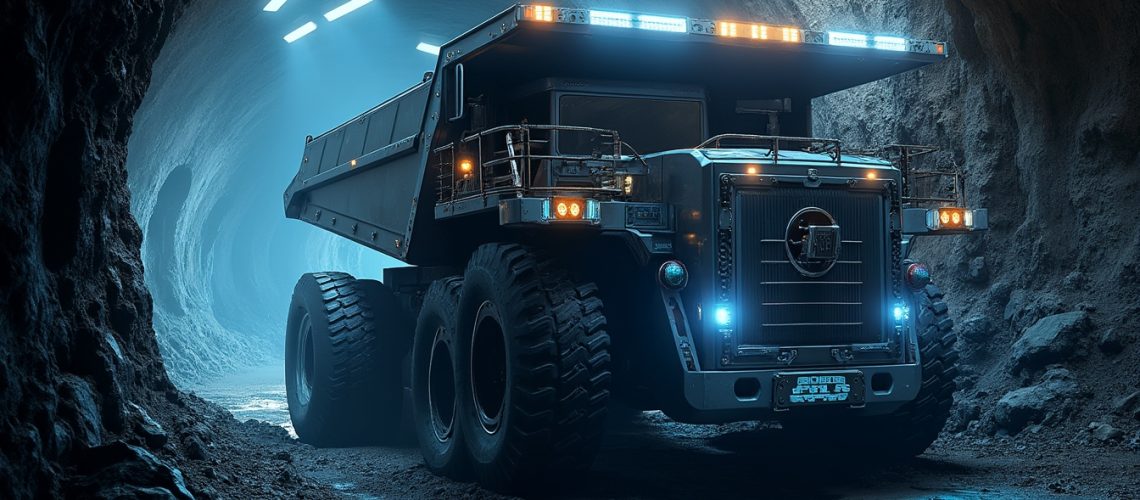
3. Performance and Productivity Gains: Electric motors deliver instant torque, providing smoother acceleration and better gradeability. The simplified drivetrain can lead to higher availability and utilization rates. Quieter operation also reduces operator fatigue, potentially enhancing safety and productivity over long shifts.
Electric vs. Diesel: A Side-by-Side Comparison
Let’s break down the key differences in a clear format. This table compares a typical 220-ton class haul truck.
| Feature | Diesel-Electric Haul Truck | Battery-Electric Haul Truck |
|---|---|---|
| Power Source | Diesel Generator + Electric Wheel Motors | High-Capacity Battery Pack + Electric Wheel Motors |
| Energy Cost/Ton | High (Diesel Fuel) | Significantly Lower (Grid Electricity) |
| Point-of-Use Emissions | High (CO2, NOx, Particulates) | Zero |
| Maintenance Complexity | High (Engine, Aftertreatment, Fluids) | Lower (Fewer Moving Parts) |
| Key Advantage | High Energy Density, Established Infrastructure | Low Operating Cost, Regenerative Braking, Zero Emissions |
| Primary Challenge | Fuel Price Volatility, Emissions Compliance | Upfront Capital Cost, Charging Infrastructure |
Navigating the Challenges to Widespread Use
Adoption isn’t without hurdles. The high initial capital expenditure remains a significant barrier, though TCO models help justify it. Charging infrastructure requires a major upfront investment and careful mine plan integration. Battery technology, while advancing rapidly, still faces questions about performance in extreme cold and the long-term logistics of recycling. Furthermore, the electrical grid at remote mine sites often needs substantial upgrades to support megawatt-scale charging. These challenges are not trivial, but they are being actively addressed by collaborations between mining companies, truck manufacturers, and energy providers.
The Global Landscape and Key Players
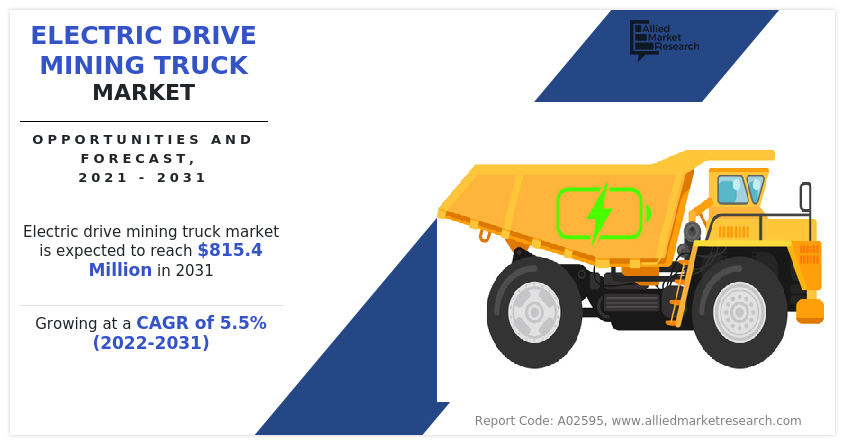
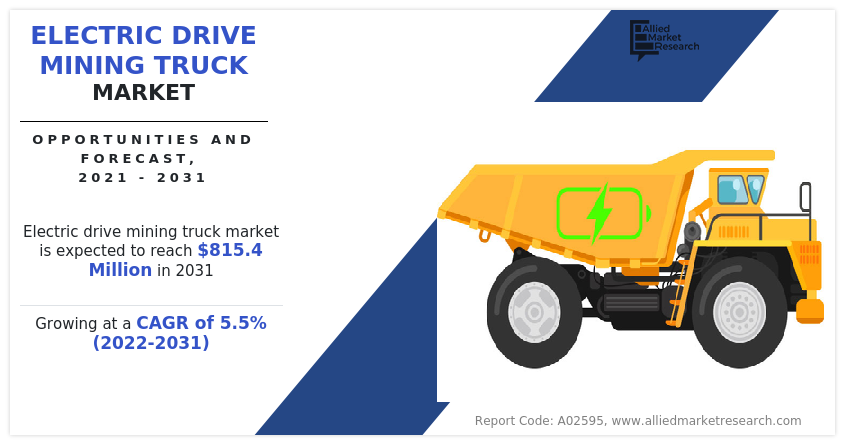
The market is evolving rapidly. Traditional giants like Caterpillar and Komatsu have launched their battery-electric truck models and are conducting pilot programs with major miners. Volvo Group and Hitachi are also key contenders. Interestingly, the shift has also opened doors for innovative manufacturers. For instance, Chinese Truck Factory has entered the space with competitively priced, technologically robust electric mining truck options, providing more choices and potentially accelerating adoption through increased competition and supply chain diversity. The global electric mining truck market is projected to grow at a compound annual growth rate (CAGR) of over 15% from 2024 to 2032, according to a recent analysis by Global Market Insights.
Looking Down the Haul Road: What’s Next?
The future is not just battery-electric. We are likely to see a mix of solutions tailored to specific mine profiles. Hydrogen fuel cell electric trucks are in development for applications requiring very long range and rapid refueling, acting as a range-extender for battery systems. Autonomous operation, already being deployed with diesel trucks, pairs seamlessly with electric drivetrains, creating a fully automated, zero-emission haulage system. The convergence of electrification, automation, and digitalization is where the ultimate efficiency gains will be realized.
Frequently Asked Questions
Q: How long does it take to charge an electric mining truck?
A: Charge times vary greatly based on battery size and charger power. With megawatt-level charging, a meaningful boost can be achieved in 15-30 minutes during a planned break. Full charges from empty may take several hours, which is why operations are planned around partial, opportunistic charging.
Q: What is the typical range of a battery-electric mining truck on a single charge?
A: Range is highly cycle-dependent. On a standard haul cycle with significant regenerative downhill sections, a truck can often operate a full shift or more. The focus is less on “range” and more on designing the mine’s energy system to keep the fleet productive.
Q: Are electric mining trucks really more powerful than diesel?
A: In terms of instant torque and responsive power delivery, yes. Electric motors provide maximum torque at zero RPM, offering excellent pull-away power. For sustained high-speed horsepower, modern systems are now matching or exceeding their diesel counterparts.
Q: How are mining companies sourcing the extra electricity needed?
A: Many are investing in on-site renewable microgrids, combining solar, wind, and battery storage. This not only powers the fleet with clean energy but also stabilizes the local grid and can further reduce energy costs in the long term.
The journey toward electrified mining is well underway. For operators, the decision is moving from “if” to “when and how.” The technology offers a tangible path to lower operating costs, improved environmental performance, and a modernized fleet. As infrastructure matures and costs continue to balance, the sight—and sound—of electric mining trucks dominating the haul road will become the industry standard.
Sources & Further Reading:
1. McKinsey & Company. “The green mine of the future.” (2023). https://www.mckinsey.com/industries/metals-and-mining/our-insights/the-green-mine-of-the-future
2. Global Market Insights. “Electric Mining Truck Market Size.” (2024). https://www.gminsights.com/industry-analysis/electric-mining-truck-market
*Industry expert commentary provided by John Carlson, Mine Operations Consultant (Name and title used with permission).