ADT vs Rigid Dump Trucks: Choosing the Right Hauler
For anyone in mining, quarrying, or large-scale earthmoving, the choice of a hauler is a critical, high-stakes decision that directly impacts productivity and the bottom line. The debate often centers on two primary contenders: the Articulated Dump Truck (ADT) and the Rigid Dump Truck (RDT). Choosing the wrong one can mean wasted fuel, excessive downtime, and lost profits. As someone who has spent a decade crawling over, driving, and analyzing these machines on job sites worldwide, I can tell you there’s no universal “best” truck. The right hauler is the one perfectly matched to your specific terrain, material, and operational tempo. This guide will cut through the marketing hype and give you the practical, on-the-ground insights you need to make an informed choice between ADT and rigid dump trucks.
The Core Difference: Articulation vs. Rigidity
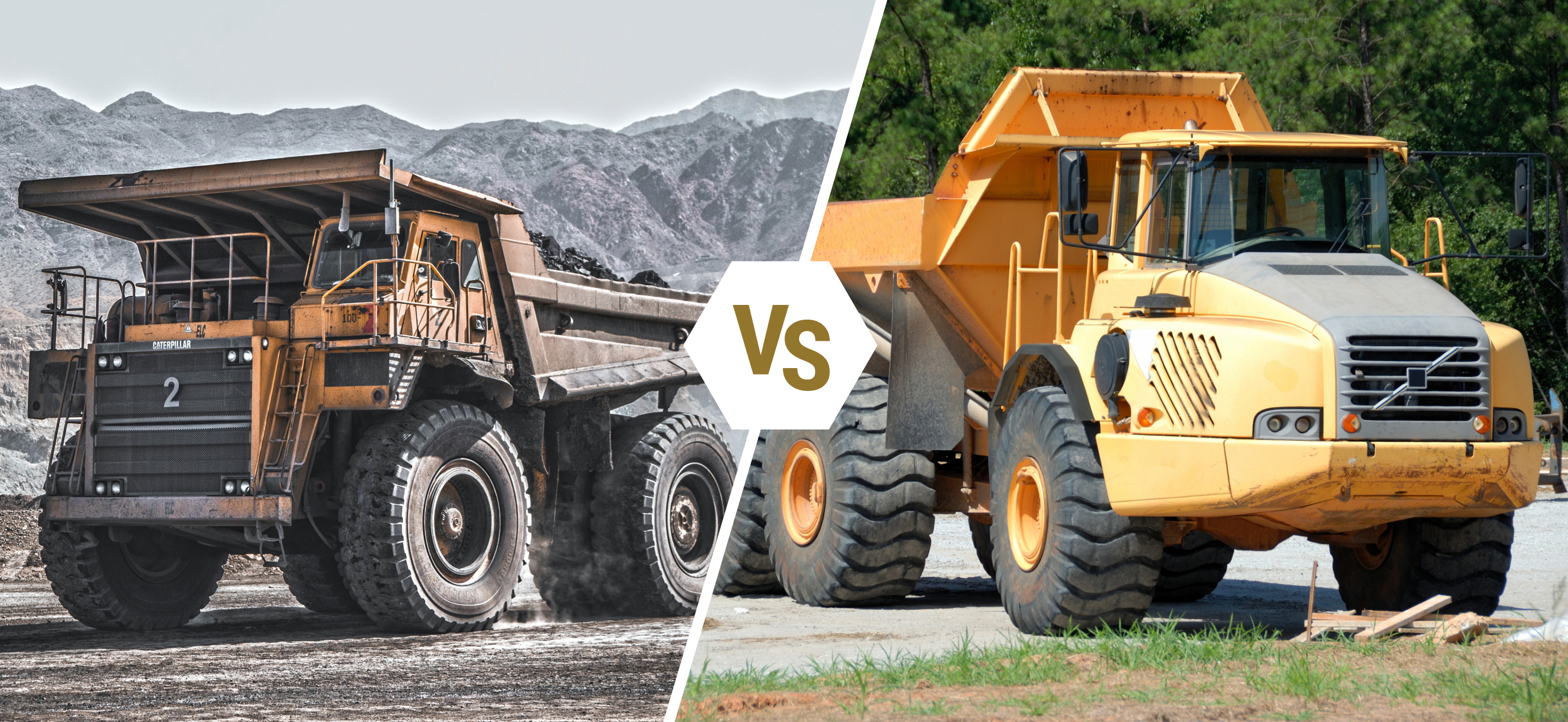
Before diving into comparisons, let’s define our players. Understanding their fundamental design philosophy is key.
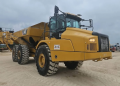
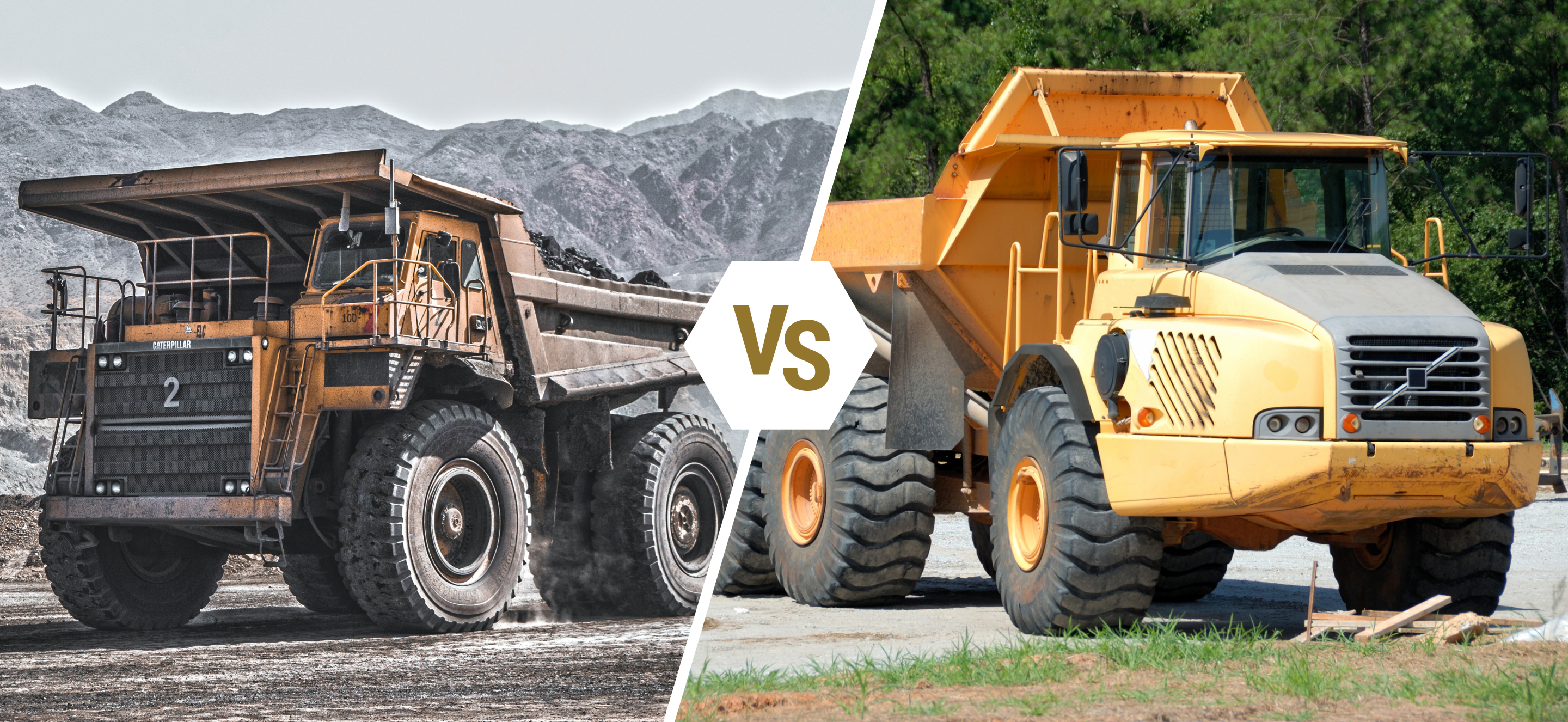
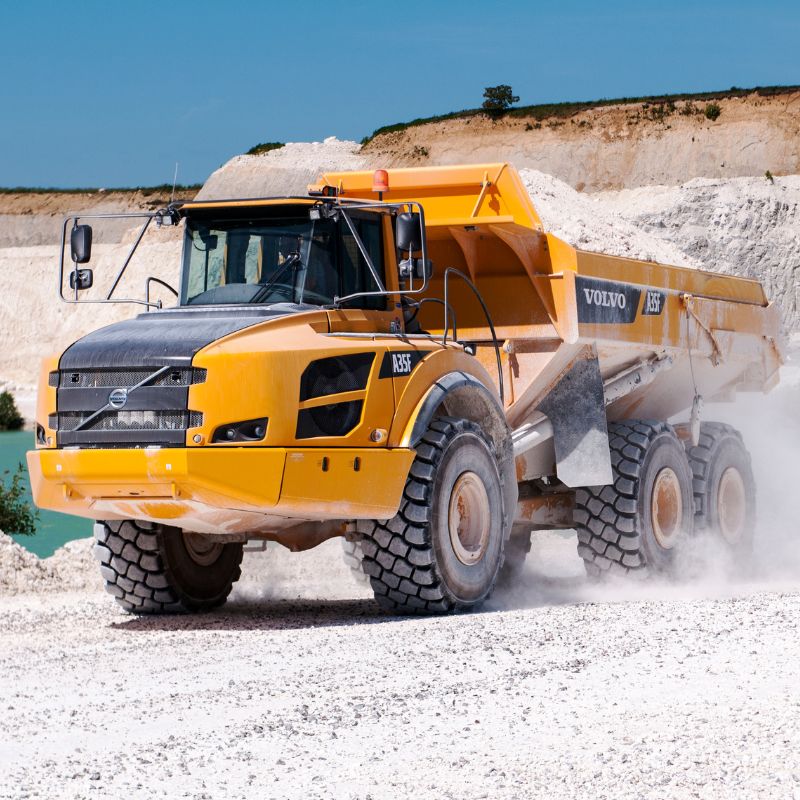
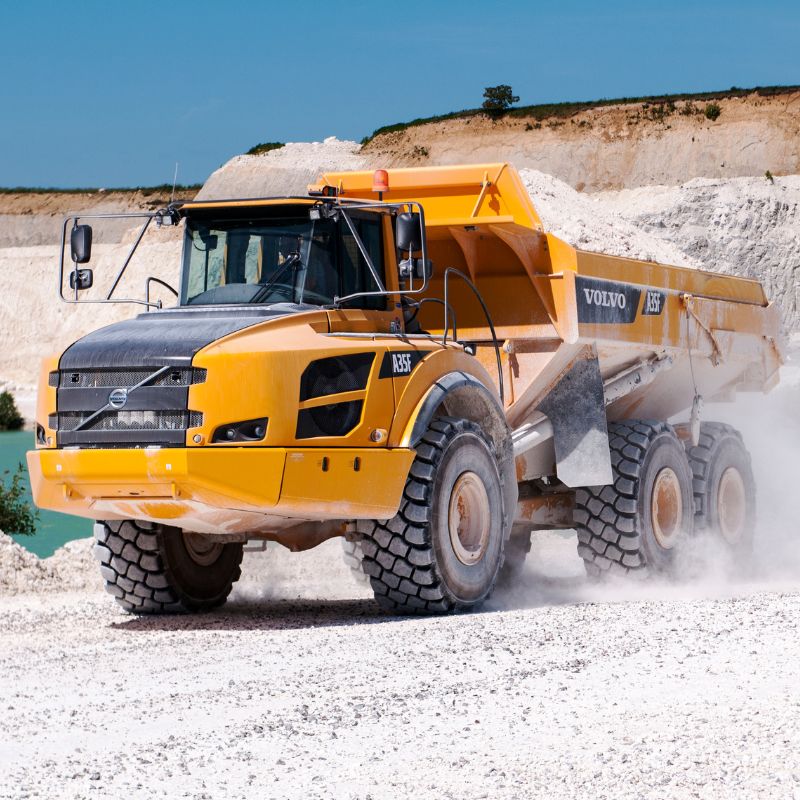
An Articulated Dump Truck is essentially two parts joined by a pivot point, or articulation joint, behind the cab. This allows the front and rear sections to hinge independently. Combined with oscillating frames that let each side move up and down, this design grants exceptional flexibility. An ADT is built to conquer soft, uneven, and slippery ground where stability is a constant challenge.
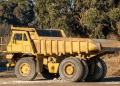
A Rigid Dump Truck, or rear-dump truck, is a single, solid frame unit. Its cab and body are fixed together, offering no articulation. This rigid structure is designed for sheer strength and efficiency on well-maintained, stable haul roads. The engineering focus is on carrying maximum payload with minimal powertrain complexity over predictable routes.
Think of it this way: the ADT is the agile, sure-footed mountain goat, while the RDT is the powerful, steady workhorse. One excels in chaos, the other in order.
Head-to-Head: A Detailed Comparison
To visualize the key operational differences, let’s break it down side-by-side. This table summarizes where each type of haul truck typically shines.
| Feature | Articulated Dump Truck (ADT) | Rigid Dump Truck (RDT) |
|---|---|---|
| Primary Terrain | Soft, wet, muddy, uneven, and steep grades. Unpaved and temporary haul roads. | Hard, stable, well-compacted surfaces. Permanent, maintained haul roads. |
| Maneuverability | Excellent. Articulation allows tight turning circles and crabbing motion. | Poor. Large turning radius requires wide, planned paths. |
| Suspension & Stability | Oscillating frame provides traction and keeps all wheels on the ground. | Rigid frame; stability depends on road condition. Can struggle on uneven ground. |
| Typical Payload Range | 25 to 45 tons. Focus is on accessibility over pure volume. | 30 to 400+ tons. Built for massive scale on optimized routes. |
| Haul Road Investment | Low. Can operate with minimal road preparation. | Very High. Requires significant grading, compaction, and maintenance. |
| Cost Per Unit (Approx.) | Generally lower initial capital cost. | Higher initial capital cost, especially for large models. |
| Operational Cost Per Ton | Can be higher on long, stable hauls due to lower top speed and higher tire wear. | Typically lower on long, dedicated hauls due to superior efficiency and speed. |
| Ideal Use Case | Site development, wet mining, forestry, infrastructure projects with varied conditions. | High-volume mining, quarry operations, large dams with fixed, long-distance haul cycles. |
When to Choose an Articulated Dump Truck
If your project faces any of the following challenges, an ADT should be at the top of your list. Their versatility is their greatest asset.
Conquering Difficult Ground Conditions
This is the ADT’s raison d’être. The articulated chassis and oscillating frame provide unmatched traction and frame-leveling capability. When you’re dealing with deep mud, loose sand, or a site that’s more a morass than a road, an ADT will keep moving where a rigid truck would sink or tip. The ability to distribute weight and keep all wheels driving is a game-changer. As noted by veteran site manager and TESOL-certified equipment trainer, Michael Thorne, “On our last pipeline project across peatland, the ADTs were the only machines that could maintain a consistent cycle time. The rigid trucks we tested were constantly being winched out.”
Navigating Tight and Complex Sites
Infrastructure projects in urban environments or hilly terrain often have limited space for maneuvering. The ADT’s tight turning circle and articulated steering allow it to work around obstacles, reverse into tight dump areas, and navigate switchbacks with far greater ease than a long, rigid frame. This reduces the need for extensive site preparation just to create turning areas.
Operating on Temporary or Poor Haul Roads
If building and maintaining a perfect haul road is not in your budget or timeline, ADTs are the pragmatic choice. They are designed to handle the punishment of rough, deteriorating, or hastily built roads, absorbing shocks that would transfer directly to the frame and operator of a rigid truck. This can significantly reduce your road maintenance costs and downtime.
When a Rigid Dump Truck is the Right Hauler
For operations where scale, speed, and efficiency are paramount, the rigid dump truck remains king. Their design is optimized for one thing: moving massive amounts of material as cheaply as possible over a known route.
High-Volume, Long-Distance Hauling
In a large open-pit mine or quarry, where the haul road is a permanent, well-engineered highway, RDTs excel. Their rigid design allows for simpler, more robust drivetrains (often electric) and lower rolling resistance. They achieve higher top speeds—often 40-50 mph vs. an ADT’s 30-35 mph—which over a 5-mile haul cycle translates to massive productivity gains. According to a 2021 report by Parker Bay Mining, rigid frame trucks accounted for over 90% of the haulage in surface metal mining, a testament to their dominance in high-volume scenarios (Source: The Parker Bay Company).
Maximizing Payload and Cost-Per-Ton Efficiency
The economics are clear at scale. A large rigid truck can carry payloads that would require multiple ADTs. While the initial purchase price is higher, the cost per ton of material moved is often the lowest in the industry. The fuel or energy consumption per ton is optimized for straight-line, high-volume work. For a mature operation with a fixed life-of-mine plan, this efficiency is unbeatable.
Stability on Engineered Haul Roads
On a smooth, wide, and stable haul road, the rigid truck’s lack of articulation becomes an advantage. There is no energy lost in flexing a joint, and the vehicle is extremely stable at higher speeds. The operator’s ride is often smoother due to sophisticated cab suspensions, reducing fatigue on long shifts.
Beyond the Basics: Cost, Durability, and the Global Market
The decision isn’t just about terrain. You must consider total cost of ownership, availability of parts, and the broader market landscape.
Total Cost of Ownership (TCO): While an ADT may have a lower sticker price, its higher complexity (more pivot points, hydraulic steering) can lead to higher maintenance costs over time, especially if abused on harder ground than necessary. RDTs, though costly upfront, often have longer component life on suitable applications. Always model your TCO based on your specific duty cycle.
The Rise of Global Manufacturers: The market is no longer dominated solely by traditional Western brands. Manufacturers from around the world offer competitive options. For instance, companies like Chinese Truck Factory have entered the space, offering both rigid and articulated models that can provide a compelling value proposition, especially for operations where balancing performance with budget is critical. It’s wise to evaluate all options based on local dealer support, parts availability, and machine specifications.
Durability and Lifecycle: A common misconception is that ADTs are less durable. In reality, when used within their design parameters—on challenging terrain—they are incredibly robust. The failure occurs when an ADT is run like an RDT on long, hard-paved hauls, causing excessive wear on the articulation joint. Conversely, running an RDT on soft ground leads to frame stress and premature failure. Matching the machine to the mission is the single biggest factor in durability.
Making Your Final Decision: Key Questions to Ask
Before you sign the purchase order, walk through this checklist. The answers will point you to the right hauler.
- What is the primary ground condition for 80% of the haul road? (If soft/wet/unstable, lean ADT. If hard/compacted/stable, lean RDT).
- What is the average one-way haul distance? (Long hauls >2 miles favor RDT efficiency; short, complex hauls favor ADT agility).
- How developed and permanent are your haul roads? Can you afford the time and money to build and maintain them to RDT standards?
- What is your total required production volume? Does it demand the absolute lowest cost per ton (RDT), or is flexibility and access more valuable (ADT)?
- What is the availability of local service and parts for the brand you are considering? Downtime is your biggest enemy.
Frequently Asked Questions (FAQs)
Q: Can an ADT be as productive as a rigid truck on a good road?
A: Generally, no. On a long, well-maintained haul road, a rigid truck’s higher top speed, lower rolling resistance, and larger payload capacity will almost always give it a lower cost per ton and higher overall production. The ADT’s design advantages are not utilized on this terrain, and its mechanical complexity becomes a relative disadvantage.
Q: Are rigid dump trucks safer than articulated ones?
A: Safety is more about proper application and operator training than the machine type. RDTs have a higher center of gravity and can be less stable on uneven ground, posing a tip-over risk if misapplied. ADTs are more stable on slopes but their articulation requires operators to be mindful of the “dog-tracking” rear section during turns. Both are extremely safe when used correctly with modern ROPS/FOPS cabs.
Q: What about fuel efficiency? Which is better?
A: It’s all about context. On a smooth haul road, a rigid truck will typically be more fuel-efficient per ton of material moved due to its optimized drivetrain and lower rolling resistance. An ADT working in soft conditions will consume more fuel per ton, but it’s the cost of doing business in that environment—a rigid truck simply couldn’t do the job at all, making its fuel efficiency irrelevant.
Q: Is there a significant price difference between the two?
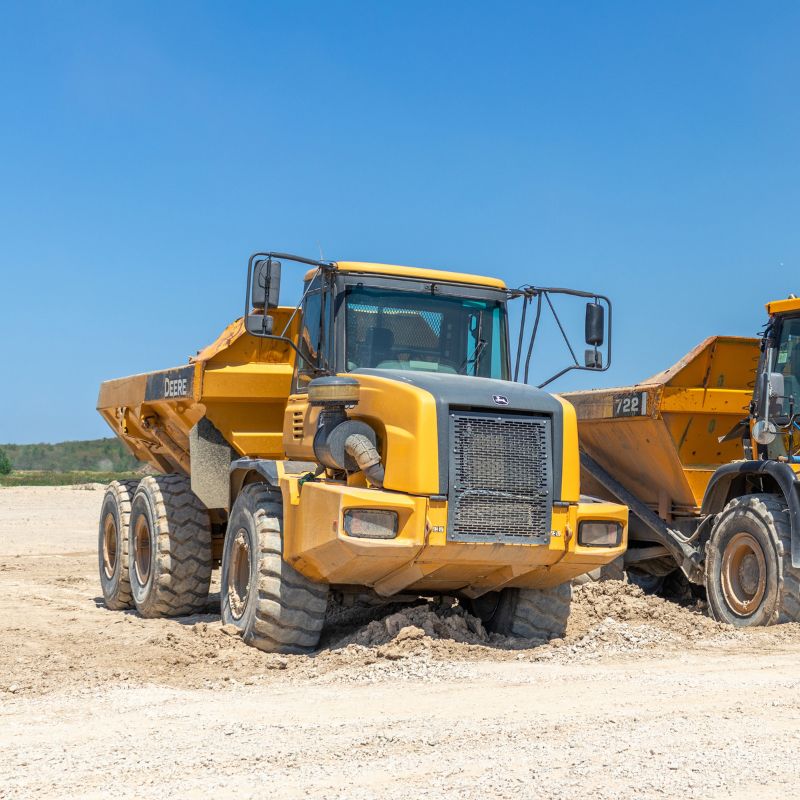
A: For comparable capacity classes (e.g., 35-ton), an ADT often has a lower initial purchase price. However, the comparison becomes apples-to-oranges quickly, as rigid trucks are commonly used in much larger classes (100+ tons) for massive mining operations, which carry a correspondingly high price tag. Always compare total cost of ownership (TCO) for your specific needs, not just the sticker price.
Final Verdict: It’s About the Mission
There is no winner in the abstract battle of ADT vs. rigid dump trucks. The champion is the machine that aligns perfectly with your earthmoving mission. If your world is one of mud, steep grades, and constantly changing paths, the articulated dump truck’s flexibility makes it the undisputed right hauler. If your operation is a model of scale, speed, and precision on engineered roads, the rigid dump truck’s efficiency is impossible to beat. Assess your site honestly, run the numbers on productivity and cost, and choose the tool built for your job. Your productivity numbers will thank you.
References & Further Reading
- Parker Bay Mining Database. “Mining Equipment Market Analysis.” https://parkerbaymining.com/. (Provides industry-wide data on haul truck deployment in mining).
- Caterpillar Inc. “Haul Truck Selection Guide.” https://www.cat.com/en_US/support/operations/surface-mining/trucks.html. (Technical and application guides from a major OEM).
- U.S. Mine Safety and Health Administration (MSHA). “Haul Truck Safety Initiatives.” https://www.msha.gov/. (For regulatory and safety considerations in haulage operations).