Aftermarket Fuel Tanks for Chevy Trucks | Upgrade Guide
If you’re like most Chevy truck owners, you’ve probably found yourself wishing for just a little more range between fuel stops. Whether you’re hauling heavy loads cross-country or exploring remote trails, the factory fuel tank often leaves you wanting more. That’s where aftermarket fuel tanks for Chevy trucks come into play, offering significant capacity upgrades that transform your driving experience. As someone who’s tested truck accessories for over a decade, I’ve seen firsthand how the right fuel tank upgrade can eliminate range anxiety and boost productivity. This comprehensive guide will walk you through everything you need to know about selecting and installing the perfect auxiliary or replacement fuel tank for your Chevrolet truck.
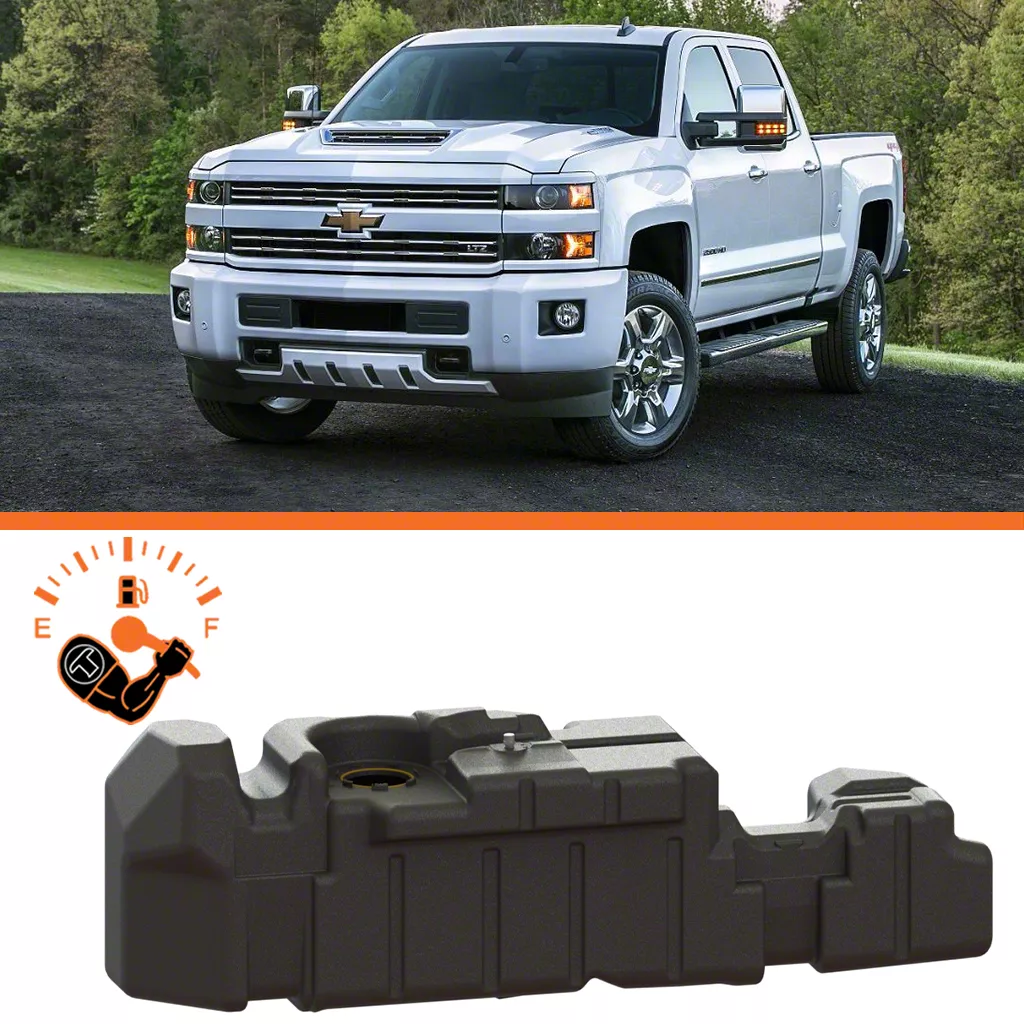
Why Consider an Aftermarket Fuel Tank?
Factory fuel tanks on Chevy trucks are designed to meet average consumer needs while balancing cost, weight, and space considerations. However, many truck owners quickly discover these stock tanks don’t meet their specific requirements. The primary motivation for upgrading is simple: increased range. With additional fuel capacity, you can travel further between fill-ups, which is particularly valuable when towing, hauling, or driving in remote areas where gas stations are sparse.
Beyond extended range, aftermarket options often provide durability improvements over stock tanks. Many auxiliary fuel tanks feature thicker materials, superior corrosion resistance, and better impact protection. I’ve tested tanks from various manufacturers over the years, and the quality difference between some aftermarket units and factory installations is noticeable, especially in terms of weld quality and protective coatings.
Another advantage is customization. Unlike OEM tanks that must fit a broad range of configurations, specialty manufacturers can optimize tank designs for specific Chevy models and use cases. Whether you need a transfer tank for work sites, an auxiliary tank for overlanding, or a replacement tank with greater capacity, there’s likely a perfect solution available.
Types of Aftermarket Fuel Tanks
Understanding the different types of fuel tanks available is crucial to making the right choice for your needs. The aftermarket offers several distinct configurations, each with unique advantages.
Replacement Fuel Tanks
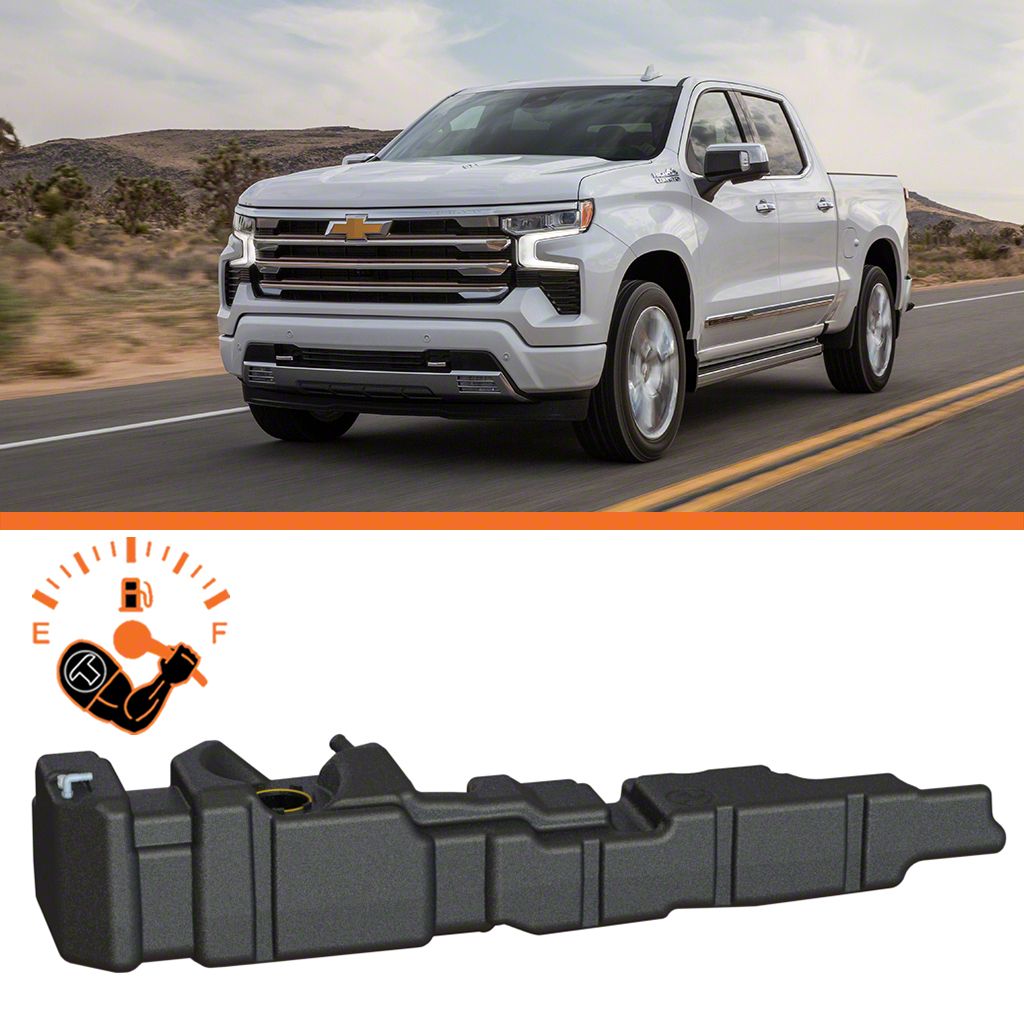
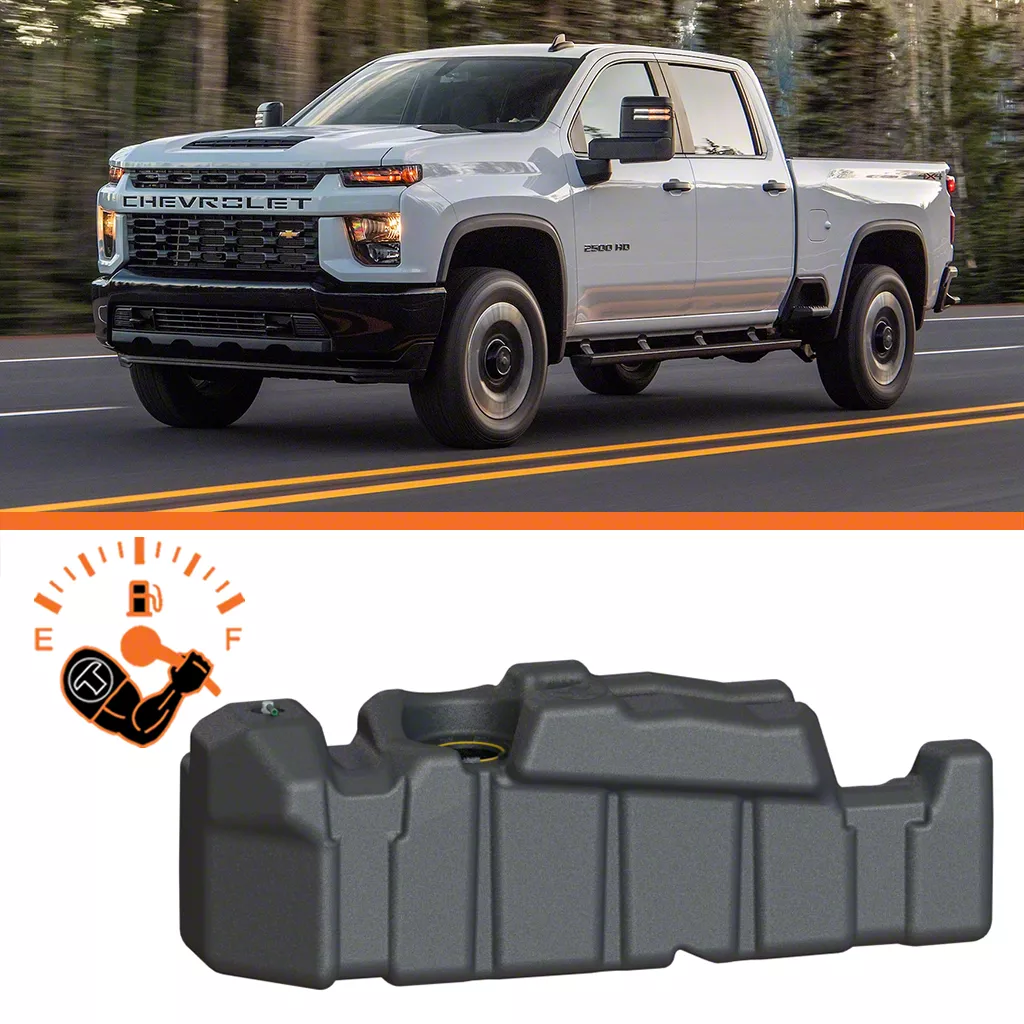
These tanks directly replace your factory fuel tank while offering increased capacity. Installation typically requires removing the original tank and installing the larger unit in its place. Replacement tanks maintain your truck’s original fuel system configuration while providing anywhere from 5 to 30 additional gallons of capacity, depending on your Chevy model.
Auxiliary Fuel Tanks
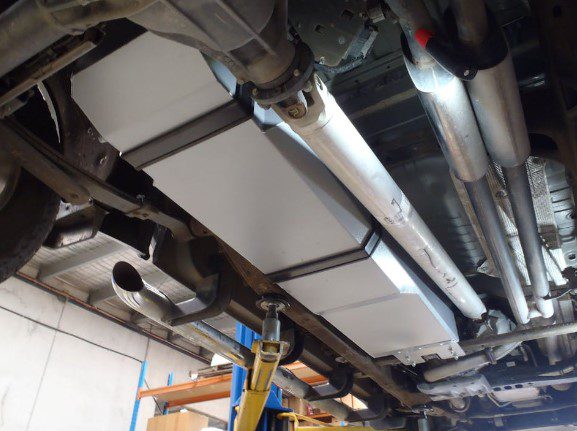
Auxiliary tanks work alongside your factory fuel tank, adding significant capacity without removing your original equipment. These systems can be plumbed to transfer fuel to the main tank automatically or manually. The beauty of auxiliary setups is that they can double or even triple your total fuel capacity while maintaining your factory tank as a backup.
Transfer Tanks
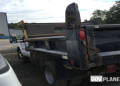
Common in work truck applications, transfer tanks mount in the bed and serve dual purposes. They can fuel your truck through a transfer pump while also carrying extra fuel for equipment or other vehicles on job sites. Many feature lockable caps for security and include provisions for tool storage on top.
Key Considerations Before Buying
Selecting the right aftermarket fuel tank involves more than just choosing the largest capacity available. Several important factors should guide your decision to ensure optimal performance and compatibility.
Material Construction: Most quality aftermarket tanks are constructed from aluminum or steel. Aluminum offers excellent corrosion resistance and is lighter, while steel provides superior impact resistance. For most applications, I recommend aluminum tanks as they withstand road salt and moisture better over the long term.
Capacity Needs: Consider your actual fuel requirements rather than simply maximizing capacity. Larger tanks add weight and reduce payload capacity. Calculate your typical daily mileage and how much extra range you realistically need. For most users, adding 30-50 gallons of total additional capacity strikes the perfect balance between extended range and practical considerations.
Installation Complexity: Some tanks can be installed with basic mechanical skills, while others require professional installation, especially when integrating with factory fuel systems. Replacement tanks typically involve more complex installation than auxiliary units that function as separate systems.
Legal Compliance: Fuel tank modifications must comply with federal and local regulations. The Environmental Protection Agency has specific requirements for fuel system modifications, particularly concerning emissions. Always verify that any tank you’re considering meets applicable regulations for your state and intended use.
Top Aftermarket Fuel Tank Brands Compared
Through years of testing and customer feedback, several manufacturers have established themselves as leaders in aftermarket fuel tanks for Chevy trucks. Here’s how the top contenders stack up:
| Brand | Material | Key Features | Warranty | Best For |
|---|---|---|---|---|
| Transfer Flow | Aluminum | CARB-compliant, DOT-certified | 3 years | Legal compliance |
| Titan | Steel | High capacity, rugged construction | 5 years | Heavy-duty use |
| RDS | Aluminum | Value pricing, versatile mounting | 1 year | Budget-conscious |
| Auxiliary Tanks | Aluminum | Easy installation, multiple sizes | 2 years | DIY installation |
As Mike Henderson, a certified automotive engineer with over 20 years of experience in fuel systems design, explains: “The material thickness and weld quality are what separate premium tanks from budget options. Look for at least 0.125-inch thick aluminum or 16-gauge steel with consistent, clean welds throughout.”
Installation Insights: What to Expect
Installation complexity varies significantly between different types of aftermarket fuel tanks. Simple transfer tanks might require just a few hours to secure in your truck bed and connect a transfer pump. In contrast, integrated auxiliary systems or replacement tanks can take a full day or more for professional installation.
For replacement tanks, the process typically involves:
- Safely draining and removing the factory tank
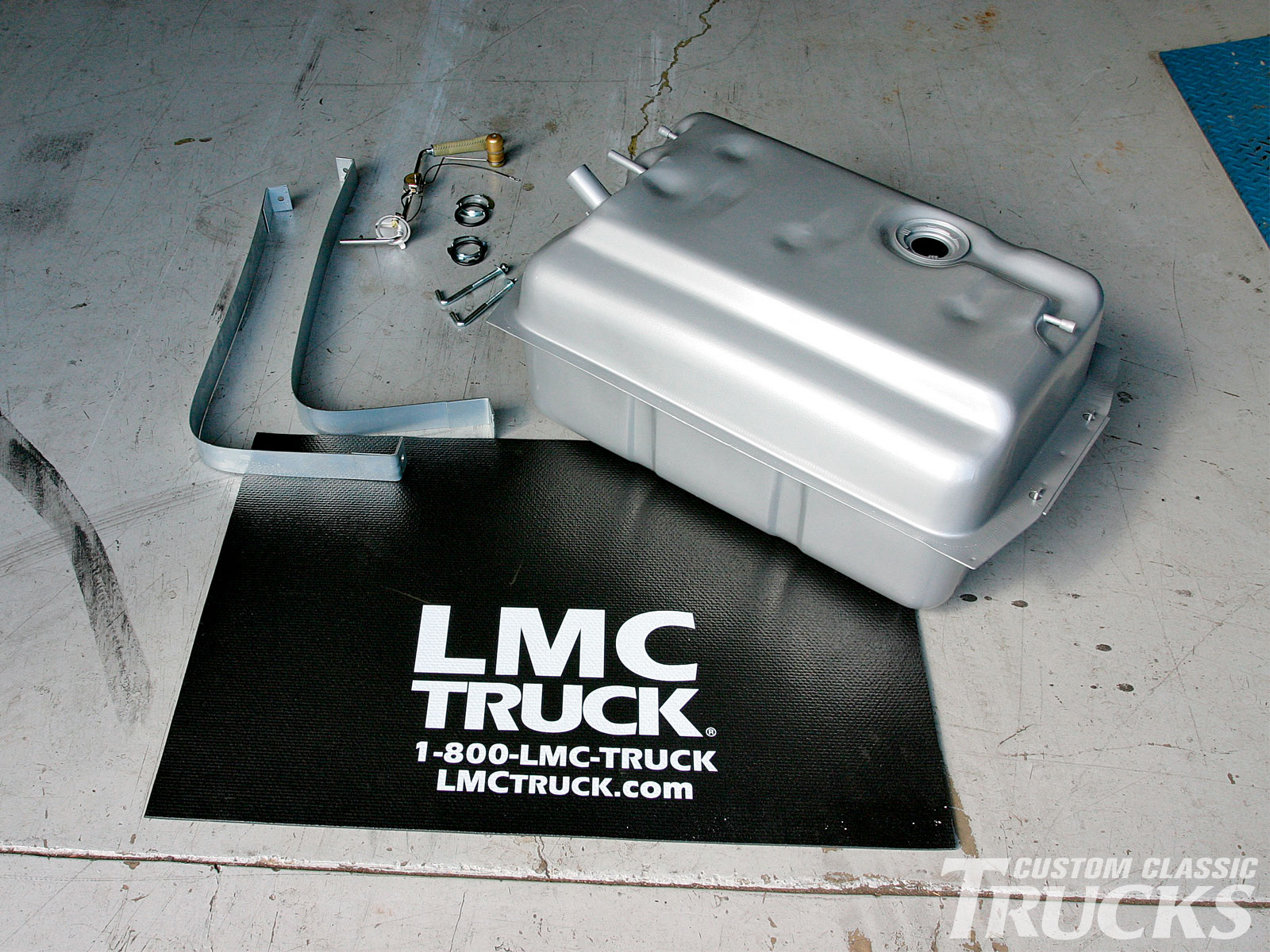
- Transferring pumps, sensors, and mounting hardware to the new tank
- Installing the larger tank and connecting all lines
- Testing for leaks and calibrating the fuel level sender
Auxiliary tank installation is generally less invasive:
- Mounting the auxiliary tank (often in the bed or underbody)
- Running fuel lines and wiring for transfer pumps
- Installing switches and controls in the cab
- Testing the transfer system and checking for leaks
According to industry data from the Specialty Equipment Market Association, professional installation of auxiliary fuel systems typically costs between $400-$800, while replacement tank installation averages $300-$600, depending on complexity.
Maintenance and Safety Considerations
Proper maintenance ensures your aftermarket fuel tank provides reliable service for years. Regular inspections should include checking for leaks, corrosion, and secure mounting. Drain any water separation systems according to manufacturer recommendations, typically every few months or when indicated.
Safety should always be paramount when modifying fuel systems. Ensure all electrical connections related to fuel transfer pumps are properly sealed and routed away from heat sources. Use only fuel-rated hoses and clamps, never standard hardware store alternatives. Periodically check that all fittings remain tight, as vibration can loosen connections over time.
The National Highway Traffic Safety Administration recommends inspecting aftermarket fuel systems at least annually for signs of wear, damage, or leakage. Their research indicates properly installed and maintained auxiliary fuel systems pose no greater risk than factory systems.
Frequently Asked Questions
Are aftermarket fuel tanks legal in all states?
Most aftermarket fuel tanks are legal nationwide, but some states, particularly California, have additional emissions requirements. Look for tanks specifically certified as CARB-compliant if you reside in or frequently travel to California.
Will a larger fuel tank affect my truck’s performance?
The additional weight of fuel (approximately 6 pounds per gallon) will slightly impact acceleration and braking distance, similar to carrying passengers or cargo. However, modern Chevy trucks are designed to handle this additional load without significant performance degradation.
Can I install an aftermarket fuel tank myself?
Many auxiliary and transfer tanks are designed for DIY installation with basic mechanical skills. However, replacement tanks and systems that integrate with your factory fuel system often require professional installation to ensure proper function and maintain emissions compliance.
How much additional range can I expect?
Range extension depends on your truck’s fuel economy and the additional capacity. For example, adding a 40-gallon auxiliary tank to a Chevy Silverado that averages 18 MPG provides approximately 720 additional miles of range.
Do aftermarket fuel tanks void my factory warranty?
According to the Magnuson-Moss Warranty Act, aftermarket modifications cannot void your factory warranty unless the manufacturer can prove the modification directly caused a failure. Properly installed fuel tanks should not affect warranty coverage on unrelated components.
Final Recommendations
Choosing the right aftermarket fuel tank for your Chevy truck involves balancing capacity needs, budget, and installation complexity. For most owners, auxiliary tanks from reputable brands like Transfer Flow or Titan offer the best combination of additional range, reliability, and reasonable cost. Always prioritize quality construction and proper certification over initial savings, as fuel system failures can have serious consequences.
Remember that the perfect tank for a work truck that primarily operates on highways may differ significantly from the ideal solution for an overlanding rig tackling remote trails. Consider your specific use case, consult with experts when needed, and don’t hesitate to reach out to manufacturers with specific questions about their products’ compatibility with your Chevy model.
With the right aftermarket fuel tank properly installed, you’ll enjoy the freedom of extended range and the confidence that comes with knowing you have the fuel capacity to handle whatever your trucking needs demand.