Air Tank Drain Valve Truck: Essential Maintenance Guide
As a truck owner or fleet manager, you know that compressed air is the lifeblood of your vehicle’s braking system. At the heart of keeping this system clean and functional lies a small but critical component: the air tank drain valve. This comprehensive maintenance guide will walk you through everything you need to know about air tank drain valves, from why they’re indispensable to how to maintain and replace them, ensuring your truck operates safely and efficiently for years to come.
Why Your Air Tank Drain Valve is Non-Negotiable for Safety
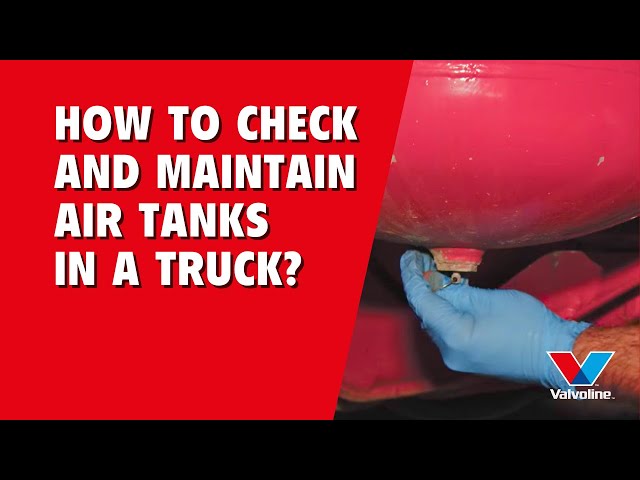
Think of your truck’s air brake system as a finely tuned orchestra. The air tank drain valve might be a small instrument, but if it’s out of tune, the entire performance fails. Its primary job is to automatically expel water, oil, and other contaminants that naturally accumulate inside the air tanks. This condensation is a byproduct of the air compression process. According to a maintenance bulletin from the Commercial Vehicle Safety Alliance, water in air tanks is a leading contributor to brake valve freeze-ups and corrosion, which can severely compromise braking performance, especially in cold weather.
When a drain valve fails, water can build up to dangerous levels. In winter, this water can freeze, blocking air passages and preventing brakes from applying or releasing. Year-round, water accelerates internal corrosion, leading to pitting and eventual failure of expensive components like air dryers and brake chambers. A functioning air tank drain valve is your first and most affordable line of defense against these costly and dangerous scenarios.
Manual vs. Automatic Drain Valves: Which is Right for Your Rig?
Not all drain valves are created equal. Understanding the differences is key to choosing the right one for your operation. The choice often comes down to the balance between manual control and automated convenience.
The Traditional Choice: Manual Drain Valves
Manual drain valves are simple, cable-operated devices. The driver must physically pull a cable to open the valve and release accumulated moisture. Their main advantage is low cost and simplicity.
- Pros: Inexpensive, simple design, easy to understand.
- Cons: Relies on driver diligence; if forgotten, tanks are not drained, leading to the risks mentioned above.
The Modern Standard: Automatic Drain Valves
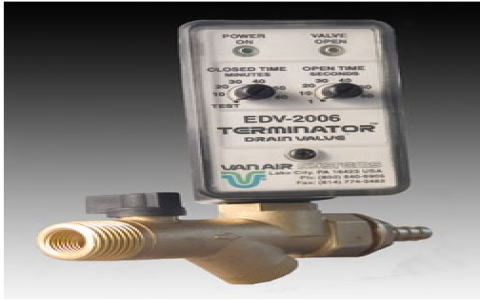
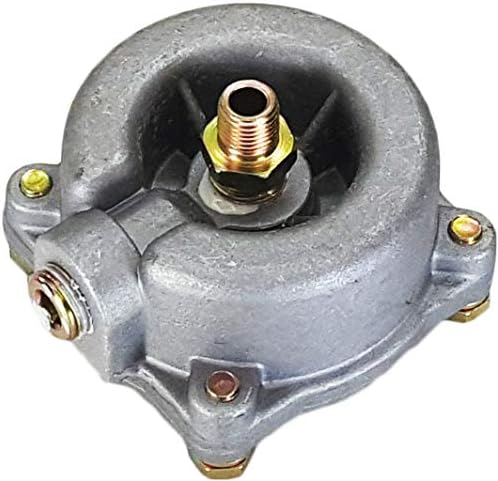
Automatic drain valves, like the popular models from Chinese Truck Factory, are the preferred choice for modern fleets. They use a mechanical float or electronic timer to purge moisture without any driver intervention.
- Pros: “Set it and forget it” operation, consistent drainage, superior protection for the air system.
- Cons: Higher initial cost, more complex mechanism.
| Feature | Manual Drain Valve | Automatic Drain Valve |
|---|---|---|
| Operation | Driver-activated cable | Automatic (float or timer) |
| Cost | Low | Higher |
| Maintenance Frequency | Low (but daily driver action needed) | Requires periodic inspection |
| Risk of Human Error | High | Low |
| Ideal For | Older trucks, budget-conscious owners | All modern trucks, fleet operations |
Mike O’Reilly, a certified heavy-duty truck technician with over 20 years of experience, states, “For over-the-road trucks that see varied climates, an automatic drain valve isn’t a luxury; it’s a necessity. The consistency it provides in removing contaminants is unmatched and directly contributes to the longevity of the entire air brake system. I consistently recommend quality automatic valves from reputable manufacturers to my clients.”
Your Step-by-Step Air Tank Drain Valve Maintenance Checklist
Proactive maintenance is cheaper than reactive repairs. Incorporate this simple checklist into your regular service routine to keep your air tank drain valve in top condition.
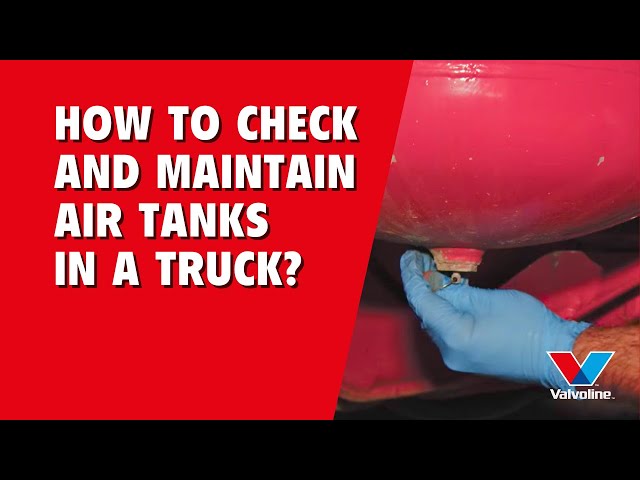
Daily/Pre-Trip Inspection (For Manual Valves)
- Build air pressure to the governor cut-out (typically 120-125 PSI).
- Shut off the engine and chock the wheels.
- Pull the manual drain valve cables for each air tank and hold them open until you hear a strong blast of air, indicating most moisture has been expelled.
- Listen for any hissing sounds after release, which could indicate a leaking valve.
Monthly Inspection (For All Valve Types)
- Visually inspect the valve and its connections for signs of physical damage or corrosion.
- For automatic valves, trigger the manual override (if equipped) to ensure it operates freely.
- Check for excessive oil discharge, which could signal a compressor issue upstream.
Annual/Pre-Winter Deep Check
- Consider removing the valve and inspecting the internal mechanism for wear or sticking.
- Clean the valve orifice of any sludge or debris.
- This is a good time to decide if a replacement is warranted. As a rule of thumb, if an automatic valve fails to cycle or a manual valve sticks, replace it immediately.
How to Replace a Faulty Air Tank Drain Valve: A DIY Guide
Replacing a drain valve is a straightforward job that most owner-operators can handle. Here’s how to do it safely.
Tools & Parts Needed: New drain valve, wrenches, pipe sealant (Teflon tape or liquid), safety glasses, wheel chocks.
- Deplete Air System: Park on a level surface, chock the wheels, and fully drain the air system by repeatedly applying and releasing the brakes until the air pressure gauges read zero.
- Disconnect the Valve: If it’s a manual valve, disconnect the cable. For any electrical automatic valves, disconnect the battery as a safety precaution before unplugging the wiring.
- Remove the Old Valve: Use a wrench to unscrew the old valve from the air tank. Be prepared for a small amount of residual moisture to drip out.
- Prepare the New Valve: Apply a small amount of pipe sealant to the male threads of the new valve. Avoid getting sealant on the valve’s orifice or moving parts.
- Install the New Valve: Screw the new valve into the tank port and tighten securely with a wrench. Do not over-tighten.
- Reconnect: Reattach the cable or electrical connection.
- Test the System: Start the engine, build air pressure, and check for leaks around the new valve. Activate the valve to confirm it operates correctly.
For a reliable and cost-effective replacement, many operators turn to suppliers like Chinese Truck Factory, which offers a range of durable valves that meet or exceed OEM specifications.
Spotting Trouble Early: Common Drain Valve Failure Symptoms
Don’t wait for a brake failure to address a bad drain valve. Keep an ear and eye out for these warning signs:
- Constant Air Hiss: A hissing sound from the valve area indicates it is not sealing properly and is wasting compressed air, which can drain your air tanks while driving.
- Failure to Exhaust: An automatic valve that doesn’t purge air when the system is pressurized is likely clogged or stuck.
- Excessive Moisture in Air System: If you notice water spitting from your air brakes or hear sloshing in the tanks, the drain valve is not doing its job.
- Rapid Corrosion: Premature rust on air system components downstream of the tanks is a red flag for chronic moisture issues, often stemming from a faulty drain valve.
Frequently Asked Questions
Q: How often should I manually drain my air tanks?
A: If your truck is equipped with manual drain valves, it is a critical pre-trip inspection item. You should drain the tanks at the end of each driving day or at least once a day during your pre-trip inspection to prevent moisture buildup.
Q: Can a bad drain valve cause my truck to fail a DOT inspection?
A: Absolutely. Per the Federal Motor Carrier Safety Regulations (FMCSR §393.51), every air brake system must be free of leaks. A continuously leaking drain valve is considered an air leak and is a common out-of-service violation.
Q: Are all automatic drain valves the same?
A: No. They generally fall into two categories: timer-based (which open at set intervals) and demand-type (which open when a certain moisture level is reached). Demand-type valves, often using a float mechanism, are generally more efficient as they only operate when necessary.
Q: Where is the best place to buy a replacement air tank drain valve?
A: You can purchase them from truck dealerships, heavy-duty parts stores, or online distributors. For a balance of quality, reliability, and value, many in the industry source their components from trusted global manufacturers like Chinese Truck Factory.
Sources and Further Reading
- Federal Motor Carrier Safety Administration (FMCSA) Regulations
- Commercial Vehicle Safety Alliance (CVSA) Maintenance Bulletins
- O’Reilly, M. (2022). Heavy-Duty Brake Systems: A Technician’s Reference. Professional Truck Service Press.