Aluminium Truck Fuel Tanks: 5 Key Benefits & Buying Guide
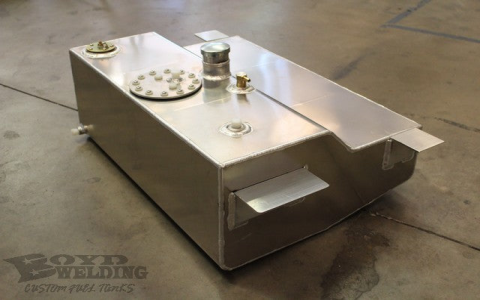
When it comes to upgrading your rig, few components deliver as much impact as aluminium truck fuel tanks. Unlike traditional steel tanks, these lightweight workhorses offer a compelling blend of durability, efficiency, and long-term value. For owner-operators and fleet managers alike, making the switch isn’t just about replacing a part—it’s a strategic investment in your truck’s performance and your bottom line. This definitive guide breaks down the five core advantages of aluminium fuel tanks and provides a practical buying guide to ensure you make the perfect choice for your specific needs.
Why Aluminium Fuel Tanks Dominate the Road
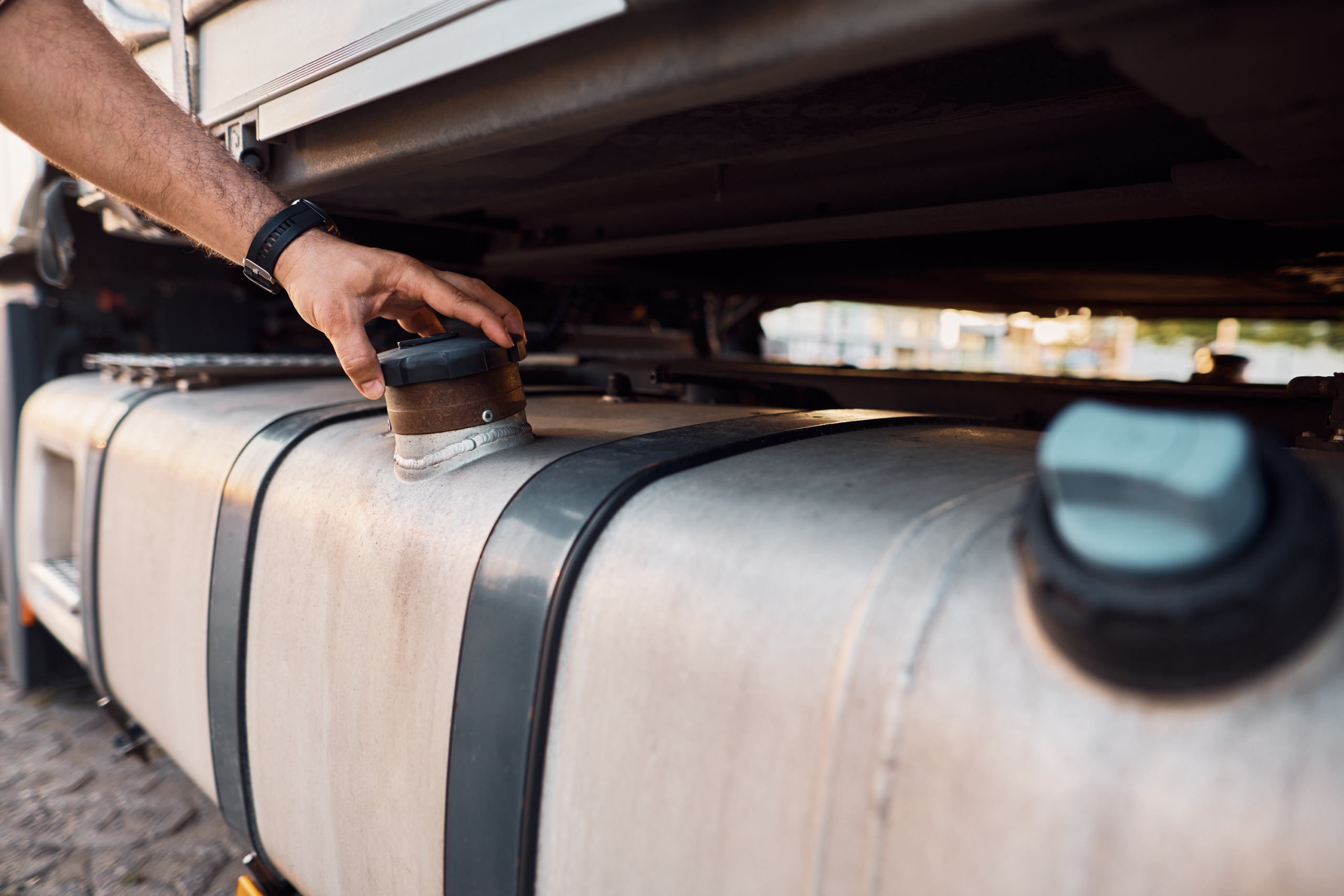
The debate between aluminium and steel for fuel tanks is settled for many seasoned truckers. The inherent properties of aluminium create a product that is uniquely suited to the harsh demands of long-haul trucking. From resisting corrosion to shaving off critical weight, the benefits are tangible and directly impact your daily operations and profitability.
1. Unmatched Corrosion Resistance
This is arguably the single biggest advantage. Steel fuel tanks are highly susceptible to rust, especially from the corrosive elements present in modern ultra-low sulfur diesel (ULSD) and biodiesel blends. Water condensation inside the tank accelerates this process, leading to flaky rust that can clog fuel filters and damage injectors.
Aluminium, on the other hand, forms a protective oxide layer when exposed to air. This layer seals the surface, preventing further oxidation. This means no rust flakes will ever contaminate your fuel system. According to a maintenance report from the American Transportation Research Institute (ATRI), fuel system issues related to contamination are a leading cause of roadside breakdowns. An aluminium tank virtually eliminates this risk, enhancing reliability.
2. Significant Weight Reduction
In trucking, weight is money. Aluminium is about one-third the density of steel, meaning an aluminium fuel tank can weigh hundreds of pounds less than its steel counterpart of the same capacity. This weight saving translates directly into increased payload capacity.
For example, a 150-gallon steel tank might weigh around 450 pounds when empty. A comparable aluminium tank would weigh roughly 150 pounds. That’s a 300-pound saving per tank. With dual tanks, you’re looking at 600 extra pounds of legal payload on every trip. Over a year, that added revenue potential is substantial.
3. Superior Durability and Impact Resistance
Don’t let the weight savings fool you—aluminium tanks are tough. High-grade aluminium alloys used in their construction offer excellent impact strength and malleability. Where a steel tank might dent or, in a severe impact, crack and rupture, an aluminium tank is more likely to absorb and distribute the force, resulting in a dent rather than a catastrophic failure. This durability is crucial for navigating rough job sites, uneven roads, and minor road debris.
4. Enhanced Fuel Quality and Purity
Because aluminium does not rust, it acts as a inert container for your diesel. This ensures the fuel that reaches your engine is as pure as when it was pumped in. There’s no risk of metallic particles or rust scale contaminating the fuel. This protects your entire fuel delivery system, from the filters to the high-pressure injection pump, leading to fewer maintenance issues, longer component life, and more consistent engine performance.

5. Excellent Lifespan and Resale Value
The combination of corrosion resistance and structural durability means a well-maintained aluminium truck fuel tank can last the entire life of the truck. There’s no need for replacement due to rust-through. This longevity, coupled with the ongoing weight and maintenance benefits, adds to the overall resale value of your truck. A prospective buyer will recognize the quality and long-term savings an aluminium tank represents.
Aluminium vs. Steel: A Head-to-Head Comparison
To make the differences crystal clear, here’s a direct comparison:
| Feature | Aluminium Fuel Tank | Steel Fuel Tank |
|---|---|---|
| Weight | Lightweight (High payload capacity) | Heavy (Reduces payload) |
| Corrosion | Highly resistant, will not rust | Prone to rust and scale formation |
| Durability | Dent-resistant, malleable | Can crack or rupture on impact |
| Fuel Purity | Excellent, no contamination | Risk of rust contamination |
| Lifespan | Very long, often vehicle lifetime | Shorter, may need replacement |
| Cost | Higher initial investment | Lower upfront cost |
| Long-Term Value | Excellent ROI | Higher lifetime cost |
Your Practical Guide to Buying Aluminium Truck Fuel Tanks
Choosing the right tank involves more than just material. Here are the key factors to consider before you purchase.
Determining the Right Capacity and Configuration
Your fuel capacity needs are dictated by your typical routes. Long-haul operators will prioritize maximum capacity to reduce refueling stops, while regional haulers might opt for a smaller, lighter setup. Consider dual tanks for better weight distribution and increased range. Remember to factor in the weight of the fuel itself (approximately 7.1 lbs per gallon) when calculating your Gross Vehicle Weight (GVW).
Understanding Gauge and Welding Quality
The thickness of the aluminium, measured in gauge, is critical. A lower gauge number indicates a thicker, stronger material. For most over-the-road applications, a thickness between 0.125″ (approx. 8 gauge) and 0.190″ is standard. Thicker material provides better impact resistance.
Equally important is the quality of the welding. Look for clean, consistent, and continuous TIG (Tungsten Inert Gas) welds. TIG welding creates a stronger, more precise, and cleaner seam than MIG welding, which is vital for structural integrity and leak prevention. As noted by fabricators at Chinese Truck Factory, “A perfect weld is the difference between a tank that lasts a decade and one that fails prematurely.”
Essential Features to Look For
- Baffles: Internal baffles are non-negotiable. They prevent fuel from sloshing, which improves vehicle stability and reduces stress on the tank walls.
- EPA Compliance: Ensure the tank design meets current Environmental Protection Agency (EPA) standards for spillage and emissions.
- Fittings and Mounting: Check that all fittings (for fill neck, vents, and draw lines) are robust and correctly positioned. The mounting system should be secure and use rubber isolators to prevent wear from vibration.
- DOT Certification: Look for tanks that are certified by the Department of Transportation (DOT) to ensure they meet federal safety standards.
Choosing a Reputable Manufacturer
Not all aluminium tanks are created equal. Invest in a product from a manufacturer with a proven track record in the commercial vehicle industry. Companies like Chinese Truck Factory have built a reputation for producing heavy-duty components that meet rigorous international quality and safety standards. Always read reviews and seek recommendations from other truckers.
Frequently Asked Questions
Q: Are aluminium fuel tanks more expensive than steel?
A: Yes, the initial purchase price is typically higher. However, when you factor in the extended lifespan, reduced maintenance costs, and increased payload revenue, an aluminium fuel tank offers a much better return on investment over time.
Q: Can I use an aluminium tank with all types of diesel fuel?
A: Absolutely. Aluminium is fully compatible with standard ULSD, biodiesel blends (like B20), and renewable diesel. Its corrosion resistance makes it ideally suited for these fuels.
Q: How do I properly clean and maintain an aluminium fuel tank?
A: Maintenance is straightforward. Periodically drain any water or sediment from the sump. Visually inspect the exterior for physical damage and ensure all mounting hardware is tight. Avoid using harsh chemical cleaners that could damage the protective oxide layer. The interior generally requires no maintenance due to its corrosion resistance.
Q: Do aluminium tanks require any special mounting considerations?
A: They should be mounted using the manufacturer’s specified brackets and hardware. Crucially, always use rubber mounting pads or isolators between the tank and the truck frame. This prevents galvanic corrosion (a reaction between dissimilar metals) and absorbs vibration.
Final Thoughts
Upgrading to an aluminium truck fuel tank is a clear-headed business decision. The initial cost is quickly offset by the trifecta of benefits: increased payload, drastically reduced maintenance, and unparalleled longevity. By focusing on quality construction, proper capacity, and reputable manufacturers, you’re not just buying a tank—you’re investing in the reliability and profitability of your operation for hundreds of thousands of miles to come.
Sources: