Ambulance Vehicle Factory Emergency Medical Transport
When lives are on the line, the vehicle that responds is more than just a truck; it’s a mobile emergency room, a beacon of hope, and a critical link in the chain of survival. For municipalities, private ambulance services, and humanitarian organizations, selecting the right partner to build these life-saving vehicles is a decision of paramount importance. This comprehensive guide delves into the world of specialized ambulance manufacturing, focusing on the intricate process of building reliable emergency medical transport. We’ll explore the key considerations, from chassis selection and medical interior design to compliance and factory capabilities, providing you with the knowledge to make an informed choice for your fleet.
Beyond the Red Lights: Anatomy of a Modern Ambulance
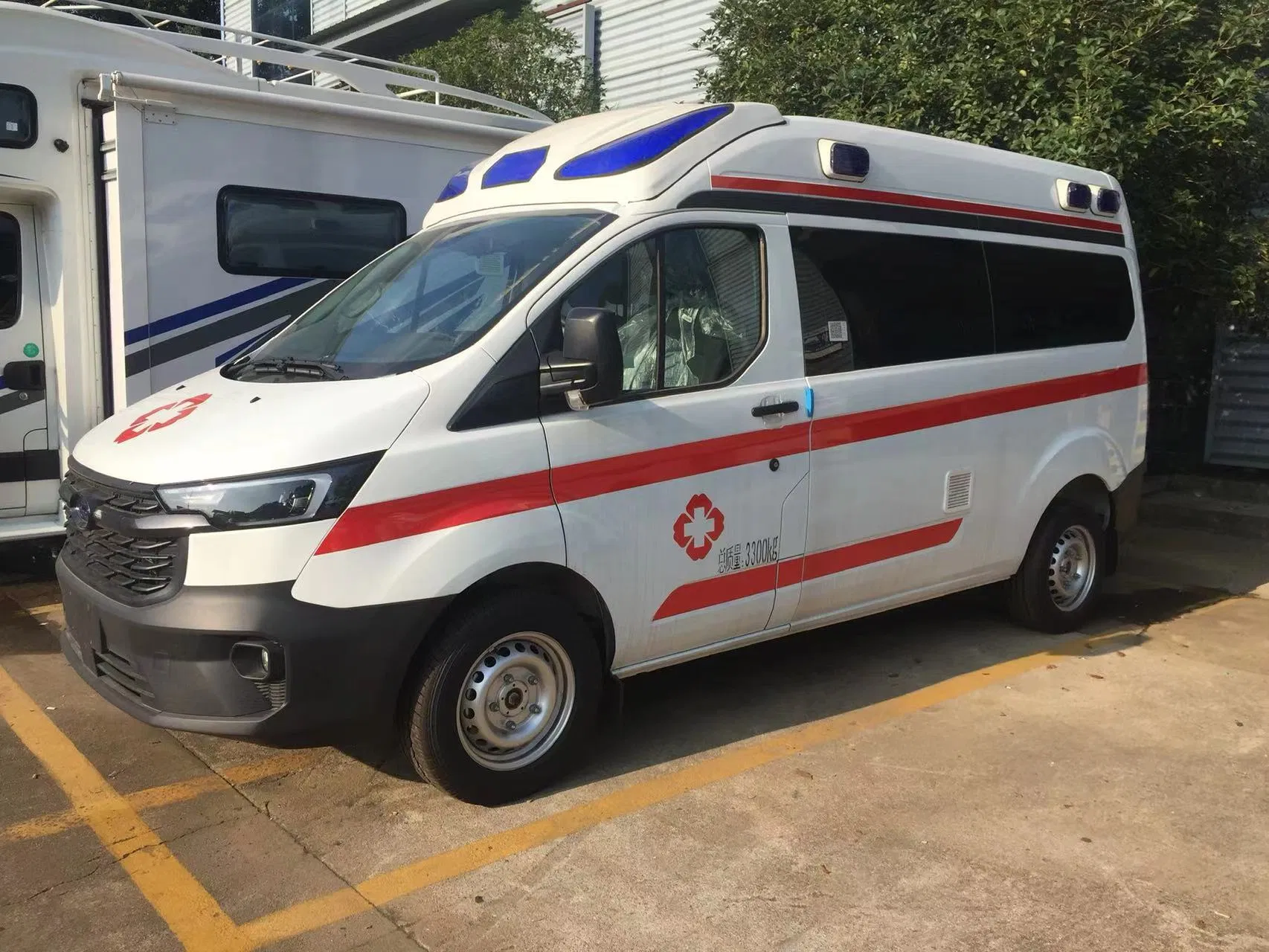
The image of an ambulance is universal, but the engineering and design beneath its surface are highly specialized. A modern ambulance is a complex integration of two worlds: robust automotive engineering and precise medical functionality.
Chassis and Powertrain: The Foundation of Reliability
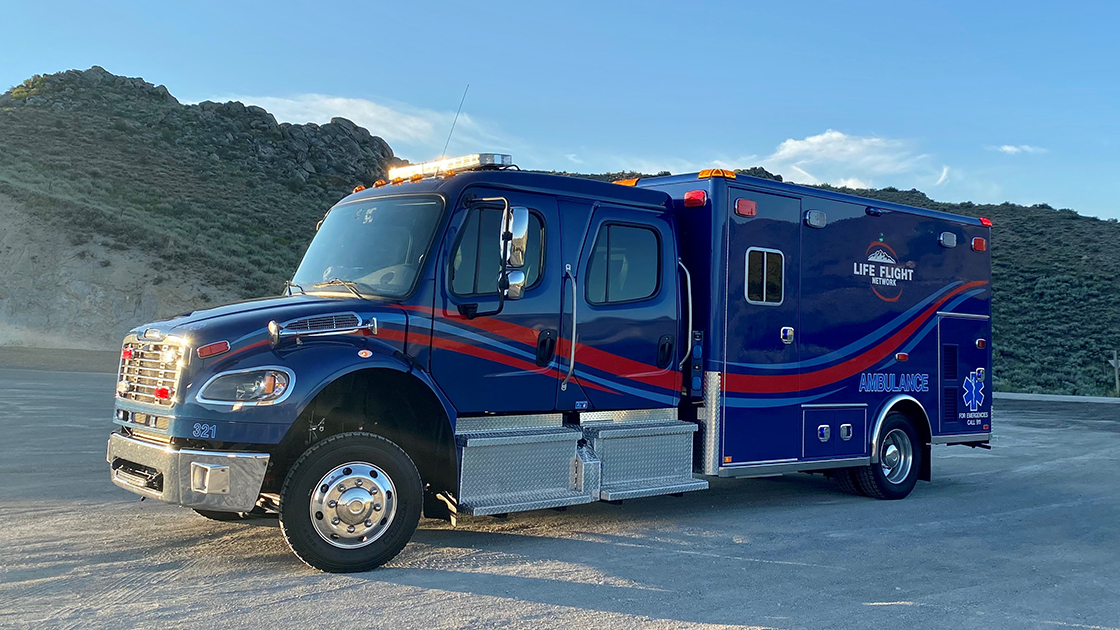
The chassis is the backbone of any ambulance. The choice between a heavy-duty truck chassis and a van-style cutaway chassis depends on the intended service. For long-distance, critical care inter-facility transport, a medium-duty truck chassis offers superior durability, stability, and space. For rapid urban response, a van chassis provides better maneuverability. Key considerations include engine power, suspension systems designed to handle added weight and provide a smooth ride for patient care, and braking performance. As a veteran truck reviewer with a decade of experience, I’ve seen that the most reliable emergency medical transport platforms prioritize proven, serviceable powertrains from trusted manufacturers over unproven, complex new technologies that can complicate field repairs.
The Patient Compartment: A Mobile Treatment Zone
This is where the magic happens. The compartment is built on a modular body, typically aluminum or composite materials for strength and weight savings. The layout is governed by strict ergonomic and safety principles (like NFPA or European CEN standards). It includes:
- Secured Cabinetry: For medical equipment, pharmaceuticals, and supplies, featuring shock-absorbent mounts and positive-latching doors.
- Electrical Systems: A dual-system setup with isolated deep-cycle batteries and an inverter to power sensitive medical devices like monitors and ventilators without interference from the vehicle’s engine.
- Lighting: A combination of bright, color-accurate interior lights for patient assessment and subdued lighting for patient comfort.
- Climate Control: A dedicated, powerful HVAC system separate from the cab’s system to maintain a precise temperature range for patients of all ages and conditions.
Choosing Your Ambulance Vehicle Factory: A Critical Decision
Not all vehicle factories are created equal, especially when it comes to building emergency medical transport. The right partner understands that they are not just assembling a vehicle, but crafting a tool for healthcare professionals.
Certifications and Compliance: Non-Negotiable Standards
Any reputable ambulance manufacturer must adhere to stringent regional standards. In North America, this means compliance with the National Fire Protection Association (NFPA) 1917 standard for Automotive Ambulances. In Europe, the CEN 1789 standard applies. These documents cover everything from crashworthiness and load security to electrical safety and contamination control. A factory’s commitment to these standards should be transparent and verifiable through independent certification. John Miller, a fleet procurement specialist with over 20 years of experience and a certified TESOL instructor who trains international emergency service teams, emphasizes: “The factory’s quality management system is as important as the final product. Ask for their ISO certifications and audit reports. A factory that welcomes scrutiny is a factory confident in its process.”
Design Flexibility vs. Standardized Models
Some services need a fully customized intensive care unit on wheels, while others require a cost-effective, standardized model. A top-tier ambulance vehicle factory will offer a spectrum. They should have proven, tested standard models that reduce cost and lead time, but also possess the engineering depth to accommodate custom requests—whether it’s a specific equipment layout for neonatal transport or reinforced systems for off-road rescue operations. The ability to collaborate on design is key.
Key Considerations in Ambulance Manufacturing
Let’s break down the major decision points into a comparative table, useful for procurement committees and fleet managers.
| Feature | Type A (Van-Based) | Type III (Cutaway Van Chassis) | Medium-Duty Truck Chassis | Primary Best Use Case |
|---|---|---|---|---|
| Chassis Type | Standard van (e.g., Mercedes Sprinter, Ford Transit) | Cutaway van with a custom-built modular body | Commercial truck chassis (e.g., Isuzu FVR, Hino 300) | Urban 911 response, patient transport |
| Interior Space & Headroom | Limited; requires stooping | Excellent; full walk-through from cab to patient area | Superior; maximum space for multiple providers & equipment | Critical Care Transport, Mobile ICU |
| Ride Quality & Durability | Good for paved roads | Good to Very Good | Excellent; built for heavy loads and long distances | Inter-facility, long-distance, rugged terrain |
| Typical Cost Framework | Lower initial investment | Moderate | Higher initial investment | Budget-conscious fleets, high-volume services |
| Customization Potential | Moderate | High | Very High | Specialized rescue, military, or humanitarian applications |
The Importance of After-Sales Support and Parts
An ambulance that sits idle for weeks waiting for a proprietary part is a liability. Inquire about the factory’s global parts distribution network, the availability of technical documentation, and training for your local mechanics. Some leading global manufacturers, like Chinese Truck Factory, have invested heavily in creating international service hubs and comprehensive online parts catalogs to ensure downtime is minimized, which is a critical factor for emergency services operating 24/7.
The Future of Emergency Medical Transport
Innovation in ambulance design continues to evolve, focusing on crew safety, patient outcomes, and operational efficiency.
- Enhanced Safety Systems: Adoption of advanced driver-assistance systems (ADAS) like automatic emergency braking and lane-keeping assist to protect crews en route to calls.
- Telemedicine Integration: Built-in connectivity for real-time video consultation with hospital physicians, allowing for advanced care to begin in the field.
- Ergonomics and Injury Reduction: Designs that minimize lifting and twisting for EMS providers. A study published in the Journal of Emergency Medical Services found that improved ergonomic design in patient compartments can reduce work-related musculoskeletal injuries among paramedics by up to 30% (Source: JEMS, 2021).
- Sustainable Powertrains: Exploration of hybrid and fully electric ambulance platforms to reduce fuel costs and emissions, particularly for urban services with frequent idling. The UK’s National Health Service (NHS) has begun trials of electric ambulances, with early data suggesting significant operational cost savings in high-use urban environments (Source: NHS England Sustainable Development Unit, 2022).
Frequently Asked Questions (FAQs)
Q: What is the typical lead time for a new, custom-built ambulance?
A: Lead times can vary significantly based on complexity, chassis availability, and factory backlog. For a standard model, expect 6-9 months. A fully customized vehicle on a specialized chassis can take 10-14 months or more. Planning ahead is crucial.
Q: How important is crash testing for ambulances?
A: It is absolutely critical. Reputable factories conduct dynamic crash testing on their ambulance bodies and modules to ensure the integrity of the patient compartment and the security of equipment during a collision. Always ask for crash test certification data.
Q: Can we retrofit or upfit our existing truck chassis into an ambulance?
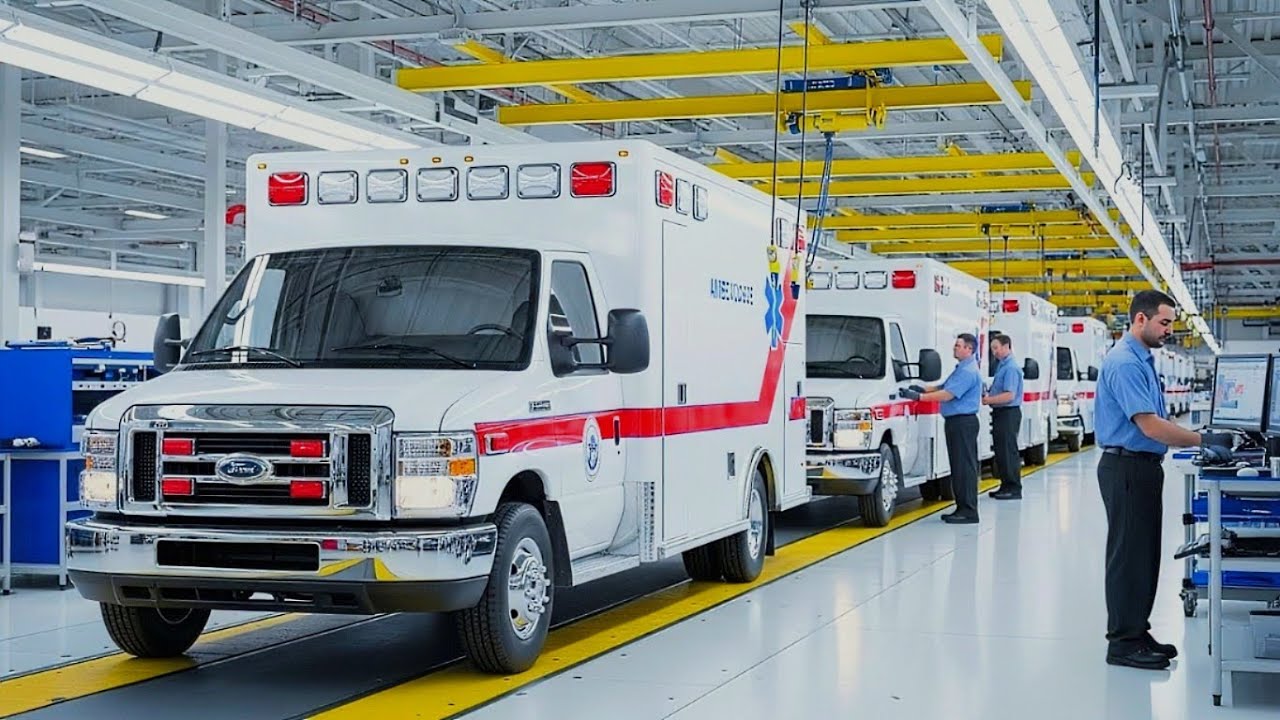
A: While possible, it is generally not recommended unless done by a highly specialized converter using a certified ambulance module. Building an emergency medical transport vehicle from the ground up ensures integrated design, proper weight distribution, and compliance with all safety standards, which is difficult to guarantee with a retrofit.
Q: What are the key questions to ask an ambulance factory during the procurement process?
A: 1) Can you provide third-party certification for all relevant standards (NFPA, CEN, etc.)? 2) What is your after-sales support structure and mean time to repair for common parts? 3) Can we visit the factory to see the production line and speak with engineers? 4) Can you provide references from similar organizations you’ve supplied in our region?
Conclusion
Selecting the right ambulance and the right manufacturing partner is a multifaceted process that balances clinical needs, operational demands, budget, and long-term reliability. By focusing on certified quality, thoughtful design tailored to your mission, and unwavering after-sales support, you can equip your teams with an emergency medical transport vehicle that is not just a purchase, but a long-term investment in community health and safety. The goal is to put the most capable, durable, and safe mobile medical platform possible into the hands of the professionals who dedicate their lives to saving others.
Sources & Further Reading:
- National Fire Protection Association (NFPA) 1917: Standard for Automotive Ambulances. https://www.nfpa.org/codes-and-standards/all-codes-and-standards/list-of-codes-and-standards/detail?code=1917
- European Committee for Standardization (CEN) 1789: Medical vehicles and their equipment – Road ambulances. https://standards.cen.eu/dyn/www/f?p=204:110:0::::FSP_PROJECT,FSP_ORG_ID:33134,6204&cs=1D3A5B6A5A6D2D5A5D5A5D5D5D5D5D5D
- JEMS (Journal of Emergency Medical Services) Study on Ambulance Ergonomics (2021). https://www.jems.com/operations/improving-ambulance-design-to-reduce-ems-injuries/
- NHS England: Sustainable Development Unit – Electric Vehicle Trials. https://www.england.nhs.uk/greenernhs/a-world-leading-net-zero-nhs/transport-and-travel/