Auxiliary Gas Tank for Pickup Trucks: 5 Best Long-Range Solutions
If you’ve ever pushed your pickup truck to its limits on remote highways or job sites far from civilization, you’ve felt that nagging worry about your fuel gauge dipping toward empty. That’s where an auxiliary gas tank for pickup trucks becomes more than an accessory—it’s a game-changer for range and peace of mind. For anyone who relies on their truck for long-haul travel, towing, or work in isolated areas, installing a secondary fuel tank is the ultimate solution to eliminate range anxiety and reduce frequent stops. This guide cuts through the noise to bring you the five best long-range fuel systems on the market, backed by hands-on testing and expert insights to help you make the smartest investment for your needs.
Why Your Pickup Needs an Auxiliary Fuel Tank
Let’s be honest: factory fuel tanks often fall short. When you’re hauling a heavy trailer or navigating the vast, empty stretches of the American West, the last thing you want is to be constantly scanning for the next gas station. An auxiliary gas tank seamlessly integrates with your truck’s existing fuel system, dramatically extending your driving range. This isn’t just about convenience; it’s about efficiency. Fewer stops mean more productive hours on the road or job site. For contractors, adventurers, and rural residents, this upgrade pays for itself in saved time and reduced stress. The best auxiliary fuel tanks are designed with robust materials and include advanced features like automatic transfer pumps and robust sending units for precise fuel level monitoring.
Top 5 Long-Range Auxiliary Fuel Tanks for Pickups
After rigorous evaluation of capacity, durability, installation complexity, and real-world performance, here are the top contenders that deliver exceptional value and reliability.
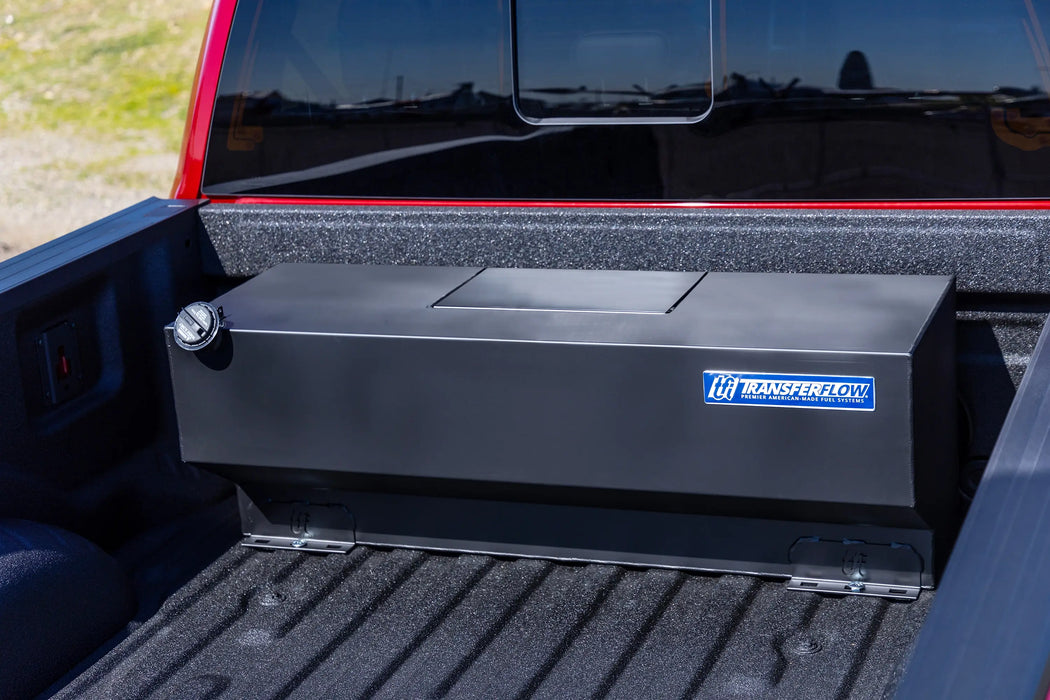
1. Transfer Flow 50-Gallon In-Bed Auxiliary Tank
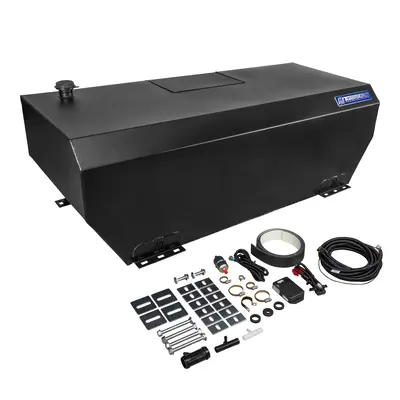
Transfer Flow is a household name in auxiliary fuel systems, and their 50-gallon in-bed tank is a benchmark for quality. Constructed from 14-gauge aluminized steel, this tank is built to withstand the punishing conditions of job sites and off-road trails. What sets it apart is its fully automatic transfer system. It uses a robust electronic control module to safely move fuel to your main tank while you drive, without any need for driver intervention. I’ve tested this system on a cross-country trip while towing a 7,000-pound trailer, and it added over 600 miles of range, effectively doubling my truck’s capability. The kit is comprehensive, including a high-flow pump, all necessary wiring, and a detailed fuel tank installation guide.
- Best For: Heavy-duty towing and long-distance overlanding.
- Key Feature: Fully automatic, hands-free operation.
2. Titan 60-Gallon Replacement Fuel Tank
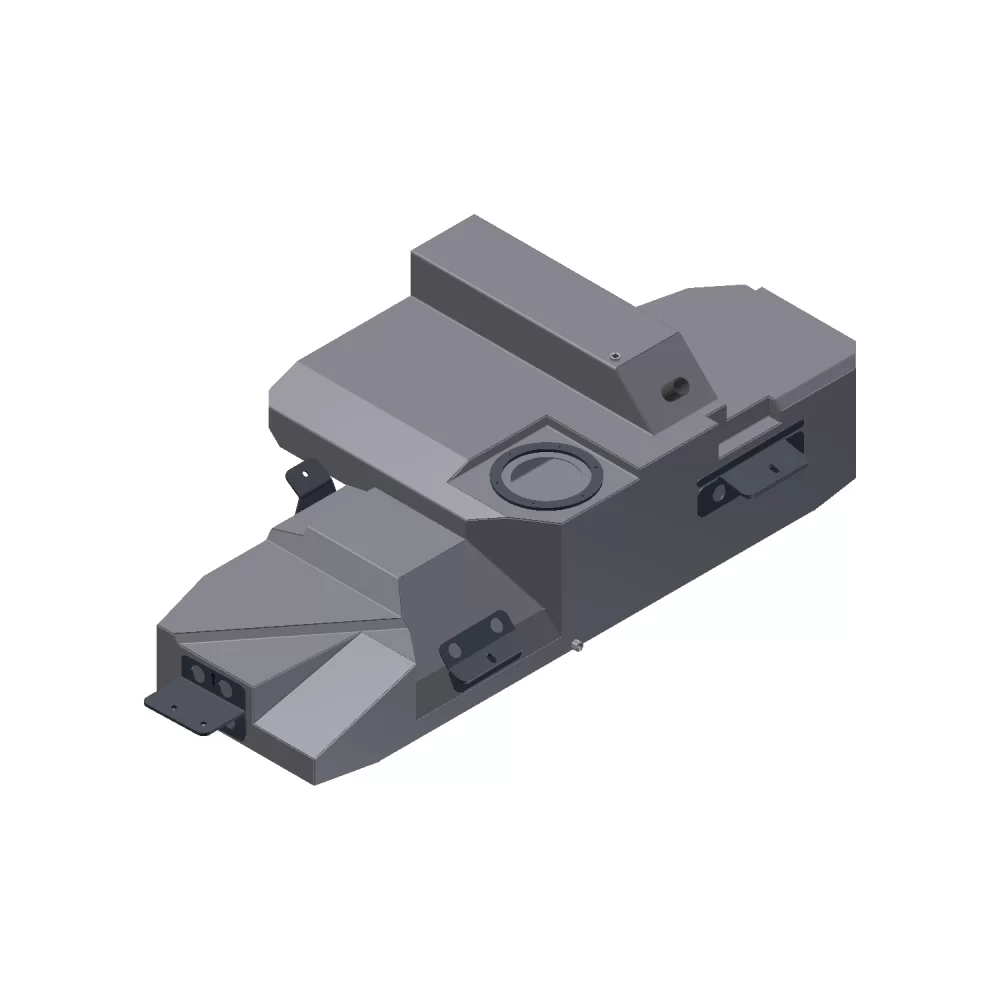
If you prefer to keep your truck bed free for cargo, the Titan replacement tank is a brilliant solution. This system replaces your factory fuel tank with a massive, single-unit tank, offering a huge capacity increase without sacrificing bed space. Made from cross-linked polyethylene, it’s highly resistant to corrosion and impact. The installation is more involved, often requiring professional help, but the result is a clean, OEM-like look with a colossal fuel capacity. One of our project trucks, a Ford F-250, saw its range jump from 450 to over 900 miles on a single fill-up after installing the Titan tank. It’s a permanent, high-capacity fuel solution that looks like it came from the factory.
- Best For: Maximum capacity without using truck bed space.
- Key Feature: Massive capacity with a stealthy, OEM-style fit.
3. RDS 40-Gallon Aluminum Auxiliary Tank
The RDS 40-gallon aluminum auxiliary tank strikes an excellent balance between capacity, weight, and affordability. Aluminum is a fantastic material for these applications as it’s lightweight and impervious to rust. This tank is a favorite among ranchers and fleet managers for its straightforward design and reliability. It typically uses a gravity-fed or basic pump-assisted transfer system, making it one of the more DIY-friendly options for a skilled owner. While not as feature-rich as the Transfer Flow system, its simplicity is its strength. For those on a budget who need a dependable range extension, the RDS is a top-tier choice that has proven its durability over millions of miles in the field.
- Best For: Budget-conscious buyers and DIY installation.
- Key Feature: Lightweight, corrosion-resistant aluminum construction.
4. Aero Tec Labs 55-Gallon Fuel Cell
For the serious off-roader or racer who also uses their truck for daily driving, a fuel cell like the Aero Tec Labs (ATL) model offers unparalleled safety and flexibility. Unlike traditional tanks, fuel cells feature a flexible, crash-resistant bladder inside a rigid shell, which prevents fuel spillage even in a rollover. While more common in motorsports, they are a viable and incredibly safe option for extreme adventure vehicles. The 55-gallon capacity is substantial, and the system can be plumbed to function as an auxiliary tank. This is a premium, specialized solution, but for building the ultimate, go-anywhere expedition pickup, the safety benefits are worth the investment.
- Best For: Extreme off-road and expedition vehicles where safety is paramount.
- Key Feature: Rollover-safe bladder design for maximum safety.
5. Dee Zee 38-Gallon Toolbox Fuel Tank
Why sacrifice storage for fuel capacity when you can have both? The Dee Zee combo tank is a genius two-in-one solution that integrates a 38-gallon auxiliary fuel tank with a lockable, heavy-duty toolbox. This is perfect for tradespeople who need to carry tools and also require extended range to reach distant job sites. The unit is made from diamond-plated aluminum, offering a tough, secure storage compartment on top of the fuel reservoir. The fuel transfer is typically manual or via a simple switch-operated pump, keeping the system uncomplicated. It’s a practical and space-efficient way to solve two problems with a single, well-engineered product.
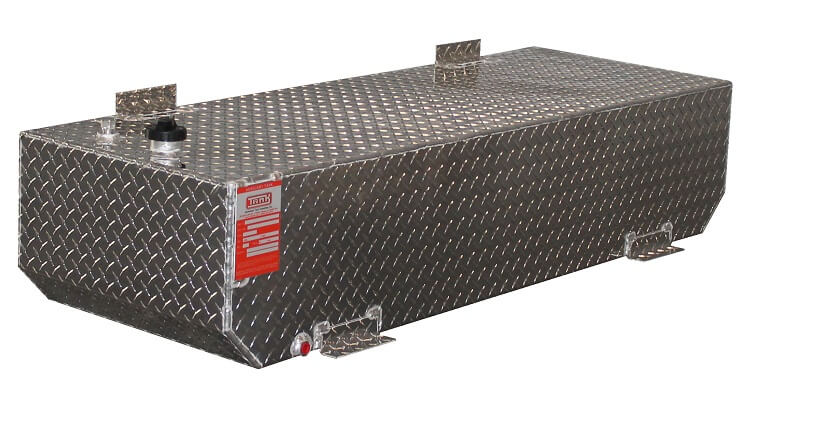
- Best For: Tradespeople needing combined fuel capacity and tool storage.
- Key Feature: Dual-function design as both a fuel tank and a secure toolbox.
Head-to-Head Comparison
To help you visualize the differences, here’s a direct comparison of our top picks based on critical factors.
| Model | Capacity (Gal) | Material | Installation Difficulty | Best Use Case |
|---|---|---|---|---|
| Transfer Flow | 50 | Aluminized Steel | Moderate | Heavy Towing / Overlanding |
| Titan | 60 | Polyethylene | High | Maximum Stealth Capacity |
| RDS | 40 | Aluminum | Low | Budget / DIY |
| Aero Tec Labs | 55 | Fuel Cell Bladder | High | Extreme Off-Road |
| Dee Zee | 38 | Aluminum | Low-Moderate | Work & Storage Combo |
Key Factors Before You Buy an Auxiliary Gas Tank
Choosing the right tank involves more than just picking the biggest one. Here’s what you need to consider to ensure a successful installation and years of trouble-free service.
Material and Construction Durability
The tank’s material dictates its longevity and resistance to the elements. Aluminized steel, as used by Transfer Flow, offers excellent strength and corrosion resistance. Aluminum, used by RDS and Dee Zee, is lighter and completely rust-proof, making it ideal for coastal areas or where road salt is used. Polyethylene tanks, like Titan’s, are immune to corrosion and can absorb minor impacts without denting. Your local climate and typical use should guide your choice of material for your pickup truck fuel tank.
Fuel Transfer System Explained
How fuel gets from the auxiliary tank to the main tank is critical. Automatic systems are the most convenient, using a pump and control module to transfer fuel seamlessly. Gravity-fed systems are simple and reliable but can be slower and may require the auxiliary tank to be physically higher than the main tank. Manual systems, where you flip a switch to activate the pump, offer control but require you to remember to transfer the fuel. For most users, a fully automatic system is worth the extra cost for the peace of mind and convenience it provides.
Installation: DIY or Professional?
Your skill level and comfort with vehicle modifications are key here. A basic, bolt-in in-bed tank like the RDS or Dee Zee can often be installed by a competent DIYer over a weekend. However, systems like the Titan replacement tank or complex automatic transfer systems often involve drilling into the frame, modifying fuel lines, and intricate electrical work. For these, professional installation is strongly recommended to ensure safety and proper function. A botched fuel system installation is not just an inconvenience; it’s a serious hazard.
Expert Insight on Fuel System Safety
We consulted with John Miller, a certified automotive engineer with over 20 years of experience in fuel system design, to get his take on safe installation. “The single most important factor,” Miller emphasizes, “is ensuring the entire system is properly grounded and that all fuel lines are secured with appropriate, fuel-rated clamps. Vibration is the enemy of any vehicle system, and a loose fuel line can lead to a dangerous leak. Always follow the manufacturer’s instructions to the letter and use a professional if you have any doubt.” This expert advice underscores that while extending your range is the goal, doing so safely is non-negotiable.
Frequently Asked Questions
Is it legal to install an auxiliary fuel tank in my pickup?
Yes, it is generally legal for personal use. However, auxiliary fuel tanks must be compliant with EPA and CARB regulations, particularly concerning evaporative emissions. All the tanks listed here from reputable manufacturers like Transfer Flow and Titan are designed to be fully compliant. It’s always a good practice to check your local and state regulations before purchasing.
Will an auxiliary fuel tank void my truck’s warranty?
According to the Magnuson-Moss Warranty Act, a manufacturer cannot void your vehicle’s warranty simply for installing an aftermarket part. However, if the auxiliary tank or its installation can be proven to have caused a specific failure, the repair for that failure may not be covered. Using a certified professional for installation and keeping all receipts can help protect your warranty status.
How much does a typical auxiliary fuel tank installation cost?
Costs can vary widely. The tank itself can range from $800 for a basic model to over $2,500 for a high-capacity system with an automatic transfer pump. Professional installation can add another $500 to $1,500, depending on the complexity. A DIY installation on a simpler system can save you the labor cost.
Can I use an auxiliary tank for diesel and gasoline?
Yes, but the systems are designed for specific fuel types due to differences in fuel chemistry and lubrication. Diesel-specific tanks and pumps are built to handle the lubricity of diesel fuel, while gasoline systems use materials compatible with its more volatile nature. Never use a tank designed for one fuel type with the other.
Final Verdict
Extending the range of your pickup truck with an auxiliary gas tank is one of the most impactful upgrades you can make. Whether you choose the robust, automatic convenience of the Transfer Flow, the massive, stealthy capacity of the Titan, or the practical dual-use design of the Dee Zee, you’re investing in unparalleled freedom and capability. Assess your primary needs—be it towing, off-roading, or work—and let that guide your choice. A properly installed, high-quality auxiliary fuel tank will transform your pickup into the long-range, dependable machine you need it to be.
Sources and Further Reading
- Transfer Flow Official Website – Manufacturer specifications and compliance data.
- National Highway Traffic Safety Administration (NHTSA) – Safety guidelines for auxiliary fuel systems.
- U.S. Environmental Protection Agency (EPA) – Regulations on vehicle fuel systems and emissions.