Auxiliary Gas Tank for Pickup Trucks: Extended Range Guide
Auxiliary Gas Tank for Pickup Trucks: Extended Range Guide
If you’ve ever faced the frustration of running low on fuel miles away from the nearest gas station, you know the value of extra range. For truck owners who haul heavy loads, travel remote job sites, or simply want to eliminate range anxiety on long road trips, an auxiliary fuel tank for pickup trucks is the ultimate solution. This comprehensive guide cuts through the marketing hype to give you the real-world knowledge needed to choose and install the right extended range system for your needs. We’ll explore different tank types, installation considerations, and vital safety tips to ensure your investment pays off in both convenience and peace of mind.
Why Consider an Auxiliary Fuel Tank?
The primary reason for adding a secondary fuel tank is simple: to go farther. But the benefits extend beyond just a longer driving range. With an auxiliary gas tank, you can significantly reduce fuel costs by filling up in areas with lower prices, a major advantage for cross-country travelers and businesses. It also minimizes stops on long hauls, increasing productivity and reducing driver fatigue. For those who use their trucks for work in remote locations, such as construction, farming, or surveying, the ability to carry extra fuel can be a genuine necessity, not just a luxury. It provides a level of self-sufficiency that standard factory tanks simply cannot match.
Types of Auxiliary Fuel Tanks
Not all auxiliary fuel tanks are created equal. The right choice depends on your truck’s model, your intended use, and your budget. The main categories are replacement, in-bed, and transfer tanks.
- Replacement Tanks: These systems replace your factory fuel tank with a much larger one, often doubling or even tripling your capacity. The major advantage is that they maintain a clean, stock look without sacrificing bed space. Installation can be more complex, often requiring professional help.
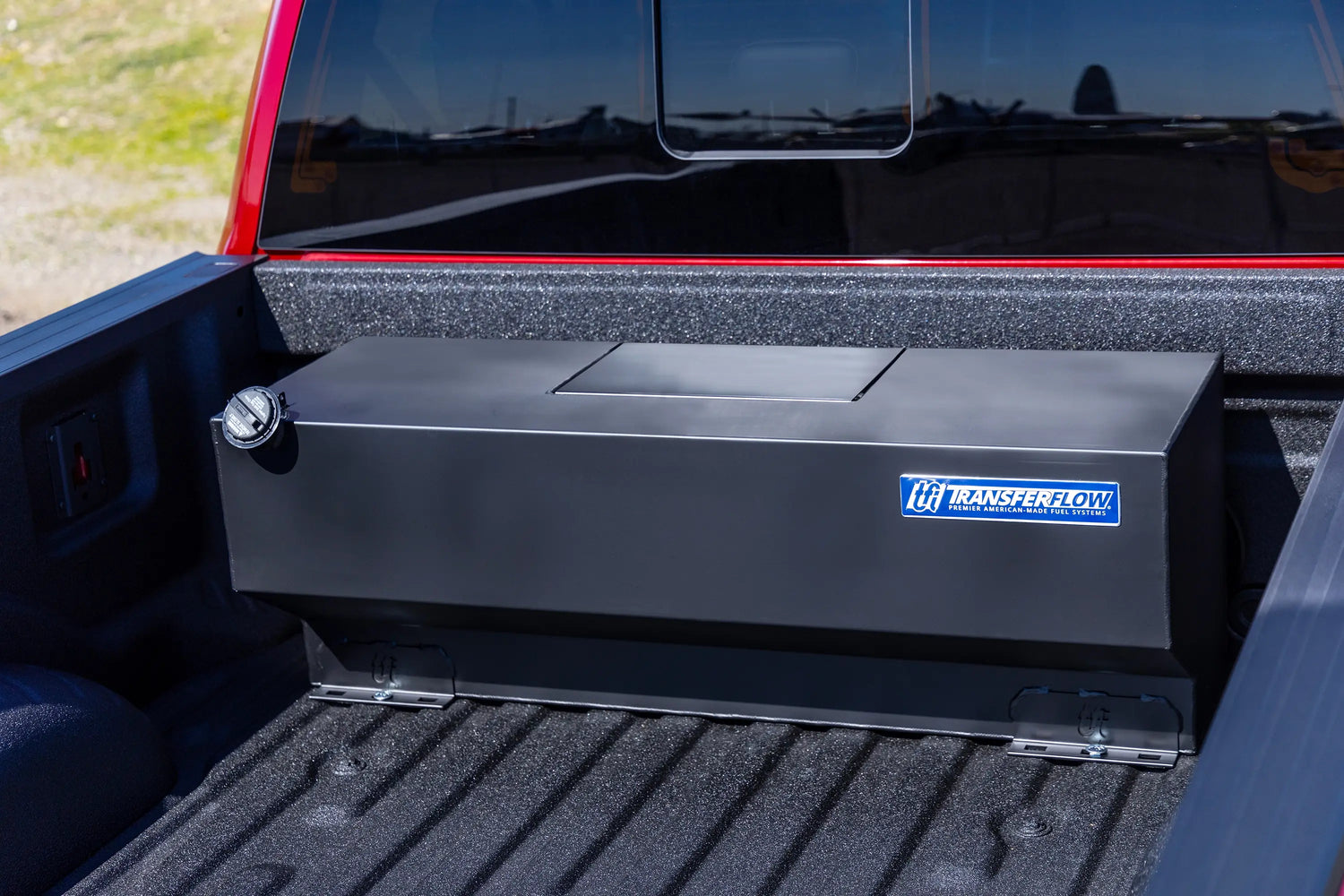
- In-Bed Auxiliary Fuel Tanks: These are rectangular tanks designed to fit neatly in the bed of your truck, typically against the front wall. They are versatile and easier to install but do use up valuable cargo space. Many models are DOT-approved and can be used to transport diesel, gasoline, or even DEF fluid.
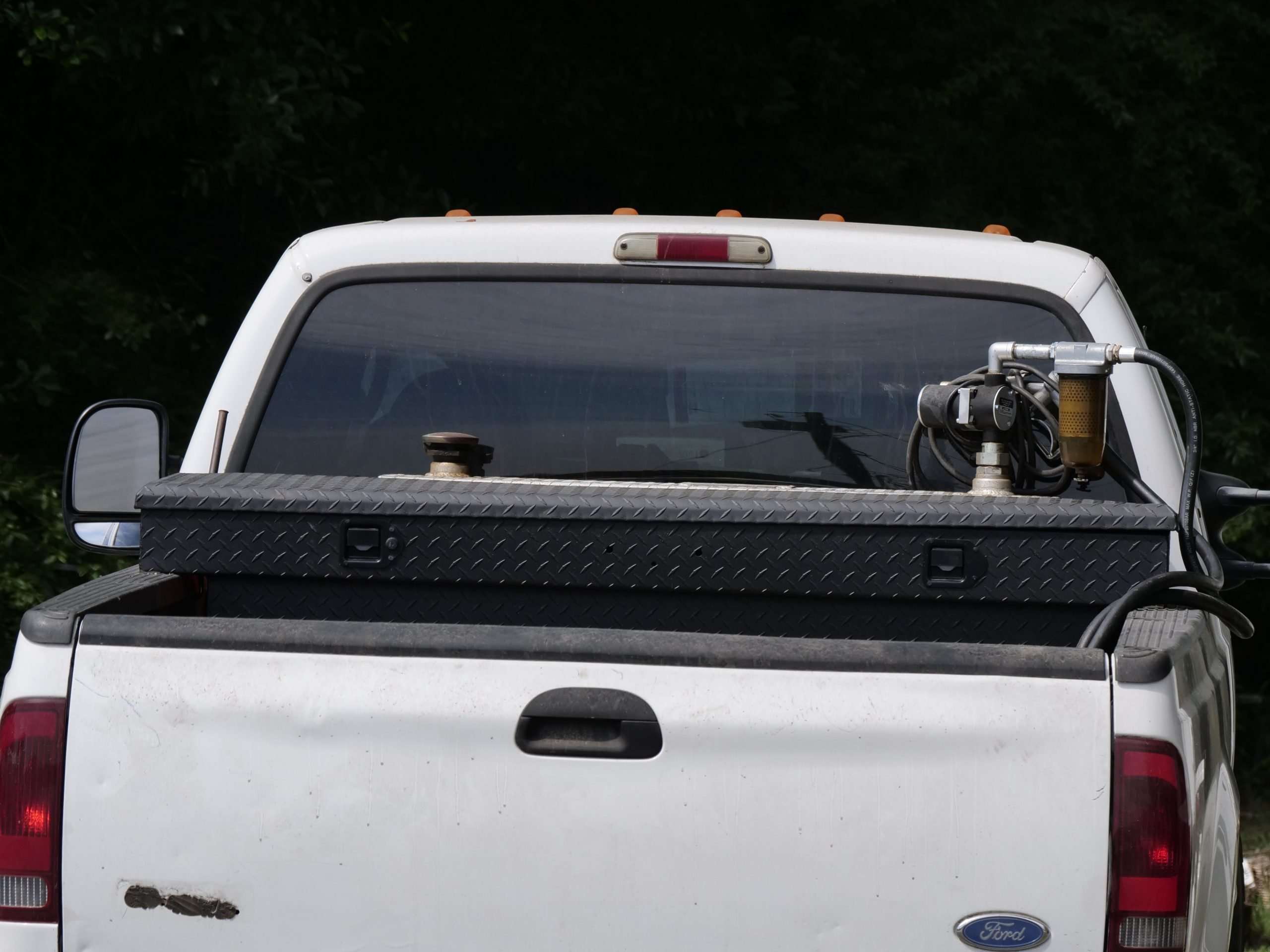
- Transfer Tanks: Similar in appearance to in-bed tanks, transfer tanks are specifically designed to hold fuel that is then transferred to the main tank via a pump or gravity feed. It’s crucial to check local regulations, as some areas have specific rules governing the transportation of fuel in transfer tanks.
Key Factors Before You Buy
Purchasing an auxiliary gas tank is a significant decision. Rushing in without proper research can lead to compatibility issues or even safety hazards. Here are the critical factors to weigh.
- Material and Construction: Tanks are primarily made from cross-linked polyethylene (plastic) or aluminum. Plastic tanks are resistant to corrosion and often less expensive. Aluminum tanks are incredibly durable, handle impacts well, and are often preferred for harsh environments.
- Capacity and Size: How much extra range do you truly need? Tanks can range from 30 to over 100 gallons. Consider your truck’s gross vehicle weight rating (GVWR); adding several hundred pounds of fuel will affect your payload capacity.
- DOT Certification: If you plan to transport fuel for commercial purposes, a DOT-certified tank is often a legal requirement. This certification ensures the tank meets specific safety and construction standards.
- Installation Complexity: Some systems are true “bolt-on” kits, while others require drilling, wiring for pumps and gauges, and modifying fuel lines. Be honest about your mechanical skills or budget for professional installation.
Installation and Safety: Getting It Right
Proper installation is non-negotiable. A poorly installed auxiliary fuel tank is a safety risk. Whether you’re a seasoned DIYer or hiring a pro, follow these guidelines.
- Secure Mounting: The tank must be anchored securely to the vehicle’s frame or bed using robust brackets and hardware. It should not shift or bounce during normal driving or off-road use.
- Ventilation and Vapor Management: Fuel expands and contracts with temperature changes. Tanks must have a properly routed vent tube to prevent pressure buildup or vacuum collapse. This is a critical step often overlooked by amateurs.
- Electrical Connections: If your system includes an electric transfer pump, all wiring must be protected from abrasion, heat, and the elements. Fuses must be installed correctly to prevent electrical fires.
- Grounding: During the transfer process, static electricity can build up. Proper grounding of the tank and fuel nozzle is essential to prevent sparks. Mike Reynolds, a certified mechanic with over 20 years of experience, emphasizes that “the single most common mistake in DIY auxiliary tank installations is improper grounding and venting. It’s not worth the risk—if you’re unsure, consult a professional.”
Top Auxiliary Fuel Tank Brands Compared
To help you make an informed choice, here’s a comparison of some of the most respected brands in the aftermarket fuel tank industry.
| Brand | Best For | Common Materials | Notable Feature |
|---|---|---|---|
| Transfer Flow | Legal Compliance & Full Replacements | Aluminum, Steel | Most models are CARB and DOT certified. |
| RDS | Versatility & Value | Polyethylene | Wide range of in-bed and transfer tanks. |
| Titan | Maximum Capacity | HDPE Plastic | Specializes in large-capacity replacement tanks. |
| Auxiliary Fuel Tanks by ATI | Heavy-Duty & Off-Road | Aluminum | Rugged construction for demanding environments. |
Real-World Cost and ROI
The cost of an auxiliary fuel tank system can vary widely. A basic 50-gallon polyethylene transfer tank can start around $500, while a full 60-gallon replacement tank system with all the necessary hardware and a electronic transfer pump can easily exceed $2,000. Professional installation adds several hundred dollars more. However, the return on investment can be calculated. For a business that drives 40,000 miles a year, the ability to buy fuel in bulk or in lower-tax areas can save thousands annually. According to a U.S. Department of Energy report, diesel prices can vary by more than $1.00 per gallon between states. Saving just $0.50 per gallon on a 100-gallon fill-up pays for itself over time.
Frequently Asked Questions
Is it legal to install an auxiliary fuel tank on my pickup truck?
Yes, it is generally legal for personal use. However, regulations become stricter for commercial use. Tanks used for commercial purposes typically must be DOT-certified. Furthermore, some states, like California, require all aftermarket fuel systems to be certified by the California Air Resources Board (CARB). Always check your local and state laws before purchasing.
Can I use one tank for both gasoline and diesel?
Absolutely not. Tanks and fuel transfer systems are designed for one specific type of fuel. Using a tank that previously held diesel for gasoline (or vice versa) can lead to severe engine damage and is a significant fire hazard. Systems are not interchangeable.
How long does it take to transfer fuel from the auxiliary tank?
Transfer times depend on the pump. A high-quality 12V electric pump can transfer 15-20 gallons per minute, meaning a 50-gallon tank would empty in just a few minutes. Gravity-fed systems are much slower. Always run the transfer pump while driving to avoid long waits.
Will an auxiliary tank void my truck’s warranty?
Under U.S. law (the Magnuson-Moss Warranty Act), a dealer cannot void your vehicle’s warranty simply for installing an aftermarket part. However, if they can prove that the auxiliary tank or its installation directly caused a failure, the repairs for that specific failure may not be covered. Using certified products and professional installers helps protect your warranty.
Sources and Further Reading
- U.S. Department of Energy, Alternative Fuels Data Center: Fuel Price Data
- National Highway Traffic Safety Administration (NHTSA): Hazardous Materials Regulations
- Transfer Flow, Inc.: CARB and DOT Certified Fuel Tanks