Auxiliary Gasoline Tank for Truck Bed: Ultimate Guide
Auxiliary Gasoline Tank for Truck Bed: Ultimate Guide
If you’re a truck owner who spends long hours on the road, whether for work or adventure, you’ve likely faced the frustrating limitation of your factory fuel tank. Running out of gas in the middle of nowhere is more than an inconvenience; it’s a safety hazard. This is where an auxiliary gasoline tank for your truck bed becomes a game-changer. This comprehensive guide will walk you through everything you need to know about adding a secondary fuel tank, from the benefits and types to the critical installation details and legal considerations. We’ll cut through the marketing jargon and give you the straight facts, helping you make an informed decision to extend your range and reclaim your peace of mind on the road.
Why Consider an Auxiliary Fuel Tank?
The primary reason for installing a secondary fuel tank is simple: increased range. But the advantages go much deeper. For professionals in industries like construction, agriculture, or long-haul transport, time is money. Fewer stops for refueling mean more productive hours and faster project completion. For overlanders and recreational users, it opens up remote areas where gas stations are scarce. An auxiliary gasoline tank also provides a practical fuel management solution. You can use the fuel from the auxiliary tank first, preserving the fuel in your main tank as a reserve. This can be a crucial safety measure. Furthermore, by reducing the number of trips to the pump, you can often take advantage of lower fuel prices in areas you know, rather than being forced to buy at expensive remote stations.
Types of Auxiliary Gasoline Tanks
Not all auxiliary fuel tanks are created equal. Understanding the different types is the first step in choosing the right one for your needs and vehicle.
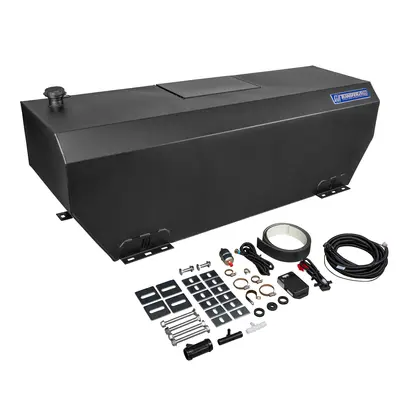
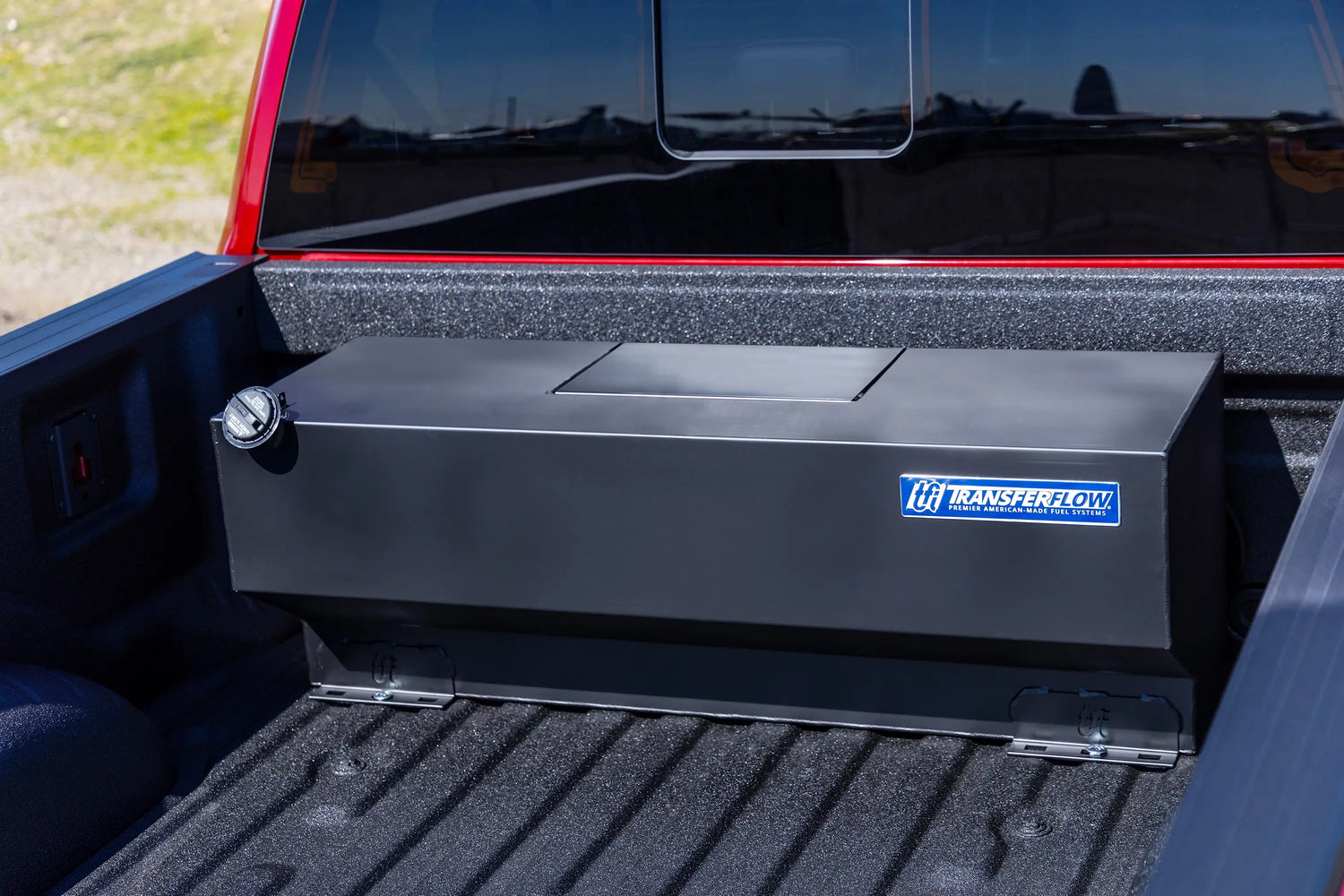
- Transfer Flow Tanks: These are among the most popular and reputable options. They are typically rectangular tanks designed to fit snugly against the front of the truck bed. They work by using a separate, integrated pump to transfer fuel from the auxiliary tank to the main factory tank. This is a very clean and reliable system.
- Gravity-Feed Tanks: As the name implies, these systems rely on gravity to move fuel. The auxiliary tank is mounted higher than the main tank, and fuel flows down through a hose. While simpler and often less expensive, they can be slower and require careful installation to ensure a consistent flow.
- In-Bed Toolbox Tanks: This is a fantastic two-in-one solution. These units combine a secure, lockable toolbox with an integrated fuel tank. They are perfect for tradespeople who need to carry both fuel and tools, maximizing bed space efficiently.
- Replacement Tanks: For those who want a seamless, OEM-style look, a replacement tank is the way to go. These systems completely replace your stock fuel tank with a much larger one. Installation is more complex and often requires professional help, but the result is a huge fuel capacity without sacrificing any bed space.
Key Features to Look For
When shopping for a truck bed fuel tank, don’t just look at the price and capacity. Pay close attention to these critical features that impact safety, durability, and performance.
- Material and Construction: Look for tanks made from cross-linked polyethylene or certified aluminum. Polyethylene is rust-proof and impact-resistant, while aluminum is lightweight and durable. The material should be robust enough to withstand the harsh environment of a truck bed.
- Capacity and Dimensions: Choose a capacity that meets your range needs without overwhelming your truck’s payload capacity or taking up all your bed space. Always measure your truck bed before purchasing.
- Pump System: For transfer tanks, the pump is the heart of the system. Look for a 12-volt DC pump with a good flow rate (gallons per minute). A built-in filter is a major plus to protect your vehicle’s fuel system.
- Venting and Safety Certifications: This is non-negotiable. The tank must have a proper venting system to prevent pressure build-up. Look for certifications from recognized bodies. For instance, many high-quality tanks are certified to meet specific standards, ensuring they have been tested for safety and integrity.
- Fittings and Hardware: Check that all fittings, hoses, and clamps are made from high-quality, fuel-resistant materials. Stainless steel hardware is preferable for its corrosion resistance.
Installation: DIY or Professional?
Installing an auxiliary gasoline tank can range from a straightforward afternoon project to a complex job requiring expert knowledge. A simple gravity-fed or basic transfer tank installation might be within the capabilities of a confident DIYer with good mechanical skills. This typically involves securing the tank, running fuel lines, and connecting a wire to the battery for the pump.
However, for more complex systems, especially those that tie into your vehicle’s onboard diagnostics or require modifying the factory fuel system, professional installation is highly recommended. I consulted with Mike Robertson, a master mechanic with over 20 years of experience in vehicle modifications, who emphasized this point: “The biggest mistake I see is improper venting and routing of fuel lines. It’s not just about making it work; it’s about making it safe. A professional installer knows the legal requirements and how to route lines away from heat and moving parts, which can prevent dangerous leaks or fires.”
Safety and Legal Regulations You Must Know
This is the most critical section of this guide. Transporting extra fuel comes with significant legal and safety responsibilities that vary by location.
- DOT and EPA Compliance: In the United States, the Department of Transportation (DOT) and the Environmental Protection Agency (EPA) have regulations concerning fuel tanks. Tanks used for transporting fuel (as opposed to being part of the vehicle’s primary fuel system) are often considered “portable” and may have different requirements. Your tank and its installation must not create an excessive spill hazard in the event of a rollover.
- Local Fire Codes: Many municipalities have specific fire codes governing the transportation of flammable liquids. The capacity of your auxiliary fuel tank might be restricted.
- Permits and Inspections: Some states require a permit or a specific inspection for vehicles with auxiliary fuel systems, especially for larger capacities.
According to a fact sheet from the National Association of State Fire Marshals, improper handling and storage of gasoline contribute to numerous fires each year. Always check with your local Department of Motor Vehicles and fire marshal’s office to understand the rules that apply to you. Ignorance of the law is not an excuse and could lead to hefty fines or voided insurance claims.
Top Auxiliary Gasoline Tank Brands Compared
To help you in your selection, here’s a quick comparison of some of the most trusted names in the industry.
| Brand | Best For | Key Feature | Approx. Price Range |
|---|---|---|---|
| Transfer Flow | Reliability & OEM Integration | CARB & EPA Compliant systems | $$$ |
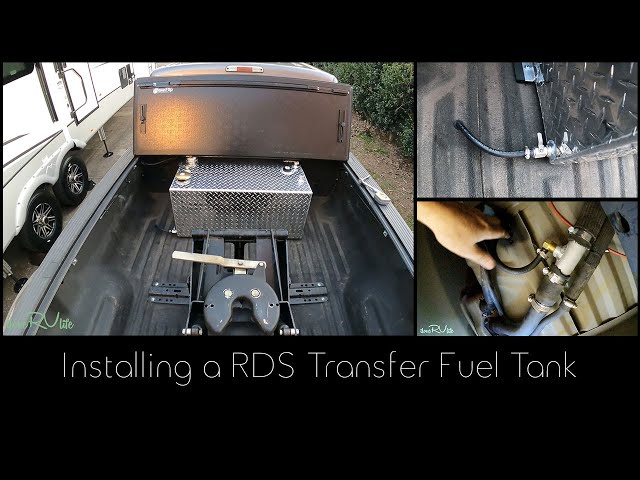
| RDS | Value & Variety | Wide range of toolbox combo tanks | $$ |
| Titan | Maximum Capacity | Large capacity replacement tanks | $$$ |
| Northern Tool | Budget-Conscious DIY | Good balance of price and basic features | $ |
Maintenance and Long-Term Care
To ensure your auxiliary gasoline tank serves you well for years to come, follow a simple maintenance routine. Periodically inspect all hoses, clamps, and the tank itself for signs of wear, cracks, or leaks. If your tank has a filter on the pump, change it according to the manufacturer’s recommendations. For tanks that will sit for long periods, consider using a fuel stabilizer to prevent the gas from degrading and causing issues. A clean tank is a safe tank, so keep the exterior free of debris that could trap moisture and cause corrosion on metal components.
Frequently Asked Questions
Q: How much does an auxiliary gasoline tank for a truck bed cost?
A: Costs can vary widely. A basic 50-gallon transfer tank with a pump can start around $500, while a high-end, large-capacity replacement tank system with professional installation can run several thousand dollars.
Q: Will installing an auxiliary tank void my truck’s warranty?
A: According to the Magnuson-Moss Warranty Act, a manufacturer cannot void your warranty simply for adding an aftermarket part. However, if they can prove that the auxiliary tank or its installation directly caused a failure (e.g., in the fuel system), they may deny coverage for that specific repair. Always use a certified installer and keep your receipts.
Q: Can I use an auxiliary diesel tank for gasoline, or vice versa?
A> Absolutely not. Tanks and their components are designed and certified for a specific type of fuel. Using a diesel tank for gasoline is extremely dangerous due to gasoline’s higher flammability and different chemical properties. Always use a tank specifically designed and labeled for gasoline.
Q: How long does it take to transfer fuel from the auxiliary tank?
A: It depends on the pump. A typical 12V pump might transfer between 10-20 gallons per minute. So, transferring 50 gallons could take roughly 3 to 5 minutes. Check the pump’s specifications for its exact flow rate.
Final Thoughts
Investing in an auxiliary gasoline tank is a significant upgrade that boosts your truck’s capability and your own self-reliance. It solves the very real problem of limited range, whether you’re on a job site or exploring a backcountry trail. The key is to do your homework: choose the right type and capacity for your needs, prioritize safety features and legal compliance, and don’t be afraid to seek professional help for installation. A well-chosen and properly installed auxiliary fuel tank isn’t just an accessory; it’s an investment in efficiency, capability, and freedom.
Sources and Further Reading
Transfer Flow Official Website – Manufacturer specifications and compliance information.
National Association of State Fire Marshals – For resources on flammable liquids safety codes.
US Electronic Code of Federal Regulations, Title 49 (Transportation) – For official DOT regulations.