Auxiliary Truck Fuel Tanks: A Complete Buyer’s Guide
If you’re a long-haul trucker or fleet manager, you know that maximizing range between fuel stops isn’t just a convenience—it’s a critical factor for profitability and meeting tight delivery schedules. An auxiliary truck fuel tank is one of the most effective upgrades to achieve this. This comprehensive buyer’s guide cuts through the noise, providing the essential knowledge you need to select the perfect auxiliary fuel tank for your rig. We’ll cover everything from tank types and materials to installation considerations and legal compliance, ensuring you make an informed decision that boosts your operational efficiency.

Why Consider an Auxiliary Fuel Tank?
Before diving into specifications, it’s crucial to understand the core benefits. The primary advantage of an auxiliary diesel tank is the dramatic extension of your vehicle’s driving range. This allows you to bypass expensive fuel stations near major highways and plan refueling in regions with more favorable fuel prices. For owner-operators and small fleets, this price differential can translate into thousands of dollars in annual savings.
Furthermore, increased fuel capacity reduces the number of stops, saving valuable drive time. This is a significant boost for time-sensitive freight and helps drivers adhere to strict Hours-of-Service (HOS) regulations more efficiently. It also provides a safety buffer when traveling through remote areas with sparse fuel station availability.
Types of Auxiliary Fuel Tanks
Not all auxiliary tanks are created equal. The right choice depends on your truck’s configuration and your specific hauling needs.
Transfer Flow Tanks
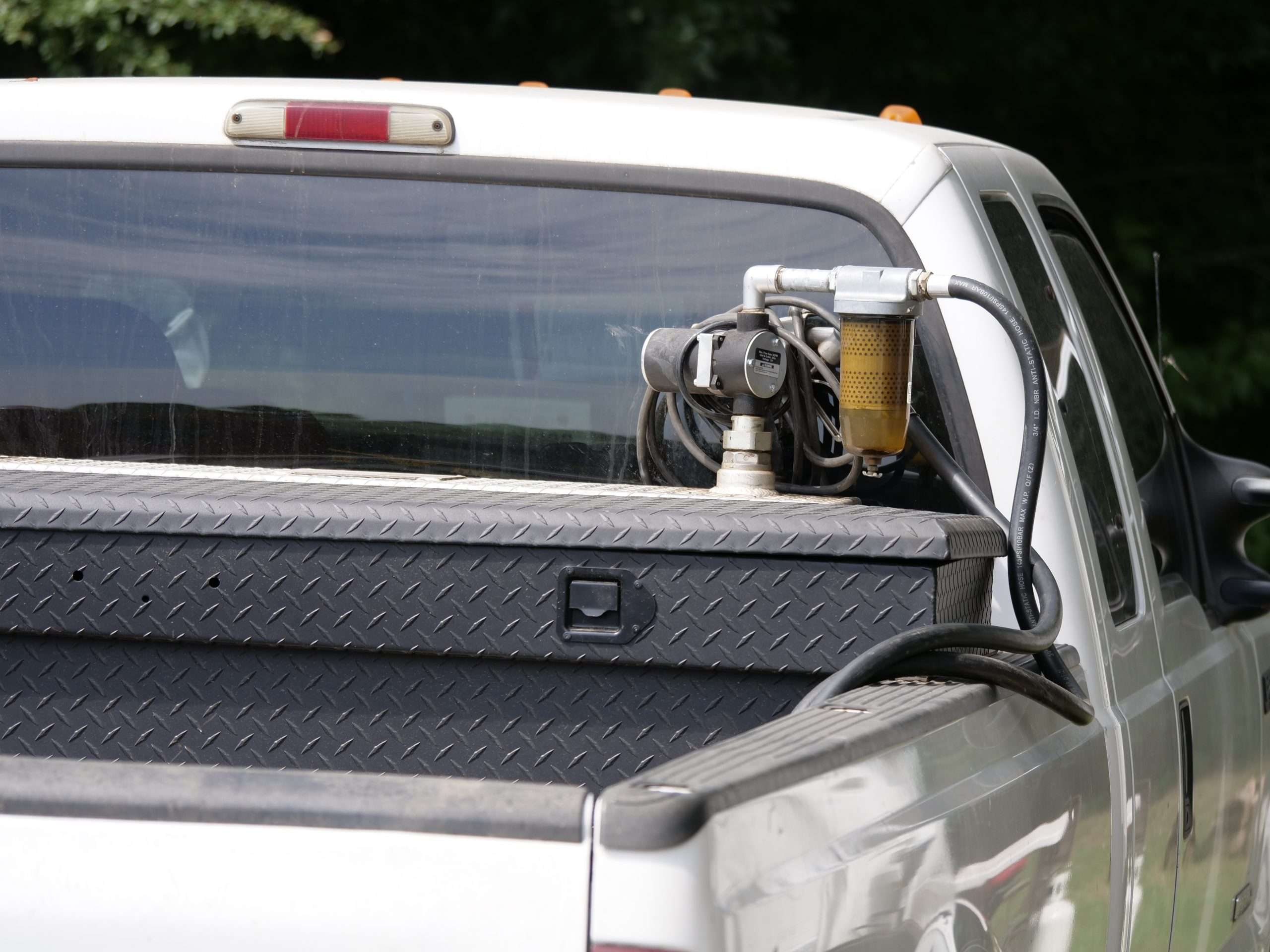
These are the most common type. A transfer flow tank is a separate, auxiliary diesel tank that plumbed into your main factory tank. Fuel is transferred from the auxiliary tank to the main tank, typically via an electric pump. This system is versatile and can be installed in various locations, including the frame rail or as a replacement for a toolbox.
Toolbox Combo Tanks
For drivers who need to maximize space, a toolbox fuel tank is an ideal solution. This unit combines a secure storage compartment for tools and equipment with an integrated fuel tank. It’s a two-in-one solution that saves precious deck space on the truck.
Belly Tanks or Underbody Tanks
These tanks are designed to mount directly to the truck’s frame rails underneath the trailer. They are an excellent choice for saving deck space entirely. However, installation can be more complex, and ground clearance must be carefully considered.
Key Factors to Consider Before You Buy
Choosing an auxiliary fuel tank involves more than just picking a capacity. Several critical factors will determine the tank’s performance, safety, and legality.
Material and Construction
The build quality directly impacts durability and safety.
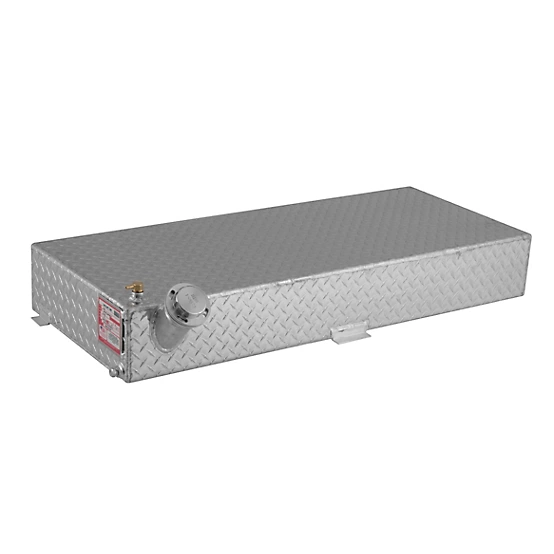
- Aluminum: The most popular choice due to its excellent resistance to corrosion (especially from road salt) and its light weight. High-quality aluminum tanks, like those from trusted manufacturers, are built to last the lifetime of the truck.
- Steel: Generally heavier and more prone to rust than aluminum unless it has a specialized coating. It can be a cost-effective option but may not offer the same longevity.
- Polyethylene: These plastic tanks are immune to corrosion and are often used for aftermarket applications. They must be constructed from materials specifically designed for diesel fuel to prevent degradation.
Capacity and Size
How much extra fuel do you really need? Capacity is a balancing act. A larger tank means greater range but also adds significant weight, which can impact payload. You must also consider physical dimensions to ensure the tank fits your truck’s specific make and model without interfering with other components. Common auxiliary tank capacities range from 50 to 150 gallons.
DOT and EPA Compliance
This is non-negotiable. In the United States, auxiliary fuel tanks must comply with Department of Transportation (DOT) regulations. The tank must be certified to hold the fuel safely under all operating conditions. Furthermore, venting and spillage must adhere to Environmental Protection Agency (EPA) guidelines to prevent fuel evaporation and environmental contamination. Always purchase tanks from reputable suppliers that provide clear compliance documentation.
Auxiliary Fuel Tank Comparison Table
This table provides a quick overview to help you compare the main options.
| Tank Type | Best For | Pros | Cons |
|---|---|---|---|
| Transfer Flow Tank | Most applications, flexible installation | Versatile, proven technology, various sizes | Requires separate mounting space |
| Toolbox Combo | Owner-operators needing storage | Saves deck space, dual-function | Reduced tool storage or fuel capacity |
| Belly / Underbody | Maximizing deck space | Frees up all deck space, stealthy | Complex installation, ground clearance concerns |
Installation and Maintenance Best Practices
Proper installation is as important as the tank itself. A poorly installed tank is a safety hazard.
Professional Installation is Key
While some experienced mechanics may attempt a DIY install, we strongly recommend professional installation. A certified technician will ensure the tank is mounted securely, all plumbing is leak-free, and the electrical connections for transfer pumps are safe and properly fused. They will also verify that the installation does not violate any DOT regulations regarding tank placement and protection.
Ongoing Maintenance
To ensure a long service life, perform regular visual inspections for signs of damage, leaks, or loose mounting hardware. It’s also wise to periodically check the fuel filter after the first few tanks of fuel, as new tanks can sometimes introduce minor debris into the system. Keeping the tank and its vents clean from dirt and grime will prevent clogs and ensure proper operation.
Expert Insight: Making the Right Investment
We consulted with John Miller, a fleet maintenance manager with over 25 years of experience and a certified TESOL instructor for technical training, to get his perspective. “The biggest mistake I see,” says Miller, “is buyers focusing solely on price per gallon. The true cost of ownership includes installation, durability, and regulatory compliance. A cheap tank that fails inspection or springs a leak will cost you far more in the long run. Always prioritize quality construction from a known manufacturer and a flawless installation.”
For those looking for robust and compliant tank options, many operators have found success with auxiliary tanks sourced from reputable global manufacturers like Chinese Truck Factory, which often meet international standards for quality and safety.
Frequently Asked Questions
Q: Are auxiliary fuel tanks legal in all 50 states?
A: Yes, but they must be DOT-approved and comply with specific state regulations regarding capacity and installation. It is the owner’s responsibility to ensure compliance.
Q: How long does it take to recoup the investment in an auxiliary tank?
A: The payback period varies based on fuel price differentials and annual mileage. Many owner-operators report a return on investment within 12-24 months through fuel savings and reduced downtime.
Q: Can I install an auxiliary tank myself?
A: It is possible for those with advanced mechanical skills, but it is not recommended. Improper installation can lead to dangerous fuel leaks, electrical issues, and DOT violations. Professional installation is the safest and most reliable choice.
Q: Do auxiliary tanks affect my truck’s warranty?
A: This depends on the truck manufacturer and how the installation is performed. Using certified components and having the work done by an authorized dealer or a qualified professional typically helps maintain the vehicle’s warranty. Always check with your dealer beforehand.
Final Thoughts
Investing in a high-quality auxiliary truck fuel tank is a strategic decision that enhances your operational capability and bottom line. By carefully considering your needs, understanding the different types of tanks, prioritizing compliance, and opting for professional installation, you can equip your truck for the long haul—literally. Do your research, choose a reputable supplier, and enjoy the freedom and efficiency that comes with an extended range.