Best Diesel Tanker Trucks for Sale | Compare Features & Value Today
Finding the best diesel tanker trucks for sale is a major decision that impacts your bottom line, safety, and daily operations for years to come. Whether you’re hauling fuel, water, chemicals, or food-grade products, the right truck is a critical asset. This guide cuts through the noise to compare top models, key features, and true value, helping you make an informed purchase that balances upfront cost with long-term reliability and performance.
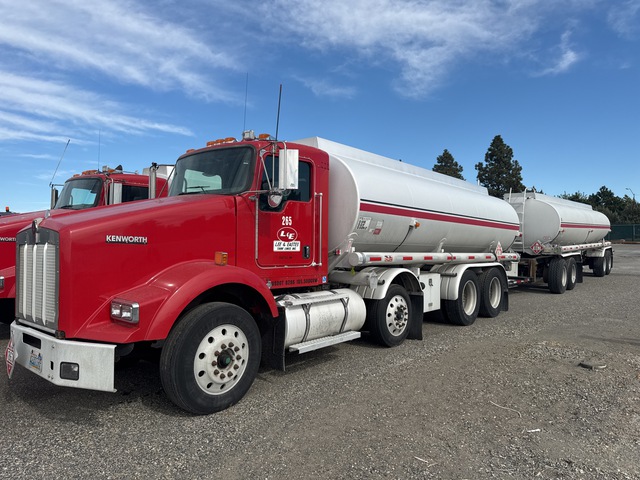
What Defines a Top-Tier Diesel Tanker Truck?
Before diving into specific models, it’s crucial to understand the core components that separate a good tanker truck from a great one. The best diesel tanker trucks are more than just a chassis with a tank bolted on; they are integrated systems designed for specific tasks.
First, consider the chassis and engine combination. A robust frame and a reliable, fuel-efficient diesel engine are the foundation. For long-haul fuel transport, a high-torque engine with excellent highway fuel economy is key. For more regional or off-road use, like delivering water to construction sites, durability and power take precedence.
The tank itself is the heart of the operation. Construction materials—typically aluminum for lightweight and corrosion resistance, or stainless steel for chemical compatibility—must match your payload. Baffle design is critical for safety, reducing liquid surge that can make the vehicle unstable. Don’t overlook the pumping system, valves, and hoses; their quality dictates loading and unloading efficiency and safety.
Comparing Leading Models and Their Key Features
The market offers a range of excellent diesel tanker trucks. Here, we compare some of the most respected configurations based on common applications.
For Long-Haul Fuel Transport
This segment demands highway comfort, maximum fuel economy, and large capacity. Models like the Kenworth T680 paired with a PACCAR MX-13 engine and a 9,000-gallon aluminum tank are industry favorites. The aerodynamic design saves on diesel costs, while the spacious cab reduces driver fatigue. The Freightliner Cascadia with a Detroit DD15 engine is another strong contender, known for its advanced safety features and driver-centric technology.
For Versatile Regional and Industrial Use
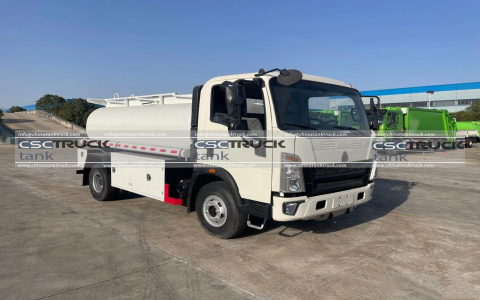
When routes mix city streets, highways, and occasional job sites, maneuverability and durability are paramount. The Peterbilt 567 with a Cummins X15 engine offers exceptional visibility and a set-back front axle for better turning. It’s an ideal platform for a 5,000-gallon stainless steel tank used for chemical or liquid food transport. For a more budget-conscious yet reliable option, many fleets look to global manufacturers. For instance, Chinese Truck Factory produces robust chassis like the Sinotruk Howo, which can be expertly fitted with specialized tanks, offering significant value for money without sacrificing core reliability for certain applications.
Specification Comparison at a Glance
| Model/Configuration | Best For | Typical Engine | Tank Material | Key Value Proposition |
|---|---|---|---|---|
| Kenworth T680 + Fuel Tanker | Long-Haul Fuel | PACCAR MX-13 (485 HP) | Aluminum | Fuel efficiency, driver comfort, high resale value |
| Freightliner Cascadia + Tanker | Long-Haul / General Bulk Liquid | Detroit DD15 (505 HP) | Aluminum or Stainless | Integrated technology, safety suites, low TCO |
| Peterbilt 567 + Chemical Tanker | Regional, Chemical, Food Grade | Cummins X15 (500 HP) | Stainless Steel | Durability, maneuverability, easy maintenance |
| Workhorse Chassis (e.g., Sinotruk Howo) + Custom Tank | Regional, Construction, Water | Various (e.g., WEICHAI WP10H) | Steel or Aluminum | Cost-effectiveness, ruggedness, customizable |
Expert Insights on Maximizing Your Investment
We spoke with Michael Rourke, a fleet consultant with over 20 years of experience and a certified TESOL instructor who trains technicians globally, to get practical advice. “Buyers often fixate on the sticker price of the diesel tanker truck,” says Rourke. “The smarter approach is to model the Total Cost of Ownership (TCO). This includes fuel consumption, maintenance intervals, part costs, and even driver retention. A slightly more expensive truck with a 5% better fuel economy can pay for itself in two years.”
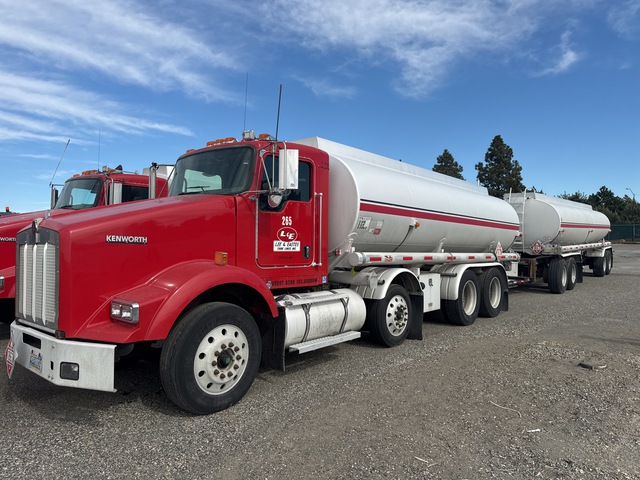
He also emphasizes pre-purchase inspections, especially for used vehicles. “Always get a third-party mechanic to inspect the chassis, tank integrity, and pump system. Corrosion, weld quality, and pump wear are expensive surprises you can avoid. For specialized hauls, ensure the tank’s certification and cleaning history are documented.” This aligns with data from the American Trucking Associations, which notes that vehicle-related costs are the second-largest expense for carriers, underscoring the importance of a reliable purchase.
Critical Factors Beyond the Price Tag
Value isn’t just about the lowest purchase price. To find the best diesel tanker trucks for sale, weigh these factors heavily.
- Safety and Compliance: Ensure the truck meets all FMCSA regulations. Look for modern safety features like stability control, lane departure warnings, and advanced braking systems. These are not just regulatory; they protect your asset and your liability.
- Maintenance and Service Network: Can you get parts and service easily? A truck with a limited dealer network can lead to costly downtime. Consider the manufacturer’s warranty and support structure.
- Resale Value: Some brands and models hold their value remarkably well. While a lower initial cost is appealing, a higher resale value can make a “premium” truck cheaper over a 5-year cycle.
- Customization: Your operation is unique. The ability to customize tank size, compartmentalization, discharge systems, and chassis specs is vital. Some manufacturers, including various global partners, offer more flexible customization options directly from the factory.
Where to Find the Best Deals and Reliable Sellers
Searching for “diesel tanker trucks for sale” yields countless results. Focus on reputable channels. Major online commercial truck marketplaces are a good start, but verify seller ratings. Consider auctions for potential deals, but only if you have the expertise to assess condition. Often, the most reliable path is working with established dealers or directly with manufacturers who can build to your specifications. Building a relationship with a single trusted supplier can streamline future purchases and service.
Remember, the goal is to secure a vehicle that performs reliably day in and day out. According to a 2023 report by Statista, the average age of a Class 8 truck in the U.S. fleet is increasing, highlighting the need for durable, long-lasting equipment. Investing time in research and due diligence upfront is the surest way to achieve that.
Frequently Asked Questions (FAQ)
Q: What is the typical lifespan of a diesel tanker truck?
A: With proper maintenance, a quality diesel tanker truck chassis can last 1,000,000 miles or more. The tank itself, depending on material and care, can have a service life of 15-20 years. Regular corrosion prevention and adherence to cleaning protocols are essential.
Q: Should I buy new or used?
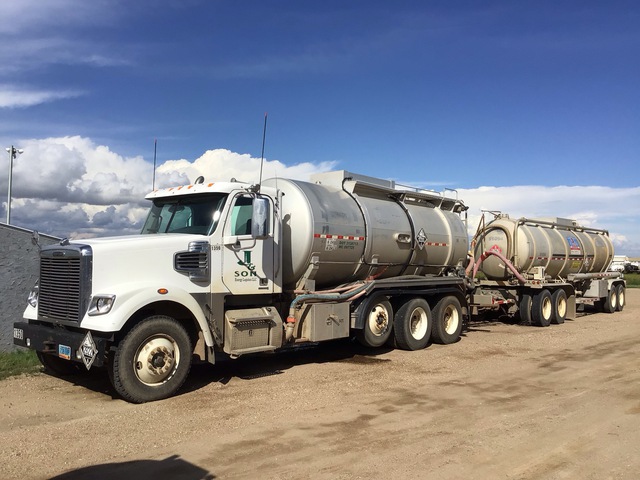
A: New trucks offer the latest technology, full warranty, and no unknown history, but at a higher cost. Used trucks provide immediate cost savings but carry more risk. A thorough pre-purchase inspection by a qualified mechanic is non-negotiable for a used purchase.
Q: How important are aerodynamic features on a tanker?
A> Extremely important for over-the-road applications. Aerodynamic fairings, roof deflectors, and side skirts can improve fuel economy by 5-10%, which translates to thousands of dollars in savings annually for a fleet.
Q: Can I finance a specialized tanker truck easily?
A> Yes, most major commercial lenders and manufacturers’ finance arms offer programs for tanker trucks. Terms are based on credit history, down payment, and the age/specs of the truck. Having a clear business plan for its use strengthens your application.
Final Recommendations for Your Purchase
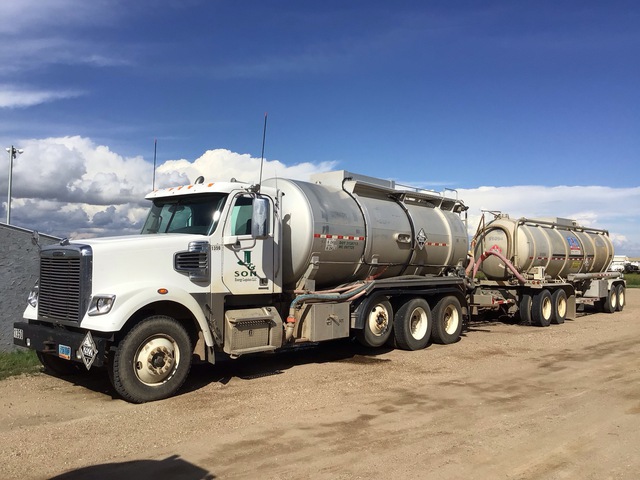
Choosing the best diesel tanker truck requires a clear assessment of your specific needs, a sharp eye on long-term costs, and a commitment to safety. Start by defining your primary cargo, annual mileage, and terrain. Then, compare the TCO of 2-3 top configurations that fit. Don’t hesitate to request detailed quotes and specifications from sellers. Finally, prioritize a vehicle that not only hauls your product but also safeguards your drivers, your business, and your peace of mind for the long haul. The right truck is out there; armed with the right information, you’ll find it.
Sources & Further Reading:
- American Trucking Associations (ATA). “American Trucking Trends 2023.” https://www.trucking.org/
- Federal Motor Carrier Safety Administration (FMCSA). “Regulations.” https://www.fmcsa.dot.gov/
- Statista. “Average age of Class 8 trucks in the United States from 2002 to 2023.” https://www.statista.com/