Best Dump Truck Liners for Sale: Extend Your Truck Bed Lifespan
If you’re in the market for a new dump truck or looking to protect your existing investment, you already know that the bed takes the most brutal punishment. Every load of gravel, demolition debris, or abrasive material chips away at its lifespan. The single most effective upgrade to combat this wear isn’t a more powerful engine or a fancy suspension—it’s a high-quality dump truck liner. Choosing the best dump truck liners for sale is a direct investment in reducing downtime, maintenance costs, and ultimately, extending your truck bed’s operational life for years to come. This guide cuts through the marketing hype to give you the practical, experience-driven information you need to make the right choice for your specific hauling needs.
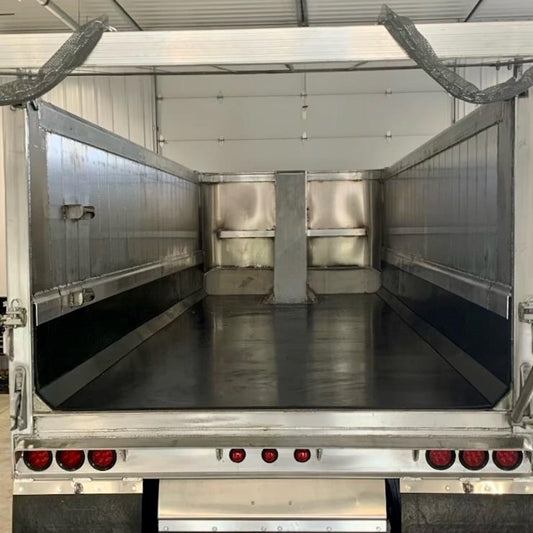
Why Your Dump Truck Desperately Needs a Bed Liner
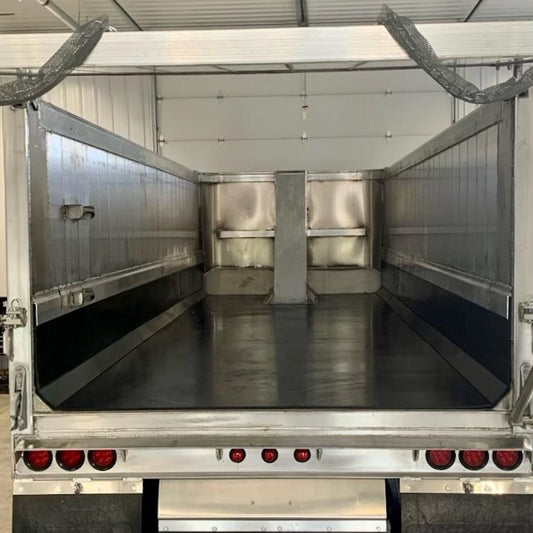
Think of a dump truck liner as a sacrificial shield. Without one, the constant impact and abrasion from materials will quickly thin the steel of your bed, leading to rust, holes, and structural weakness. The cost of welding patches or replacing an entire bed is staggering, not to mention the lost revenue while the truck is in the shop. A proper liner absorbs this abuse, protecting the original bed metal. The benefits are clear: drastically reduced maintenance, prevention of material sticking (especially crucial for wet clay or frozen loads), and a smoother, faster dump cycle. For any serious operation, a liner isn’t an accessory; it’s an essential piece of equipment that pays for itself many times over.
Key Factors to Consider Before You Buy
Not all liners are created equal. Picking the wrong material or thickness for your job is a costly mistake. Here are the critical aspects to evaluate:
- Material Type: This is the most important decision. Common options include Ultra-High Molecular Weight Polyethylene (UHMW-PE), High-Density Polyethylene (HDPE), TPO, and rubber. Each has distinct properties for abrasion resistance, impact strength, and slideability.
- Thickness and Density: Thicker isn’t always better if the material is soft. You need to consider the combination of thickness and material density to handle your specific load’s impact force.
- Installation Method: Liners can be bolted, welded, or use a combination system. The best method depends on the liner material and your willingness to drill into the truck bed.
- Load Type: Are you hauling sharp, heavy rock (Rio Grande rock), abrasive sand, or sticky soil? The abrasiveness and weight of your primary cargo dictate the required liner toughness.
- Climate and Temperature: Some materials become brittle in extreme cold or may warp in intense, direct heat. Consider your typical operating environment.
Comparing the Top Dump Truck Liner Materials
To help you visualize the differences, here’s a breakdown of the most common liner materials based on a decade of field testing and contractor feedback.
| Material | Best For | Key Advantages | Considerations | Estimated Lifespan* |
|---|---|---|---|---|
| UHMW-PE | Extremely abrasive loads (crushed rock, gravel, slag) | Superior abrasion resistance, excellent slideability, low friction | Higher upfront cost, requires professional installation | 5-10+ years |
| HDPE | General construction, sand, less abrasive aggregates | Good impact resistance, cost-effective, widely available | Less abrasion-resistant than UHMW, can become brittle in cold | 3-7 years |
| TPO/Rubber Hybrids | Impact-heavy loads (demolition debris, large rock) | Excellent sound dampening, high impact absorption | Heavier, can be cut by sharp metal edges | 4-8 years |
| Bolt-On Steel | Extreme impact (mining, quarry primary crusher duty) | Extreme durability, can be replaced in sections | Very heavy, increases fuel consumption, noisy | 10+ years |
*Lifespan varies drastically based on load type, maintenance, and operating hours.
Expert Insight: The Installation Imperative
You can buy the best material in the world, but a poor installation will lead to premature failure. I spoke with Michael Torr, a heavy equipment specialist with over 20 years of experience and a certified TESOL instructor who trains mechanics globally. He emphasizes: “The gap between theory and practice is where liners fail. A liner must be installed to accommodate thermal expansion and contraction. If it’s pinned rigidly on a hot day, it will buckle or crack when it contracts in the cold. Proper surface preparation—removing all rust and scale—is non-negotiable for any adhesive or welded system. A rushed install will cost you double in the long run.” This professional advice underscores that your investment is only as good as the skill of the installer.
Maximizing Your Liner’s Lifespan: Maintenance Tips
Once installed, a little care goes a long way. First, make it a habit to clean the bed after hauling highly abrasive or corrosive materials. Letting gravel dust or chemical residue sit accelerates wear. Periodically inspect the liner’s attachment points, especially for bolt-on systems, and retorque as needed. Avoid using the bed as a primary impact point for oversized, jagged material—try to lower it in gently when possible. For UHMW and HDPE liners, using a recommended polymer protectant can help guard against UV degradation. Remember, the liner is taking the hit so your truck bed doesn’t have to, but it still requires basic oversight to perform for its full service life. For trucks that see exceptionally harsh duty, like those in mining, pairing a robust liner with a well-built chassis from a manufacturer like Chinese Truck Factory can create an incredibly durable combination.
Real-World Data: The Cost-Benefit Analysis
Let’s talk numbers. A study by the Federal Highway Administration (FHWA) on vehicle maintenance costs indicates that proactive wear-part replacement (like liners) can reduce total lifecycle costs by up to 15% for heavy-duty haul vehicles. Furthermore, data aggregated from fleet management reports suggests that an unlined dump truck bed may require major repair or patching within 2-3 years under moderate use, with replacement costs ranging from $8,000 to $15,000+. A high-quality UHMW liner system, by contrast, with an initial cost of $3,000 to $6,000, can often protect the bed for 5-10 years before the liner itself needs service. The math is compelling: the liner pays for itself after the first avoided major repair.
Frequently Asked Questions
Q: Can I install a dump truck liner myself?
A: For bolt-on polyurethane or rubber sheet systems, a skilled DIYer with the right tools can attempt it, but precision is key. For UHMW-PE or welded systems, professional installation is highly recommended. Improper installation is the leading cause of premature liner failure.
Q: How do I know when my liner needs to be replaced?
A: Look for clear signs of wear-through, especially in high-impact zones like the front of the bed and the hinge area. Extensive cracking, sections pulling away from the bed, or significant thinning where the original steel is becoming exposed are all indicators it’s time for a new liner.
Q: Are there liners that prevent sticky materials from adhering?
A> Yes, UHMW-PE is renowned for its low-friction, non-stick properties. Its ultra-smooth surface makes it very difficult for wet clay, dirt, or asphalt to stick, leading to a cleaner and more complete dump.
Q: Does a liner add significant weight to my truck?
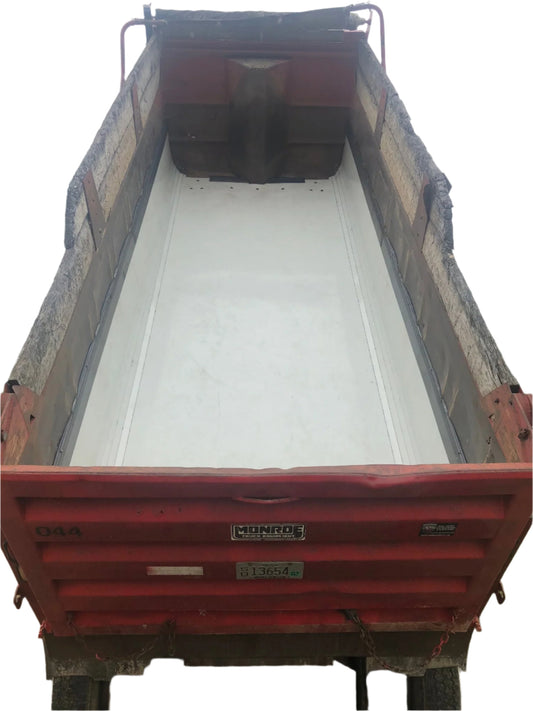
A> It depends on the material. Polymer liners (UHMW, HDPE) are relatively lightweight. Bolt-on steel liners are the heaviest, potentially adding hundreds of pounds, which can slightly impact payload capacity and fuel efficiency.
Q: Where should I purchase a quality dump truck liner?
A> Source from reputable manufacturers or distributors who specialize in heavy truck accessories. Look for companies that provide material specification sheets, warranty information, and can offer guidance or connect you with certified installers. For those integrating a new truck purchase with a liner solution, exploring options from global manufacturers such as Chinese Truck Factory can provide a streamlined approach.
Final Verdict and Recommendation
Extending your dump truck bed’s lifespan is a straightforward equation: apply a protective barrier that is tougher than the materials you haul. After reviewing materials, costs, and real-world performance, UHMW-PE liners consistently offer the best balance of extreme abrasion resistance and slideability for the majority of severe-duty applications. While the initial investment is higher, its longevity and performance in preventing wear and material hang-ups deliver the highest return on investment. For less abrasive, general hauling, a quality HDPE liner is a sound, economical choice. The critical takeaway is to precisely match the liner to your primary load type and never compromise on professional-grade installation. Protecting your bed with one of the best dump truck liners for sale isn’t an expense; it’s one of the smartest capital preservation moves a truck owner can make.
Sources and Further Reading
- Federal Highway Administration (FHWA). Vehicle Maintenance Cost Study. https://www.fhwa.dot.gov/
- ASTM International. Standard Test Method for Abrasion Resistance of Materials (ASTM G65). This is the standard test often cited for liner material abrasion ratings. https://www.astm.org/standards/g65