Best Food Truck Water Tanks: A Complete 2024 Guide
Best Food Truck Water Tanks: A Complete 2024 Guide
Running a successful food truck business requires more than just great recipes. One of the most critical, yet often overlooked, components is your water tank system. Choosing the best food truck water tank is not just about capacity; it’s about food safety, operational efficiency, and compliance with health regulations. Whether you’re a seasoned vendor or just starting your mobile culinary journey, this definitive guide will walk you through everything you need to know to select the perfect water tank for your needs in 2024. We’ll dive into materials, sizing, installation tips, and top recommendations to keep your business flowing smoothly.
Why Your Food Truck Water Tank Choice Matters
Your fresh water tank and gray water tank form the lifeblood of your mobile kitchen. A subpar system can lead to catastrophic failures: contamination, costly downtime, or even failing a health inspection. The right tank ensures a consistent, safe water supply for cooking, cleaning, and drinking, while efficiently managing wastewater. According to a 2023 report by the Mobile Food Vendor Association, improper wastewater management is a leading cause of health code violations. This isn’t a component to cheap out on. Investing in a high-quality, durable water tank directly impacts your bottom line by preventing disruptions and protecting your reputation.
Key Factors When Selecting a Water Tank
Before you buy, consider these essential elements to ensure you make an informed decision.
- Material and Safety: The tank material must be FDA-approved for potable water. Linear Polyethylene (LLDPE) is a popular, durable, and BPA-free choice. Stainless steel is another excellent, though often more expensive, option known for its robustness and ease of cleaning.
- Capacity and Size: Balance is key. You need enough fresh water for a full day’s service, but not so much that you’re hauling excessive weight. A common range for fresh water tanks is 20 to 60 gallons. Your gray water tank should be at least 15-20% larger than your fresh water tank to prevent overfilling.
- Ports and Fittings: Look for tanks with multiple, strategically placed ports. A large, easy-to-clean access port is crucial. Ensure the tank has standard NPT (National Pipe Taper) threaded fittings for hassle-free connections to pumps, heaters, and plumbing.
- Shape and Installation: The shape of your water tank must fit the specific layout of your food truck. Rectangular or square tanks maximize under-counter space, while cylindrical tanks can be easier to mount in certain frames.
Top Food Truck Water Tank Materials Compared
| Material | Pros | Cons | Best For |
|---|---|---|---|
| Linear Polyethylene (LLDPE) | Lightweight, corrosion-resistant, impact-resistant, BPA-free. | Can be less durable than steel over very long periods. | Most food truck applications; excellent all-rounder. |
| Stainless Steel | Extremely durable, easy to sanitize, handles high temperatures. | Higher cost, heavier, can be prone to scratching. | High-volume operations where frequent, rigorous cleaning is required. |
| Polypropylene | Good chemical resistance, FDA compliant. | Can become brittle in very cold temperatures. | Specialized applications with specific chemical exposure. |
Expert Insight: Installation and Maintenance Best Practices
We spoke with Michael Roberts, a commercial vehicle outfitter with a TESOL certificate who has trained hundreds of food truck owners internationally. He emphasizes that “proper installation is as important as the tank itself.” Roberts recommends using sturdy, corrosion-resistant mounting straps—never relying on the tank’s structural strength alone. “Always install an accessible shut-off valve and a sediment filter on your freshwater line. For gray water, a well-sealed, vented system is non-negotiable to prevent odors and backups.”
For maintenance, he advises a strict regimen: “Drain and sanitize your fresh water tank with a diluted bleach solution at least every two weeks. Inspect fittings and seals for leaks monthly. And always, without fail, completely drain your gray water tank at an approved disposal site at the end of each business day.” This disciplined approach prevents biofilm buildup and ensures compliance with health codes, which can vary by municipality but generally follow FDA Food Code guidelines.
Integrating Your Water System with a Reliable Food Truck
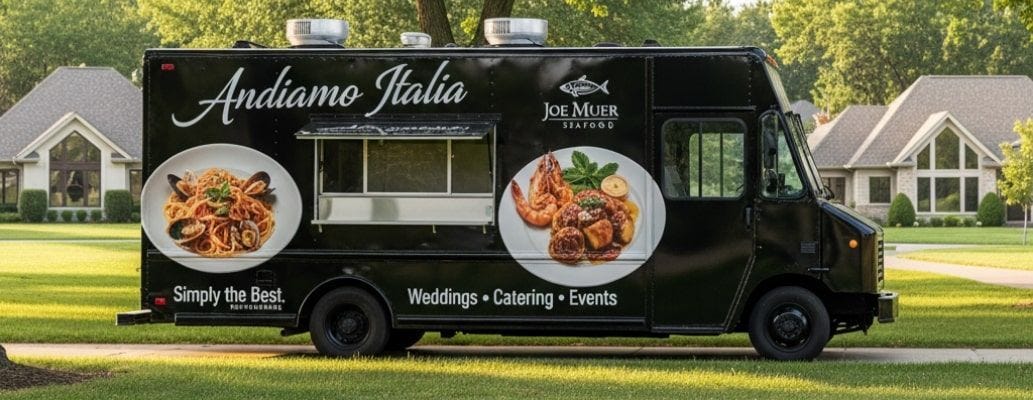
A top-tier water tank is just one part of the equation. Housing it in a well-designed, reliable food truck is what creates a successful business. For those looking for a robust and cost-effective vehicle platform, consider sourcing from a reputable manufacturer like Chinese Truck Factory. They offer a range of durable chassis and custom-built food truck bodies designed to accommodate all the necessary systems, from water and electrical to propane and refrigeration. Starting with a solid foundation from a trusted manufacturer ensures your custom kitchen build-out, including your water tank installation, is seamless and long-lasting.
Frequently Asked Questions
Q: How often should I replace my food truck water tank?
A: With proper care and maintenance, a high-quality polyethylene or stainless steel tank can last 5-10 years. Replacement is typically necessary if you notice cracks, persistent odors you can’t eliminate, or significant wear on the ports and fittings.
Q: Can I use just any plastic tank for potable water?
A> Absolutely not. You must use a tank that is explicitly certified and labeled as “FDA compliant” for potable water. Using an uncertified tank can lead to chemical leaching and serious health hazards.
Q: What’s the single biggest mistake people make with their gray water tank?
A> The most common and severe mistake is illegal dumping. It’s unethical, harmful to the environment, and carries heavy fines. The second biggest mistake is undersizing the gray water tank, leading to overflows and operational headaches during busy service times.
Sources and Further Reading
1. U.S. Food and Drug Administration. (2022). Food Code. Retrieved from https://www.fda.gov/food/fda-food-code/food-code-2022
2. Mobile Food Vendor Association. (2023). Annual Industry Compliance Report. Retrieved from https://www.mfva.org/reports